|
Getting your Trinity Audio player ready...
|
By Henry Owino
Nairobi, Kenya: The concept of food systems has evolved rapidly in recent years, with a more holistic approach gaining traction among scholars and policymakers.
This new perspective encompasses all elements and activities related to food production, processing, distribution, preparation, and consumption, as well as the socioeconomic and environmental outcomes of these activities.
Despite growing awareness, the global food system is under threat due to unsustainable practices and the current trajectory of agrifood systems drivers, which risk derailing the achievement of Agenda 2030 targets.
Increasingly, international organizations, countries, and civil society groups are utilizing foresight exercises to explore alternative scenarios and pathways for more resilient and sustainable food systems.
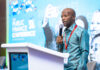
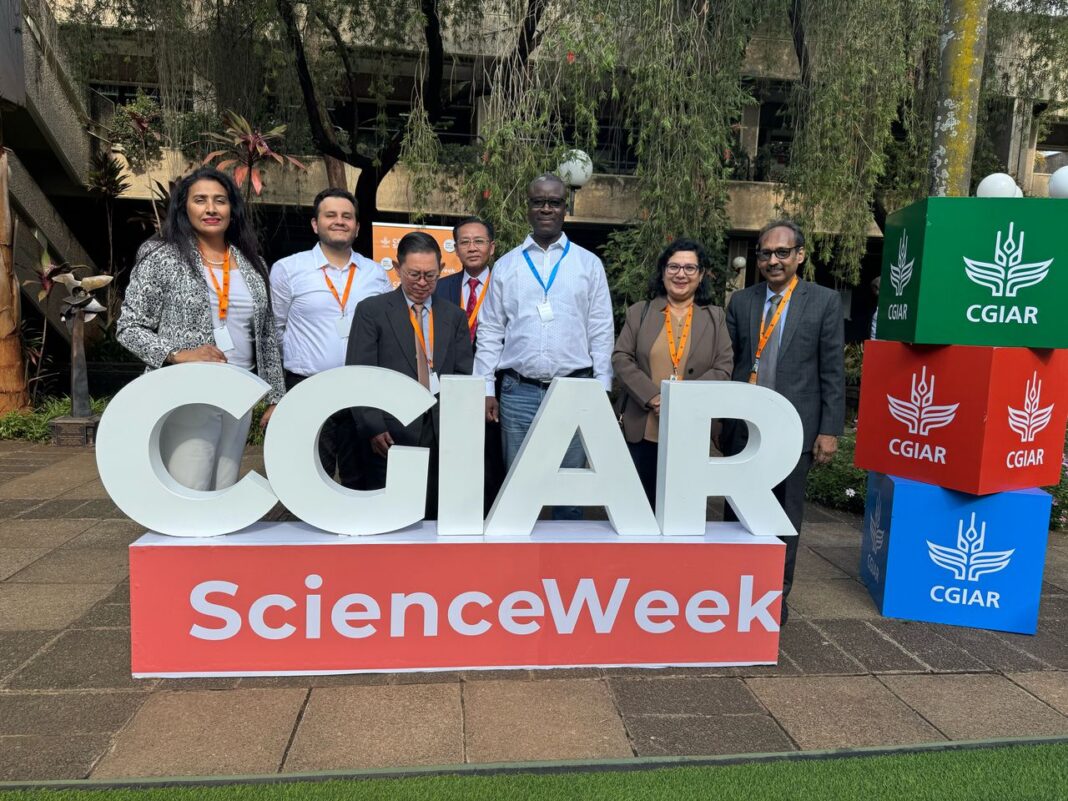
It is for these reasons that CGIAR had a Science Week that kicked off on 7-12 April 2025, at the United Nations Office in Nairobi, Kenya. The event drew over 8,000 people in person and another 2,000 online, with representatives from 1,000 organizations and 100 countries.
The delegates included researchers, policymakers, funders, farmer representatives, and experts who tackle food, land, and water system challenges.

Formerly known as the Consultative Group on International Agricultural Research (CGIAR), it is a partnership of 15 agricultural research centers worldwide. The global partnership unites international organizations engaged in research about food security.
Therefore, its main mandate is research that aims at reducing rural poverty, increasing food security, improving human health and nutrition, and sustainable management of natural resources.
Organizers describe Science Week as a critical forum to forge partnerships that can scale pioneering science into farmer-friendly solutions going forward. The event was co-hosted by the Kenya Agricultural and Livestock Research Organization (KALRO), a government agency.
The week-long event, “presented unique opportunities in sharing knowledge to advance and develop the role that agriculture plays in solving some of the world’s most pressing challenges,” noted Zainab Hawa of the UN Nairobi Office.
Breaking the Language Barrier
Africa faces mounting agricultural challenges, from climate change to evolving markets, which demand that farmers fully understand and adopt innovations.
Yet much of the research conducted between 2000 and 2015 remained locked within peer-review circles, bypassing the very communities it aimed to help.
Dr. Johan Swinnen of IFPRI called for an immediate shift: “It is time that researchers begin to share their research findings with the beneficiary communities to create changes in the way that they practice agriculture.”
Founded in 1975, IFPRI has long championed evidence-based policy, but Swinnen argues that first-language dissemination must now become standard practice.
Community Engagement & Early Warnings
Participants learned about CGIAR Research Portfolio 2025-2030 through dedicated Strategy Dialogues on Science Programs & Accelerators, and discovered cutting-edge science from CGIAR centers worldwide through science talks, innovation showcases, and research workshops.
The event also offered the chance to see, first-hand, transformative innovations improving the lives of vulnerable communities in the exhibition area, and visitors were able to explore CGIAR and partner labs and research stations, seeing science in action during field visits.
Dr. Abdulkarim Seid of IWMI emphasized that translating early-warning data into local languages can literally save lives by enabling timely action.
“Global food and nutrition security cannot be achieved without engaging local communities,” Seid told delegates, underscoring that knowledge gaps delay critical responses to droughts and floods.
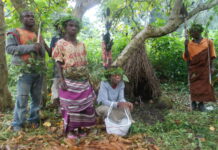
Integrating indigenous knowledge with scientific climate forecasts has been shown to improve adaptation methods among smallholders in Uganda’s Rwenzori region.
Policy, Markets & Competitiveness
Dr. Baboucarr Manneh of AfricaRice urged policymakers to partner with researchers to ensure farmers receive timely access to improved crop varieties.
“African agricultural produce can only compete favorably in the international market once new technologies are embraced and rolled out to farmers,” he stated, calling for streamlined dissemination channels.
This call aligns with broader CGIAR goals to bridge the gap between science and policy, facilitating smoother pathways from lab to land.
Gender & Inclusion
Women make up the majority of Africa’s farmers, yet research often overlooks their specific needs.
Dr. Susan Kaaria of AWARD explained that gender inequality directly affects food availability, access, and sustainability, and that sharing findings in women’s native languages can empower degraded-land management.
A recent ASARECA wrap-up highlighted that effective partnerships and political will are needed to mainstream gender-responsive research dissemination across the continent.
Looking Ahead
As CGIAR Science Week closed, speakers agreed on one clear message: to build resilient food systems, researchers must speak the languages of those they serve literally.
Only by embedding first-language communication into research pipelines can Africa’s smallholders fully tailor innovations to local realities and climate challenges.