|
Getting your Trinity Audio player ready...
|
By Henry Owino
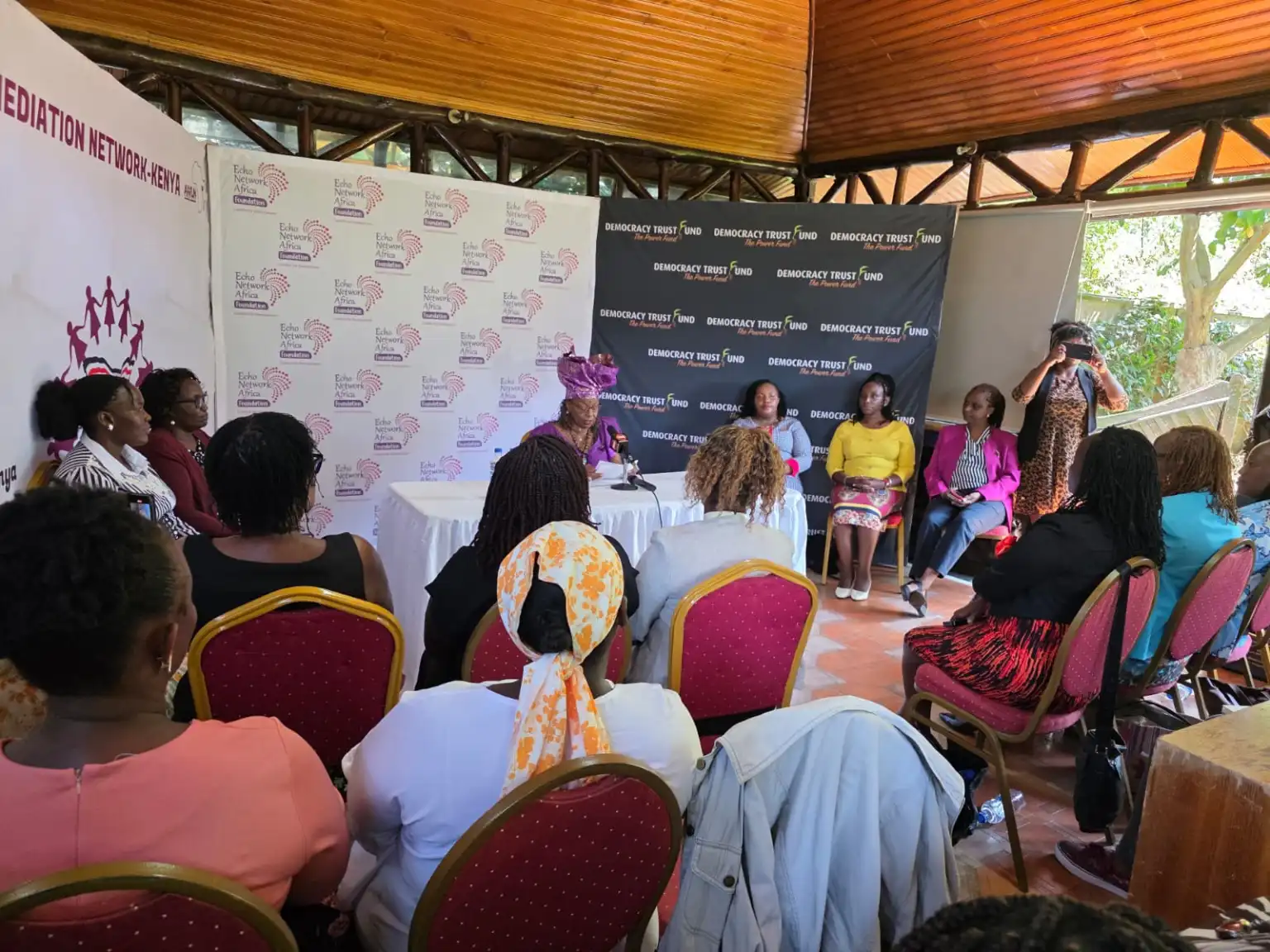
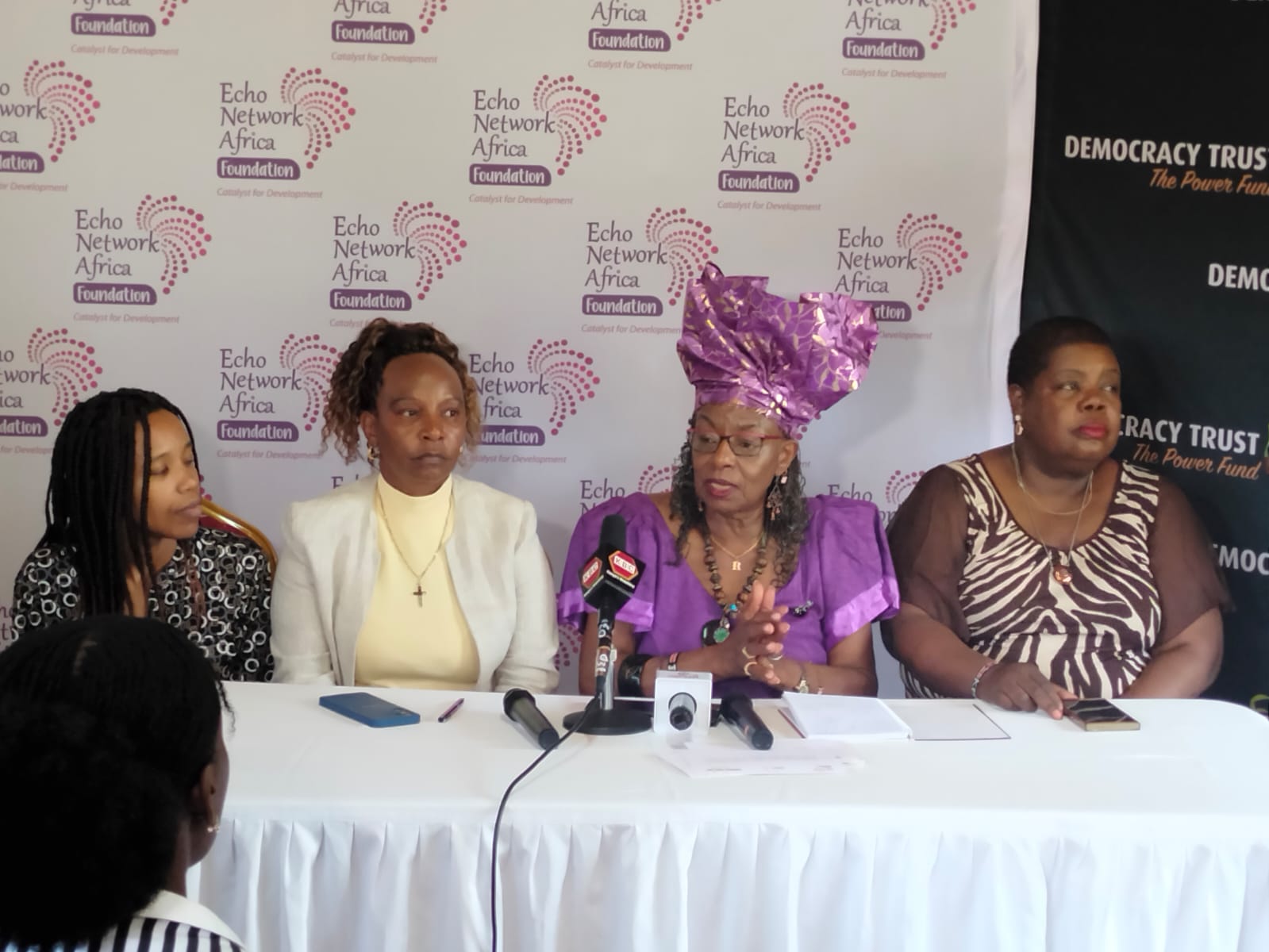
Nairobi, Kenya: Women leaders under the African Women Leadership Network (AWLN–Kenya) Chapter have issued an urgent call to President William Ruto to declare gender-based violence (GBV) and femicide a national disaster, warning that the escalating crisis is claiming lives and eroding the safety and dignity of women and girls across the country.
The leaders say the alarming rise in GBV and femicide has reached crisis proportions, disproportionately affecting women and girls and demanding immediate, decisive action at the highest level of government. They insist that the scale, persistence, and brutality of the violence can no longer be treated as routine criminal incidents, but as a national emergency requiring coordinated and sustained intervention.
Speaking to the media, the women called on President Ruto to demonstrate leadership by formally declaring GBV and femicide a national disaster and fast-tracking the full implementation of recommendations contained in the report by the Nancy Baraza–led Presidential Technical Working Group on GBV and Femicide, recently presented to him.
Dr Jennifer Riria, President and Chief Executive Officer of the Echo Network Africa Foundation (ENAF), said women across the country fully support the report and are ready to stand with the President to ensure its implementation.
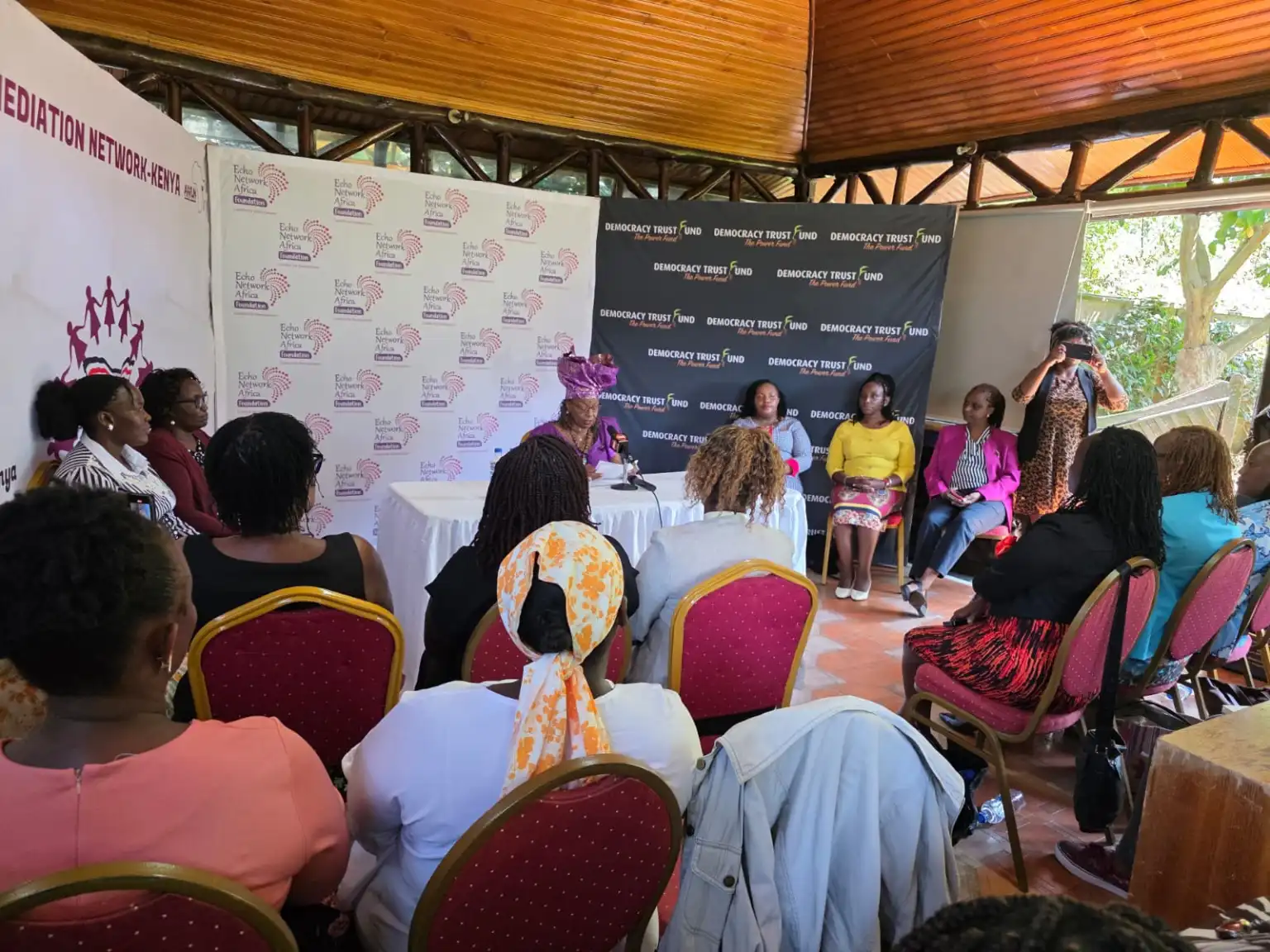
“We are calling upon the President to take seriously the recommendations he recently received and to implement them to the letter, without delay. Women across the country assure him of our full support in executing this report,” Dr Riria said.
She commended President Ruto for prioritizing GBV and for appointing a high-level technical team to investigate the crisis and propose solutions, noting that the report now provides a clear roadmap for action.
Representing young women, Mercy Mutana said the submission of the report marks a critical turning point and that the President must now personally lead the national fight against GBV.
“Let President Ruto, in his personal capacity, champion a safe country for all Kenyans especially girls and women. The women of Kenya will stand solidly behind him in this war against GBV until every girl and young woman is safe,” Mutana said.
Sarah Kilemi emphasized that women will no longer remain silent as violence continues to escalate. She said women are prepared to actively push for accountability and implementation of the report’s recommendations.
“We will not sit back and watch as violence destroys lives. Women are ready to speak up, mobilize, and demand action,” Kilemi said.
The leaders also expressed deep concern over the deteriorating security situation in the country, condemning acts of violence and calling on law enforcement and other State agencies to swiftly arrest and prosecute perpetrators.
“We join the rest of the country in condemning the worsening state of insecurity and strongly denounce those perpetrating violence,” Kilemi said, noting that women, children, persons with disabilities, and other vulnerable groups suffer the most during times of unrest.
They cited the recent teargassing and shooting at worshippers in a church in Nyeri County as a disturbing reminder of past national trauma, warning that Kenya must not slide back to the dark days of 2007–2008. The leaders stressed that places of worship are sacred, safe spaces that must be protected at all times.
“Attacking a place of worship signals a deep breakdown of civility and respect for human life,” they said, adding that women and children often seek refuge and comfort in such spaces.
While acknowledging the swift condemnation of the violence by the church, civil society, and other actors, the women demanded greater vigilance, accountability, and sincerity from duty bearers, including law enforcement agencies, the NCIC, and the Office of the Director of Public Prosecutions.
“This is a defining moment,” the leaders said. “Declaring GBV and femicide a national disaster is not symbolic, it is a necessary step to save lives, restore dignity, and protect the future of Kenya’s women and girls.”
Crisis on Education Sector
Concerning the Education sector, the Kenyan women leaders raised alarm over the deepening crisis, particularly the low and chaotic transition from junior to senior secondary school.
Benta Opande, KEWOTA CEO, noted that challenges such as high education costs, inadequate infrastructure, teacher shortages, and insufficient learning materials are making education increasingly inaccessible and worsening social inequality.
The group urged the government to act urgently, emphasizing that education is a constitutional right under Article 43 of the 2010 Constitution and should not be subject to experimentation.
They called for consolidation of all bursaries into a single funding system and for targeted action to fix CBC implementation gaps, including teacher retraining, infrastructure development, and reducing the cost of school uniforms.
While commending the President’s directive for 100% transition to senior secondary school, the women noted that many vulnerable children have yet to report and urged stronger enforcement to ensure no child is left behind.
They also praised community-led initiatives in Kisii and Nandi counties as examples of solidarity and resilience, and called on government, civil society, development partners, and all Kenyans to revive the Harambee spirit to support education and secure Kenya’s future competitiveness.