
|
Getting your Trinity Audio player ready...
|
By Mercy Kachenge
Nairobi, Kenya:Kenya’s HIV prevention landscape is under immense pressure following a funding freeze by the U.S. government.
Critical community led programs serving adolescents and key populations (AYP and KPs) have shut down.HIV testing services have been redirected to routine healthcare units like Antenatal Care (ANC) and maternal and newborn child health (MNCH) facilities not always well equipped to serve high risk individuals effectively.
“This nearly collapsed our prevention programs,” says Nelson Otwoma, Executive Director of the National Empowerment Network of People Living with HIV/AIDS in Kenya (NEPHAK).
“Key populations such as sex workers, adolescent girls, young women, and men who have sex with men are now even more exposed. We are watching years of progress slowly unravel but hope may emerge from the global community.”
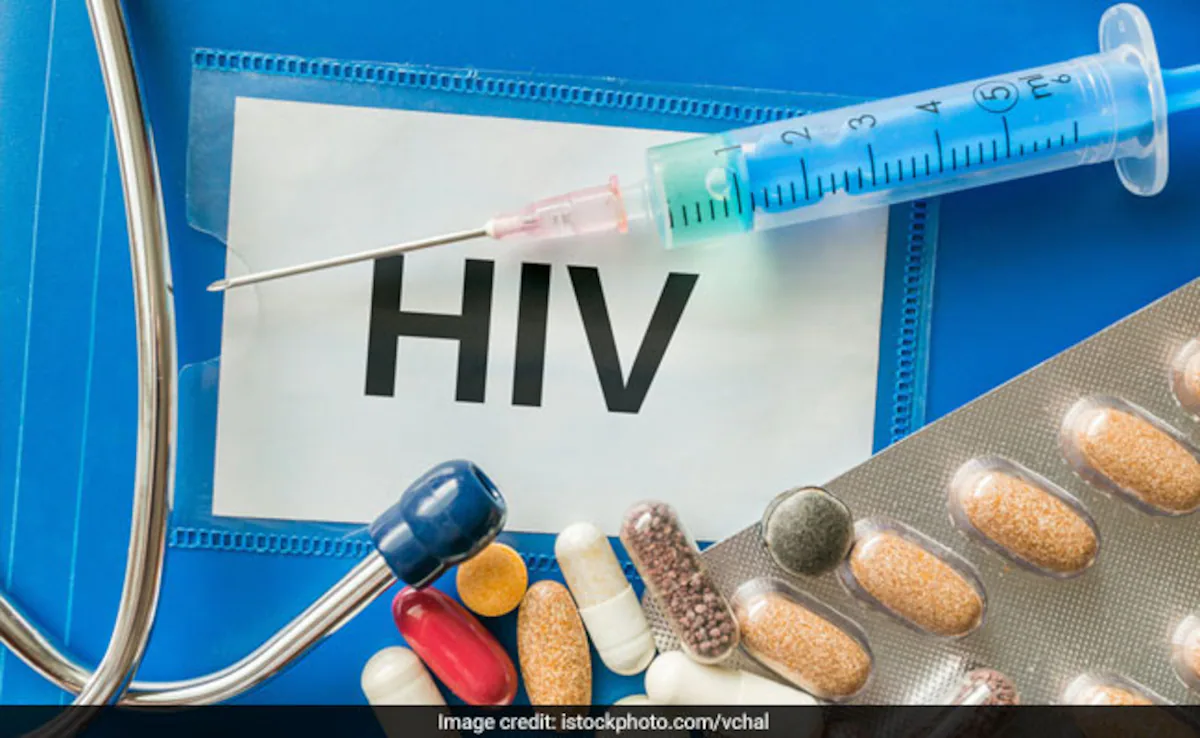 In July 2025, the World Health Organization (WHO) made a landmark recommendation through the introduction of injectable Lenacapavir as a new pre-exposure prophylaxis (PrEP)tool for HIV prevention. This long acting injectable offers protection for up to six months with a single dose significantly reducing the burden of daily pill taking required for current oral PrEP users.
Dr. Meg Doherty, WHO’s Director of Global HIV, Hepatitis and STI Programs, stated that this new option will offer more choices for people at substantial risk of HIV infection and could help improve the uptake and adherence to PrEP.
“Offering people more HIV prevention choices is essential to help bring the global HIV response back on track,” said Dr Doherty.
“This twice yearly injectable could be a game changer,” says Otwoma. “It’s discreet, convenient, and fits the lives of those who may not be able to take a pill every day, especially young women or sex workers who face stigma.”
Kenya has already been identified by WHO and the Global Fund to Fight AIDS, Tuberculosis and Malaria (GFATM) as one of the early adopter countries.
According to the National AIDS and STIs Control Programme (NASCOP), Lenacapavir is expected to become available in Kenya by January 2026, with initial roll out supported by the Global Fund.
Experts caution that this new PrEP method is not a silver bullet. In the past, the scale up of oral PrEP has coincided with a rise in sexually transmitted infections (STIs) and unplanned pregnancies, largely due to reduced condom use.
“We must treat Lenacapavir as an addition, not a replacement for condoms and behavioral prevention strategies,” Otwoma warns.
To ensure success, several steps must be taken. Healthcare workers must be trained on administration, eligibility criteria, and follow up. Public education campaigns will need to clearly state that Lenacapavir is preventive not a treatment and that it’s only suitable for HIV negative individuals.
“Kenya has about 50 million people. This injectable cannot be for everyone,” says Otwoma. Adding “We need clear guidelines for eligibility, and strong systems to support safe delivery.”
“Lenacapavir should be delivered alongside other HIV prevention tools, including testing, condoms, male circumcision, and sexual health services,” said the WHO statement.
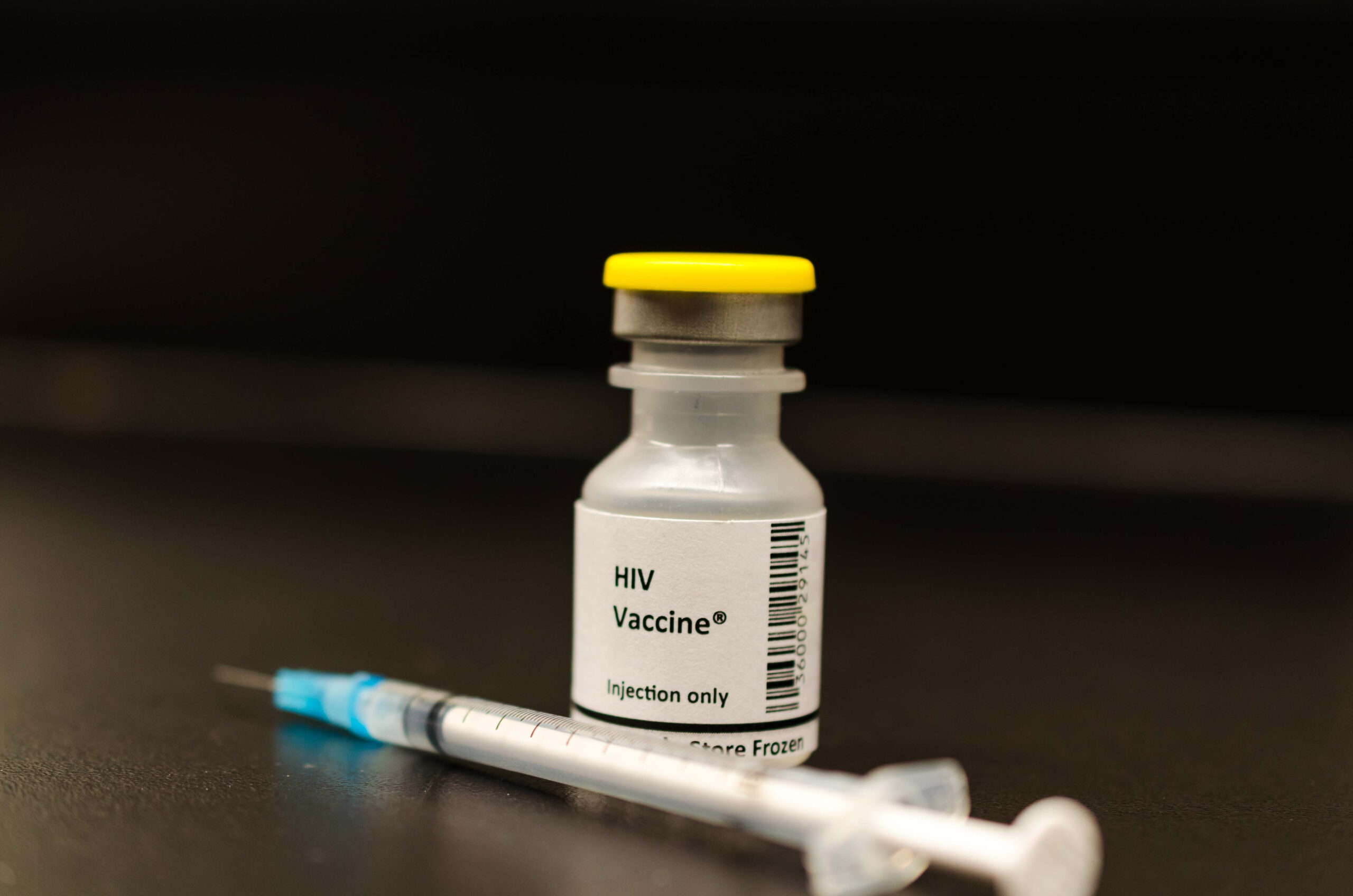
NASCOP is already working to include the injectable as part of the country’s broader combination prevention strategy. If pricing comes down through the development of generic versions, Lenacapavir may eventually be offered in private clinics, giving more people the option to access it outside of donor supported public facilities.
Otwoma stated effective rollout will depend heavily on robust monitoring and evaluation noting that HIV testing must remain central to this process, as only HIV negative individuals are eligible for the injectable.
“Testing before every injection will be the first indicator. Then, we need to track HIV incidence to confirm that people on Lenacapavir are not seroconverting,” he explains.
WHO similarly emphasized the need for implementation research and surveillance to ensure that rollout informs future policy decisions. Kenya must invest in health workforce development, especially data officers and digital health tools like EMR\_Kenya, to make Lenacapavir part of the national digital health infrastructure.
Demand may overwhelm the system, especially if the injectable is perceived as easier or safer than existing options. There’s also concern about social acceptance.
“Will people take a drug when they’re not sick? Will it face the same misinformation as vaccines?” Otwoma asks.
“And what happens when the Global Fund stops paying? Are we just walking back into dependency?”
Despite these concerns, many experts agree that introducing injectable Lenacapavir could represent a turning point in Kenya’s HIV fight if it’s implemented responsibly and sustainably.
“We have a unique window,” says Otwoma. “If we do this right, we can rebuild trust in prevention, restore services to those most at risk, and finally turn the tide.”