
By Suave Human
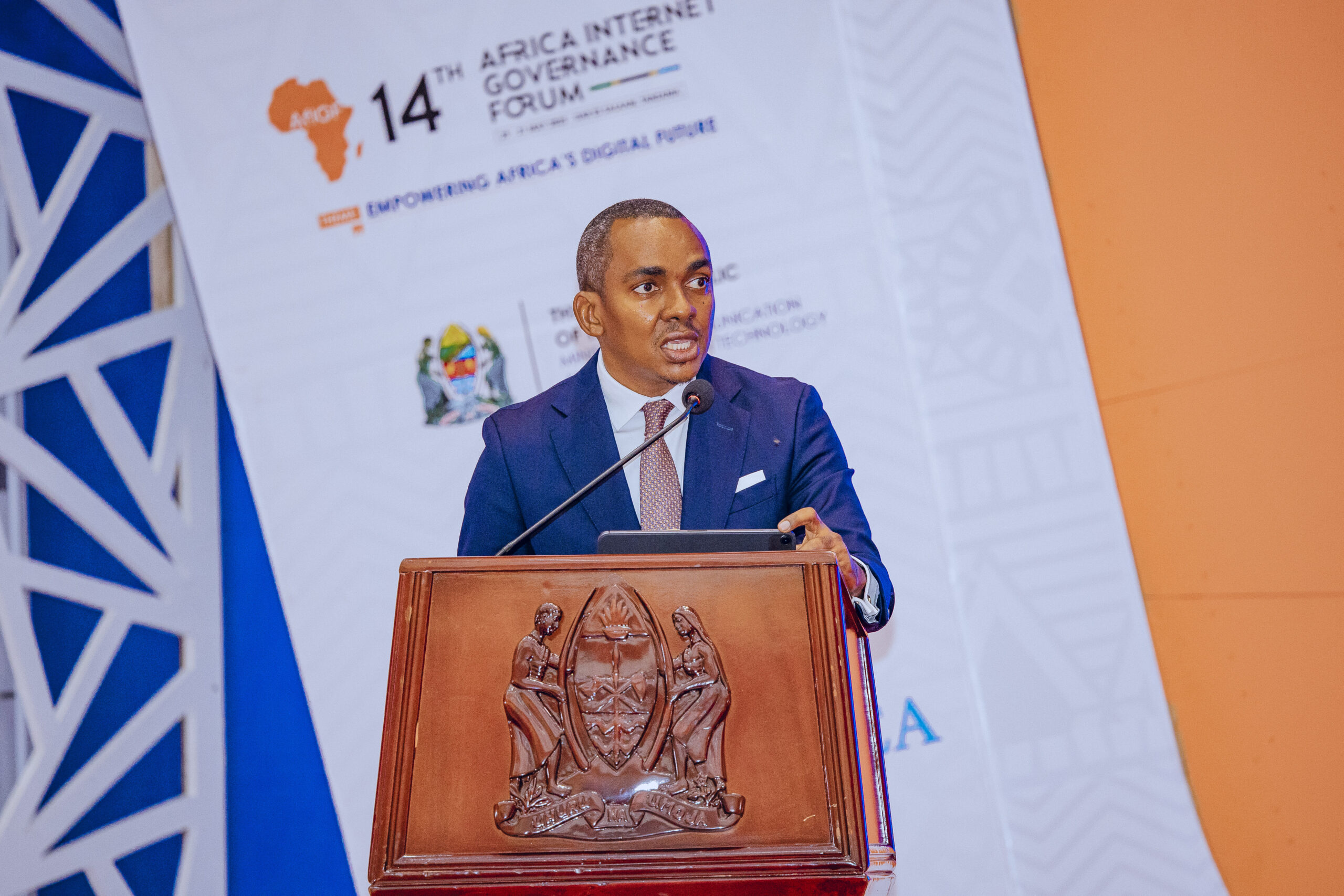
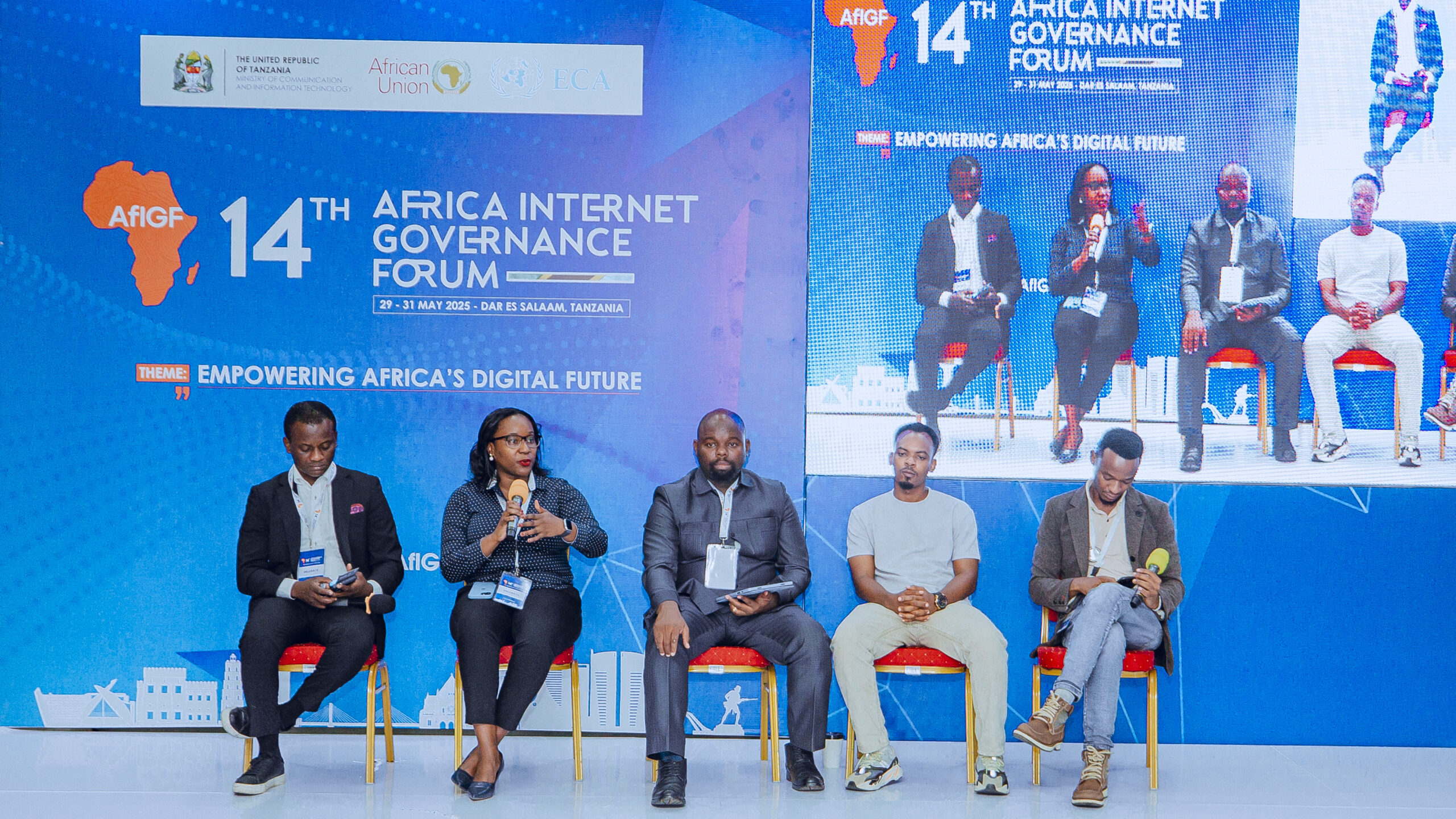
Dar es Salaam, Tanzania: Attending the 14th Africa Internet Governance Forum (IGF) in Dar es Salaam, Tanzania was an eye-opener. I never expected that a session on digital identity and the African Continental Free Trade Area (AfCFTA) would leave me with goosebumps. It felt like standing at the edge of change where borders don’t matter as much anymore. Digital identity and AfCFTA are more than buzzwords; they’re shaping Africa’s future, connecting people and boosting economies. The core themes? A borderless world, identity sovereignty, and continental growth.
Understanding the African IGF’s Focus on Digital Identity and AfCFTA
The African Continental Free Trade Area (AfCFTA) is an agreement among African countries to make trade easier across the continent. It aims to:
- Remove trade barriers like tariffs and import duties
- Allow goods and services to move freely between countries
- Boost economic growth and job creation
Think of it as creating one big African market where businesses can operate across borders more smoothly. The Africa IGF aims to build a better digital future for the continent. It brings together governments, businesses, and citizens to discuss how technology can serve Africa better. This year’s focus was clear — digital identity and regional trade. These topics matter because they could help unlock Africa’s full potential.
The Intersection of Digital Identity and AfCFTA
Digital identity is the key to smoother cross-border trade. When citizens and businesses have secure digital IDs, it becomes easier to move goods, services, and investments across borders. Platforms that verify identities online are now central to implementing AfCFTA’s goals. Imagine an African trading card that proves who you are, making trade faster and safer.
The Urgency for a Unified Digital Framework in Africa
Africa’s different digital laws and standards slow down progress. We need one continent-wide digital identity system to truly connect markets. Initiatives like the Pan-African Digital ID are steps in the right direction. Without such a framework, the promise of a borderless economy remains just out of reach.
The Political and Social Impact of Digital Identity in Africa
Enhancing Financial Inclusion and Access. Digital identity makes banking easier for millions of Africans. Mobile money services like M-Pesa in Kenya are prime examples. Now, people without formal IDs can open accounts, send money, and save securely. This helps lift families out of poverty and boost local economies.
Promoting Identity Sovereignty and Data Privacy
But with digital identities come concerns about who owns your data. People worry about privacy and misuse of personal info. Experts stress a need for balanced rules that protect privacy while fostering innovation. Clear policies can give users control and build trust.
Building Trust and Social Cohesion in Digital Spaces
Reliable digital IDs create trust between citizens and governments. People who believe their identities are safe are more willing to engage online. Countries like Ghana and Rwanda are leading the way with digital ID programs that serve millions and promote social harmony.
Economic Opportunities and Challenges Presented by Borderless Digital Identity
Unlocking Cross-Border Trade and Investment.Digital ID simplifies border processes. Customs, licenses, and trade documents become faster and less costly. New platforms like TradeForward Africa connect businesses across borders with secure digital IDs. These tools help unlock investments and create jobs.
 Addressing Infrastructure and Digital Divide Issues
Yet, Africa faces challenges like poor internet and lack of devices. To make digital IDs work everywhere, stakeholders must invest in infrastructure. Bridging the digital divide means expanding access and training more people to use digital tools confidently.
Combating Digital Fraud and Security Risks
With digital identities come risks like identity theft and hacking. Best practices include strong passwords, biometric verification, and encryption. Countries must work together to fight digital crimes and ensure trust in digital systems.
Lessons Learned from the Africa IGF Session
Human-Centered Approach to Digital Identity Policies. Every policy should consider real users’ needs. No one-size-fits-all solution. Experts emphasized listening to users, especially those in rural areas or with little tech experience. Inclusive policies help everyone benefit from digital identity systems.
Collaboration Across Borders and Sectors
Regional teamwork is vital. Countries sharing standards and systems make digital IDs more usable across borders. Collaboration between governments, tech firms, and civil society builds stronger, unified solutions.
The Role of Innovation and Technology in Shaping the Future
Emerging tech like blockchain, biometrics, and AI can make digital IDs more secure and easy to use. Policymakers and developers should stay open to new ideas. Innovation can turn complex problems into simple solutions.
Key Takeaways and Calls to Action
This session left me inspired—and a little emotional. Digital identity must be inclusive, secure, and interoperable to boost Africa’s growth. If we get this right, borders won’t just be lines on a map—they’ll be little more than digital paper cuts. Stakeholders, from governments to startups, should join hands now. Together, we can create a continent where everyone’s identity is their passport to opportunity.