|
Getting your Trinity Audio player ready...
|
By Henry Owino
Baringo County, Kenya: The United Nations (UN) recognizes that Climate Change acts as a “threat multiplier,” exacerbating existing social, economic, and environmental challenges, which can contribute to insecurity and conflict.
While climate change may not directly cause conflict, it intensifies competition for resources like water and land, increases food insecurity, and can lead to displacement, all of which can contribute to instability and violence.
Therefore, climate induced conflicts do exacerbate existing tensions among communities whose vulnerabilities to droughts and floods are inevitable. These two impacts are primarily caused by a combination of meteorological, hydrological, and human-induced factors, with climate change significantly exacerbating both.
Meteorological factors, such as lack of rainfall, can trigger droughts, while heavy rainfall leads to floods. Deforestation, land degradation, and unsustainable water management practices can worsen both droughts and floods.
Impacts of floods and droughts can lead to increased competition for scarce resources like water and arable land, potentially fueling conflicts.
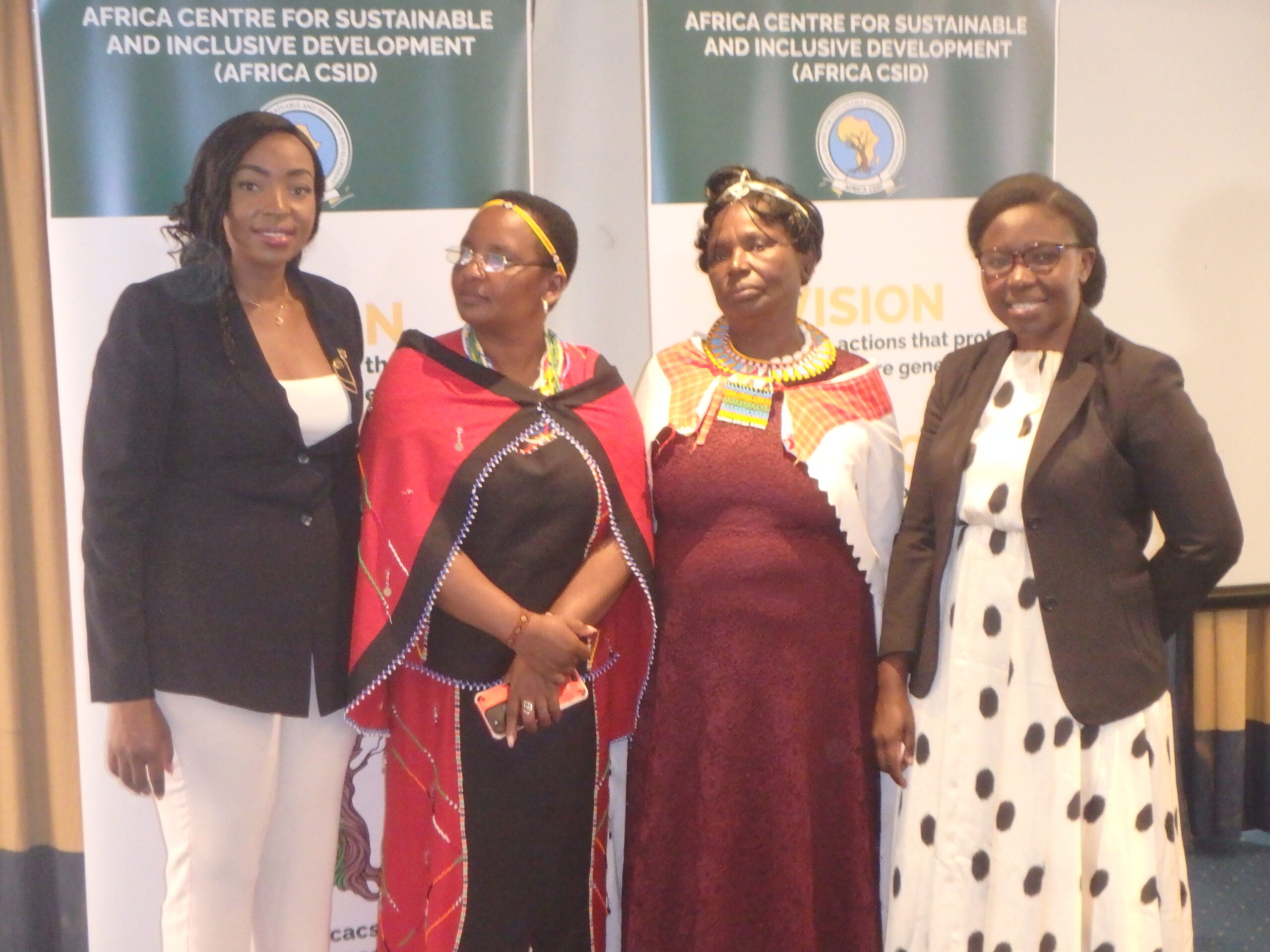
Again, climate induced conflicts have differential impact on different gender groups with the disadvantaged ones like women being adversely affected. This is owing to their roles as primary caregivers, resource managers, food producers, just mention a few.
Usually, women are downgraded in most communities hence often bear brunt of the conflicts, experience gender-based violence, easily displaced on their land, and lose livelihoods. For marginalized communities, the situation is even dire that women who are agents of change not allowed to participate development forums.
Research Findings
Research study conducted by African Centre for Sustainable and Inclusive Development (Africa CSID) among Endorois and Ilchamus communities in Baringo County, Kenya, reveals these induced climatic conflicts as factual on the ground.
Escalation of climate induced conflicts are aggravated by other existing social, economic and political factors which goes beyond sex to age, or disability and ethnicity. Cultural factors and religious believes also contribute to the discrepancy among these indigenous communities in Baringo County.
According to Salome Owuonda the Lead Researcher in the study of Indigenous People of Endorois and Ilchamus communities, there are significant gendered impacts affecting various demographic groups differently. The entrenched gender norms hinder women’s adoption of diverse coping mechanisms worsening the situation.
Madam Owuonda affirms that during research, they realized spectacular disparity between men and women in relation to climate induced conflicts. Women are more vulnerable of the entire impacts compared to their men counterparts.
“The two indigenous communities heavily rely on natural resources for their livelihoods hence bear the brunt of climate induced conflicts. Consequently, women, persons with disabilities, and the elderly are among vulnerable facing heightened risks,” Ms Owuonda noted.
The Lead researcher affirmed that women play a dual role in the context of climate change; while they are vulnerable to its impacts, they also possess significant potential as agents of change in climate action.
The potential stems from their deep-rooted knowledge and practices in sustainable agriculture, water management, and natural resources conservation. Women’s intimate connection with natural resources, driven by their reproductive roles within society and their custodianship of indigenous traditional knowledge, puts them in a better position to foster for peacebuilding initiatives.
Ms Owuonda acknowledged that through observation, interviews and interactions with Endorois and Ilchamus communities, women are capable of sustaining their livelihoods better if they are positioned to contribute to peacebuilding efforts. Women role are essential in fostering long-term stability in the waring communities arising from scarce natural resources for farming, livestock grazing, watering and food for family.
However, the community cultural background does not allow women to speak in public forums even though permissible to attend meetings. Their physical presence in such public forums is equated to participation.
Impacts of Climate Induced Conflicts
According to Janet Ogubi, assistant researcher during conflicts, men tend to leave first to confront aggressors or seek safety, leaving women behind to care for their families. This gendered division of labor exacerbates women’s vulnerability, as they bear the responsibility of safeguarding their families while facing increased risks of violence and insecurity.
Ms Ogubi further explained the destruction of infrastructure, such as hospitals and schools, disproportionately affects the women and children within conflict- affected communities. Women are usually left to care for vulnerable family members, such as children, the elderly, and the sick, during conflicts, increasing their vulnerability.
“The destruction of education, particularly for girls, is another gendered impact of climate induced conflicts. Girls face heightened risks of early pregnancies and dropout from school due to the closure of schools and increased vulnerability to sexual exploitation,” Ms Ogubi stated.
Furthermore, conflicts disrupt cultural practices and rites of passages, particularly for boys, delaying customary ceremonies like circumcision and impacting their psychological well-being.
The deliberate targeting of men and boys during conflicts leads to a disproportionate number of male casualties and a rise in female-headed households. Women, forced to assume the role of providers, engage in income-generating activities like illicit brewing, perpetuating environmental degradation among others.
Additionally, conflicts exacerbate psychosocial challenges for men, who face pressures to fulfill traditional roles as protectors and providers of the family. When families are devastated, community becomes vulnerable to the shocks of climate induced violence.
These factors lead to both interpersonal violence and collective violence, including conflict. Women and girls are often disproportionately affected by these climate-related violence, facing increased risks of gender-based violence.
Women Segregation in Community Forums
Janet Tanui, an Endorois community woman upholds that as women, they are not allowed to make any verbal contributions in public gatherings. So, women only attend such public forums to hear proceedings while men actively debate and resolve next cause of action for entire community.
“When we attend public meetings as women, our role is one, to offer prayers. So, our voices are heard during prayers to either at the start or end of the meeting,” Tanui laments.
Even literate or educated women are denied opportunities to speak despite having pertinent solutions. Nowadays, such women would scribble an opinion note and pass it over to sociable men to share out the thought. Depending on how it is presented, such written suggestions are either ignored, dismissed or adopted but women input not always considered.
“Personally, I have always wanted to share my thoughts and ideas but then I end up not sharing it because I always have the feeling nobody would understand, take me seriously or even listen,” Tanui complains.
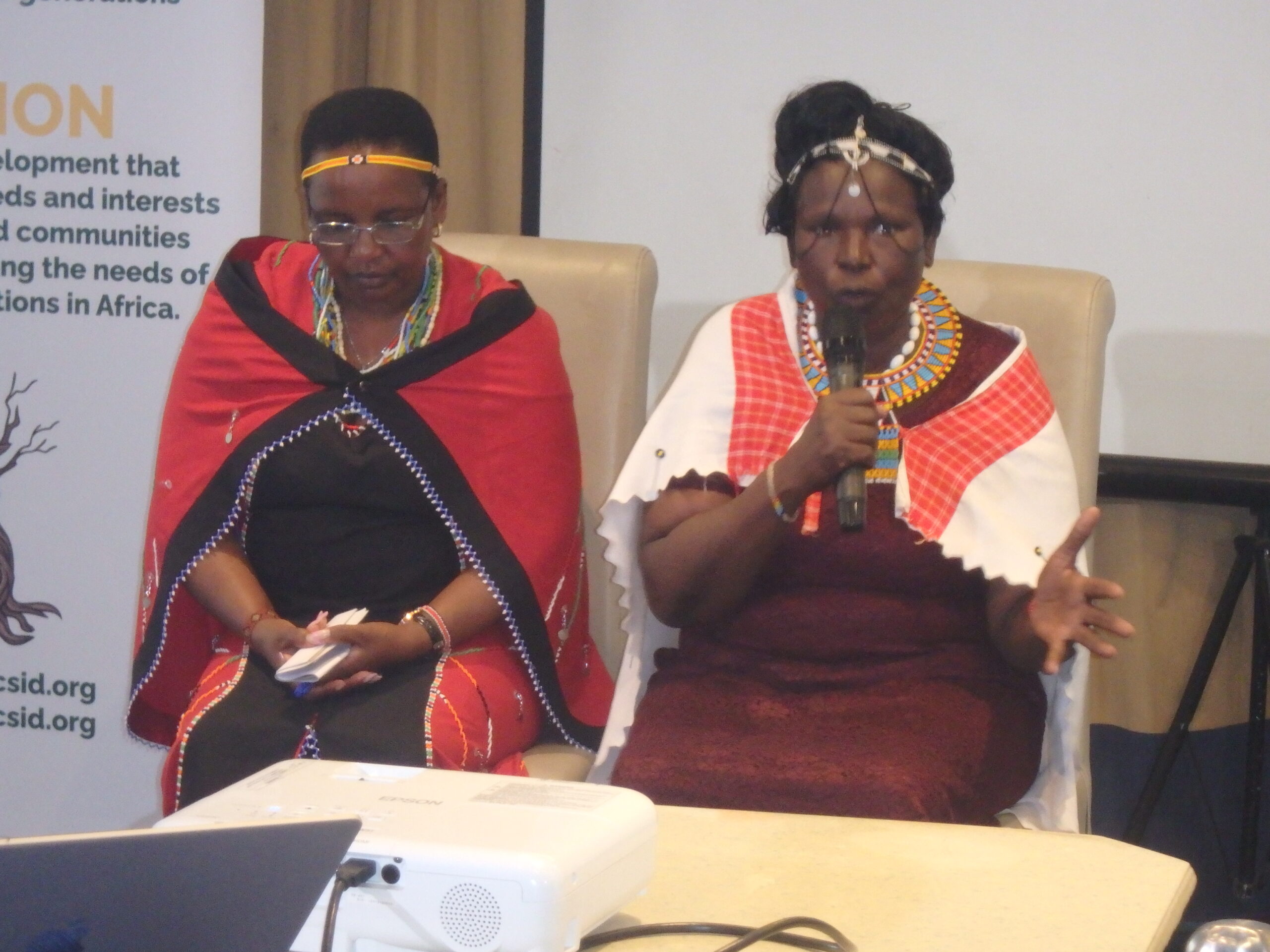
Tanui claims following how women are treated during climate induced conflicts, determines the scope of peacebuilding initiatives or violence escalation. Reasons being roles play by women in any given community, is very critical and significant in ensuring safety or achieving specific peace objectives.
For instance, women are great household managers, and most importantly they are agents of change in their community. Women have the biggest role in making decisions for their families that eventually influences community participation in peacebuilding.
Consequently, the impacts of climate change such as environmental degradation, resource scarcity, and migration, have seriously affected the Indigenous People of Endorois and Ilchamus communities in Baringo County. As pastoralists, it contributes to persisted conflicts over water and pasture for livestock that have further disproportionately affected communities’ milk production.
Sports as Possible Solutions
Nevertheless, the absence of women to actively participate in community forums in peacebuilding efforts is escalating climate induced conflicts. Strategies to involve women participate in community peacebuilding initiatives have been considered which include sports.
By utilizing the unique characteristics of sports, peacebuilding initiatives can effectively contribute to social cohesion, conflict prevention, and the promotion of positive social change.
Sports have been used addresses social issues like poverty, violence, and conflict in different regions. So, the affected women suggested sports as one the major initiative that can facilitate cross-cultural understanding and dialogue by providing a platform for interaction and exchange between different groups.
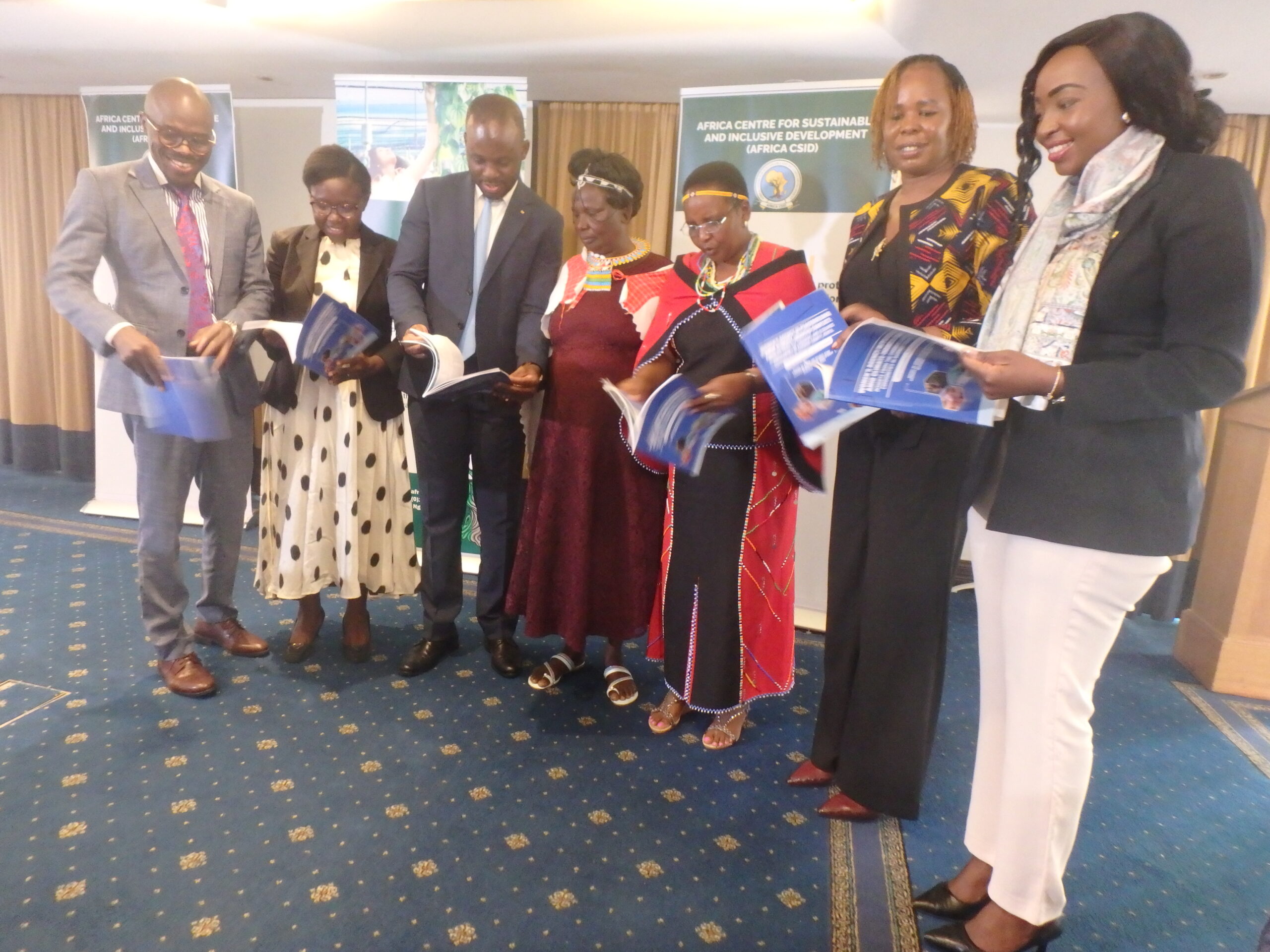
During the official launch of this report findings, key stakeholders from the climate sector like Senator Moses Kajwang, Chairman in Parliamentary Caucus on Climate Change and the other security sector represented by Mohamed Bare from Ministry of Interior and Coordination of National Government were tasked to ensure the implementation of the report recommendations.
Additionally, the ideas and suggestions shared by the various speakers present physically as well as powerful insights and proposals shared by speakers that were online, get effected.