|
Getting your Trinity Audio player ready...
|
By Henry Owino
Kampala, Uganda: The Uganda’s government has alerted its citizens that it is planning to ban single-use plastic carrier bags in the country. The announcement was made on 7th May, 2025 by the Executive Director of the National Environmental Management Authority (NEMA).
This decision marks a significant step towards addressing plastic pollution in Uganda as well as protecting the environment and the wellbeing of neighboring countries.
Uganda’s environmental watchdog is taking bold steps to eliminate single-use plastics, citing the growing threat they pose to public health, ecosystems, and the country’s climate resilience.
Greenpeace Africa commends Uganda’s government on its commitment to ending single-use plastic carrier bags. The organization is delighted that the bold step will foster cooperation and auger well for the East Africa Community.
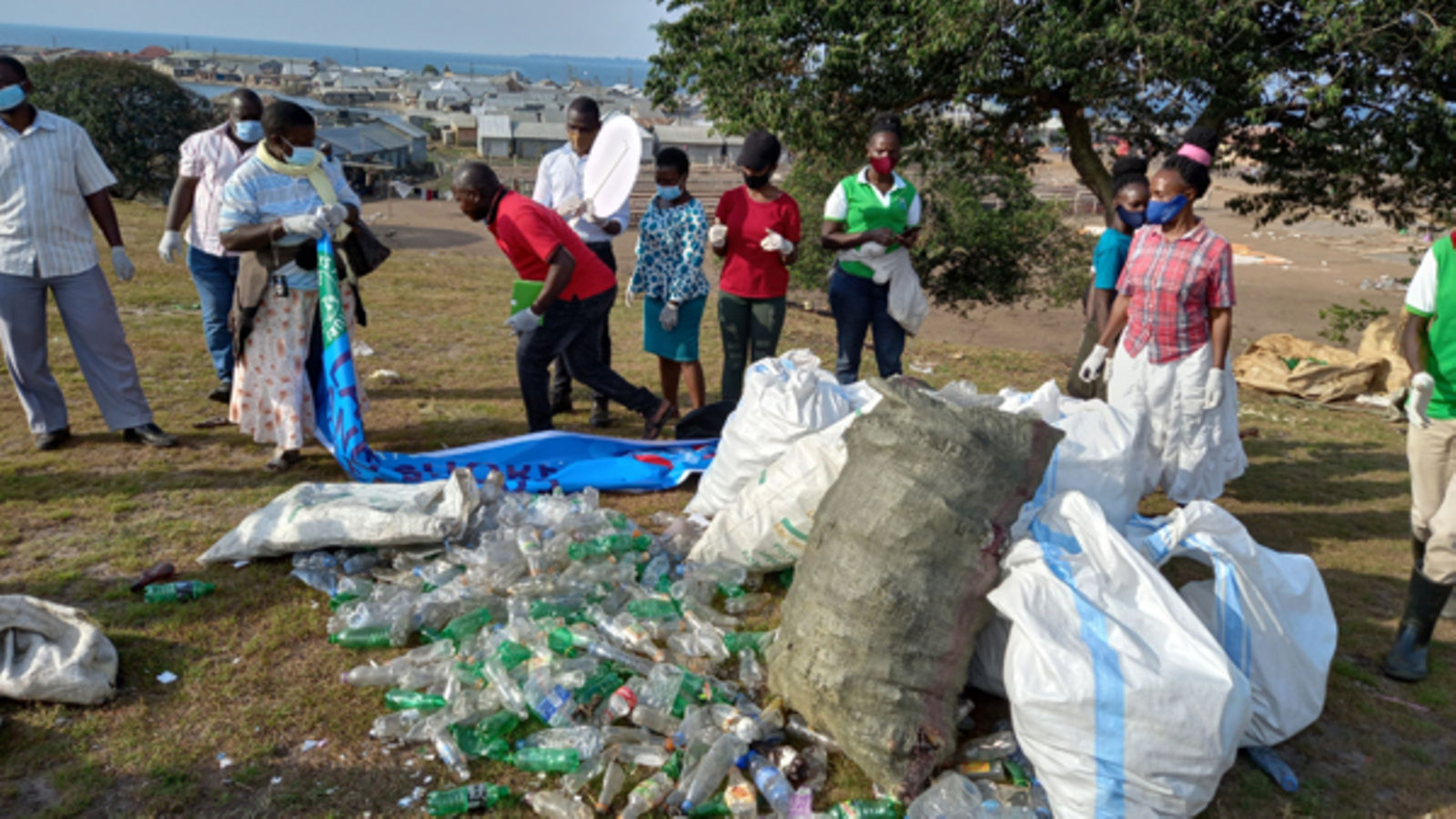 Hellen Dena, Project Lead for the Pan-African Plastic Project at Greenpeace Africa said the move is the right direction for Uganda. However, she cautioned unless relevant authority implements the good intention and put into actual practice, the status quo will persist.
“This is a step in the right direction for Uganda, but good intentions do not bring change. Only concrete actions do. We urge NEMA to ensure effective enforcement of the ban and to incentivize businesses, manufacturers and producers to provide affordable, accessible, circular and sustainable alternatives to consumers,” Dena emphasized.
“NEMA must also monitor implementation of the ban across different stakeholders. Improved monitoring to assess compliance including in small scale and informal businesses will be critical in ensuring compliance,” she underscored.
Dena is excited that Uganda’s announcement on intention to ban single-use plastics carrier bags comes at a time when world leaders are gearing up for the second round of the Fifth Intergovernmental Negotiating Committee meeting (INC 5.2) talks in Geneva.
Thumbs Up to Anticipated Plastic Ban
In support of Uganda’s government good intention, Greenpeace Africa urges the country to shun the petrochemical industry and support an ambitious treaty that prioritizes cuts in plastics production and embraces solutions like refill and reuse for a future free from the devastating impacts of plastic pollution.
Uganda now joins other East African countries such as Kenya and Rwanda who have taken the lead in instituting similar regulations.
“Micro plastics are everywhere in the environment. In the food we eat, in the water we drink, in the air we breathe. We urge other African governments to follow this example. Plastic is a poison and is doing a lot of damage to our cities,” Dena recommended.
According to NEMA, Uganda produces 600 metric tonnes of plastic waste everyday with less than 40% being properly collected and managed.
In Kampala, the country’s capital, 100 metric tonnes of plastic are produced per day. A situation which represents a risk for the population’s wellbeing and health.
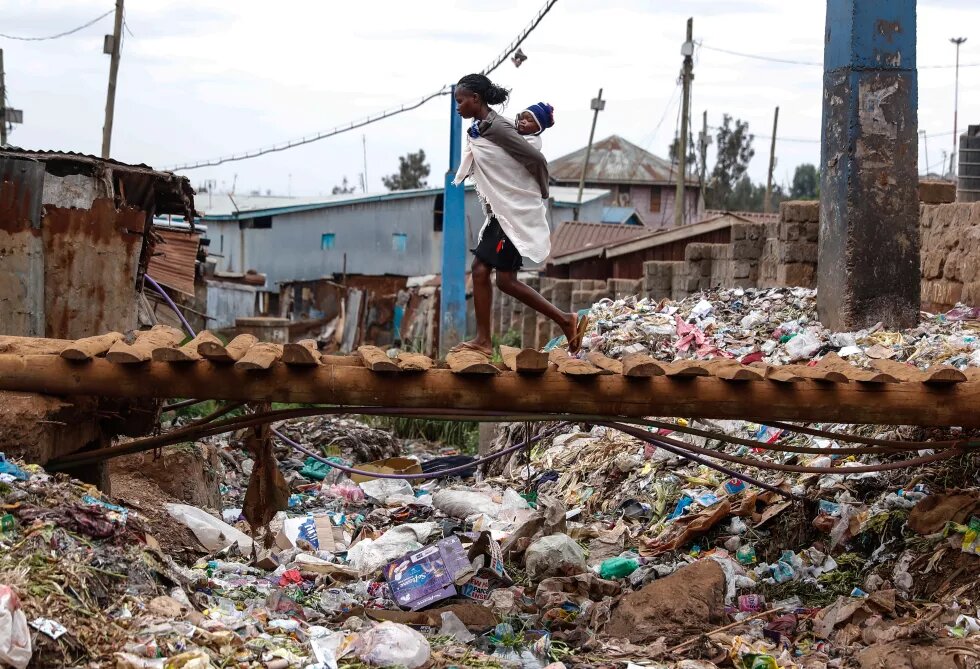
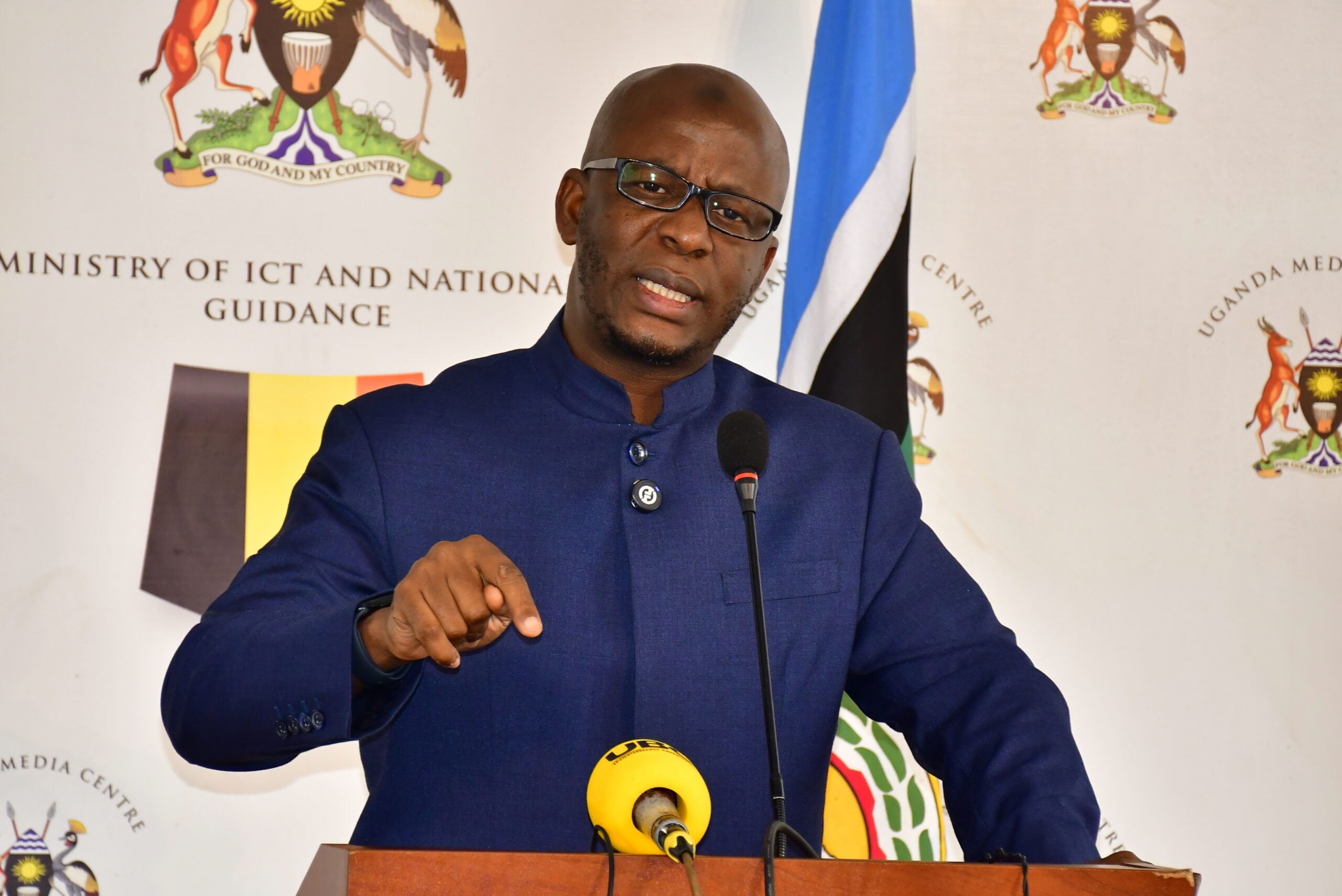
Dr. Barirega Akankwasa, the Executive Director of NEMA, revealed they are pushing to amend legislation to enforce a total ban on single-use plastics.
He explained single-use plastics are too thin to recycle and are designed to be discarded one use.
Reasons for Plastic Ban
Akankwasa was addressing journalists from Uganda Media Centre in Kampala on 6th May, 2025 exactly a month to World Environment Day, usually marked on 5th June, annually. This year’s World Environment Day 2025, focuses on ending plastic pollution and global celebrations are going to be held in the Republic of Korea.
“Uganda generates 180 metric tonnes of plastic waste every day, with less than 40% of it being properly collected and managed. The rest is discarded carelessly and ends up in the environment, clogging drainage systems, polluting water bodies, and degrading agriculture farms,” Akankwasa said.
The Executive Director of NEMA-Uganda said Kampala alone produces 180 Metric Tonnes of plastic waste daily, further straining the capital’s waste infrastructure. Similar conditions were reported in the cities of Jinja, Mbale and Mbarara.
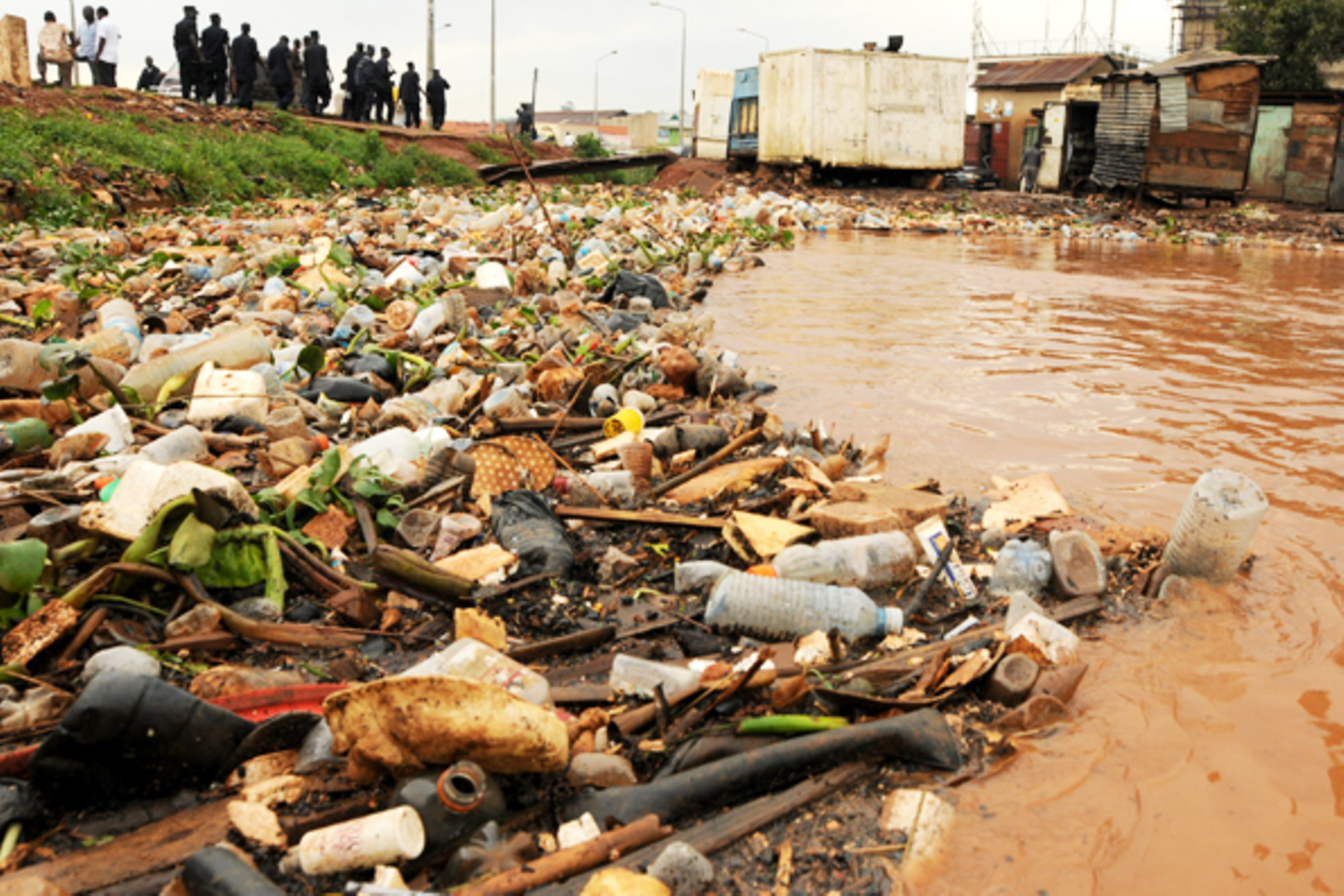
Akankwasa disclosed past attempts to regulate plastic use fell short due to economic and political interests.
“In 2019, NEMA Act in Uganda banned only single use plastics below 30 microns but all of us know that our human eye cannot distinguish between 30 microns and even 100 microns because they look similar,” Akankwasa said.
“To be able to tell that this carrier bag you are carrying is illegal, the law enforcer has to take sample of it to the laboratory first to determine the microns in order to tell the person that he or she is carrying an illegal kavera (polythene bag or plastic bag) or a right one. Practically it doesn’t work,” he elaborated.
The goal, he said, is to remove ambiguity and align Uganda with regional neighbours who have phased out such products.
“This does not mean that Uganda is eliminating all plastics. It is about doing away with bad plastics. So single -use plastics are the bad ones we are targeting,” Akankwasa clarified.
Plastic Ban Said to Secure Future Generations
Globally, over 430 million tonnes of plastics are produced annually, with two-thirds of that made up of single use products. Only 9% of waste is recycled, meaning most of it ends up in landfills, rivers, lakes, and oceans.
Akankwasa regretted that in Uganda, such waste contributes to flooding, soil degradation, water contamination and acts as breeding ground for various disease-carrying pests like mosquitoes among others.
Akankwasa cautioned that without drastic action, Uganda could reach ‘a point of no return’.
Uganda is risking its future where lakes have more plastics than fish, and where soils have more plastics than nutrients plants need. These are some of the reasons for proposing the ban of single -use plastics in Uganda.
Currently, NEMA-Uganda is calling on schools to start discouraging students from taking plastic bags, and urging manufacturers and producers to take more responsibility for post-consumer waste of its products.
As part of Uganda’s commitment to addressing the crisis, the country is set to join over 150 countries to mark World Environment Day on 5th June, hosted this year in Kabale District under the global theme: “United Against Plastic Pollution”.
There are numerous activities planned ahead of the big day such as; nationwide clean up drives, public awareness campaigns, schools’ competitions on waste management, tree planting, exhibitions and recognizing of local environmental champions just to mention a few.
Akankwasa admitted that recycling alone cannot solve the crisis. “If globally less than 10 percent is recycled, what happens to the remaining 90 percent,” he questioned.
He therefore said the government’s broader approach includes stricter enforcement of plastic regulations, investment in recycling infrastructure, promotion of eco-friendly products, and partnership with communities, private companies, and NGOs.
Akankwasa emphasized that if other countries in the region have banned such products, without collapse, Uganda can as well do it.