|
Getting your Trinity Audio player ready...
|
By Kasandra Musyimi
Mombasa, Kenya: The diagnosis of cerebral palsy in Mwanaisha Chiku Mohammed’s child fundamentally altered her life, initiating a challenging period marked by emotional strain, uncertainty, and a struggle to find adequate support for parents of children with disabilities.
Driven by this personal journey, Mwanaisha established the Kurunzi Cerebral Palsy Center. As its Founder and Director, she shared in a recent interview how her own experiences became the foundation for creating a supportive space for other families facing similar circumstances.
“My journey began with my personal experience as a mother raising a child with cerebral palsy,” Mwanaisha said. “When my child was diagnosed, I went through a very difficult period filled with questions, emotional pain, and very little guidance.”
Like many parents, she struggled to access reliable information, therapy services, and emotional support. The lack of accessible care made the experience even more overwhelming.
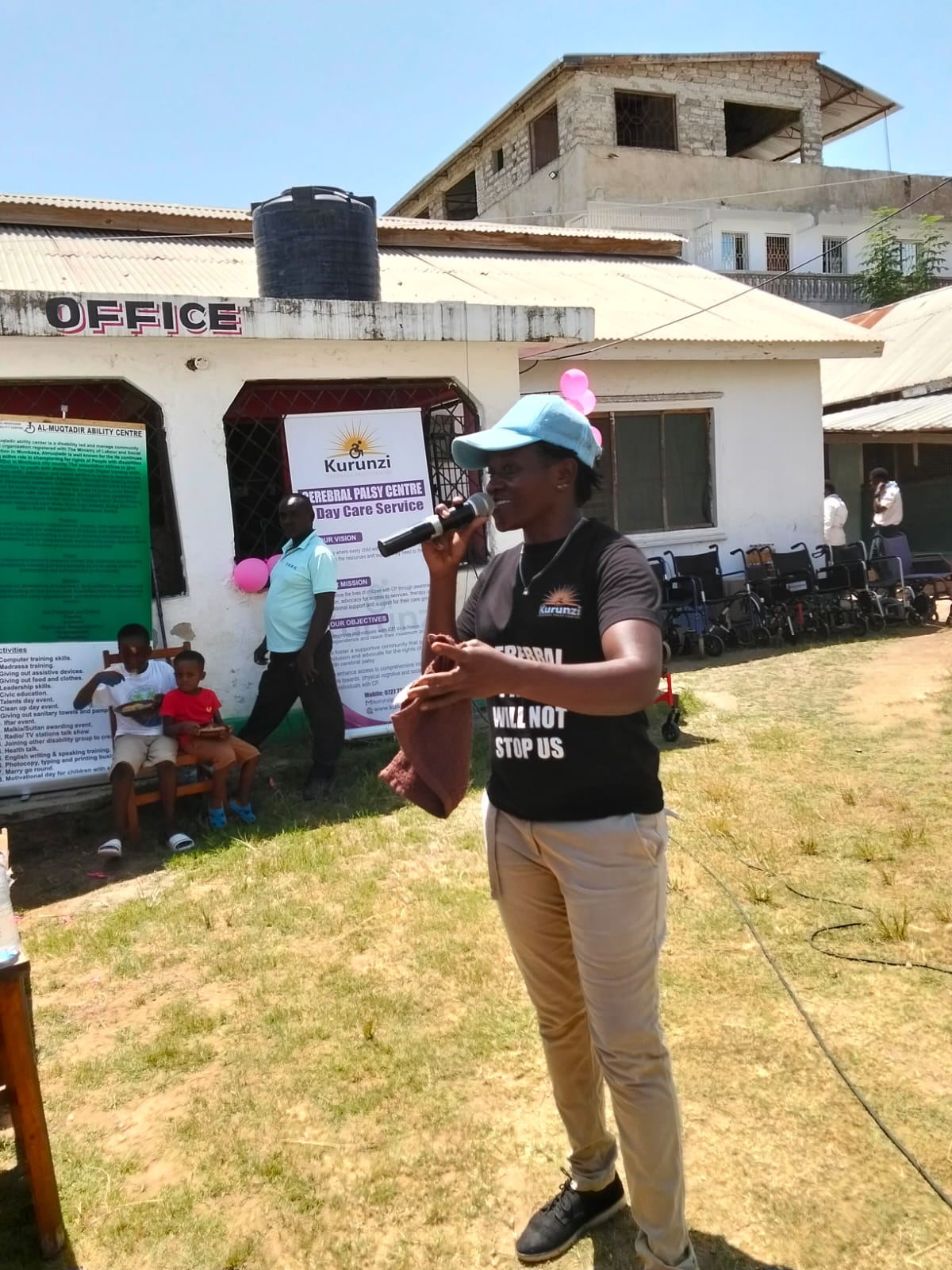
“At times, I felt completely alone,” she recalled. “It was not easy to access therapy or professional support.”
But that painful experience would later inspire a powerful response.
“I realised that if I was struggling this much, many other mothers were probably going through the same challenges without support,” Mwanaisha said. “That is when I decided to turn my pain into purpose.”
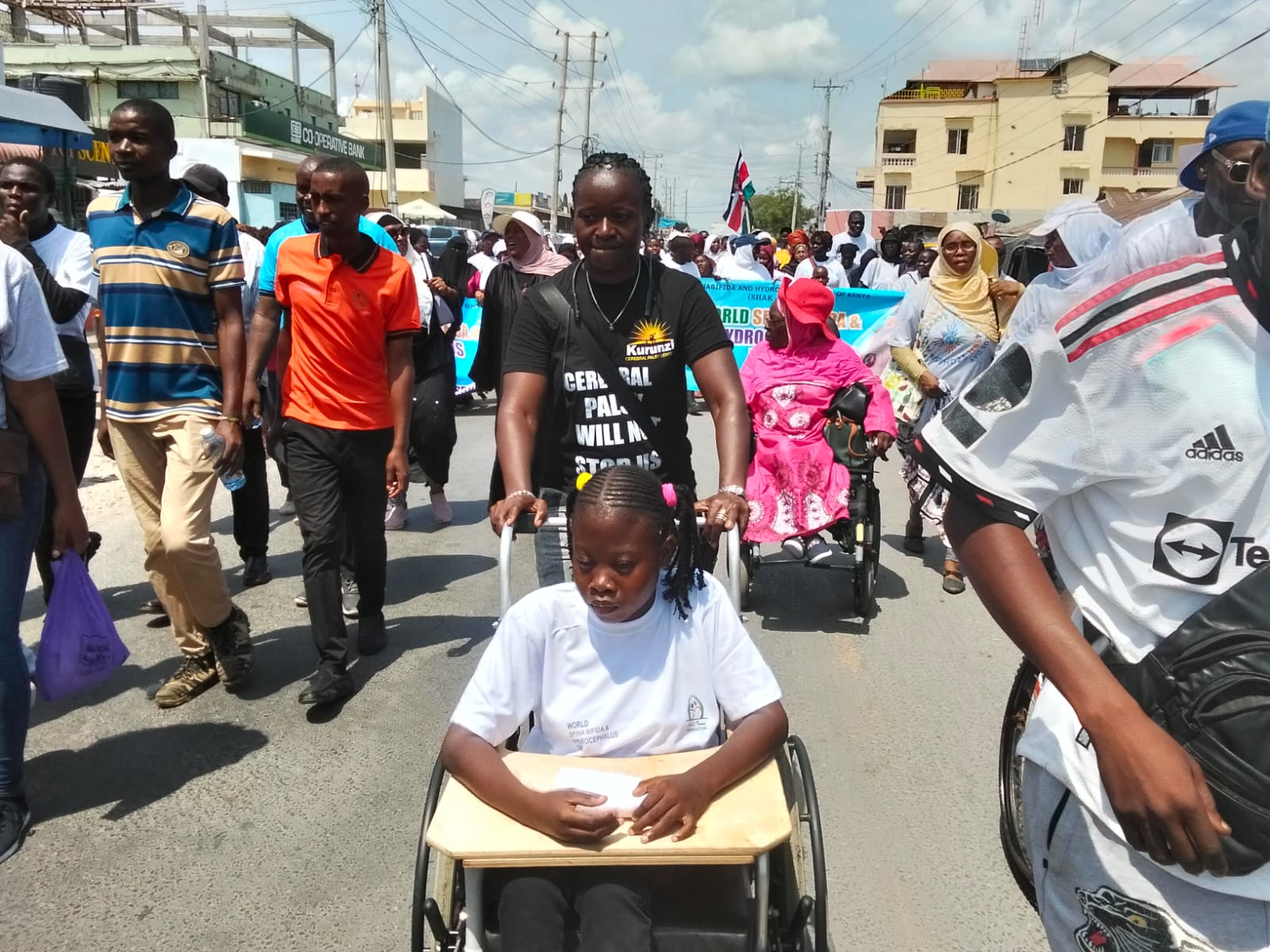
In 2023, she founded Kurunzi Cerebral Palsy Center, a community initiative that offers therapy services, training for parents, and emotional support for families raising children with cerebral palsy.
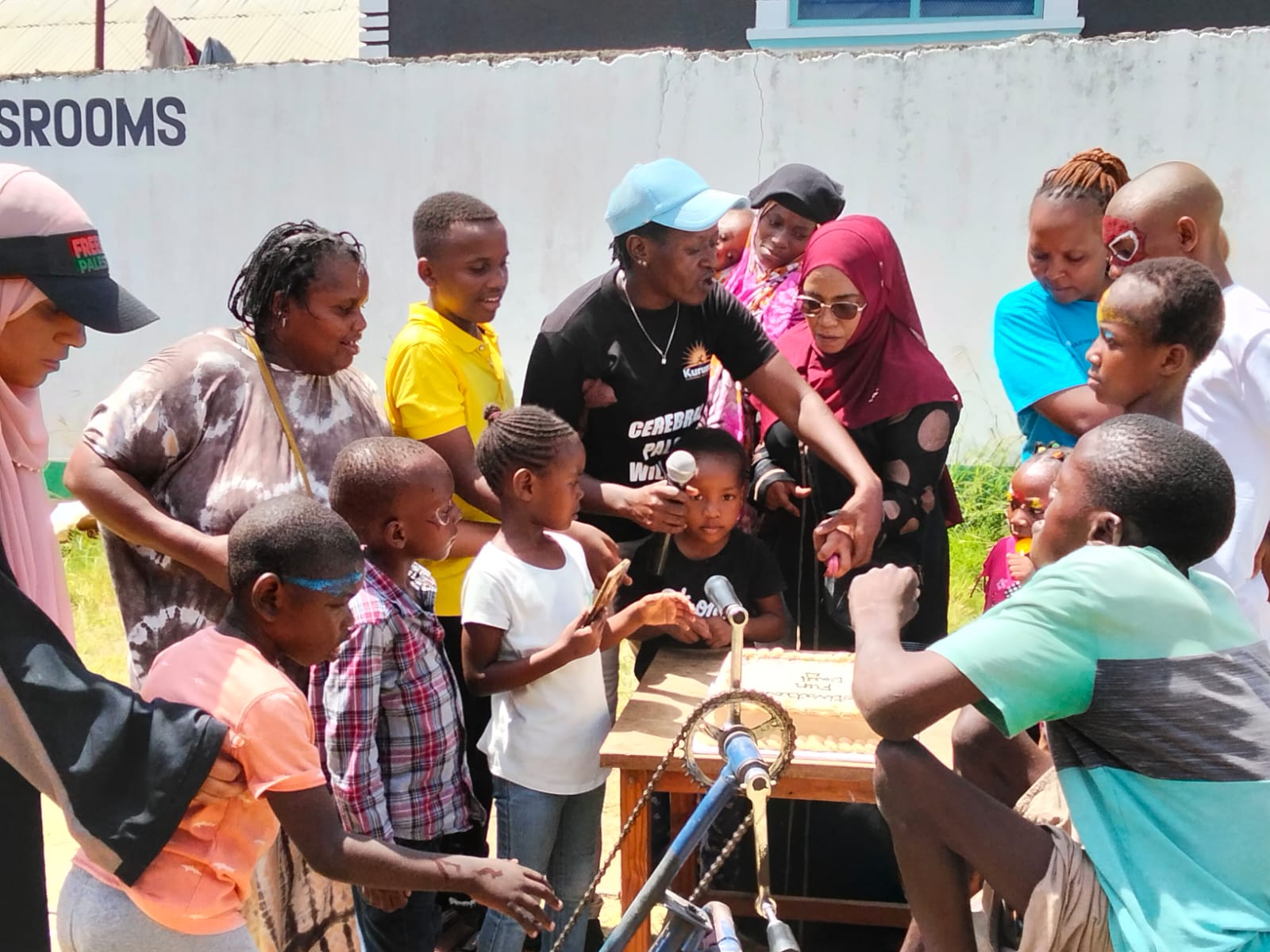
The centre has become a safe space where parents can learn practical therapy exercises, receive guidance from professionals, and connect with other caregivers navigating similar journeys.
“Our goal is to ensure that no parent walks this journey alone,” Mwanaisha said.
Cerebral palsy (CP) is recognized as the most common motor disability in childhood, according to recent data. In Kenya, this condition affects an estimated 3 out of every 100 children, which equates to a national figure of between 60,000 and 150,000 children.
 The condition typically arises from a brain injury sustained during or shortly after birth, or while in the womb. Birth asphyxia is frequently cited as a leading cause in many developing countries.
Beyond the medical challenges, CP profoundly impacts the lives of families, particularly caregivers. Notably, studies indicate that mothers constitute over 90 percent of the caregivers for children with cerebral palsy.
At Kurunzi, this reality is evident.
“Women are truly the pillars of this initiative,” Mwanaisha said. “Most of the children we support are cared for by strong mothers who dedicate their lives to their wellbeing.”
She explained that the centre not only focuses on therapy but also creates a support network where mothers can share experiences, learn from each other, and find encouragement.
“Our work reflects the idea of ‘Give to Gain,’” she said. “Every day we give our time, knowledge, compassion and support to children and their families. In return we gain something even greater—hope, transformation and stronger communities.”
Despite the progress made by organisations like Kurunzi, many families still face major barriers. Limited access to affordable therapy services, specialised equipment and assistive devices remains a significant challenge.
“Many families cannot afford regular therapy sessions or the devices that help children improve mobility and independence,” Mwanaisha said.
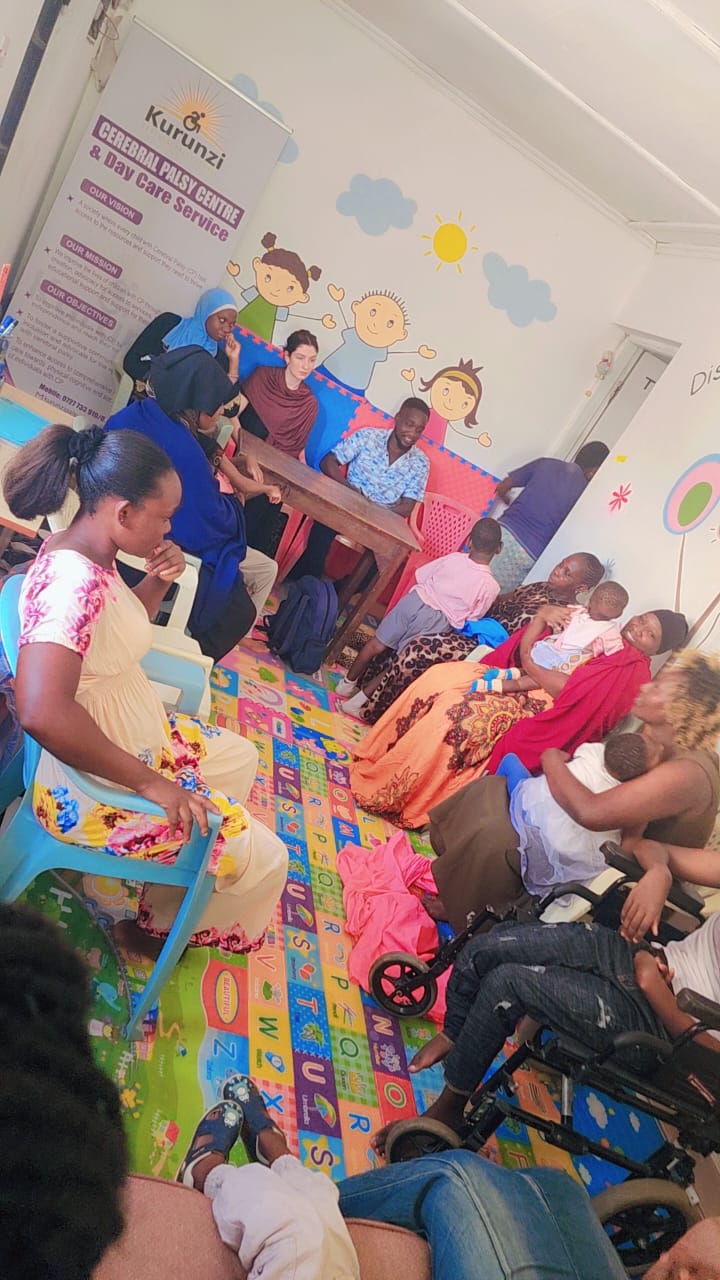 She also pointed out that stigma and lack of awareness about disabilities continue to affect many families.
“Some parents face judgment or misunderstanding in their communities, which discourages them from seeking help,” she said. “Part of our work is to educate communities and break these barriers.”
Patriciah Kimani, known to many as Mama Mwangi, is one of the caregivers who has benefited from the support offered by Kurunzi. She shared her caregiving journey, detailing the profound emotional and physical challenges involved in raising a child with chronic cerebral palsy.
“The journey has not been easy, but by the grace of God we are able to put on a smile,” she said.
Constant attention is required for the care of her child, she explained, making it challenging for her to pursue employment or other income-generating activities.
“The daily challenge is that I cannot go out there and work because my child has chronic CP. You have to do everything for him,” she said. “I am retired and I don’t have the strength to lift him up all the time, yet he is growing.”
Financial constraints also present serious challenges
“Finances are minimal, and things like medical care, diapers and food supplements are a problem,” she added.
Kimani says Kurunzi Cerebral Palsy Center has provided not just therapy support but a sense of belonging for caregivers.
“Kurunzi is a centre where mothers come with their children and feel like they have entered a family home,” she said. “There is a lot of caring and sharing of the experiences we have gone through.”
She noted that caregivers often support one another with whatever little they have.
“Sharing is caring,” she said.
The emotional burden of caregiving can also be heavy, especially in communities where awareness about disabilities remains low.
“Sometimes the community talks a lot because in both my families we have never had such a child,” Kimani said. “But I believe what God gives us is for us to care for, so I am content.”
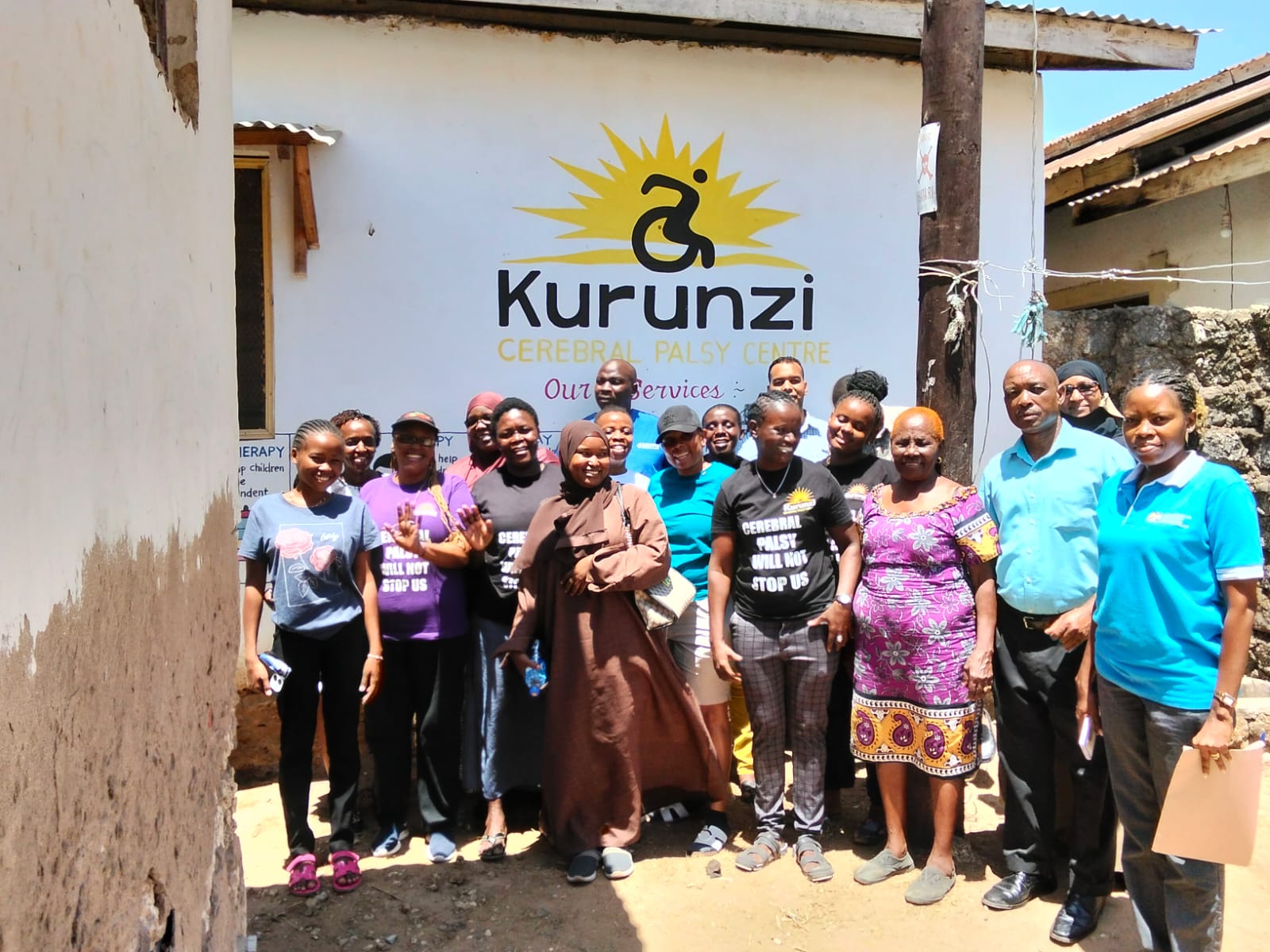 At Kurunzi, the long-term vision is clear: to ensure that children living with cerebral palsy are given dignity, proper care and the opportunity to live fulfilling lives.
“Our vision is to see our children healthy, dignified and fulfilled through proper care, therapy and community support,” Mwanaisha said.
The centre is dedicated to providing therapy services and raising community awareness about cerebral palsy. However, strong partnerships and support are essential for the initiative’s sustainability.
Mwanaisha is appealing to well-wishers, organisations and institutions to support the centre through donations of specialised equipment such as therapy mats, mobility devices and other assistive tools that can help improve the quality of care.
“Support in providing therapy equipment and training programs would allow us to reach more children and families,” she said.
Mwanaisha firmly believes that empowering mothers is fundamental to improving the lives of children with disabilities.
“When mothers gain knowledge, skills and confidence, they become powerful advocates for their children,” she said.
Adding “Every child deserves a chance,and every mother deserves support” she said.