|
Getting your Trinity Audio player ready...
|
By Henry Owino
West Pokot, Kenya: “Prevention is better than cure!” It is the solidarity message voiced by residents of Kacheliba villages in West Pokot County in Northern Kenya as endemic kala-azar disease surges. Despite the life frightening situation posed by leishmaniasis in the semi-arid area, the community still holds firmly to traditional and herbal-medicine for many ailments.
Though a few are getting enlightened with time, many are stuck to the status quo of retrogressive cultural beliefs and traditional treatment. Consequently, this makes the fight against tropical neglected leishmaniasis disease dubbed as kala-azar in the region more problematic.
Financial and Social Impact on Families
In Kodich, Upper Katuperot village, elderly Thomas Lodukamoi, a father to Sharon Chebet, aged 12 learnt harshly through her sick daughter about kala-azar. He had heard of it but not seen a patient suffering from kala-azar.
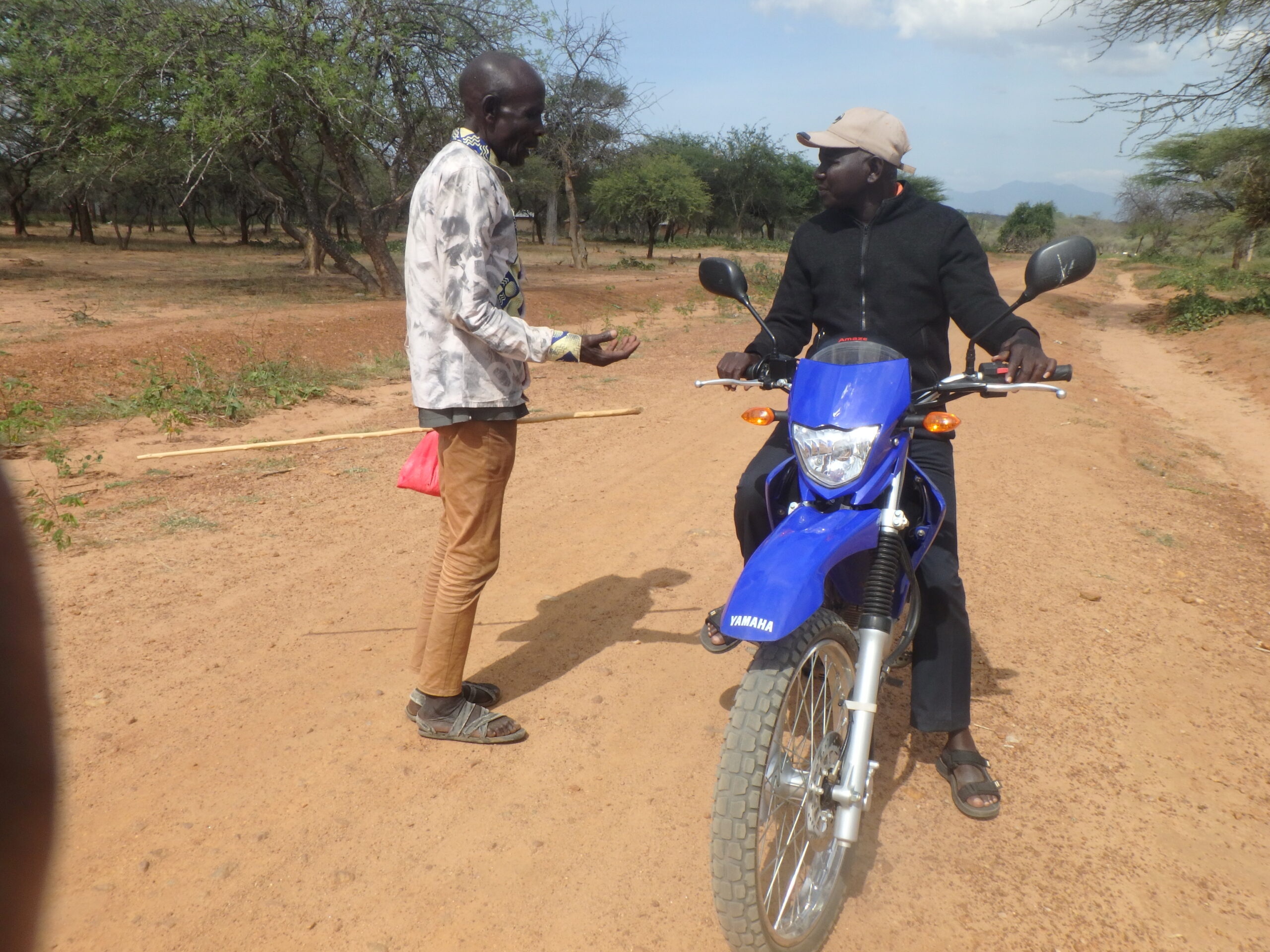
Lodukamoi was too emotional to narrate to Talk Africa’s Science Journalist, the ordeal of kala-azar which infected her daughter about 4 years ago. He recalls vividly in 2020 how neglected kala-azar hit her young girl by then aged 7 while in grade one.
“I don’t have guards to remind me of the dark days in my family. Let me not recount what happened but my eldest daughter, Everline Chemakit is capable of narrating it to you,” Lodukamoi excuses himself.
With the help of Ludukamoi’s wife Monica, the daughter described to the Science Journalist the occurrence of the situation. Indeed, the two had to take deep breaths, gather courage to describe how it began and get to treatment though with breaks in between to gain narration impetus.
So, the eldest daughter, Chemaki, bravely took the floor and narrated the story, which lasted close to two hours.
“It began as malaria with every symptom relating to it. Young Chebet could fall sick in the evening with fever, high body temperature, sweat a lot and lose appetite. Funnily, during the day, she was fine and looked healthy, apart from losing weight due to sickness which persisted for about two weeks,” Chemakit explained.
As usual, like any other community in Africa, people talked of Chebet illness until the parents developed fear of the unknown. Neighbors had views, thoughts, even judgements on the deteriorating health condition of the little girl, giving no hopes of survival.
To make matters worse, Chemakit, eldest sister and caregiver was then at high school in Form Two and was misinformed through a phone call by a neighbor and rushed back home. At home, she found family had spent lots of money treating unknown diseases from local herbalists.
Some of the property sold were goats, chicken and a few valuable items to clear part of herbalist debts. Indeed, it was a somber description leaving one wonder why spending much money on herbalists whose medicines do not cure specific ailments.
“We suddenly became emotionally sick too as a family due to the deteriorating health condition of Chebet, debts incurred with dimming hopes of survival. Family was getting financially drained yet no significant improvements,” Chemakit narrates faintly.
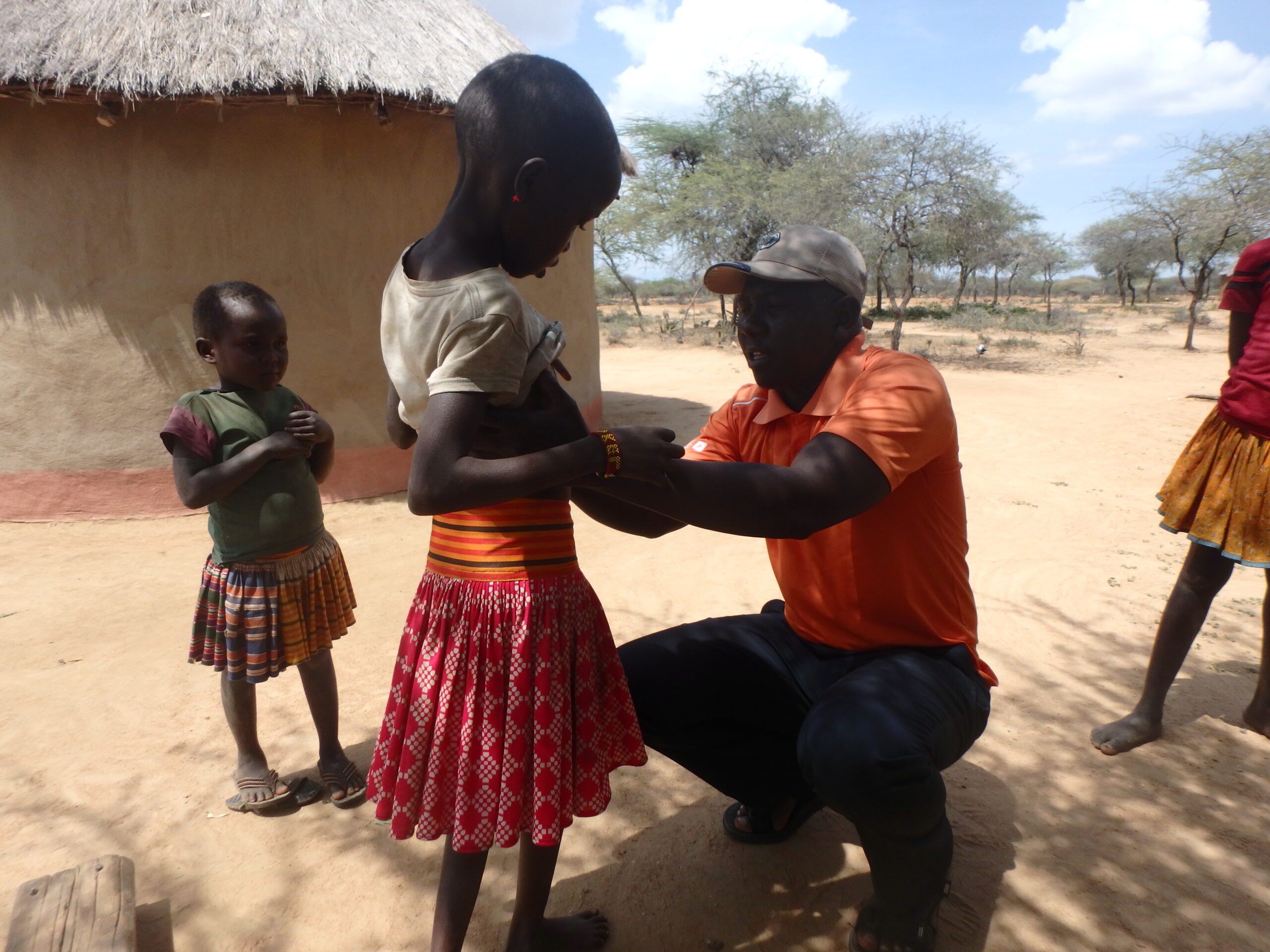
In fact, Chemakit reveals life became unbearable due to community stigmatization until Isaac Nyeris, DNDi Community Mobilizer reached out to the family and advised them to visit Kacheliba Sub-County hospital for diagnosis and possible treatment. The advice was taken positively as any patient diagnosed with kala-azar receives free treatment from the health facility.
Community Sensitization
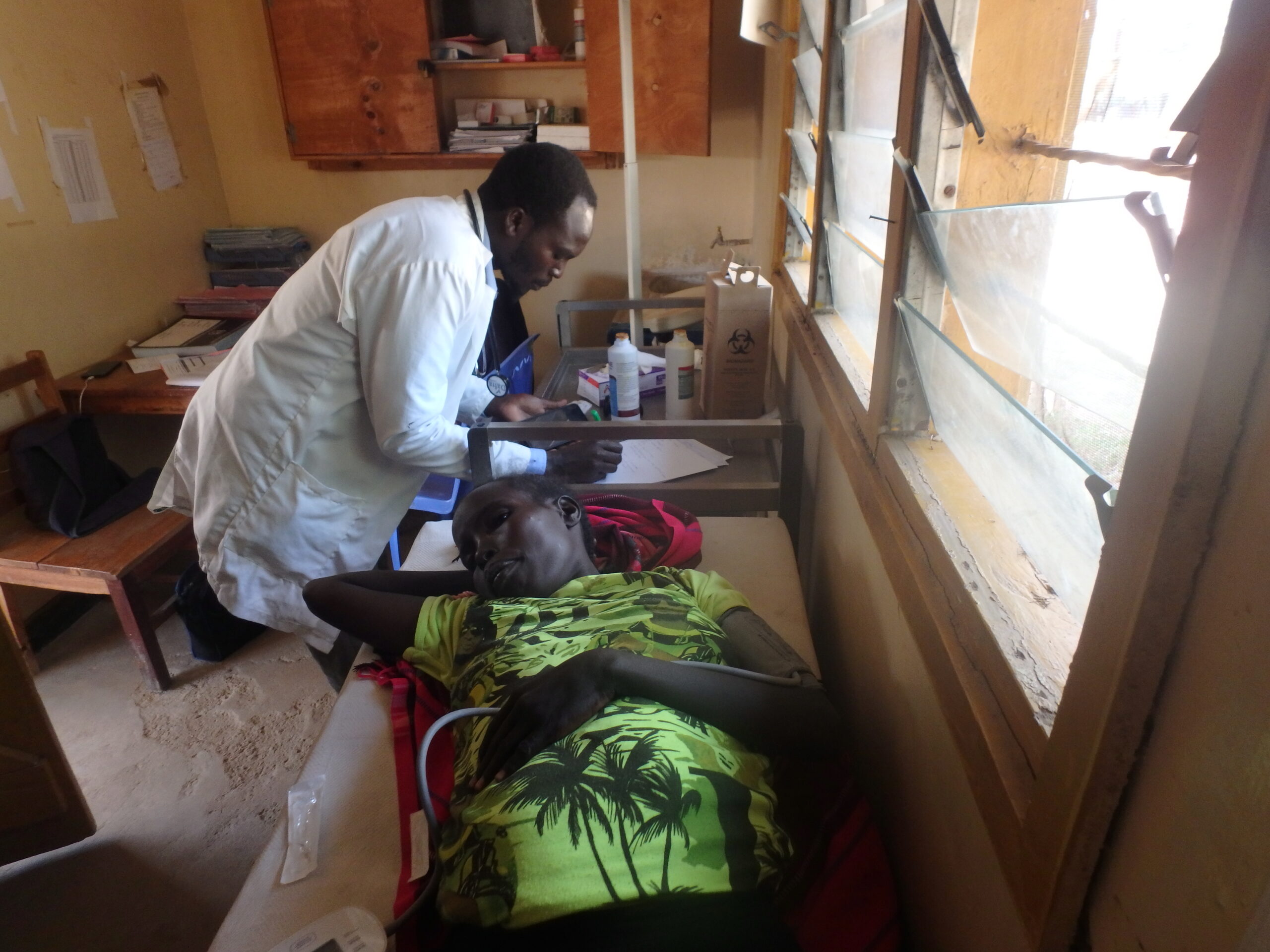
At the hospital, Chebet was diagnosed suffering from Kala-azar and admitted immediately for 3 weeks. She responded well to medication for the first one week and at the end of week three, she was discharged for home-based care.
Until the time of the media interview with the family of Lodukamoi at home, the young girl was very healthy and active. She has since become proof to the community that kala-azar is prevalent in the area and the local health facility has the capacity to manage it.
Clinician Leakey Koringura handling most kala-azar patients noted that herbal remedies and treatments are widely used in traditional medicine systems and Pokot community relies on it. He observed herbs are readily available and considered as natural thereby easy to use.
Koringura recommends for community sensitization on modern medicine especially with kala-azar disease. This is because residents perceive herbs to be safe and healthier than pharmaceutical substances which residents only turn to as a last alternative.
“Other than a one-day event for awareness creation, we seriously need some information, education, and communication (IEC) materials to consistently convey public health information and encourage community on behavioral change. Materials such as flyers, leaflets, brochures, posters, billboards, infographics and murals written in local dialects can effectively educate the community about disease, risks to health and where to get treatment,” Koringura suggests.
Patients Call for Simpler Treatment
A few kilometers away, Yarakwang Lokwakol, aged 30 suffered kala-azar in July 2022 which he claims began as malaria. When it persisted for another three days, he began self-medication using local traditional medicine and herbs.
As days counted into weeks, Lokwakol experienced more symptoms such as fever, joint pains, high body temperature, fatigue, and walking became almost impossible. Dry cough especially throughout the night and chest pain and this prompted him to seek herbalist medication.
“I tried several traditional and herbal medicines but my health condition worsened. So, I suspected it was demonic spirits sent to torment me and my family owing to my wealth of livestock. As a young man and focused in life, witchcraft cannot be dismissed in our community,” Lokwakol alleges.
“In fact, I went to several traditional healers to help negate my bewitchment. I sold some of my cattle to pay for services but at the end of the day, sickness persisted and got worse. It was at this point that I changed my mind for modern medication,” he confesses.
Lokwakol heeded to the advice given by villagers to visit Kacheliba Level Four hospital for proper medical check-up. Upon diagnosis, he was diagnosed with kala-azar and admitted immediately without his prior preparation or notifying family members.
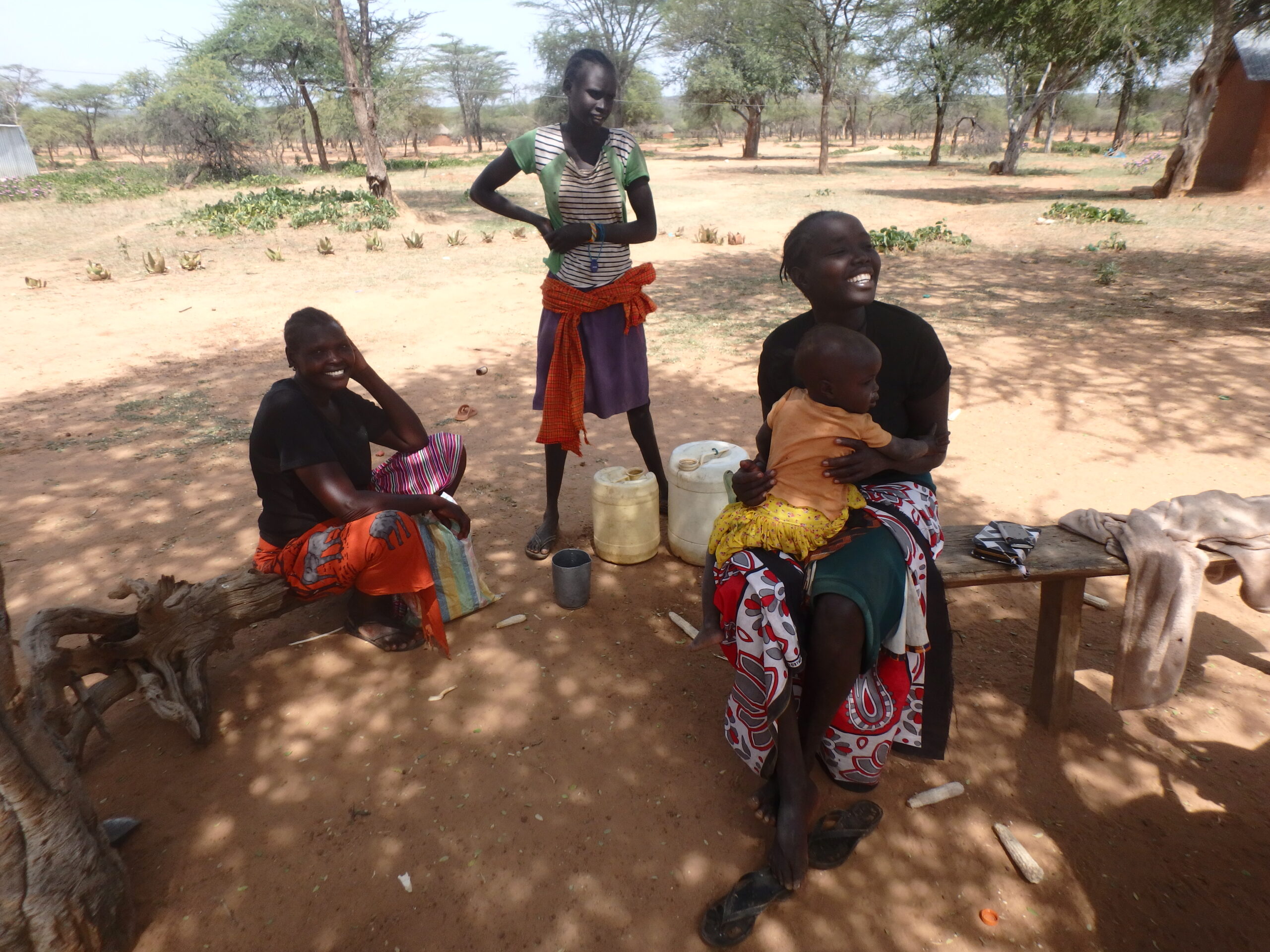
At the health facility, the first 7 days of taking drugs, the cough disappeared including the swollen left side of the body. The daily double 17 injections for about 3 weeks adding up to 34 syringes left Lokwakol writhing in pain on the buttocks. He claims sitting down upright was impossible instead of lying on the sideway even when eating.
“I would like to urge the kala-azar disease researchers to come up with better and simplified medication with minimum injection. Imagine administering 34 injections to a human-being that even our cattle are not inoculated to such extent,” Lokwakol laments.
“The current kala-azar medication is more scary to patients other than treatment benefits. This could be one of the reasons, community prefers traditional healers or herbalists to modern medication.” He emphasizes.
Breeding Grounds for Sandflies
Lokwakol with the Kacheliba community blames acacia trees for the kala-azar health dilemma. Community say acacia trees around homesteads are major breeding ground for insect vectors causing kala-azar. As a survivor of kala-azar, he plans to cut down all acacia in his compound.
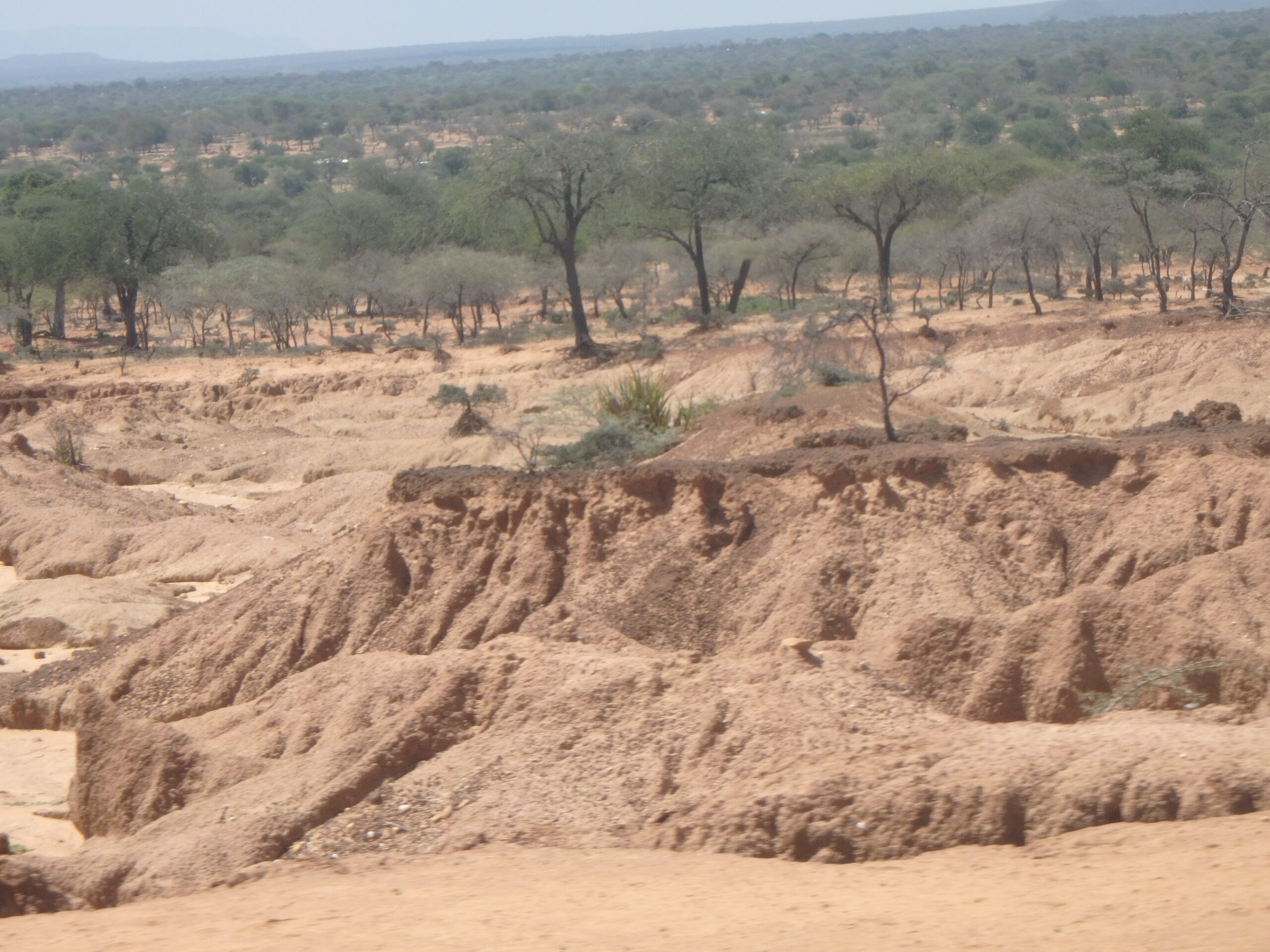
However, the challenge Lokwakol faces is neighbors who are neither willing nor ready to have acacia trees cut as a preventive measure against sandflies. Pastoralists community value acacia trees which provide feedstuff to goats in the semi-arid region.
The residents also burn charcoal from acacia trees for sale, apart from it providing cool shade from the scorching sun. Acacia trees can withstand the harsh climatic condition by replenishing the atmosphere with oxygen in semi-arid, several health benefits, and the community also considers acacia trees as spiritual connectors to the dead realm just to mention but a few.
On the other hand, Celina Cheposera’s son suffered from kala-azar while grazing cattle in a neighboring country and was treated at Amudat hospital, in Karamoja, Northern Uganda. She blames ant-hills around her dwelling place in Cheposepoi village, Swam Ward, as breeding grounds for sandflies.
Cheposera admits to having been cautioned by friends to get rid of ant-hills, especially dormant ones inhibited by sandflies responsible for kala-azar disease but overlooked. It was until her son Kuku Toungole aged 11, suffered severely until transferred to Uganda for blood transfusion.
“My son has suffered twice for kala-azar. First time he was treated at Amudat in Uganda and the second time at Kacheliba Level Four hospital here in Kenya. I am not sure of third and subsequent attacks, so I have become extra watchful and intend to uproot ant-hills next to my home as preventive and safety measures,” Cheposera reveals.
“For me, prevention is better than cure. Some neighbors are against my plan of uprooting the ant-hills because they benefit immensely from harvesting white-ants as food during rainy seasons. Others discourage me claiming it is against Pokot culture and traditions to interfere or destroy homegrown sources of food to the community. Anyway, the decision is mine,” she ponders considerately.
Understanding it’s Not Witchcraft
According to Nyeris, Community Health Coordinator deployed by Drugs for Neglected Disease initiative (DNDi) organization in West Pokot and Pokot South, the intervention to sensitize communities on modern treatment has made great impacts. At least the community understands that there is a tropical neglected disease known as Termes (local dialect for kala-azar) caused by sandfly bite.
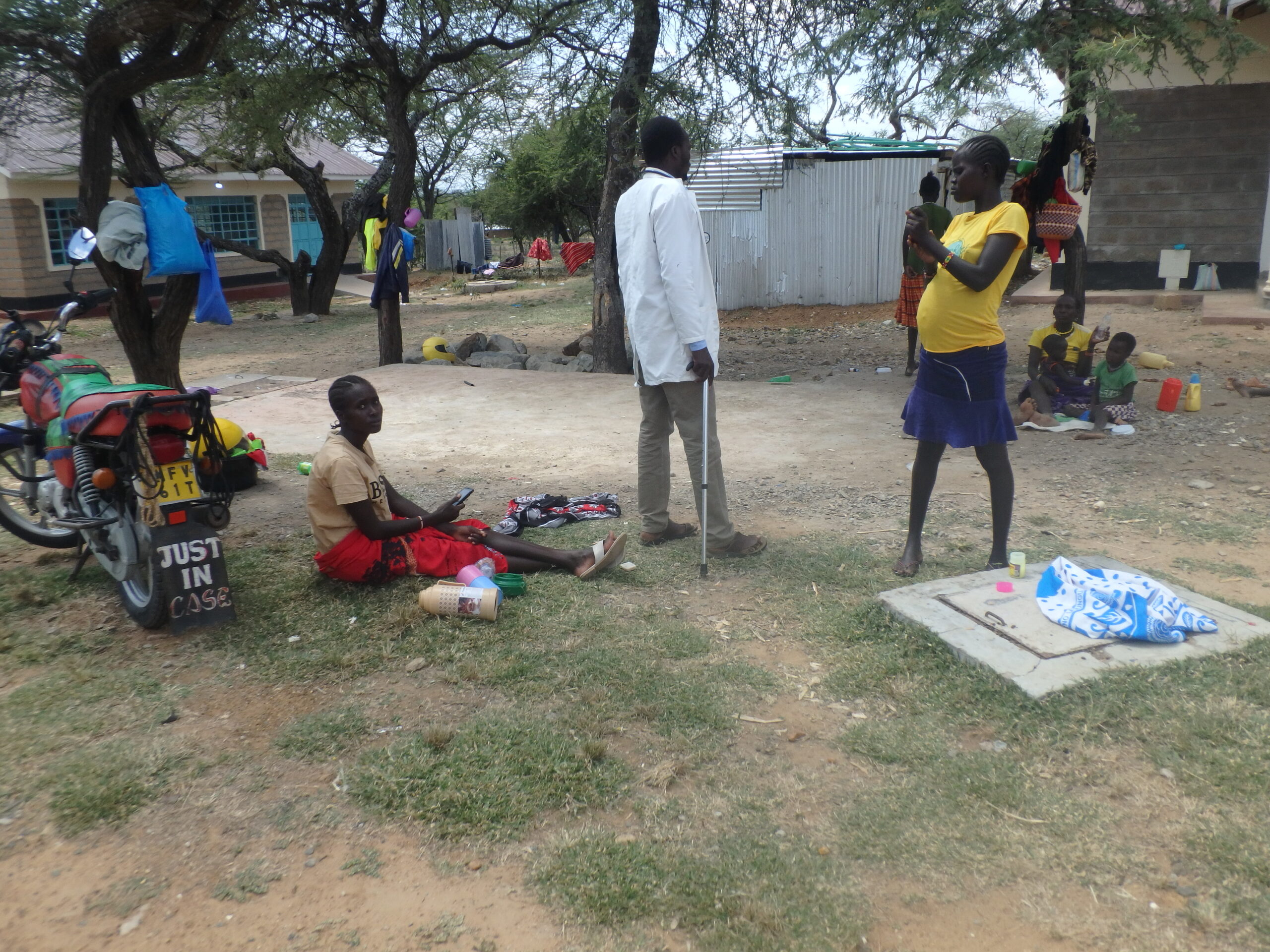
A few years ago, residents believed kala-azar disease was a witchcraft or demonic spirits invasion and so, residents spent much money and time on witch doctors or magicians to heal the sick. However, through community sensitization, many are enlightened and nowadays seek modern treatment.
Kala-azar being a chronic public health problem in West Pokot County, its diagnosis, treatment, and food are catered for at Kacheliba Level Four hospital to all patients regardless of one’s ethnicity or country of origin. Thanks to the international partners; (DNDi) who have ensured the health facility is well equipped with essential medical equipment and drugs.
“The hospital partnership with DNDi has helped change the situation to a better one. Residents have today known symptoms of kala-azar, and treatment procedure at Kacheliba Level Four hospital unlike relying on traditional healers,” Nyeris affirms.
Initially, almost all residents were brainwashed to believe kala-azar was a clannism sorcery. Consequently, many relied on traditional herbalists and magicians for healing. Currently, the West Pokot community is aware of endemic disease, its causes, prevention, and need for urgent treatment.
Nyeris regrets that the Pokot community are pastoralists who move livestock from one place to another and spend several days and nights outside where they get bitten by insect vectors. The livestock dung also attracts sand flies making it suitable breeding ground.
“Before the community came to realize kala-azar is a neglected disease, we lost many lives. So, community campaigns, public events sensitizes on early detection, timely treatment at the hospital have reduced mortality rates and sleeping under treated bed-nets to avoid sandflies bites,” Nyeris emphasizes.
Local Administration Position
Shaban Akida, Chief, Swam location, says the government is against deforestation, so fumigating the breeding grounds in Kacheliba sub-county where kala-azar disease is prevalent. He reveals local administration used to sprinkle pesticides and it cost the government between Ksh 30,000 -40,000 per day which was unsustainable.
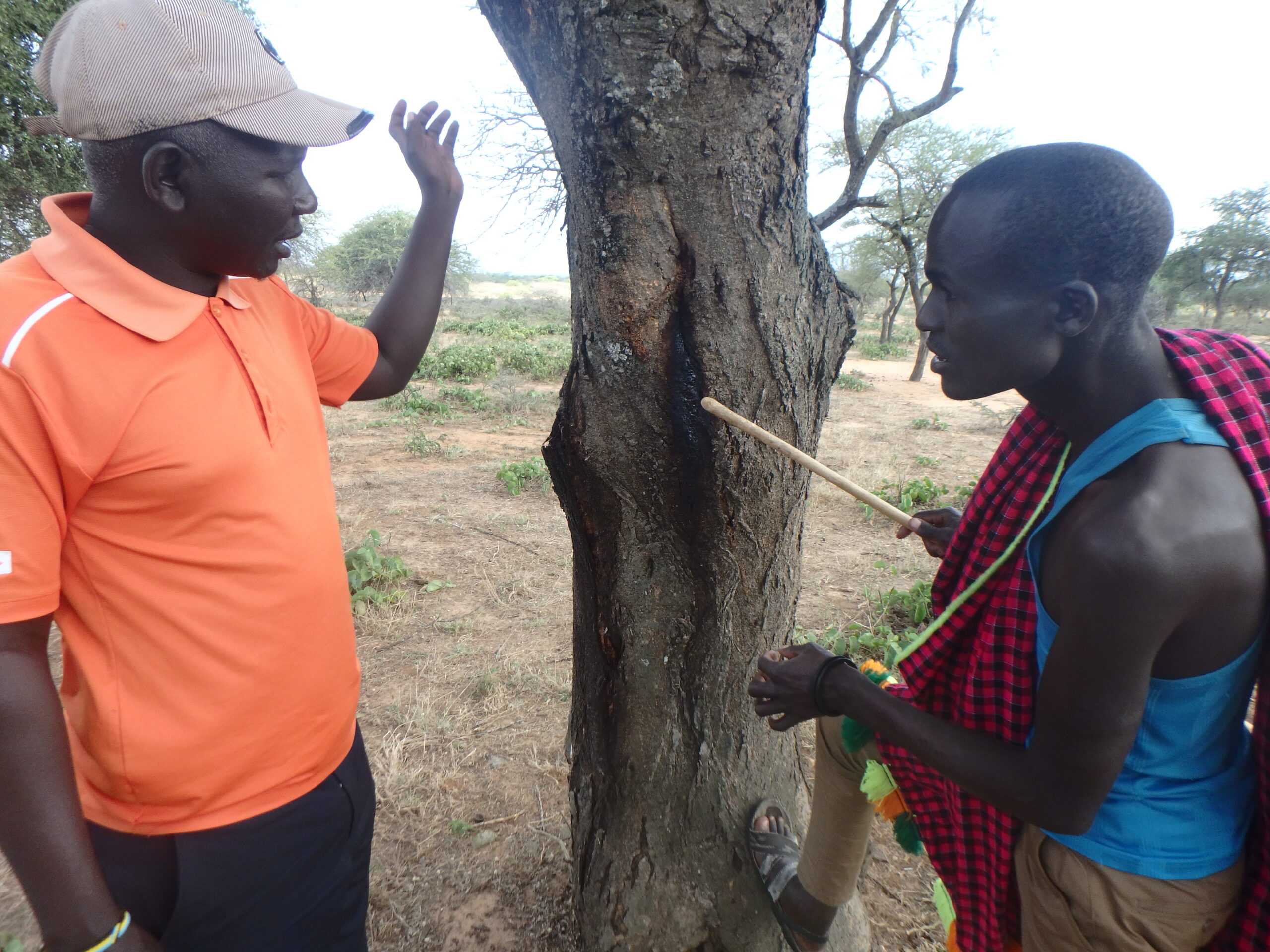
Akida recalls Medicines San Francisco (MSF), an international, independent organization used to spray trees and ant-hills for a certain period before contract ended. Kemri also chipped-in as a government agency but for a short time. It is long since the two organizations’ contracts ended and left the community without a way forward.
“I remember the days when the government and the two agencies used to fumigate the breeding grounds, cases of kala-azar were minimal. Nowadays in almost every home, somebody is struggling with kala-azar infections due to infestation of sandflies,” Chief Akida regrets.
The Chief however recognizes the presence of the DNDi team in Kacheliba sub-county for partnership resulting in perfect work done at Kacheliba hospital against neglected kala-azar disease. He admits the international organization has enabled the health facility to manage tropical neglected disease with ease and prominence.
He encourages DNDi to continue with support of good healthcare services provision to Pokot community because many lives have been saved courtesy of its funding. “If only DNDi can revive fumigating sandflies breeding ground, then it is possible to defeat leishmaniasis disease by 2030,” Chief Akida affirms.
“So, as a government, we discourage any cutting of acacia trees because of climate change, especially in semi-arid areas like this. Acacia trees are indigenous and a major vegetation cover of the area with plateful undisputed benefits compared to risks,” he asserts.