


|
Getting your Trinity Audio player ready...
|
By Gitonga Njeru
Nairobi, Kenya: In the heart of Athi River in Machakos County, Kenya, eight-year-old Anne Kuria’s life is a constant battle to breathe. Once vibrant and energetic, she is now weakened by respiratory illness. Her mother, Mary Wanjiku, spends countless nights at her daughter’s bedside in Kenyatta National Hospital (KNH), exhausted from months of sleepless nights and mounting medical bills. “Every breath Anne takes is a struggle. The doctors say it’s the air she breathes, filled with dust from the factories and quarries around us,” Wanjiku says, holding back tears.
In the shadow of Kenya’s industrialisation drive, Anne’s story is becoming common. Mining, cement, and construction companies – many of them Chinese – have expanded rapidly across Kenya, fueling economic growth, but also unleashing a public-health crisis, particularly among children.
“The science is clear: prolonged exposure to particulate matter like PM2.5 and PM10 is directly linked to chronic respiratory illnesses, especially in children. What we are witnessing in Athi River is a preventable public health crisis,” says Professor Elijah Martim Songok, the director-general of the Kenya Medical Research Institute (KEMRI).
Songkok says that by the time children arrive at referral hospitals with advanced respiratory symptoms, the damage is often already done. “We must strengthen community-level detection and invest in prevention, not just cure.”
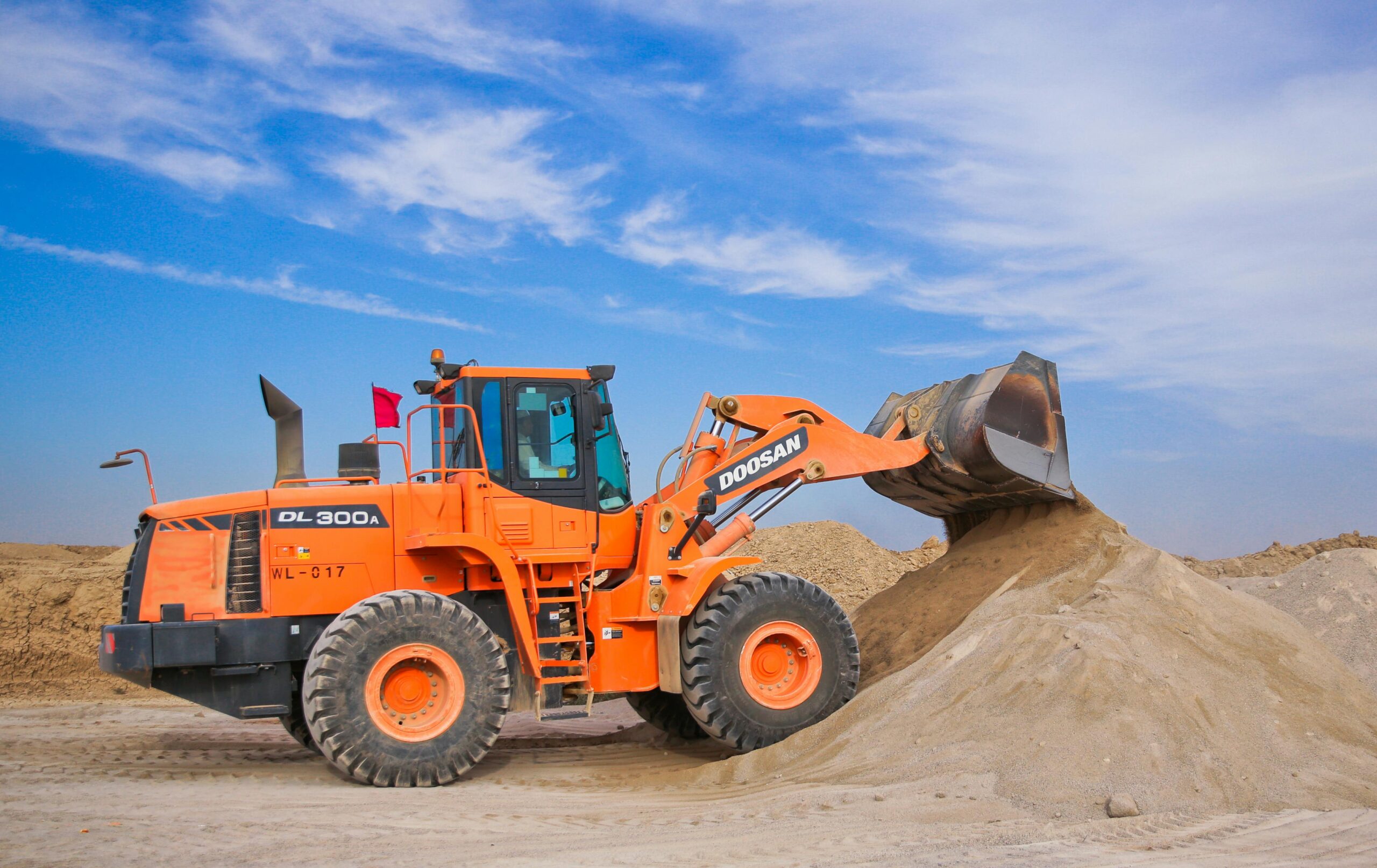
Rezwen/ Pexels photo.
Athi River: Ground zero
Athi River is one of the worst-hit areas in the country. According to a 2024 Earth
Journalism investigation, the town is home to about 400 industrial operations. Some 40
Of these are companies focused on heavy manufacturing, eight of which manufacture
cement.
A 2022 study titled ‘Cement Dust Spread as Influenced by Wind and Its Impacts on
Settlement Patterns and the Biophysical Environment, published in the East African
Journal of Environment and Natural Resources, analysed data from an unnamed 250-AA
bed hospital in Athi River and concluded that the most common dust pollution illnesses
are skin infections, eye infections, and other respiratory complications.
“We are seeing an alarming rise in respiratory cases from areas like Athi River,” says Dr
Evan Abwao, a pediatric pulmonologist in Nairobi. “Children are especially vulnerable because their lungs are still developing. A combination of dust, industrial emissions, and poor air quality creates a perfect storm for serious health complications.”
Among the most common illnesses reported in these areas are asthma, bronchitis,
pneumonia, upper- and lower-respiratory tract infections, chronic obstructive pulmonary
disease-like symptoms and, in long-term cases, even silicosis – an incurable lung
Disease is often associated with mining.
What the science says
According to World Health Organisation (WHO) guidelines, a safe level of PM2.5 is an
average exposure of 15 micrograms per cubic meter of air per day. PM refers to
particulate matter, or in lay terms, air pollution – tiny particles that penetrate deep into
the lungs. However, a 2023 environmental assessment studying Athi River found that
concentrations of PM10 and PM2.5 routinely exceed both Kenyan and WHO safe levels
for air quality.
Air quality sensors in Sabaki, Athi River, consistently show PM2.5 levels exceeding
WHO limits. Data for the majority of days in December 2023 and January 2024 were above
the 15 micrograms per cubic meter threshold, according to the Clean Air (Africa) project,
which focuses on air-quality-monitoring research. Industrial activity, vehicle emissions,
and quarrying are suspected contributors.
“The persistent high PM2.5 levels in areas like Sabaki present a serious public health
crisis,” says Dr James Mwitari, director of KEMRI’s Air Pollution Centre of Excellence.
“Data from projects like Clean Air (Africa) underscore the urgent need for stronger
enforcement of environmental regulations and targeted interventions to reduce pollution
exposure and save lives.”
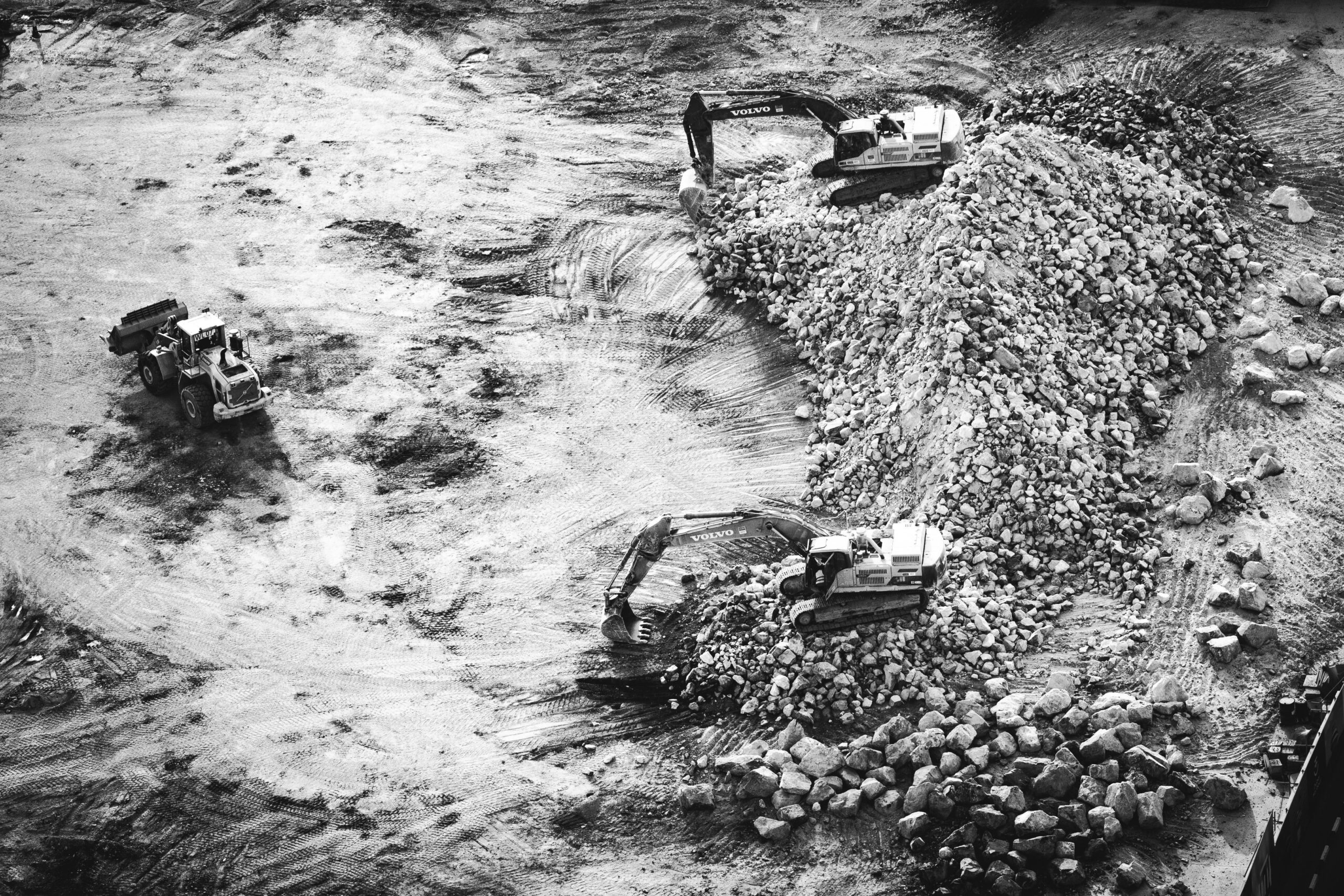
Picture courtesy of Pexels.Communities fight back
China Wu Yi (Kenya) is a company in Athi River that produces precast cement. It is
currently being sued by residents of Athi River, backed by environmental advocacy
groups, with medical practitioners providing expert evidence. The plaintiffs are
demanding compensation, accountability, and the restoration of their rights. Child
plaintiffs form a distinct class within the lawsuit, given that their health is most at risk
because their lungs are still developing.
The court papers, filed at the High Court of Kenya, reference the statistically significant
elevation of PM2.5 and PM10 in Athi River, before detailing how this is tied back to
China Yu (Kenya)’s operations.
“This deposition of harmful airborne pollutants, directly attributable to the respondent's mining and processing activities, as evidenced by wind direction analysis and material Composition testing outlined in this report, has created a demonstrably hazardous environment for the residents of Athi River.”
The papers go on to state: “The direct consequence of this environmental negligence is
The documented surge in pediatric respiratory illnesses, including but not limited to,
asthma, bronchitis, and pneumonia, within the affected communities of Athi River, as
corroborated by medical records submitted.”
The court papers also call into question China Yu’s claims of adhering to ‘best
practices, stating that it is ‘unequivocally contradicted by the empirical data’ presented
on the plaintiffs’ behalf.
The court case is ongoing.
The families left behind
Douglas Musau, a father of three, knows the toll firsthand.
“My six-year-old son was healthy and full of life. Now he battles asthma so severe that
he can barely play outside.
The doctors link it directly to the dust from the nearby quarries.” In Kyang’ombe Primary
School, just 3km from a major cement factory, teachers report increasing absenteeism.
“Many pupils are missing classes due to respiratory illnesses,” says Margaret Wanjiru, a
schoolteacher.
“Their performance is dropping, and some even drop out altogether because their
families can’t afford constant hospital visits.”
Another parent, Josephine Njeri, has two children with persistent bronchitis. “We don’t
know what else to do. We can’t move. This is where we live, but the dust is everywhere,
even inside the house,” she says.
Government response
Cabinet secretary for mining, Hassan Joho, acknowledged the crisis. “We recognise the
environmental challenges posed by mining activities, and are working closely with
stakeholders to ensure that operations adhere to the highest environmental standards
to safeguard the health of our communities,” he said.
Pressed further, Joho admitted: “Enforcement has lagged behind, especially in rapidly
industrialising zones like Athi River. We have instructed the National Environmental
Management Authority to conduct surprise inspections and publish compliance reports
quarterly.”
Joho also pledged a new government initiative focused on air quality. “In the coming
months, we will launch a national air-quality-improvement programme targeting major
industrial towns, beginning with Athi River.
“This will include the installation of real-time air-quality monitors, mandatory dust-
suppression systems for quarries and cement factories, and the establishment of a buffer
zones between residential areas and mining operations.”
Joho confirmed that the guidelines for the new initiative will be in place by 1 December
2025.
However, activists and health professionals argue that enforcement remains weak, with
WHO and Kenya’s own air-quality regulations are frequently flouted. Penalties for polluting
companies are minimal, with fines of up to 500,000 Kenyan shillings (about $3,860) or
jail terms not exceeding six months. A climate-change activist, Mithika Mwenda, secretary-general of the Pan-African Climate Justice Alliance, calls for stricter punishments and harsher punishments, including lengthy prison sentences and the revocation of operating licences.
“These companies operate with utmost impunity. Fines of $5,000 or less are not
prohibitive, and the same goes for prison terms of six months,” Mwenda says. “We need
action to save lives.”
Pediatric pulmonologist Abwao warns that, without immediate interventions, Kenya
could face a generational health disaster. “Air pollution now rivals infectious diseases as
a leading cause of child mortality and morbidity. Unless we act now, we will pay an even
greater price down the line.”
The road ahead
Environmental experts are calling for the following programmes to be implemented:
strict enforcement of air-quality regulations; mandatory installation of dust-suppression
technologies; creation of community-based respiratory health centres; and continuous
air-quality monitoring and public reporting.
“The future health of children like Anne Kuria hinges on the actions taken today,” says Abwao. “Progress cannot come at the cost of the nation’s most vulnerable people.” As Kenya races towards its Vision 2030 industrialisation goals, Athi River’s story stands As a sobering warning: the real wealth of a nation lies not just in minerals or cement, but in the health and future of its children.
The publication of this story was made possible by a grant from the Africa China Reporting Project (Witwatersrand University).













[…] Kenyan journalist Charles Gitonga Njeru. First published in TalkAfrica and Africa […]
Comments are closed.