|
Getting your Trinity Audio player ready...
|
By Aggrey Omboki
Nairobi, Kenya: A transformative wave of medical progress is sweeping through the rural homesteads of Kenya and Uganda. Backed by the quiet hum of a smartphone app and the empowerment of patients, this wave is driving the fight to reduce HIV transmission in the region radically. Scientists at the 2026 Conference on Retroviruses and Opportunistic Infections (CROI) have unveiled the results of the SEARCH Community Precision Health study. This strategy achieved a staggering 70% reduction in new HIV transmissions across its target regions.
The findings represent a watershed moment for global health. The SEARCH study followed a massive cohort of 42,366 participants in a control arm and 42,234 participants in an intervention arm over a two-year period. More than half of the participants were female—57% in the control arm and 55% in the intervention arm. The median age was 31. Just over half were married. In the control arm, 31% were never married compared to 35% in the intervention arm.
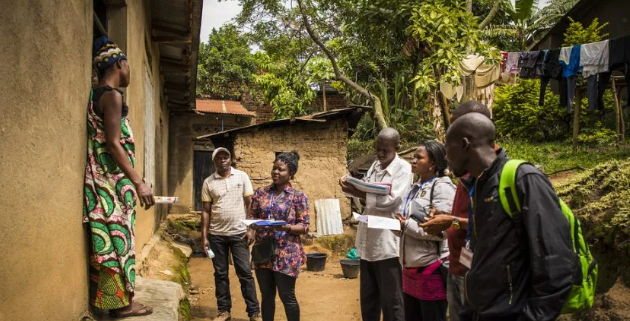
The study randomised 16 communities to either standard care or an enhanced intervention. The control arm continued quarterly home visits by a community health worker. This included clinic-based HIV testing, PrEP, and HIV treatment. The enhanced “Community Precision Health” intervention was much more proactive. It consisted of quarterly home visits and home-based HIV testing plus clinic referrals for HIV prevention and treatment.
Education played a major role in the enhanced arm. All participants received HIV education to help them assess their own prevention needs. If they anticipated the potential for HIV exposure in the near future, they received a clinic referral. HIV-negative participants referred to a clinic were offered “dynamic choice prevention.” This model allows users to switch between different options according to their specific needs at any given time.
Technology served as the bridge between the home and the clinic. Community health workers in the intervention arm used an app called the Community Health Toolkit. They used it to record the number of visits and household members. They also tracked HIV test results and made referrals to a clinic. Clinic providers used the app to flag up when participants did not attend a clinic appointment. This allowed a community health worker to follow up at the home.
More than 95% of community health workers reported that the app was easy to use. No providers reported difficulty in communicating with workers through the platform or co-ordinating home deliveries. This digital “Circle of Care” ensured that no patient fell through the cracks. Ninety per cent of participants were satisfied with confidentiality and the support they received for prevention product delivery.
The primary study outcome was the reduction in HIV incidence. Researchers assessed this using a LAg avidity recency assay. This tool detects HIV infection within the past four to five months. HIV status was ascertained in 95% of participants in the control arm and 96% in the intervention arm. Testing for recent HIV acquisition was carried out for 99.9% of participants.
The data tells a significant story of success. At the end of year two, HIV incidence was 70% lower in the intervention arm than the control arm. Only 0.06% acquired HIV in the intervention group compared to 0.19% in the control group. There were seven recent HIV infections in the intervention arm and 22 in the control arm. Subgroup analysis by country, age, and sex showed incidence was significantly lower in the intervention arm for almost all variables.
The only exception was male sex. HIV incidence among men was already substantially lower than among women in both groups. This resulted in no statistically significant difference between arms for men. Among people living with HIV, there were no significant differences in viral suppression. A similar proportion of those living with HIV had viral loads suppressed below 400 copies. This rate was 81% in control communities and 82% in intervention communities.
Choice was the engine of this success. Dynamic choice prevention offered a range of options. These included oral PrEP, the dapivirine ring, or PEP in Pocket—which is PEP supplied in case of future need. All were available through the public health system. Participants could move between these options depending on their circumstances. A secondary analysis showed that four times as many participants used a biomedical prevention product in the intervention arm (1.67% vs 0.41%).
Presenting the results, Professor Gabriel Chamie of the University of California, San Francisco, spoke about the impact. He said that “increased HIV prevention coverage was a primary driver of the reduced HIV incidence.” The study design “overcame multiple barriers to the provision of PrEP and PEP in rural areas.” It used community assessment to develop awareness and community health workers to deliver supplies.
Asked whether the intervention was scalable, Chamie explained that the model was designed in consultation with national ministries of health in Kenya and Uganda. It leverages existing resources, including clinics and community health workers. The study took place in rural areas where the rate of viral suppression was already high. Chamie noted that “it’s uncertain what impact the intervention would have in urban areas.”