|
Getting your Trinity Audio player ready...
|
By Kunaza Zema
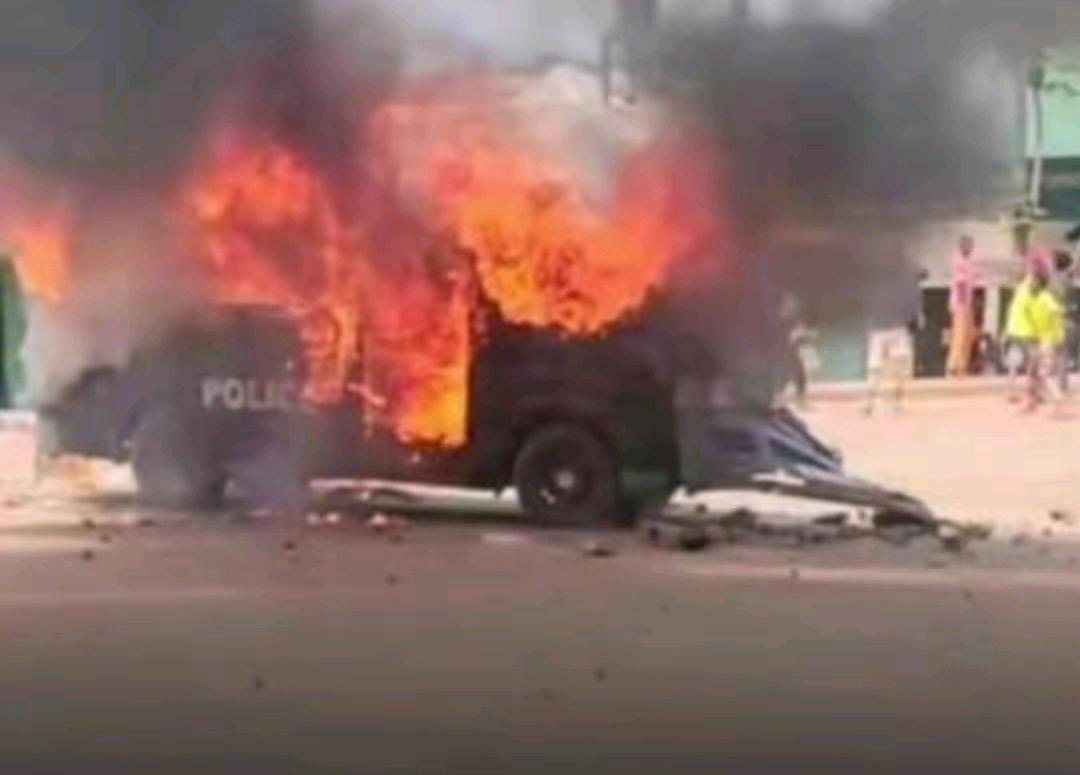
Dar es Salaam, Tanzania: Tanzanian police imposed a 6 p.m. curfew in the commercial capital, Dar es Salaam, late Wednesday after protests erupted across several neighborhoods on Election Day, further escalating tensions in a presidential vote already marred by the detention of key opposition leaders and widespread controversy over candidate disqualification.
Small groups of protesters, some on motorbikes, clashed with security forces in areas like Manzese and Ubungo. Witnesses reported blocked roads and small fires as activists, many organized via social media, took to the streets to demonstrate against what they called a fundamentally flawed electoral process. Human rights groups reported that at least one civilian and one police officer died in the clashes, urging authorities to exercise maximum restraint.
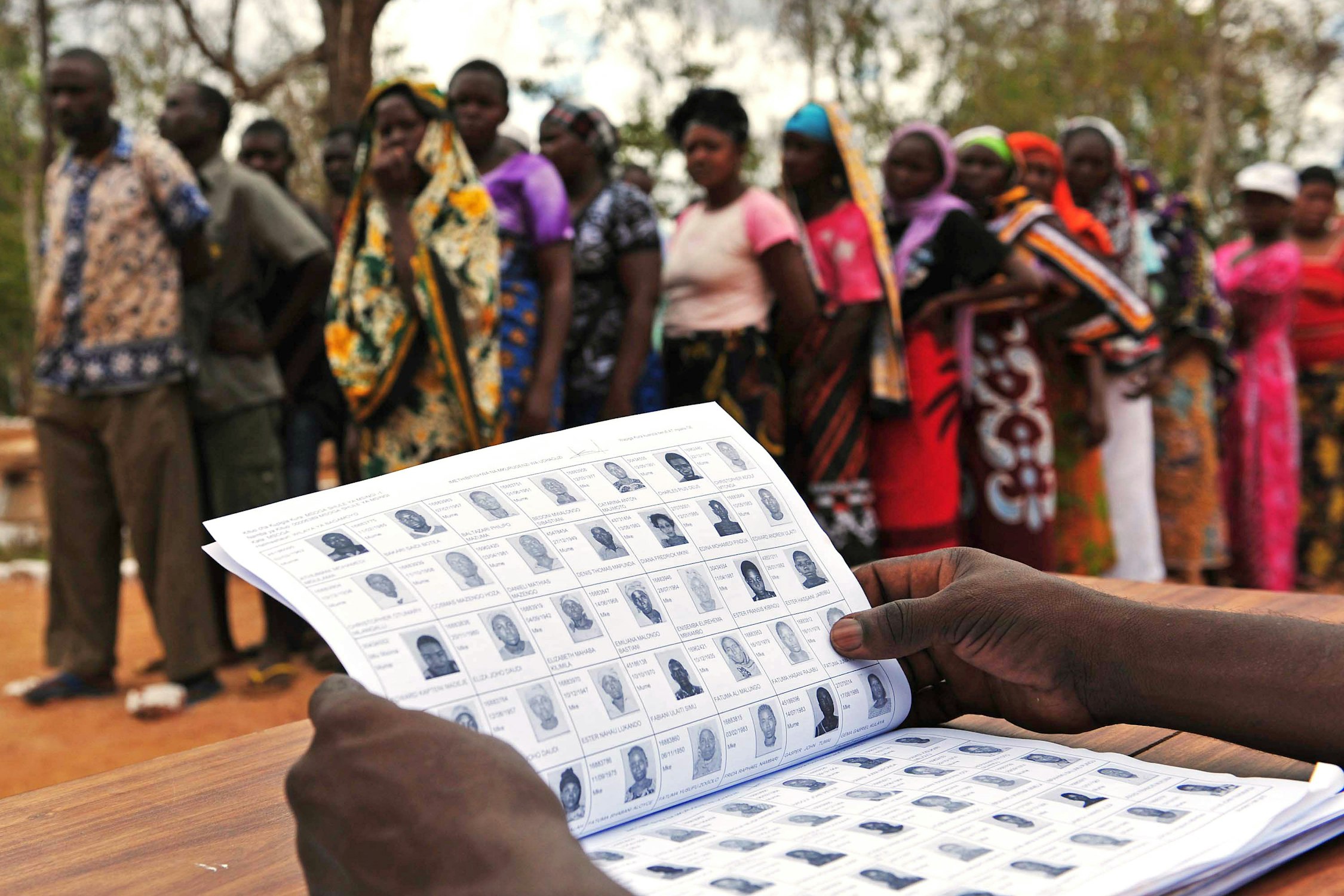
Compounding the atmosphere of unrest, internet monitor NetBlocks confirmed a nationwide disruption to connectivity across Tanzania as polls were underway, making it difficult for citizens to report on the situation and for opposition groups to communicate. Observers noted that the combined effect of the unrest, restrictions, and the lack of viable challengers led to low voter turnout in several polling stations.
 Opposition Sidelined
The vote is widely expected to secure a decisive victory for incumbent President Samia Suluhu Hassan and her ruling Chama Cha Mapinduzi (CCM) party, which has been in power since 1977. This outcome has been considered a near certainty since the two primary opposition parties were effectively sidelined months ago.
The main opposition party, CHADEMA, was disqualified earlier this year after refusing to sign a controversial electoral code of conduct, which the party argued was designed to restrict their activity. Its charismatic leader, Tundu Lissu, who survived an assassination attempt in 2017, remains incarcerated and is currently facing non-bailable treason charges that he denies, calling them politically motivated.
The second major opposition figure, Luhaga Mpina of the ACT-Wazalendo party, was also disqualified by the Independent National Electoral Commission (INEC) after his candidacy was rejected twice, despite a brief reinstatement by the High Court. Mpina’s removal, citing objections over internal party procedures, leaves President Hassan facing a field composed almost entirely of minor, largely unknown rivals.
Climate of Fear
Human rights organizations’ have repeatedly warned that the pre-election period was defined by a systematic campaign of repression. Amnesty International and Human Rights Watch have documented a sharp rise in abductions, detentions, and the alleged torture of critics, activists, and opposition members in the lead up to the October 29th vote.
The crackdown stands in stark contrast to President Hassan’s initial tenure, when she was praised for easing the repressive tactics of her late predecessor, John Magufuli. However, activists say the repression has intensified again as the 2025 General Election approached, leading one CHADEMA foreign affairs secretary to describe the process as a “coronation.”
Despite the growing domestic and international concern over the legitimacy of the process, the government has vehemently denied the allegations of widespread human rights abuses, insisting that the election is being conducted fairly and peacefully, whereby the final results of the presidential and parliamentary elections are expected within three days.