|
Getting your Trinity Audio player ready...
|
By Omboki Monayo
Nairobi, Kenya: In the besieged city of El Fasher, North Darfur, a maternity hospital dedicated to ushering in new life became the scene of one of Sudan’s darkest atrocities. A devastating attack on the Saudi Maternity Hospital killed at least 460 patients and their families—a massacre condemned by the United Nations as “horrendous” and “unspeakable.” The violence, which unfolded amid a broader siege by paramilitary forces, has horrified the international community not only for its scale but for its symbolic cruelty.
“To kill women as they prepare to bring new life into the world is an unspeakable atrocity,” said Ms. Diene Keita, Executive Director of UNFPA, the United Nations sexual and reproductive health agency. “The world must not stand silent.”
But silence has become the norm. Since Sudan’s conflict erupted in April 2023, the World Health Organization has verified at least 185 attacks on healthcare facilities, resulting in 1,204 deaths and 416 injuries among health workers and patients. The El Fasher massacre marks a catastrophic peak in this sustained assault on Sudan’s medical infrastructure. In the past year alone, 49 attacks have killed 966 people—many of them civilians seeking care in hospitals, clinics, and maternity wards.
The implications of this violence stretch far beyond the immediate loss of life. Sudan already faces one of the highest maternal mortality rates in the region, with an estimated 295 deaths per 100,000 live births as of 2023. The collapse of health systems, displacement of medical personnel, and destruction of facilities have left over 726,000 pregnant women in urgent need of care. In conflict zones, where access to skilled birth attendants and emergency obstetric services is severely limited, the targeting of maternity hospitals is not just a war crime—it is a direct assault on the nation’s future.
International humanitarian law is unequivocal. The Geneva Conventions and their Additional Protocols explicitly protect medical facilities, personnel, and patients during armed conflict. UN Security Council Resolution 2286, adopted in 2016, condemns attacks on healthcare and demands accountability. Yet in Sudan, these protections have been repeatedly violated. The El Fasher massacre joins a grim list of incidents where hospitals have become battlegrounds, and pregnant women—symbols of continuity and hope—have been reduced to collateral damage.
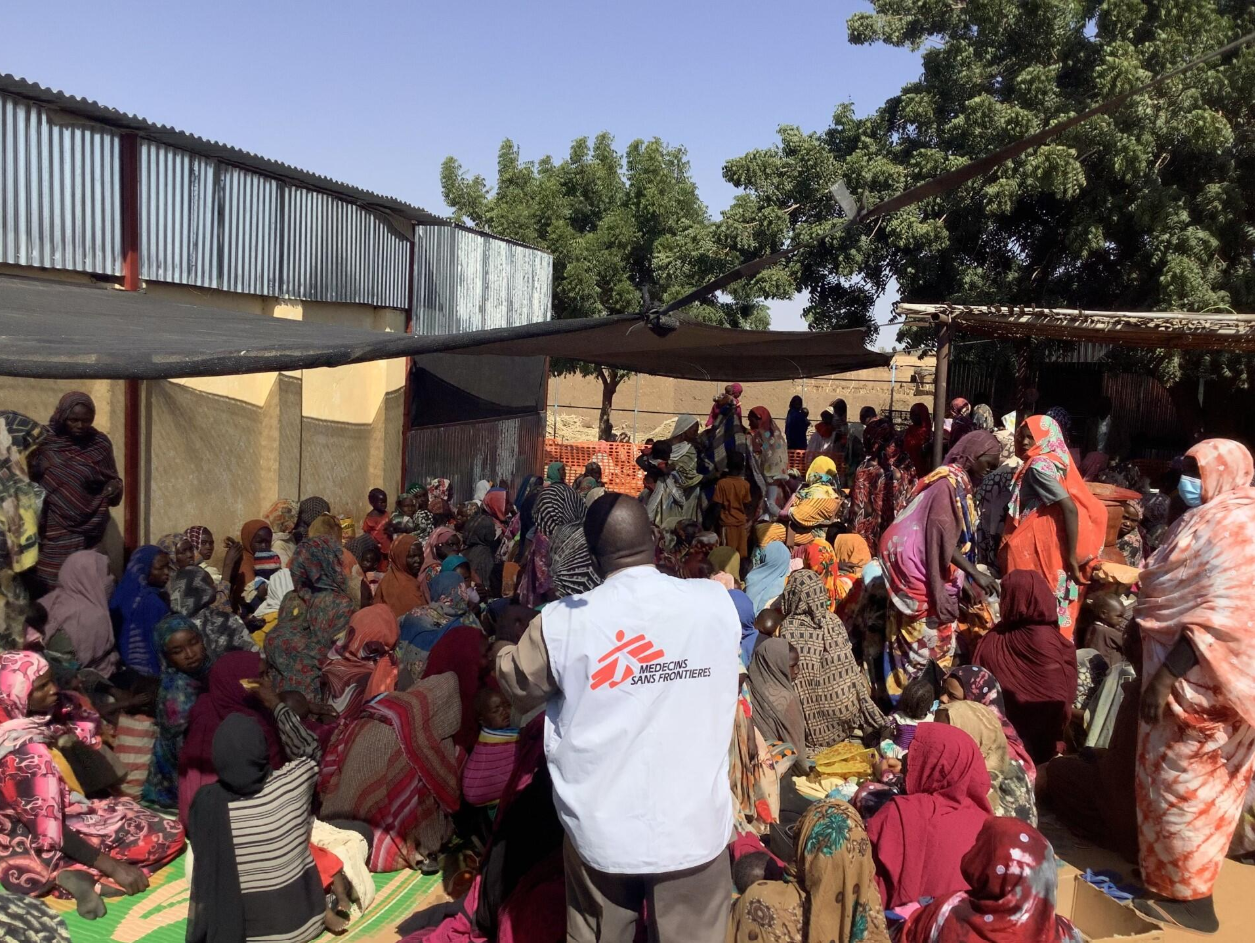
The humanitarian cost is staggering. According to the International Organization for Migration, more than 36,000 people fled El Fasher in the three days following the attack. Many are now living in the open, without shelter, sanitation, or protection. Women and girls face heightened risks of sexual violence, exploitation, and maternal complications. Thousands of the most vulnerable—including the elderly, people with disabilities, and the wounded—remain stranded in the city, unable to flee due to insecurity and lack of transport.
In response, the UN Emergency Relief Coordinator, Tom Fletcher, approved a $20 million allocation from the Central Emergency Response Fund for Sudan, adding to $27 million already disbursed this year. These funds will support emergency operations in Darfur and Kordofan, where the conflict has intensified. But aid efforts face mounting political obstacles. The Sudanese government recently expelled two senior officials from the World Food Programme, threatening the delivery of emergency food assistance to millions facing famine.
“This decision to expel WFP’s Country Director and Emergency Coordinator comes at a pivotal time,” said UN spokesperson Stéphane Dujarric. “Humanitarian needs in Sudan have never been greater with more than 24 million people facing acute food insecurity and communities impacted by famine.”
Amid the devastation, glimmers of resilience persist. In White Nile State, the Kosti Maternity Hospital—supported by UNFPA—continues to serve not only the local community but also a quarter of a million internally displaced people. Midwives, nurses, and doctors work under extreme conditions to provide care, often without electricity, running water, or basic supplies. A recent photo essay captured the story of one midwife who has opened her doors for years to women in need, offering not just medical support but mentorship and friendship.
Meanwhile, global funding shortfalls have jeopardized access to contraception and reproductive health services worldwide. “Contraceptives save lives,” Ms. Keita emphasized. “Let’s work together to keep our promise to women and adolescent girls, uphold their rights and choices, and ensure they have access to the contraceptives they need to plan and forge a healthy and prosperous future.”
In Sudan, that promise feels increasingly fragile. The fall of El Fasher—the last of Darfur’s five state capitals to resist paramilitary control—has sparked fears of ethnically motivated violence reminiscent of the region’s darkest days. Satellite imagery analyzed by Yale’s Humanitarian Research Lab corroborates evidence of mass killings, including alleged executions around the Saudi Hospital and a previously unreported massacre at a former children’s hospital. The Rapid Support Forces (RSF), descended from the Janjaweed militias accused of genocide two decades ago, now control a vast region covering a third of Sudan.
The international community must act to condemn these atrocities, ensure accountability, protect civilians, and sustain support for maternal and child health. The right to life, enshrined in international law and affirmed in countless treaties and declarations, cannot be a casualty of war. When maternity wards become morgues and midwives become targets, we are not just witnessing a humanitarian crisis. We are witnessing the unravelling of our shared humanity.