|
Getting your Trinity Audio player ready...
|
By Talkafrica Correspondent
Journalist, activist, and Director of the Freedom of Expression Campaign Anton Harber said governments need to work together to hold social media platform owners accountable for the content they publish.
This will tackle the growing challenge of misinformation and disinformation, which has been amplified in recent months in the United States. Harber spoke at a recent roundtable on “Speaking the truth by understanding the untruth: Addressing fake news and disinformation in South Africa and the African continent.”
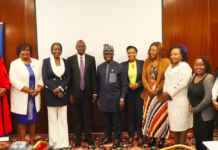
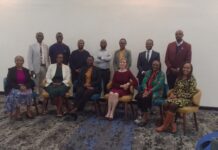
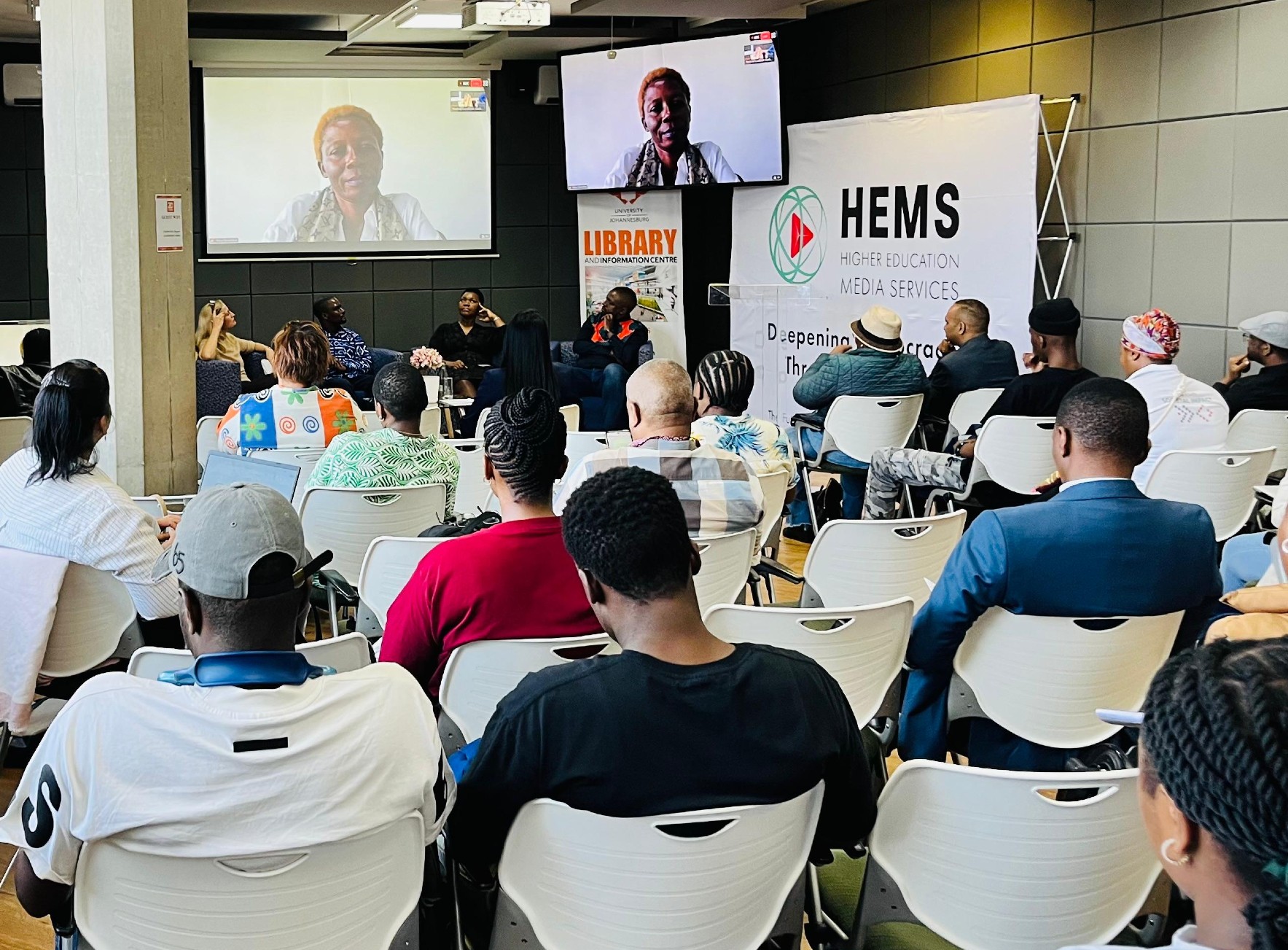
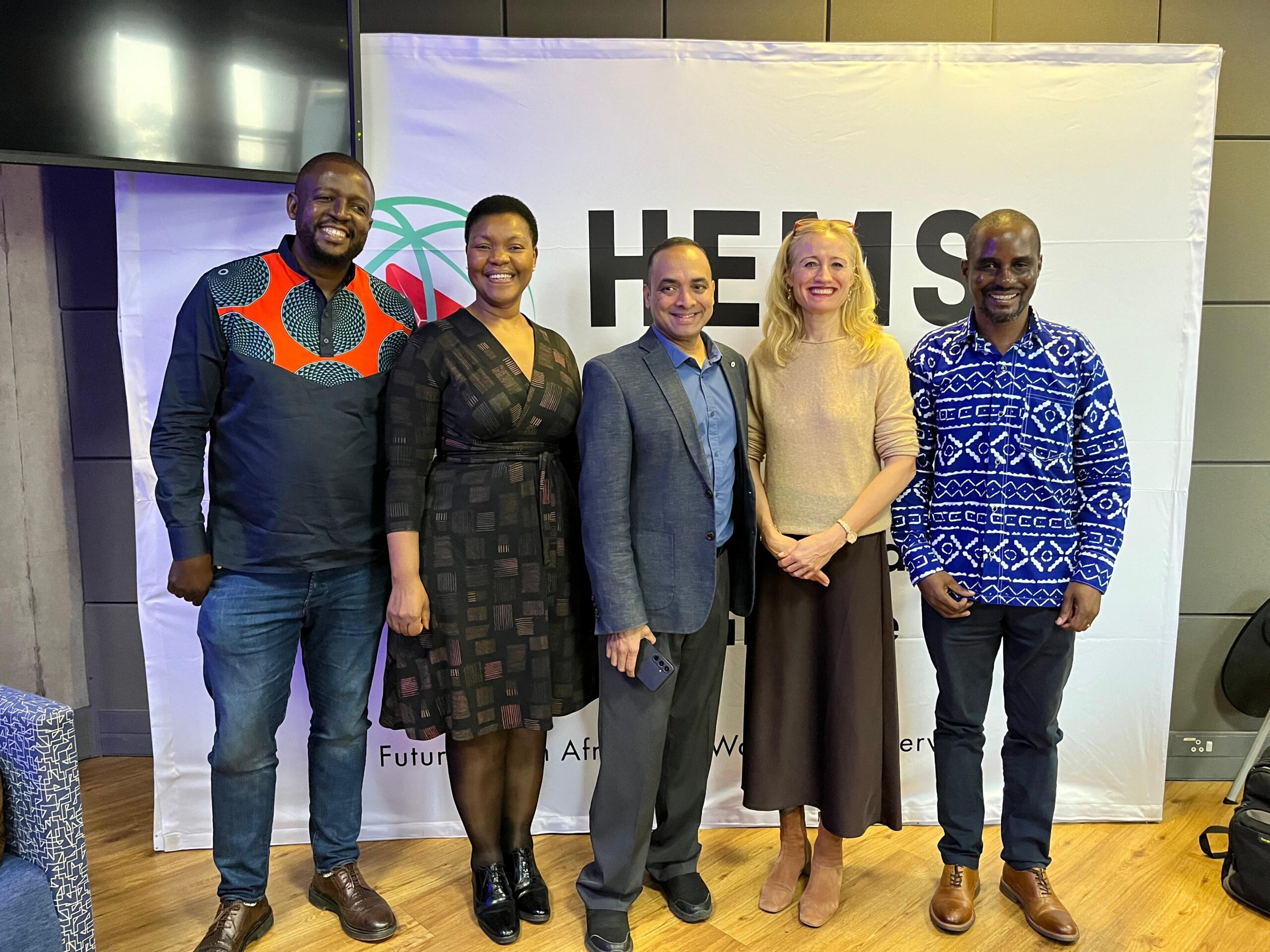
The University of Johannesburg hosted it in partnership with Higher Education Media Services yesterday afternoon (April 15) in the Library’s Nadine Gordimer Auditorium.
The roundtable aimed to explore fighting for the truth. Harber said, “Every new wave of media technology brought disinformation and panic about disinformation”. The arrival of the printing press, radio, and TV brought a wave of disinformation and panic. “Each period has its important lessons… There are lessons from the past.”
Harber, executive director of the Henry Nxumalo Foundation, said, “You can talk about how we train journalists, fact-checking and strengthening journalism to counter misinformation, … but it is a losing battle if the core issue is not addressed: the platform owner takes responsibility for the content published.” Elon Musk (owner of X) and Mark Zuckerberg (owner of Meta) have no responsibility for the content published. They are protected by the little-known Section 230 of the US Communications Act. It affords the owners of social media and internet platforms immunity from publishing third-party content. “The situation would change very quickly if we could hold them responsible for the spread of disinformation,” said Harber.
In his opening remarks, Prof Letlhokwa Mpedi, Vice-Chancellor of UJ, said it was recently widely reported that Olena Zelenska, the first lady of Ukraine, had attempted to flee the country. “It began with a video with the BBC logo on X and Telegram…and then amplified on TikTok and Facebook. The voiceover claimed that her plan to escape for six months was foiled, and Ukraine’s security services were holding her.” In response to the clip’s traction, a journalist for the BBC’s fact-checking service said in a statement on X that the “BBC never published this video clip.”
Prof Mpedi said, “This was the work of a disinformation operation that often used clips bearing logos of major outlets. As this example shows, we are in an era of disinformation. More, now than ever, it is difficult to discern between what is real and what is not, and the implications of this are profound.”
He referred to a report by the Africa Centre for Strategic Studies, which found that disinformation is rapidly spreading across the continent and posing a serious threat to stability, democracy, and civil liberties. “Driven largely by foreign state actors, these campaigns exploit the continent’s growing digital connectivity, targeting 39 countries with increasingly frequent and sophisticated efforts.”
These campaigns have fuelled violence, supported coups and even undermined elections, leaving conflict-affected and authoritarian-leaning nations most at risk, he said. He added that the surge coincides with declining press freedom, as laws meant to combat disinformation suppress journalists, further weakening defences against these harmful narratives.
Phathiswa Magopeni, Executive Director of the Press Council of South Africa, clarified that using the term “fake news” is problematic. ” News is information that is verified—you go check if there is evidence,” while disinformation is defective content and undermines the credibility of the news system. Fake information has nothing to do with news. “…Disinformation is a parallel information system. We should try to separate what is fake and what is news.”
For Prof Admire Mare, Head of Communications and Media at UJ, propaganda wars were used by Hitler and Mussolini. Over time, as technology evolved, misinformation has gained ground. The “geopolitical context unfortunately, creates an environment where it thrives. With AI, knowing what is true and what is not is difficult.” He added that misinformation is twisted to serve political, ideological, and economic agendas.
Kenyan science and investigative journalist Mary Mwendwa said disinformation promotes hate speech and online harassment of women politicians and women journalists who are holding politicians to account. “Most people don’t know how to distinguish between misinformation and news. The public needs lots of sensitisation to misinformation.”
Reggy Moalusi, Executive Director of the South African National Editors’ Forum, said the Code of Africa Report points out that the Kremlin and the Chinese Communist Party sponsored misinformation in South Africa. “What do the Chinese Communist Party and the Kremlin want to achieve here, and why are they putting their money here?
Magopeni cautioned the media against enabling and amplifying disinformation and referred to instances where reports had suggested that Afriforum asserted the existence of white genocide. Speaking about Trump and Musk’s role in aiding unproven claims by the AfriForum, she said, “The minute you have voices with authority, they legitimise disinformation.”
She added that Musk and Trump are superspreaders of disinformation. Magopeni said, “… Whatever they say (Musk and Trump), the media is going to have to report on it, but what is commendable is that Eyewitness News was forthright in saying that AfriForum went to the US and sought help based on lies.”
For Prof Mare, “We need to rethink what we train our journalists on how to report. Journalists are waiting for Trump to tweet, and they have a story. The raw material is almost like a press statement – journalists need to contextualise and bring in more voices. …Your story doesn’t start and end with a social media post.”
Speakers bemoaned that newsrooms have become under-resourced and junior, with senior journalists leaving to take up positions elsewhere. Newsrooms need funding to acquire tools for advanced fact checks, while town hall talks by media houses could educate people about misinformation. Young journalists need to be trained in media entrepreneurship. However, people and organisations do not have control over social media platforms.
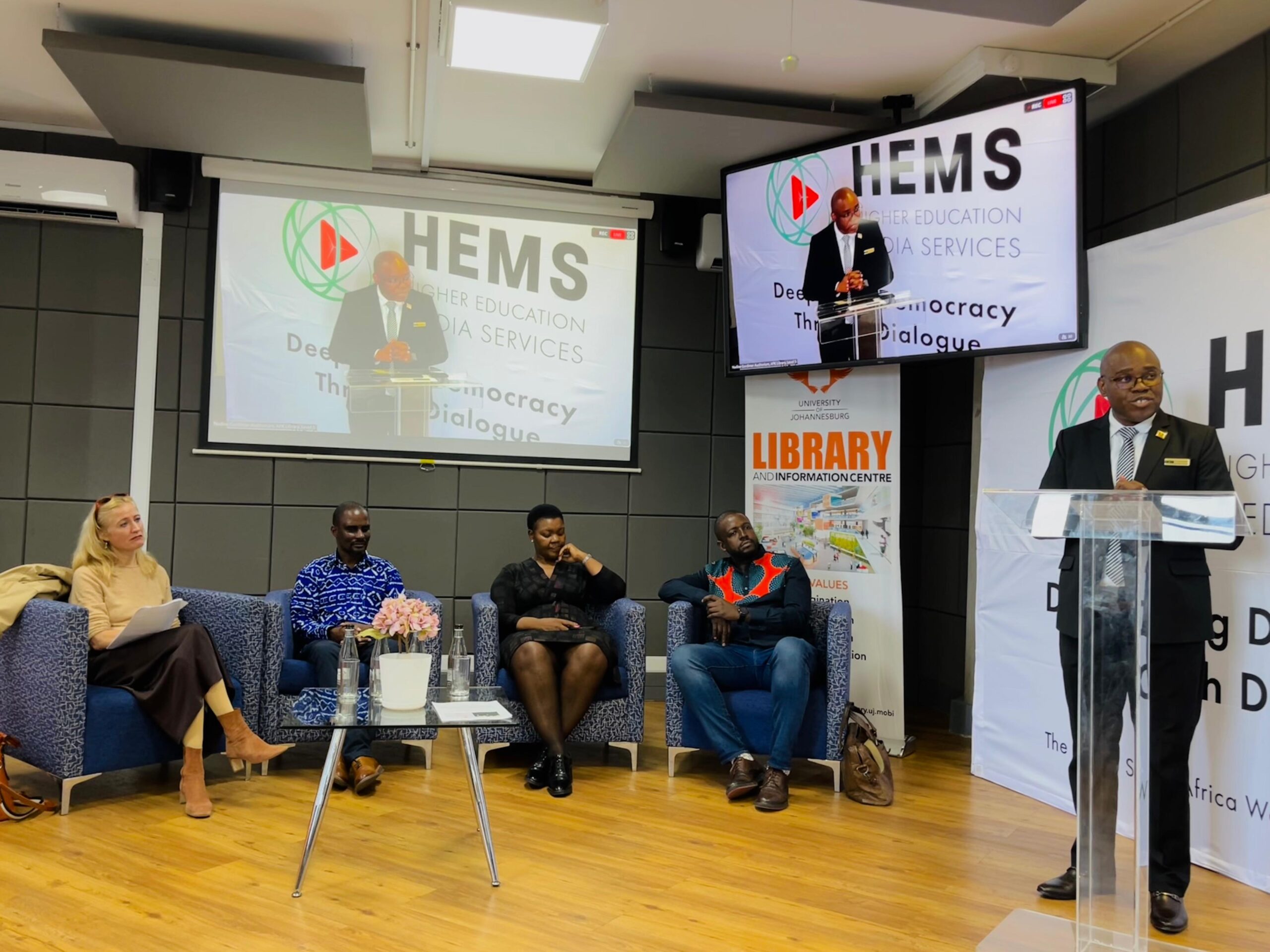
Harber, however, proffered. “We must get together and combine our strengths and the strengths of various countries to hold these huge platforms to account. We can’t allow them to continue with this extraordinary power. They have to be accountable, and of course, it is challenging, but this is something that should be bringing us together across countries, across continents, teaming up with places that are trying to assert sovereignty and a set of rules over these platforms, such as in Europe, Australia, and Brazil.”
He pointed out that there have been major shifts in the last few months around disinformation, and one of them is that the purveyors of disinformation have moved in the US from the fringes into the centres of power, into the White House, into the Cabinet. “So, the balance of power has shifted, making it difficult to confront these things. There is no question in my mind that in the end, we have to confront the power of these organisations.”
He said that while self-regulation is preferable, he had been optimistic that Facebook, at least Meta, was moving towards a level of self-regulation, “though not enough. They were on that path, and they stepped back from that in the last few months, and that is a big, big blow to the fight against disinformation.”
Harber said that one hopes that pressure will lead to self-regulation, but failing that, governments will have to consider very careful regulation. “The fear of censorship, compromise, and creating regulations that can be abused to silence people is very real. So, regulation is complex and difficult and requires careful consideration, but we may have to do it.”
Director of Higher Education Media Services Edwin Naidu said that shedding light on a critical topic is only the start. HEMS looks forward to partnering with UJ and other institutions to begin a countrywide dialogue on issues that influence South Africa—and Africa—we want and need.
“The next dialogue will focus on how universities release themselves from the culture of dependence developed with international funders…. As we all know, global economic shifts affect tertiary institutions; the question is, how do we deal with them? Let’s Talk!”