By Henry Owino
Siaya County, Kenya: Snakebites are classified globally as Neglected Tropical Diseases (NTDs). These are a varied group of non-communicable diseases predominantly found in low-income populations within tropical regions.
In Kenya, the anti-venom treatments available in pharmacies are not registered by the Pharmacies and Poison Board, and therefore their effectiveness cannot be assured. There are nearly 10 different anti-venom products from foreign countries, with most companies focusing on the African market.
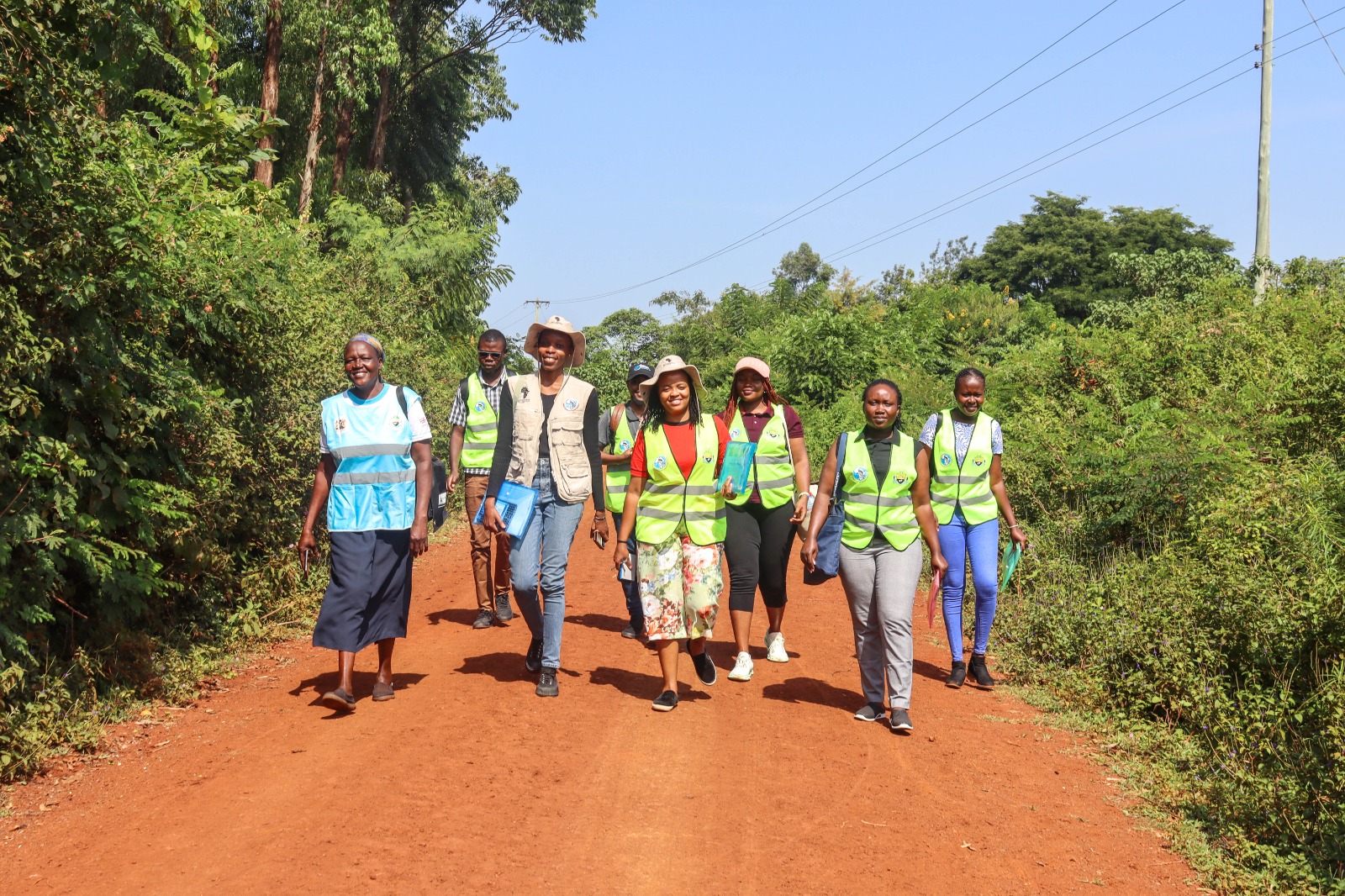
To help save citizens, Sicilia Mongare, a Kenya Public Health and Clinical Research Scientist, from IPR focusing on biomedical research, public health and professional standards, has been traversing the country mapping out regions with the highest number of snakebites as hotspots areas. This is aimed at extracting venom from local snakes to produce homegrown anti-venoms capable of treating local snakebites.
“As an organization, we have been mapping out the entire country to establish hotspots areas in the 47 counties to establish snake species. It also includes milking out venoms to harvest anti-venoms for intra-county segments, thus sub-counties or constituencies, wards to the village levels,” Mongare explained.
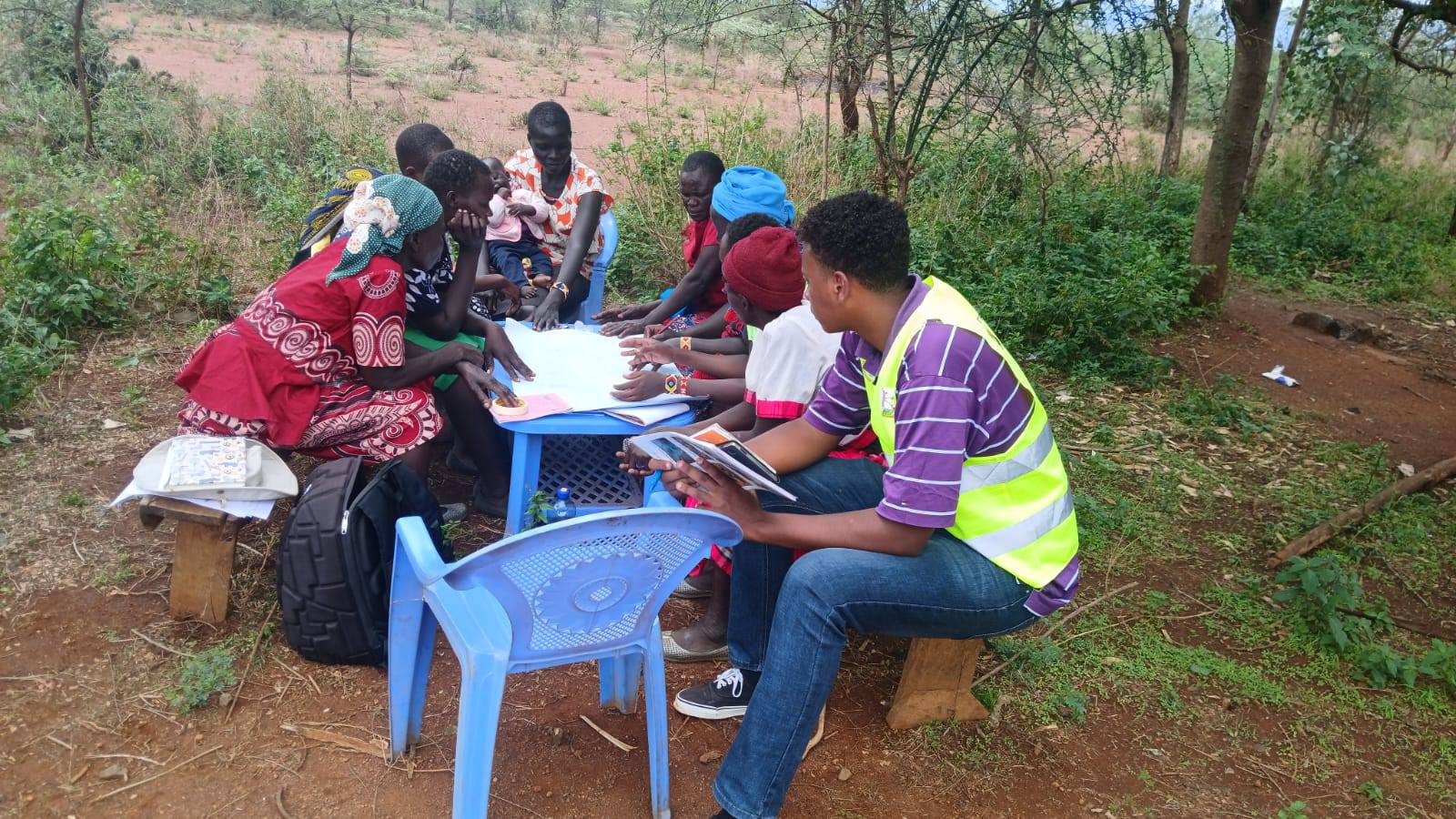
Mongare affirmed IPR is undertaking the research work in collaboration with all Counties Executive Committee (CECs) of Health and County Health Promoters (CHPs) who are pivotal in identifying the areas, households and families for research interviews. The research is heavily sponsored by the national government.
She revealed besides activities mentioned above, IPR staff on the ground are also finding out risk factors that expose different communities to snakebites compared to others. Similarly, research entails capacity building of CHPs, sensitizing communities on snakebite prevention, control, management and recommended first aid application.
In hotspot areas, the health workers are trained on administering the anti-venom, dealing with possible side-effects, best way of handling and managing snakebite victims until more qualified specialized take over at a health facility to full recovery.
“Snakebite envenoming remains a silent health problem with low funding hence neglected disease. In Kenya, it is a deadly challenge, exacerbated by harmful myths and inadequate healthcare resources,” Mongare, Clinical Research Scientist attests.
 For instance, most residents in rural areas, especially farmers, regard snakebites as a silent pandemic. It stealthily decimates their financial abilities while thrusting households deeper into the cauldron.
Situation in Siaya County
According to Charles Oduor, Siaya County Coordinator for NTDs, snakebite is a neglected public health emergency in many tropical and subtropical countries. Kenya is among such countries where NTDs such as snakebites are not given proper healthcare attention or funded.
He cautions that snakebite envenoming(poisoning) is potentially life-threatening ailment caused by toxins in the bite of a venomous snake. Envenoming can also be caused by having venom sprayed into the eyes by certain species of snakes that have the ability to spit venom as a defense mechanism.
Dr. Oduor cautions that snakebite envenoming is a serious medical condition caused by the venom of a venomous snake injected into the body. It is an emergency healthcare matter which must be treated within the shortest time possible.
“For instance, spitting black cobra are common in many areas within Siaya County and they are extremely venomous snakes. The others are non-venomous snake specimens. Not all snakes are venomous: Most snakes are non-venomous, and even venomous snakes can deliver “dry bites” without injecting venom,” Dr. Oduor hinted.
He however said the most common snakes in Kenya include the red spitting cobra mostly found in the counties of Kitui, Machakos, Makueni, Kwale and Taita Taveta; the black mamba is the most dangerous among them all.
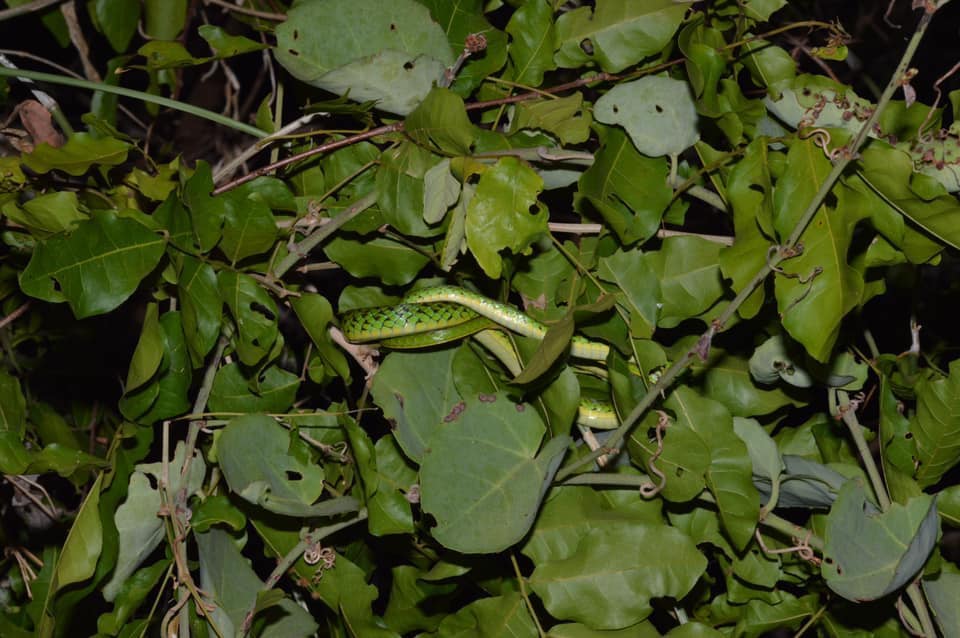
“Consequently, part of our research in collaboration with K-SRIC’s- IPR is about interviewing residents to find out from themselves, experiences, and tell us the type of snake species spotted in their areas. This then helps in extracting venom from respective snakes primarily for the production of antivenom, which is crucial for treating snakebite victims,” Dr. Oduor disclosed.
The NTDs said locally produced antivenoms are more efficacious as opposed to imported from foreign countries. It is going to reduce cost, drug wastage, save time and ensure quality anti-venom for specific snakebites are available and easily accessible to both victims and health workers.
Additionally, snake-venom components are valuable research tools and are used in the development of various pharmaceuticals, including drugs for conditions like hypertension and thrombosis.
Dr. Oduor revealed Kenya Information Health System Statistics shows at least 2-4 cases of snakebites per a year on average and 17 snakebites in a month in Siaya County. This has prompted the County Executive Committee of Health in Siaya County to sensitize communities on snakebites because it is a matter of emergency.
Though, Oduor hinted the number could be more, as most victims of snakebites rarely show up at health facilities hence most cases are never captured. The majority use herbs to cure themselves, while others prefer traditional drugs to modern medication.
Unknown numbers die within a short period of illness because time is of the essence in snakebite treatment.
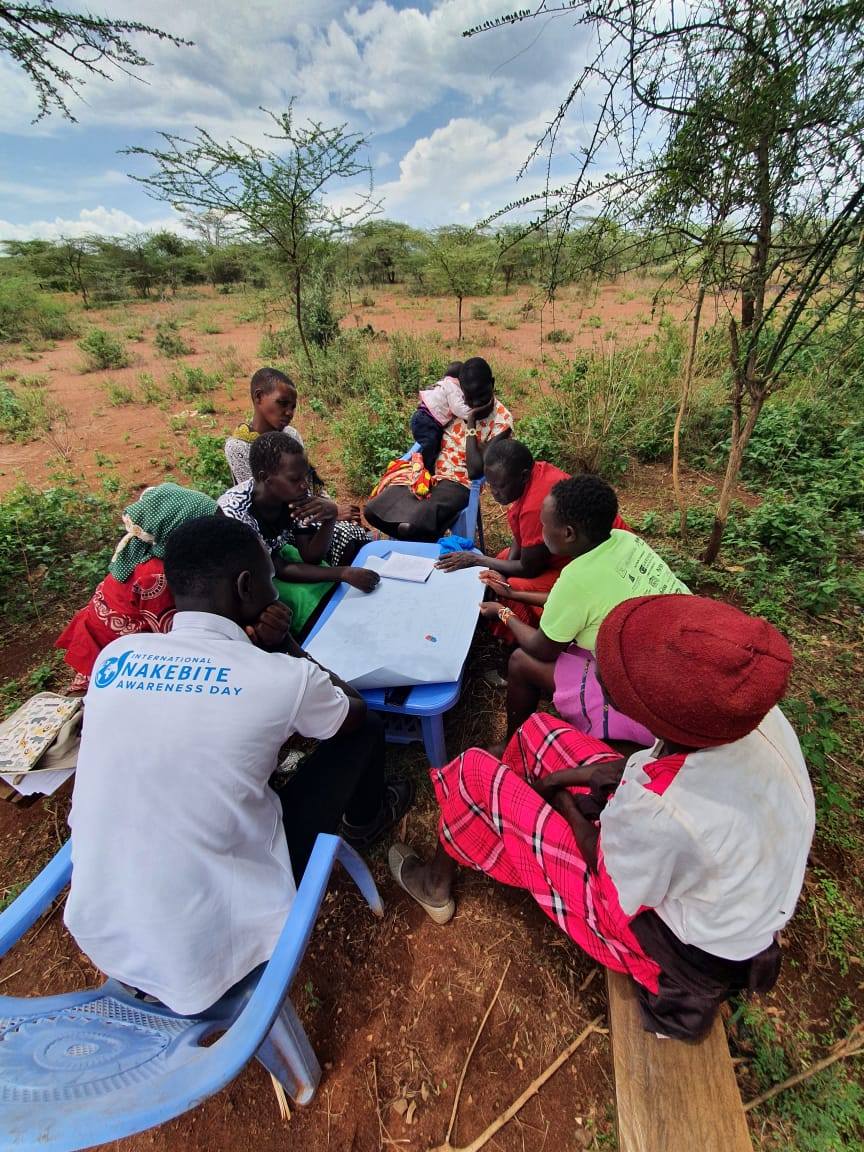
According to experts from Kenya Snake Research & Intervention Centre (KSRIC) -Institute of Primate Research (IPR), there are five important things to know about NTDs around the world: First, they are responsible for thousands of preventable deaths every year. Secondly, they are found in the world’s poorest regions with inadequate or no access to clean water, basic sanitation and healthcare facilities.
Targeting Homegrown Snakebite Antidote
The K-SRIC’s key strategic objective is to undertake multi-disciplinary research activities leading to better diagnosis and therapies for snakebite. The team of experts have been going round the country targeting the 47 counties to identify snake species existing in those areas.
The identification process includes; interviewing households, opinion leaders, local health workers and related organizations to help come up with a homegrown anti-venom. This is because most pharmacies are stocking fake anti-venom drugs costing victims of snakebites loss of money.
Snakebite First Aid, Treatment and Rehabilitation
People who suspect they have been bitten by a venomous snake should be transported to a health facility without delay. Immediate medical attention is crucial for potentially life-threatening envenomation.
Prompt administration of antivenom, when indicated, is the most effective treatment and its efficacy decreases with time. Delays in treatment can lead to severe complications and even death.
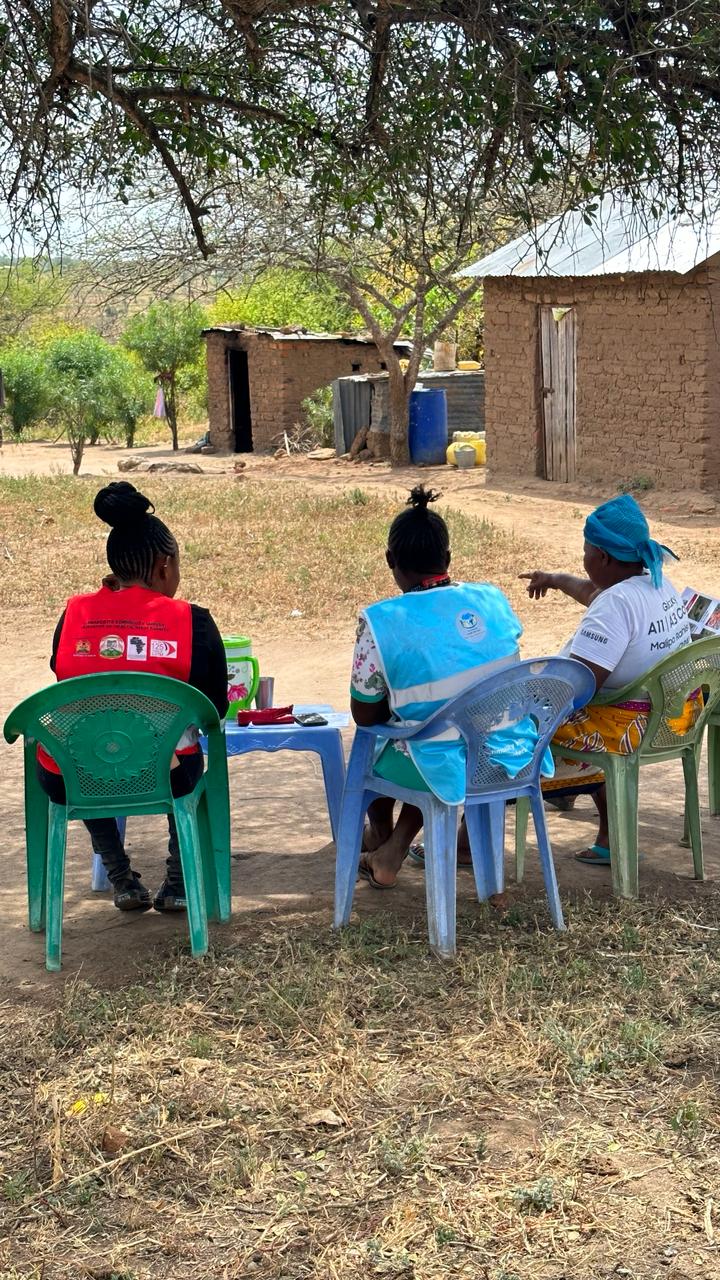
Roselyne Ochieng, is a CHP in Siaya County, sensitizing residents on; ways of keeping snakes at bay at homesteads, first aid applications, treatment, among other extra precautions in snake-prone environments.
Mrs. Ochieng admits most snakes in the county are non-venomous, lack venom and pose no threat to humans. Some examples of non-venomous snakes include the Eastern Hognose Snake, Milk Snake, and Rough Green Snake.
Despite very few snakes being venomous, residents never believe in the notion. They generally either retreat or encounter snakes by crude weapons owing to past experiences.
An African Proverb: One who has been bitten by a snake gets scared when he sees an earth worm. Meaning; This proverb is analogous to the English idiom, ‘once bitten twice shy’.
“Snakebite is an emergency medical issue and early intervention is key. For instance, seeking immediate medical care at a facility equipped to handle snakebites is essential,” Mrs Ochieng emphasizes. Adding; antivenom is the primary treatment for venomous snakebites, and rapid transport to a medical facility is crucial in saving life.
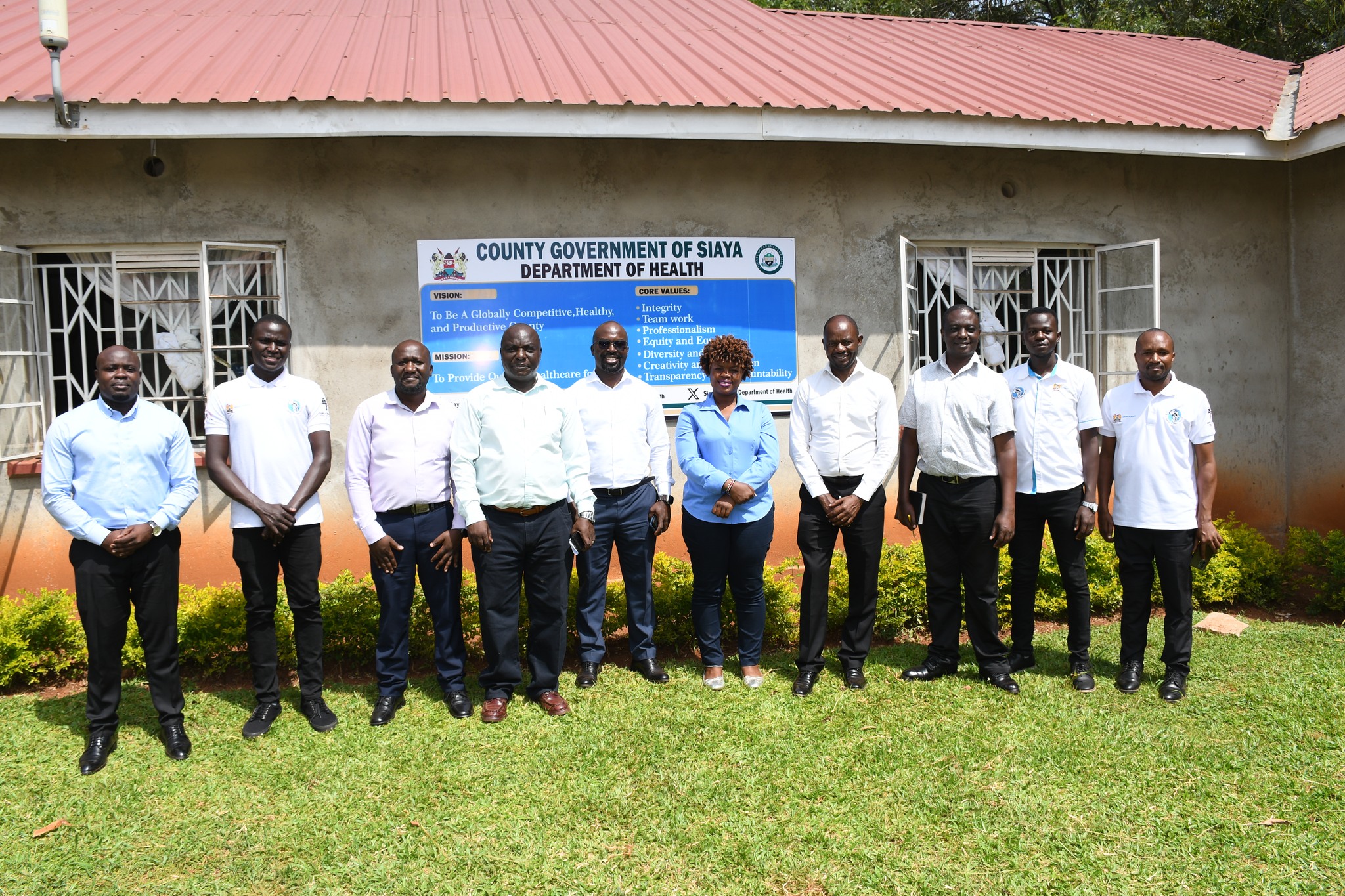
First aid on the site is meant to stabilize the victim, prevent venom absorption in the body that could complicate treatment for qualified medics after take over. If possible, it is always good to identify the snake species to help medics in administering antivenom faster.
Immobilize the victim by keeping the bitten limb still and elevated to slow venom absorption. Always remove constricting items such as jewelry or clothing that could constrict swelling.
Seek immediate medical care by transporting the victim to the nearest emergency health facility as quickly as possible. If possible, safely try to identify the snake species, size, color to help with antivenom selection, but do not delay transport to hospital.
Closely monitor vital signs of the victim such as airway, breathing, and circulation. If there is none of these, perform resuscitation.
At the emergency room or hospital, a health worker will administer antivenom which is the primary treatment for envenomation, and may be administered intravenously. The health worker also provides pain management, wound care, and manages any complications like infection or allergic reactions.
The CHP reminds the public that snakebite is an acute life-threatening time limiting medical emergency. If you suspect venomous snake bites, call 911 or your local emergency number right away, especially if the bitten area changes color, swells or is painful.
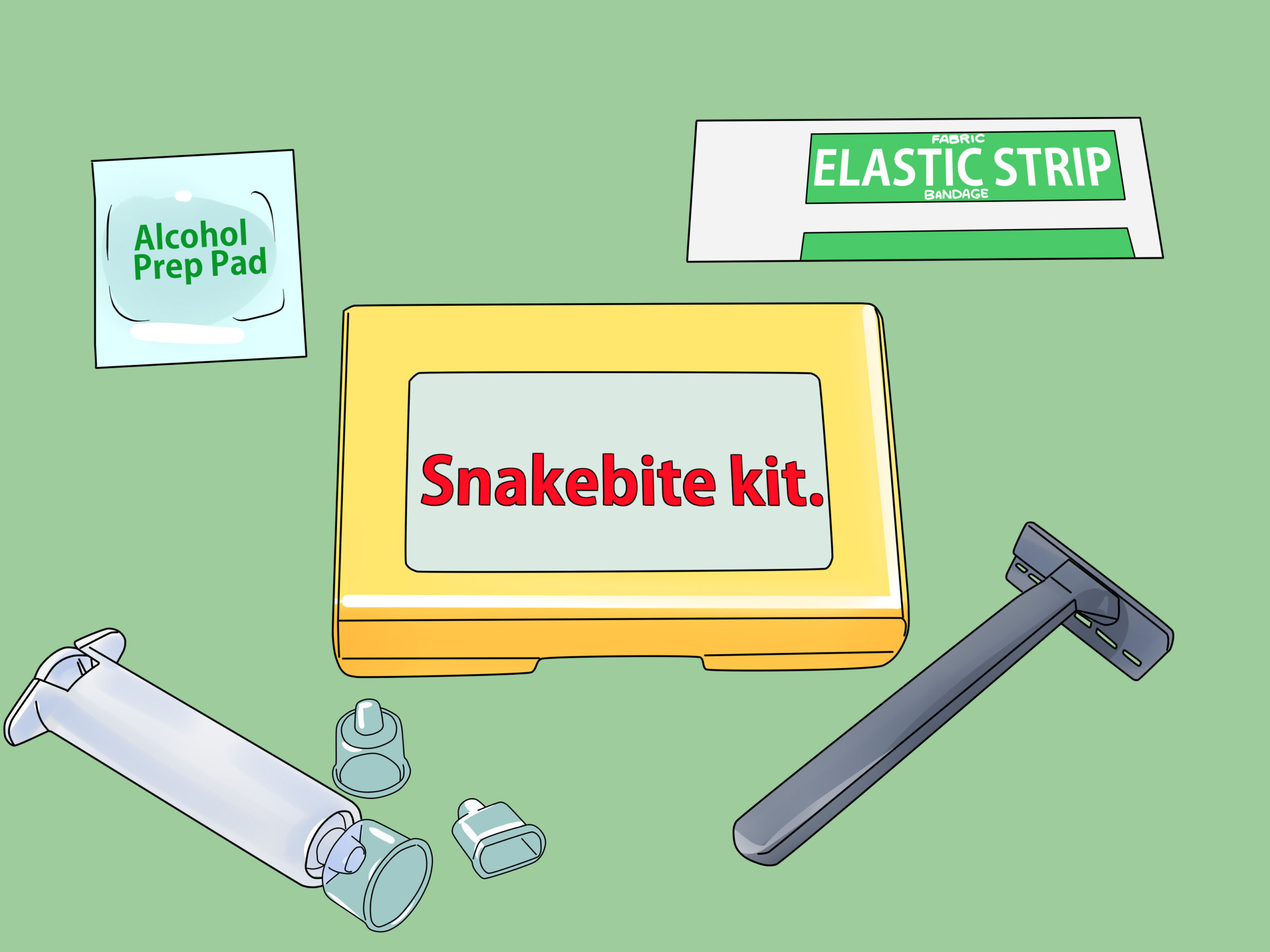
Health workers, doctors, and researchers in Siaya County are advising residents to steer clear of traditional snakebite remedies. Practices such as wound incision, suction, or using “black stones” are not only ineffective but could also cause harm.