|
Getting your Trinity Audio player ready...
|
By Victoria Musimbi
Nairobi, Kenya: For many Kenyans, non-communicable diseases like diabetes, hypertension, cancer, and kidney disease are silent threats. They progress quietly, often without symptoms, only revealing themselves when damage has already been done.
Today, NCDs are responsible for 43% of all deaths in Kenya, yet awareness remains limited, and care is unevenly accessible.
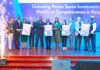
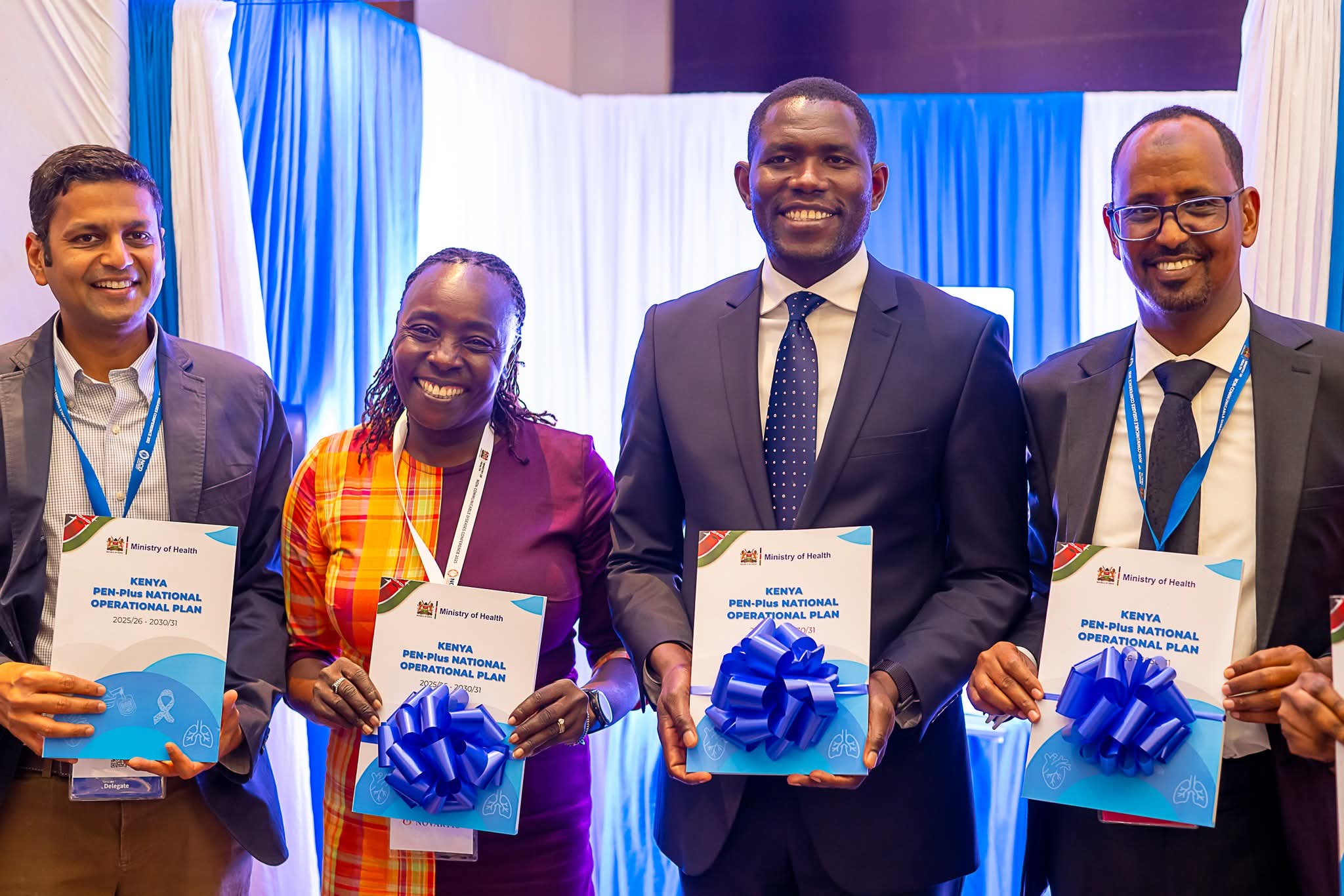
It was this urgent reality that brought together health experts, county teams, policymakers, development partners, and, crucially, people living with NCDs for the 1st National NCDs Conference, held in Nairobi. Organized by the Non-Communicable Diseases Alliance Kenya (NCDAK) and the Ministry of Health, together with other partners, the conference marked the first time patients and survivors were placed at the forefront of national NCD discussions.
Lived Experiences Take Center Stage
John Gikonyo, Assistant Chairperson of NCDAK, shared his personal journey with hypertension and chronic kidney disease.
“Before this conference, people with lived experiences were always relegated to the last day, when everyone was already preparing to leave. This time, we were at the forefront,” Gikonyo said, thanking the Ministry of Health’s NCD Division for responding to calls to prioritize patients’ voices.
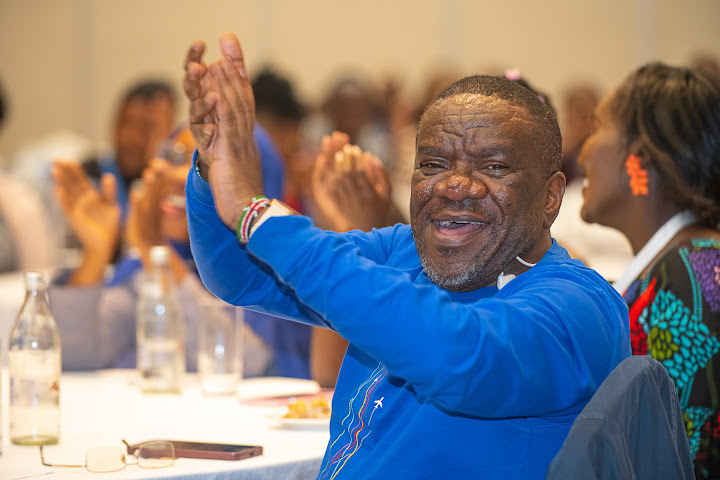
Gikonyo, diagnosed with hypertension in 2006, explained how he managed the condition for years. “I come from a family where hypertension is not considered a serious illness, just take the medicine and go on with life. That’s how I lived with it: a pill in the morning, and that was it.”
In 2009, he was diagnosed with stage 3 chronic kidney disease, with doctors estimating two to three years before kidney failure.
“I wanted someone to tell me it was a misdiagnosis because I felt fine. Chronic kidney disease is silent. You may feel normal while serious damage happens inside your body. Most people only find out when it’s too late,” he said.
Thanks to early detection, careful monitoring, and his healthcare team’s guidance, Gikonyo delayed progression and underwent a preemptive kidney transplant in 2015 before full kidney failure or the need for full-time dialysis.
Yet the journey did not end there. Post-transplant, he needed lifelong medication, frequent clinic visits, and financial support.
“The government began supporting dialysis patients with two free dialysis sessions, but post-transplant medication remained costly.
Many patients chose to remain on dialysis rather than risk unaffordable treatment,” Gikonyo explained.
Advocacy efforts eventually secured partial coverage under the Social Health Insurance Act, offering Ksh 200,000 per year, a start that will encourage more patients to consider transplantation over dialysis.
For Gikonyo, the conference offered a platform to stress two priorities: the importance of screening for early diagnosis, and empowering community health workers and community health promoters to champion awareness and care at the grassroots level.
Caregivers and Survivors: The Ripple Effects of NCDs
Philip Odiyo, Chairperson of the Kenya Network of Cancer Organizations (KENCO), shared another dimension of NCDs: the impact on caregivers and families.
“NCDs disrupt not just the patient’s life but the entire family,” Odiyo said. Caregivers often put their own lives on hold to provide emotional, physical, and financial support.
“Asking, ‘What do you need at this point?’ is a simple but powerful way communities can help,” he added.
Odiyo has spent 15 years empowering cancer survivors through KENCO and his organization, A Fresh Chapter, training them to support others in their communities.
“Peer support transforms lives. Survivors and caregivers must be included in policies and programs. NCDs do not happen in isolation; they affect everyone around the patient,” he said.
Turning Challenges into Actionable Responses
Sanne Frost Helt, Senior Director for Policy, Programmes, and Partnerships at the World Diabetes Foundation, detailed the organization’s 20-year support for Kenya. The Foundation focuses on diabetes prevention and care across all 47 counties, prioritizing community-level education, early detection, and strengthening primary healthcare facilities.
“Many people are unaware they have diabetes or hypertension. Even when they find out, they may not know where to go for care. By equipping community health promoters with tools and training, and strengthening frontline facilities, we ensure that patients can access care early,” Frost Helt said.
The Foundation’s current €7 million program, running until 2027, also supports advocacy, awareness campaigns, and collaboration with the Ministry of Health to reach underserved communities.
Ensuring Continuity of Care for NCDs During Emergencies
Kevin Ngereso, Health Program Manager responsible for NCDs at the Kenya Red Cross, highlighted how the organization is working to bridge gaps in NCD care during crises. He explained that the Red Cross focuses on three key areas: managing cardiometabolic diseases like diabetes and hypertension, integrating mental health into NCD care, and supporting continuity of care during emergencies.
“Disasters often disrupt NCD services, leaving patients without essential medications and support,” Ngereso said. “Our ‘Continuity in Crisis’ program ensures that affected communities continue to access NCD care even during emergencies.”
He emphasized that partnerships and advocacy play a critical role. Through membership in the NCD Alliance Kenya and participation in the Ministry of Health’s Advocacy, Communication, and Social Mobilization Technical Working Group, the Red Cross ensures that patient voices are included in national discussions.
Ngereso also stressed the importance of cross-sector collaboration, noting that NCD prevention and care are not solely health issues. “During emergencies, resources may be unevenly distributed. Some interventions may inadvertently increase NCD risks if not properly planned. Inclusive, multi-sectoral planning ensures that relief efforts meet both immediate and long-term health needs.”
Through these initiatives, the Kenya Red Cross demonstrates a practical, impact-driven approach, combining humanitarian response with sustained support for people living with NCDs.
Dr. Gladwell Gathecha, Acting Head of the Division of Culture and Non-Communicable Diseases at the Ministry of Health, underscored why the conference was necessary.
“The burden of NCDs in Kenya has risen from 41% to 43% of all deaths, yet prioritization has lagged. Everyone has a role to play, from individuals to communities to the government, to reduce this burden,” Dr. Gathecha said.
She emphasized primary healthcare as Kenya’s gateway to Universal Health Coverage, noting that interventions at the household, dispensary, and health center levels are critical for prevention, early detection, and treatment.
Catherine Karekezi, Executive Director of NCDAK, highlighted the Alliance’s pivotal role in uniting organizations across Kenya to tackle NCDs.
“NCDAK brings together over 60 member organizations, including professional associations, NGOs, and groups led by people living with NCDs. We work across the continuum from prevention and early detection to treatment, care, and survivorship,” she said.
Karekezi also emphasized the importance of community empowerment: “We cannot address NCDs in isolation. Patients, caregivers, health workers, communities, and policymakers must all be included. When we invest in awareness, screening, and early interventions at the community level, we save lives and reduce long-term costs.”
She praised the conference as a milestone: “For the first time in Kenya, a national NCD conference has placed the voices of patients at the center. This is not just about policy; it’s about real people, real stories, and real solutions. We hope this sets the tone for future collaborative action across the country.”
The conference concluded with commitments to ongoing collaboration, community engagement, and biennial reviews of progress. Counties shared best practices, policymakers discussed innovative financing solutions, and stakeholders pledged to prioritize NCD prevention, early detection, and community-centered care.
For John Gikonyo and Philip Odiyo, the conference was more than a policy dialogue it was an opportunity to turn personal struggle into collective progress, reminding Kenya that NCDs are preventable, manageable, and worth fighting for together.