|
Getting your Trinity Audio player ready...
|
By Portus Chege
What do a bank clerk, an anti-corruption czar, a political activist, and several writers have in common? They are all Kenyans who risked everything to expose grand corruption. Some paid the ultimate price for their courage, embodying a patriotism that loves the nation enough to tell it painful truths.
Their stories force us to ask: Which way will Kenya turn—toward protecting its truth-tellers or toward silencing them?
The Goldenberg Standard: Sacrifice Without Reward
The template for a whistleblower’s fate in Kenya was set by David Sadera Munyakei. In 1992, as a young clerk at the Central Bank, he noticed massive, fraudulent payments to a company called Goldenberg International for exports of non-existent gold and diamonds. Risking his career, he smuggled documents to opposition MPs, exposing a scam that would bleed the country of over $1 billion.
His reward? Arrest, dismissal, ostracism, and a life in hiding. Forced to convert to Islam and adopt a new identity under a fledgling witness protection scheme, he lived in poverty, his personal life shattered. He died of pneumonia in 2006, forgotten and penniless, while the architects of the Goldenberg scandal remained wealthy and powerful.
A commission of inquiry was formed, but it notably failed to summon then-President Daniel arap Moi. As the civil society organization AfriCOG concluded in its report, “no one has ever been penalised for the mind-boggling series of massive fraud and theft of public funds.” Munyakei’s legacy is a stark warning: the system protects the corrupt, not the courageous.
A Flawed Shield: The Limits of Witness Protection
In response to such failures, the was established. On paper, it provides a crucial framework: an independent agency (WPA) that can offer security, relocation, and new identities to those threatened for cooperating with justice.
In reality, it is a shield full of holes. The program is chronically underfunded and acts as a “measure of last resort.” For someone like Munyakei, it offered a fragile disguise but no path to a stable life or justice. The law exists, but its implementation lacks the political will needed to make it a true safe haven. It promises protection without guaranteeing it, leaving many would-be whistleblowers in justifiable fear.
The Cycle Repeats: From Goldenberg to Anglo-Leasing
The pattern established with Goldenberg repeated itself in the Anglo-Leasing scandal under President Mwai Kibaki. John Githongo, the government’s own anti-corruption chief, uncovered a massive fraud involving phantom security contracts. When he presented evidence implicating top ministers, he was not celebrated; he was pressured to “go slow.” Fearing for his life, Githongo fled into exile.
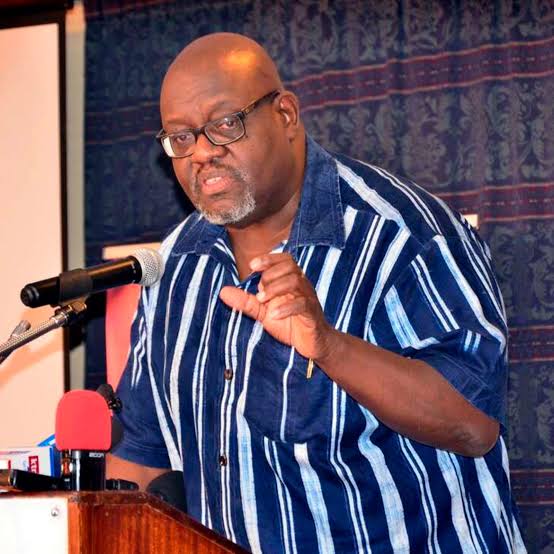
The ministers he accused were temporarily sidelined only to be reinstated. Once again, the whistleblower was exiled, while the implicated comfortably returned to power. The message was reinforced: exposing corruption is a greater risk to one’s safety than committing it.
Which Way Kenya?
Today, Kenya faces familiar accusations of grand corruption. Yet, the defenders of the public purse—the journalists, activists, and internal whistleblowers—operate with a diluted witness protection law and within a culture that often views them as traitors, not patriots.
The question is not whether we have brave Kenyans willing to sound the alarm. We do. The question is whether Kenya will finally build a system that protects them, that ensures their sacrifice leads to accountability, not ruin.
Will we create a nation where the David Munyakeis and John Githongos are honored and secured, or will we remain a country where they are hunted and broken? The path we choose will define our nation’s integrity for generations.
The writer is a journalist and human rights defender with expertise in Africa’s political transitions, peace, and security.