|
Getting your Trinity Audio player ready...
|
By Henry Owino | Talk Africa, SGBV Desk
Kibera, Nairobi County: After years of abuse and public silence, Phiona Anyango finds hope and healing through grassroots women’s movements in Nairobi’s Kibera settlement.
In Nairobi’s largest informal settlement of Kibera, gender-based violence (GBV) remains a silent epidemic, hidden behind closed doors, muffled by stigma, and fueled by poverty.
For 31-year-old Phiona Anyango, what began as a loving relationship quickly turned into years of physical assault and financial humiliation. Today, she shares her story of pain, survival, and newfound empowerment through the support of her community.
A Marriage That Turned Violent
Anyango moved to Nairobi in 2018, hopeful for a better life. A year later, she met a man, fell in love, and married him.
“At first, everything was peaceful and loving, just like any normal marriage,” Anyango recalls.
But by 2021, their relationship had taken a dark turn. Her husband became harsh, withdrawn, and easily angered. “Whenever I asked what was wrong, he would avoid answering,” she recalls.
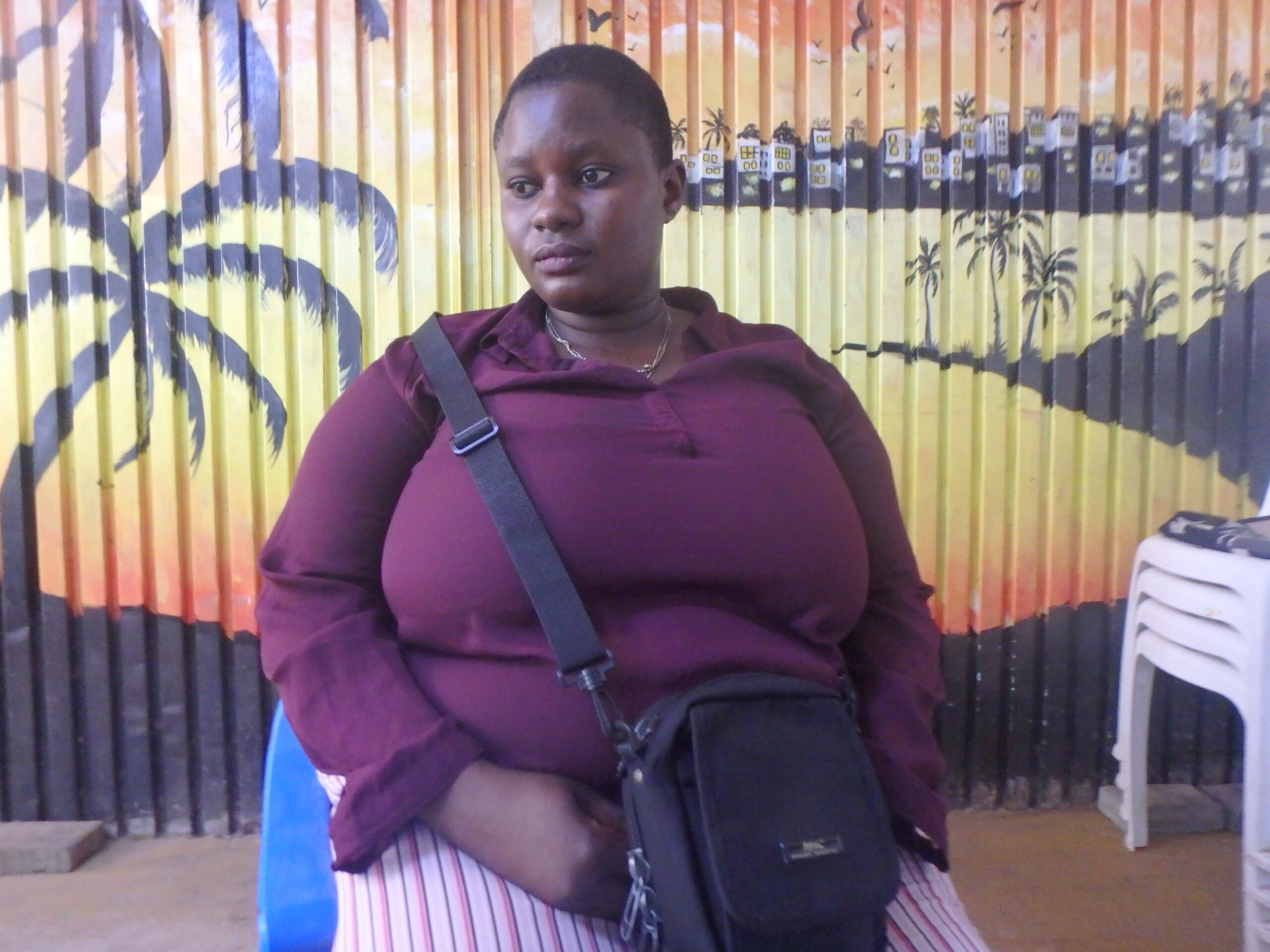
The COVID-19 pandemic only made things worse. Her husband lost his job, sank into alcoholism, and failed to provide for the family. Debts mounted and rent arrears forced them to move from one house to another.
“His behavior became known to neighbors, including the landlord within the area, hence none were willing to offer us a rental house,” Anyango regrets.
According to Anyango, his friends bought him chang’aa (a locally brewed liquor) but did not help him pay rent arrears nor buy his family food.
Going out to drink with his friends and coming back home drunk, demanding food and fighting his wife became the order of the day.
“Living with a habitually drunk husband became a lifestyle. Neighbors got used to our fights because it was a nuisance until we were told to vacate,” she says.
Struggling to Survive
Desperate to sustain her family, Anyango started a small business selling smokie sausages and boiled eggs along the roadside. But instead of appreciating her effort, her husband accused her of betrayal and infidelity.
Life became unbearable, and eventually, they moved into a smaller, affordable house, but even then, they could hardly afford one meal a day.
Out of desperation, the husband began selling household items secretly. By the time Anyango realized what was going on, only a mattress, bedding, and utensils were left.
He had sold the television set, pretending to have taken it for repair, while the bed and furniture were sold on a single day. When Anyango asked, he claimed he would replace the items.
“In that small house, he became more violent,” Anyango says softly. “He would force indescribable things in front of the children and insult me constantly. The neighbors complained about the noise and fights, but never cared.”
To avoid the daily quarrels and fights, Anyango began working late into the night up to 9 pm. But the husband accused her of infidelity, which led to more violent outbursts. Over time, the neighbors stopped intervening. This gave him the advantage to beat Anyango even more.
“The neighbors’ silence made him bolder. He knew nobody would interfere, hence the scornful beating,” Anyango recounts while tears roll down her cheeks.
A night of brutal violence
One night, at around 9 pm, after returning home from work, her husband exploded again. Without any warning, he assaulted her with a club and a plastic rod and clubbed her almost to death.
“I collapsed and lost consciousness,” she recollects, adding that when she regained consciousness, it was the next morning at Shofco hospital. Her body was swollen and bleeding, and she couldn’t even talk properly.
A medical examination revealed she had lost two teeth, suffered severe neck and leg injuries, and had deep bruises all over her body.
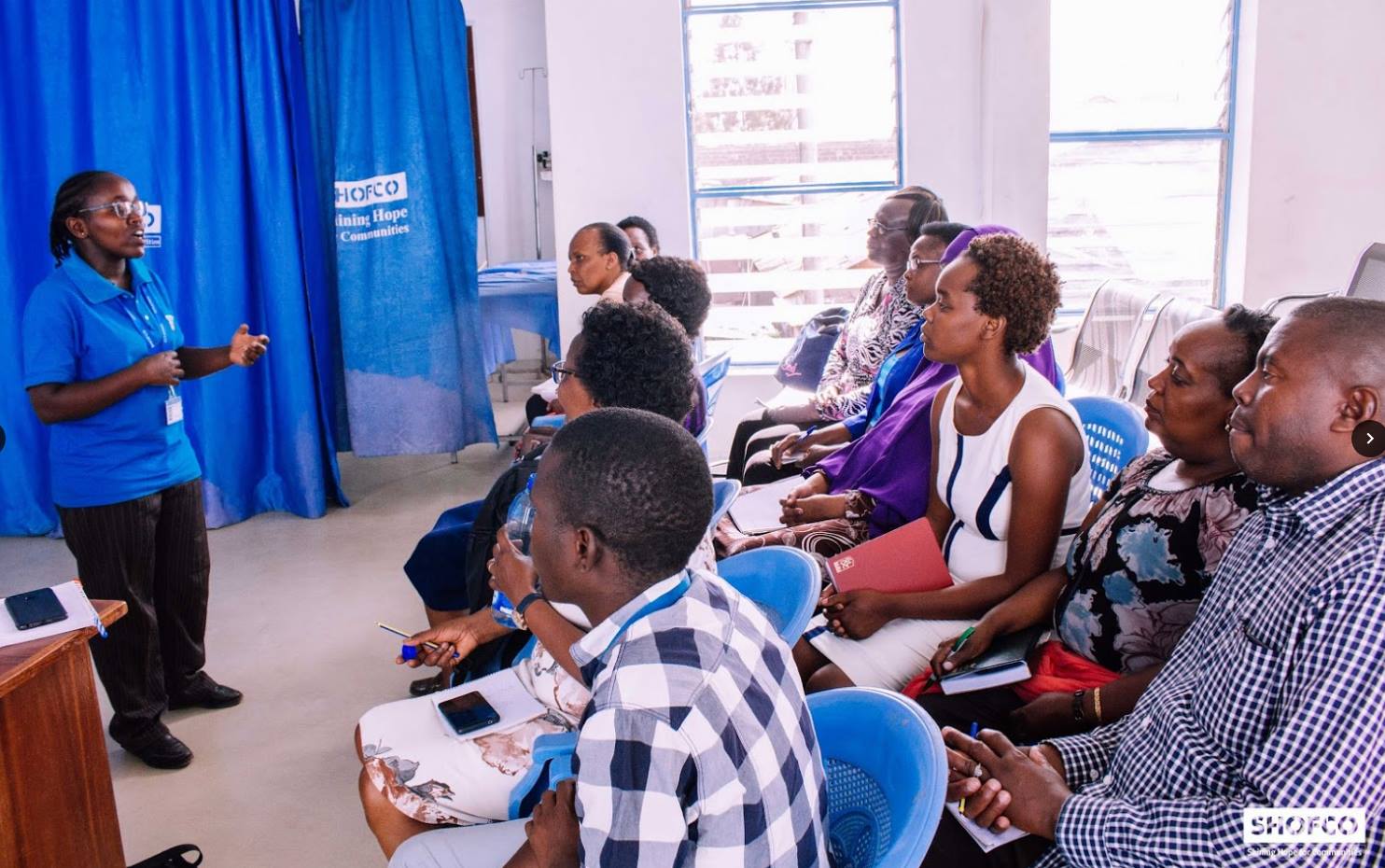
The medical team at Shining Hope for Communities (Shofco) observed and recorded Anyango’s health status and reported the assault to the police station. They also assured her of her children’s safety in the Shofco safe shelter.
Shofco is a local grassroots movement based in Nairobi, Kenya, in urban slums providing health services, girls’ education, community advocacy platforms, justice suppor, and leadership development for women and girls.
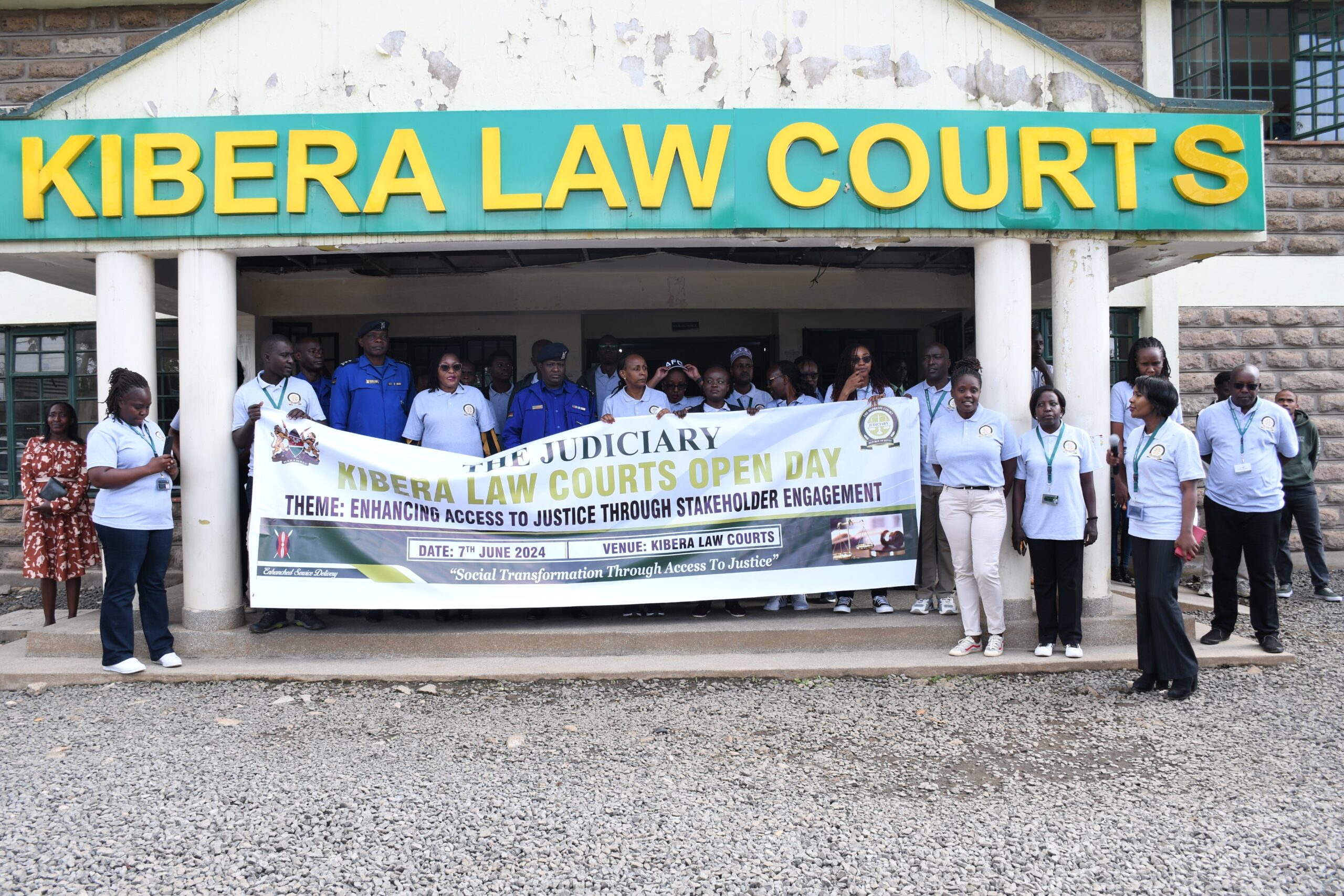
The husband was later arrested and charged at the Kibera Law Courts. This was initiated by Shofco, neighbors, and local leaders in collaboration with the police.
Pursuing Justice and Cultural Dilemmas
Court proceedings were set, but Anyango couldn’t attend the first hearing because she had to move her 13-year-old son to another safe shelter for older children. The case was postponed to a later date.
Due to a backlog of SGBV cases at Kibera Law Courts, Anyango’s case was pushed too far, discouraging her as she wanted timely justice. The long period of waiting for justice gave her in-laws an opportunity to intervene.
Anyango’s mother-in-law reached out to her, urging her to resolve the case traditionally, a common practice in the Luo tribe culture, where elders and family leaders mediate marital disputes. This could be equated to the modern alternative dispute resolution (ADR) mechanism settled outside the law courts.
It is a different way people can resolve disputes without a formal court trial. Common ADR processes include mediation, arbitration, and neutral evaluation under local authorities such as the Area Chief or the Village Elder.
“My husband admitted his mistakes,” Anyango discloses. “After negotiations between the two parties, the chief ordered the husband to pay KES 30,000 as compensation,” Anyango affirms.
His brother paid half, promising to pay the balance after two weeks. Unfortunately, he has never paid it to date. Anyango alleged the remaining money could have gone to unknown pockets in the team.
Anyango believes there was a corrupt deal because the perpetrator (her husband), was released despite the partial payment. Making follow-ups became so tiresome and expensive in terms of time and money that she gave up.
“I used the little money to rent a new house, buy basic items, and restart my small business,” she says. “Although the business is currently struggling, I’m hopeful it will pick up.”
Conviction of the SGBV perpetrator often helps survivors to regain their sense of security and peace.
Finding Healing and Hope
Since 2023, Anyango has lived alone with her two children. But her husband’s shadow still looms large. She claims that he recently sneaked into her house and stole her smartphone.
The incident left Anyango deeply shaken, wondering how he had managed to trace her new house. Gathering courage, she reported the matter to the Feminist for Peace Rights and Justice Centre (FPRJC), located in Kisumu Ndogo, Kibera.
Following their intervention, he was ordered to return the stolen phone and was formally summoned with a directive prohibiting him from approaching her residence or coming within a 500-metre radius of the premises.
FPRJC works to empower grassroots women, promote leadership, and end GBV through training in entrepreneurship, savings, and self-reliance.
After surviving the horrifying and harrowing realities of gender-based violence, Anyango slowly began to rebuild her life, finding strength, healing, and purpose through empowerment programs at the FPRJC, Kibera.
Through FPRJC’s programs, she received training in savings, entrepreneurship, and women’s economic empowerment. These sessions not only equipped her with practical business skills but also helped her regain confidence and self-worth.
“Today, I can make informed financial decisions and manage a small business with independence and dignity,” she says with a renewed sense of hope.
The FPRJC has become a safe space for survivors like Anyango, a place where women share experiences, support one another, and rebuild their lives free from violence and fear.
Although there are victims who will never reach out to access care, for those who do seek help, having multiple services at one location is a tangible benefit.
Evidence suggests that linking medical and legal services increases survivors’ willingness to prosecute their perpetrator.
The Bigger Picture
According to Sarah Dafala, a paralegal officer and GBV team lead at FPRJC, the organization handles at least three GBV cases daily and about ten per month. She says Kibera is the most affected estate among the urban slums of Nairobi County.
“The numbers rise during school holidays when families spend more time together, for instance, working from home during COVID-19, long weekends, vacation”, she explains, emphasizing the need for continuous awareness and psychosocial support for survivors.
Dafala says Women Rights Activists, in collaboration with other like-minded stakeholders, want the government, through the established Technical Working Group on GBV and Femicide Task Force, to strengthen institutional and policy responses to the pressing challenges.
“The initiative reflects the government’s commitment to tackling GBV and femicide, ensuring Kenya moves toward a more equitable and just society,” Dafala acknowledges, adding that ‘there is a need for expertise in prosecution of GBV offenders, enhanced protection for survivors, and funding to support community-based approaches.”
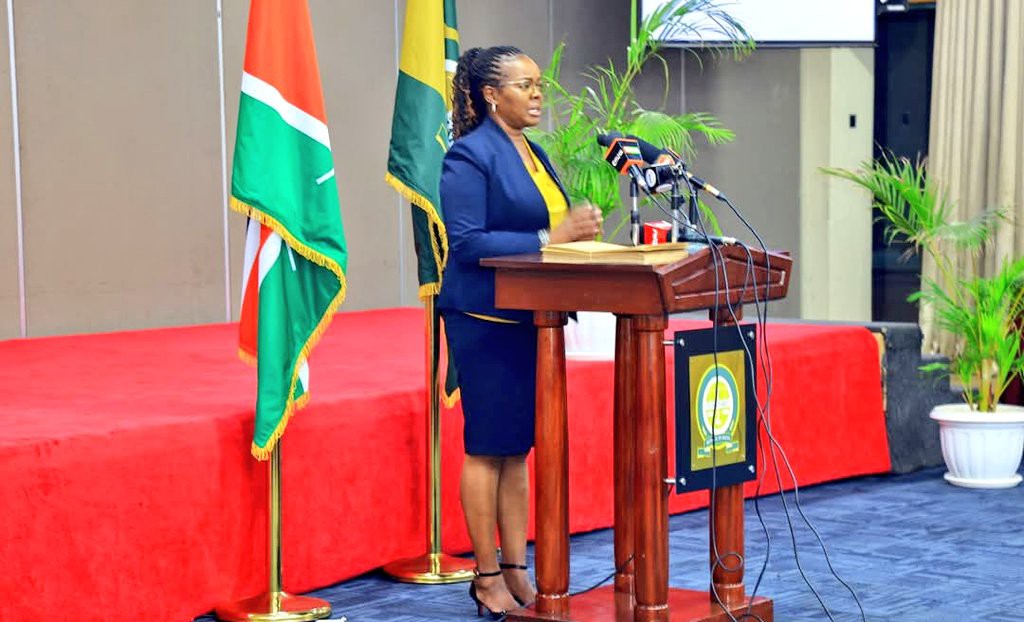
Anne Wang’ombe, Principal Secretary for Gender and Affirmative Action, assured that the formation of the technical group is significant in addressing violence against women, who are majorly affected and targeted by GBV.
Wang’ombe assures the communities that the government is committed to empowering community-based approaches by extending support to grassroots awareness campaigns. She said the Ministry is working hand in hand with the task force to ensure it delivers actionable recommendations that will shape policies and drive sustainable change.
“The committee task force mandate includes: assess gaps in prevention, response, investigations, and survivor support systems in GBV and femicide cases,’ she listed. So, the Ministry is working closely with the group and stakeholders involved to ensure impactful outcomes of the report document,” she confirmed.
A Survivor’s Message
Anyango’s journey is a story of pain, courage, and transformation — a reminder that violence often begins subtly and escalates over time.
“Gender-based violence doesn’t always start with a slap,” she warns.
“It starts when one partner’s needs are ignored, when fault-finding becomes routine, and when you start losing your sense of self. If you notice these signs, seek help early — your peace and safety come first.”
Anyango’s story mirrors the struggles of many women in Kibera who continue to bear the brunt of gender-based violence, often in silence. Yet, her resilience and determination to rise above trauma highlight a growing wave of women reclaiming their power and dignity.
Across the Kibera informal settlement, organizations like FPRJC, Shofco and Polycom are offering survivors not just refuge, but also pathways to healing, justice, and economic independence. Through awareness campaigns, legal aid, and community engagement, they are challenging deep-seated cultural norms that have long normalized abuse.
For Anyango, life has taken on new meaning. She dreams of expanding her small business and one day mentoring other survivors — proof that recovery is possible when women are given support, safety, and opportunity.
“I may have gone through pain,” she says softly, “but today, I choose peace, strength, and a future without fear.”
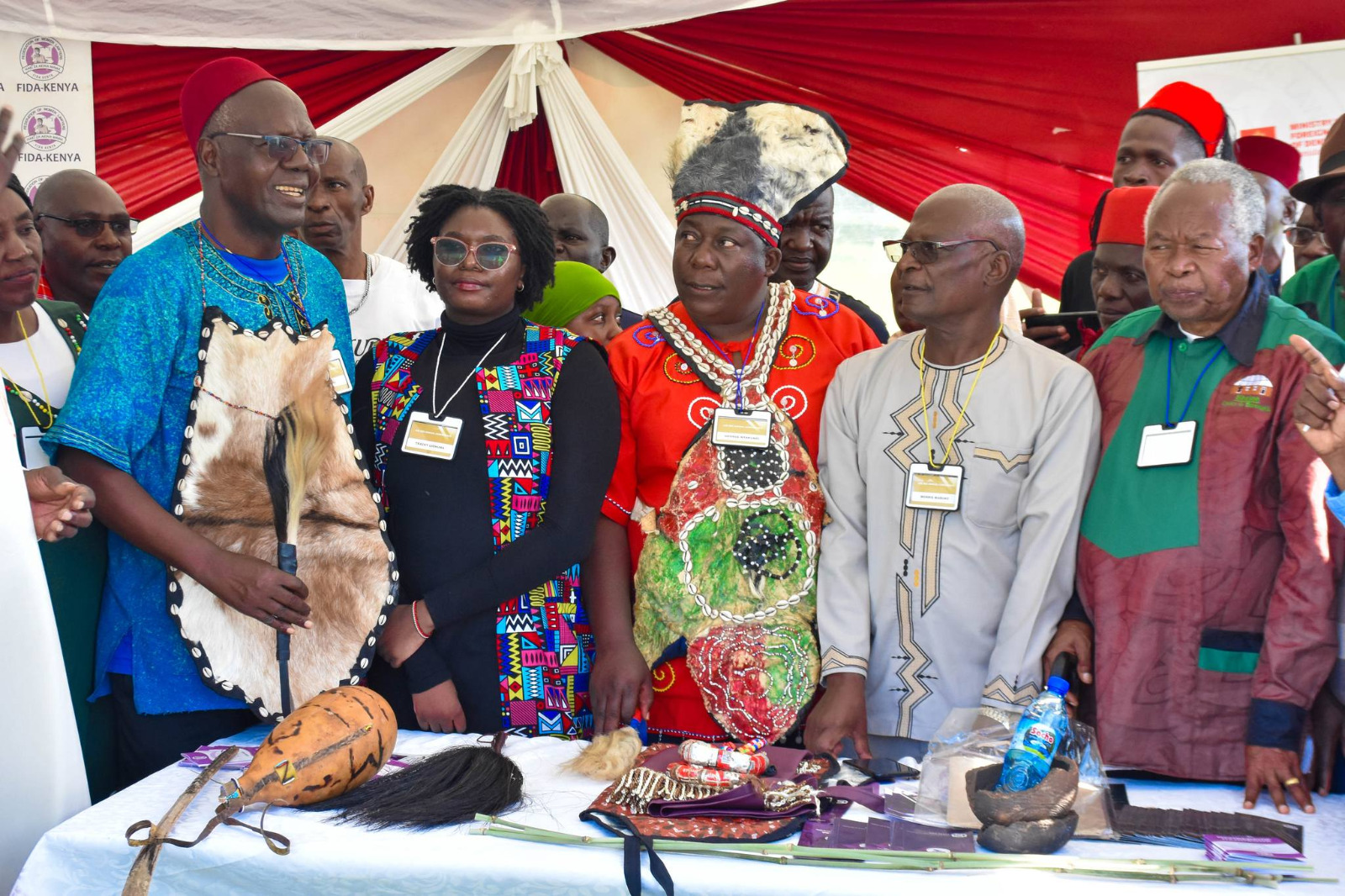
Samuel Ogolla, a local religious leader within Olympic, Kibera, commented that domestic violence is a primitive way of solving family discourse. He explained that using masculinity to abuse your spouse is unjust, and it is a misuse of a person’s power to stamp authority.
“In my church, where I lead, when I hear of such violations, the perpetrator is always excommunicated while investigations are on until an amicable solution is determined,” Bishop Ogolla comments.
“Our God wants us to serve justice in a domestic abuse case brought before us as church leaders. So, as religious leaders, we defend God’s righteousness by standing against domestic violence within families, ”Bishop Ogolla affirms.
About the Writer: Henry Owino is a Nairobi-based journalist reporting on gender, health & Science, and human rights for Talk Africa. He covers stories highlighting survivors’ resilience and grassroots movements for justice and equality.
This story was made possible with the grant from WANIFRA-WIN SIRI Accelerator Programme.