|
Getting your Trinity Audio player ready...
|
By Victoria Fakiya
Lagos, Nigeria: In Africa’s fast-growing fintech ecosystem, privacy is becoming the next big battleground. For years, sending money meant exposing your phone number, a small detail that opened the door to spam, scams, and unwanted contact. Now, Safaricom is trying to change that.
Instead, only partial digits and limited identity details will show, while recipients can request full details, subject to the sender’s approval.
What this means is a shift towards “data minimisation” in everyday payments. Whether you’re paying a merchant via Till or PayBill, or sending money to a friend, your personal contact details won’t be fully exposed anymore.
The move comes after approval from the Central Bank of Kenya and will apply across peer-to-peer and merchant transactions.
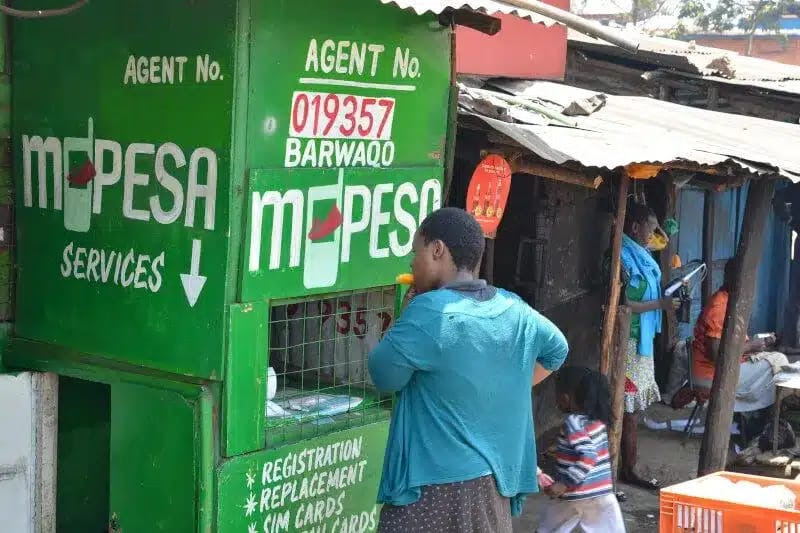
Why does it matter? Scale. M-Pesa processes tens of millions of transactions daily, making it one of Africa’s most critical financial rails.
Masking phone numbers reduces the risk of fraud, unsolicited contact, and social engineering, issues that have quietly followed the growth of mobile money across the continent.
The context is bigger than Kenya. As mobile money becomes infrastructure across Africa, regulators and fintechs are under pressure to build “privacy by design” systems.
Safaricom’s move signals where things are heading: less data exposure, more user control, and tighter trust in digital payments, especially as platforms like M-Pesa expand into everything from savings to stock trading.
This article has been republished from TechPoint Africa