

By Albert Mwangeka
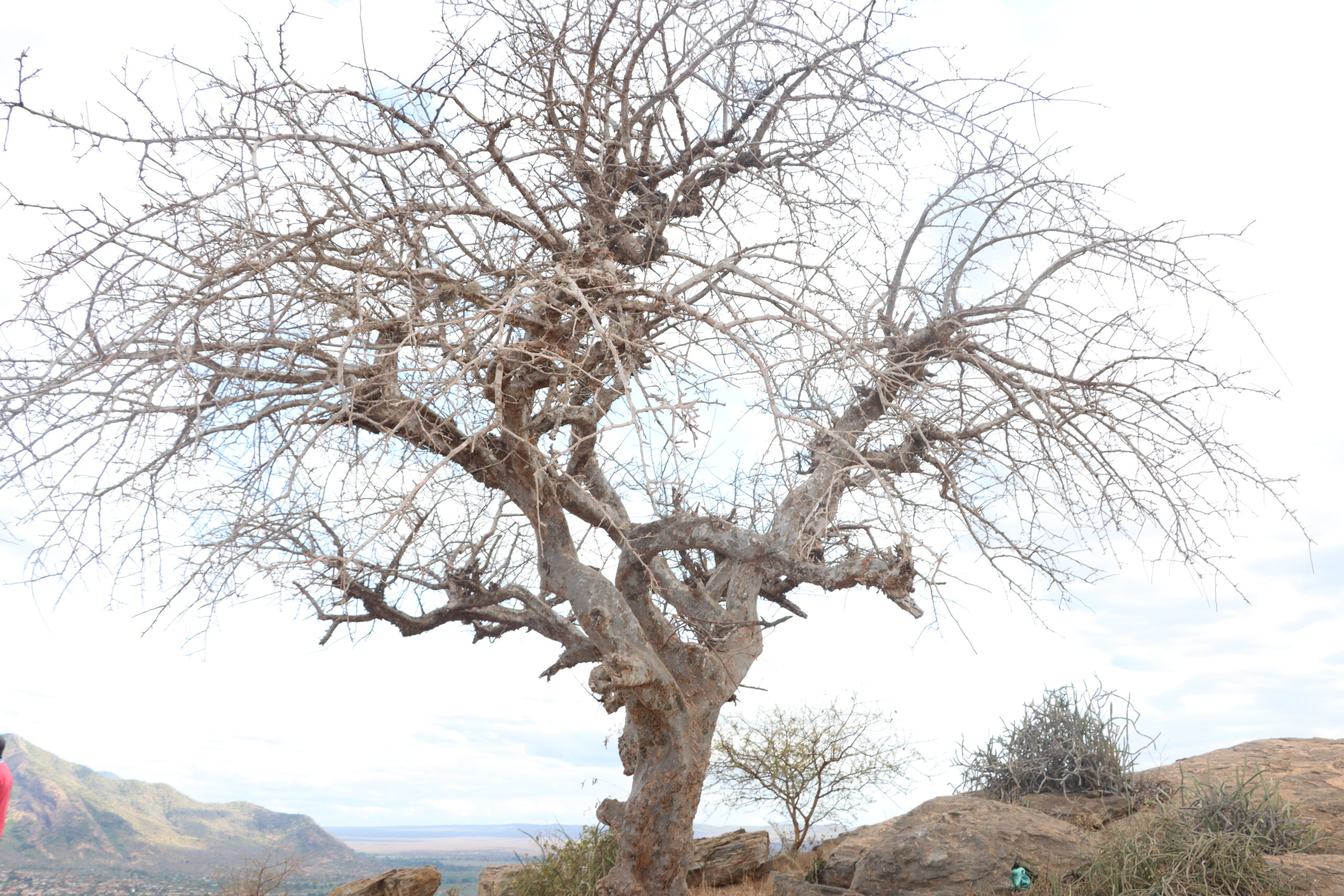
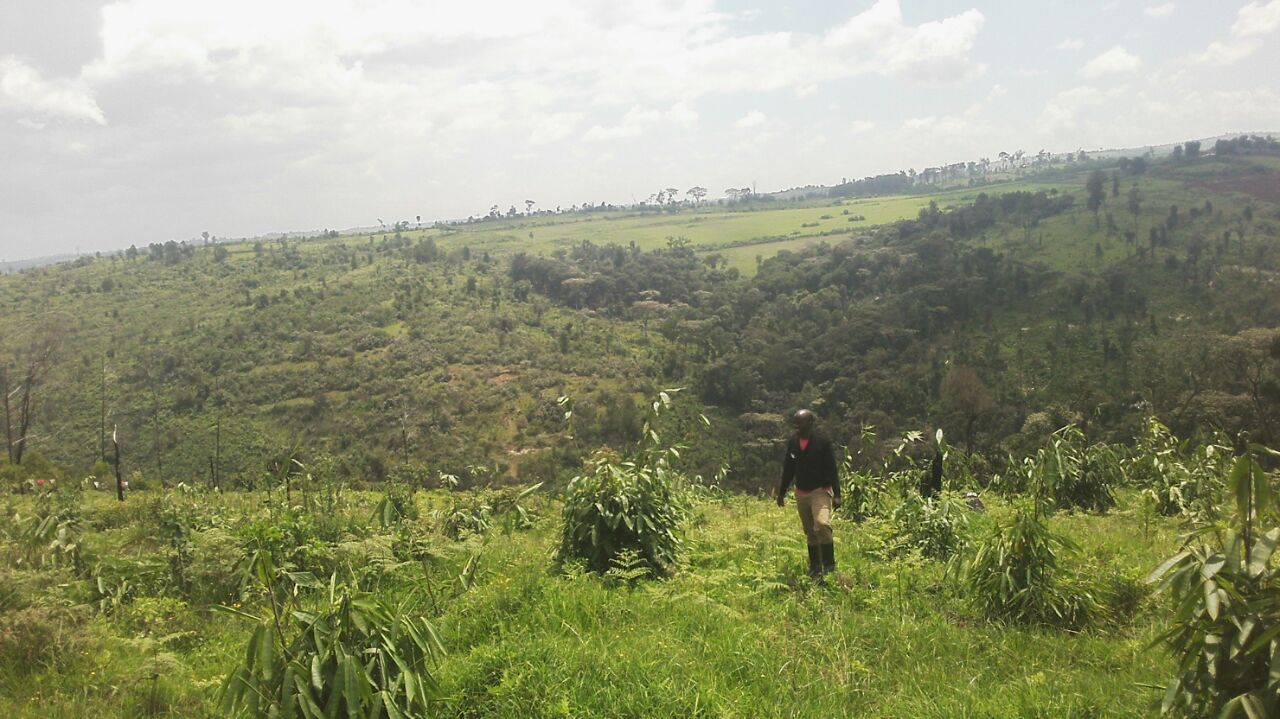
Taita Taveta, Kenya: Nestled in Taita Taveta County, Mwangea Hill, crests at an elevation of 625 metres above sea level. Despite offering panoramic views that offer the ultimate sceneries ideal for hiking and sightseeing, the geographical feature has undergone environmental degradation.
This has been blamed on prolonged drought, one of the devastating effects of climate change. In this vein, efforts to grow trees in the past 5 years seemed frustrating for Herbert Mwazi Warombo, 56, Patron and Founder, Mwangea Tsavo Group.
“I have mobilised community members to grow 5,800 trees, but only 200 have survived,” Herbert noted.
The patron attributed the poor survival rate of 3.4% to an inconsistent water supply, again brought about by the adverse effects of climate change.
Silvester Mghenyi, 51, a pioneer member of the group, added that uncontrolled grazing and human pressure also played a factor as the area is not fenced.
The community-driven idea to grow trees in this dying ecosystem was not only to restore the former glory of the hill that boasted towering canopies of trees, but also to provide nature-based solutions towards mitigating the historical plague of flooding.

Director for Climate Change, County Government of Taita Taveta, John Mlamba, expressed that the trees would play a pivotal role in managing storm water and in this context, handling surface runoff meant controlling floods downhill.
“Flooding, which has been a perennial eyesore in the area, has led to soil erosion, habitat destruction, formation of gullies, disruption of human activities, loss of lives and property as well as contamination of water. Trees can significantly reduce the risk of floods by intercepting rainfall and slowing down the flow of water into waterways,” the climate expert added.
He mentioned tree-growing as a holistic mode of landscape restoration as trees act as carbon sinks, purify air, and encourage the formation of habitats for biodiversity.
FOLAREP: Architecture for Restoration
However, the Forest Landscape Restoration Implementation Plan (FOLAREP) is lending a lifeline to communities and the ecosystem alike to reinstate the ecological integrity of barren lands and help offset carbon emissions through nature-based solutions like tree-growing.
FOLAREP is a Kenya-UK PACT-funded collaborative initiative that involves implementing partners CIFOR-ICRAF, the Food and Agriculture Organisation of the United Nations (FAO), and the African Wildlife Foundation (AWF) seeking to restore 226,420 ha of desolate lands in Taita Taveta County.
According to the Taita Taveta’s County Executive Committee Member (CECM) in charge of Water, Sanitation, Environment, Climate Change and Natural Resources Grantone Mwandawiro the ambitious blueprint encompasses covering diverse landscapes such as rangelands, agricultural lands, wetlands, catchments, croplands, woodlands, riparian areas, watersheds, road reserves, forested land, and even urban areas.
Governor for Taita Taveta, H.E. Andrew Mwadime, equated the blueprint and restoration of land to healing, while also calling on communities to take action.
“This is a clarion call for individual and collective responsibility that will enable us to take care of our surrounding environments. Barren lands become productive and in turn can provide sustainable livelihoods in agriculture and agroforestry, thereby improving the quality of lives for the grassroots level populations,” Mwadime expressed.

The Chairperson of the National Environment Authority (NEMA), Emilio Mugo, said that if everyone could internalise the importance of environmental conservation, then protecting the environment would be much easier and the government would do much less.
The urgency towards rehabilitating desolate lands was echoed by Robina Abuya, Climate Change Portfolio Manager, at the British High Commission.
She stated that Kenya-UK PACT has been instrumental in offering support towards the creation of the FOLAREP plan, which led to the identification of Mwangea Hill as a potential restoration site.
“I am hopeful that with our seed support, we will see a crowding-in effect where other partners will see value and be willing to support,” Robina remarked.
On the other hand, during the World Day to Combat Desertification and Drought, Mwadime announced Kenya’s first Land Degradation Neutrality (LDN) pilot project launched at Mwangea Hill, with the initiative aligning with FOLAREP.
As part of the LDN initiative, NEMA is set to fence the area to allow for regeneration, control human movement, as well as keep off livestock and more so, browsing animals like goats.
This new addition was welcomed heartily by community member Silvester, who keeps guard on the hill tirelessly to ensure the growing seedlings are safe from such animals.
This progress reflects a commitment towards delivering nature-based solution outcomes by addressing policy, institutional and monitoring gaps in forest and landscape restoration.
A Vision of Restoration
With these developments, Mwangea Tsavo Group, which has recruited close to 50 people, remains undeterred, despite failed attempts to regain the hill’s ecological health.
Already earmarked as a potential restoration ecological zone, during drafting of FOLAREP and inducted into the LDN project as a result, Herbert is optimistic that Mwangea Hill will restore its former fame as a biodiversity hub, hiking site, and prayer sanctuary.
Not only is he hopeful that FOLAREP will provide a coordinated approach in restoration, he also believes the participatory plan is a resource mobilisation tool, further set to optimally engage partners in handling intervention areas identified.
He believes his current grassroots-led initiatives and recruiting of diverse members to the group would greatly complement his past efforts, as well as ensure community activities are linked to global goals of reversing emissions by growing trees.
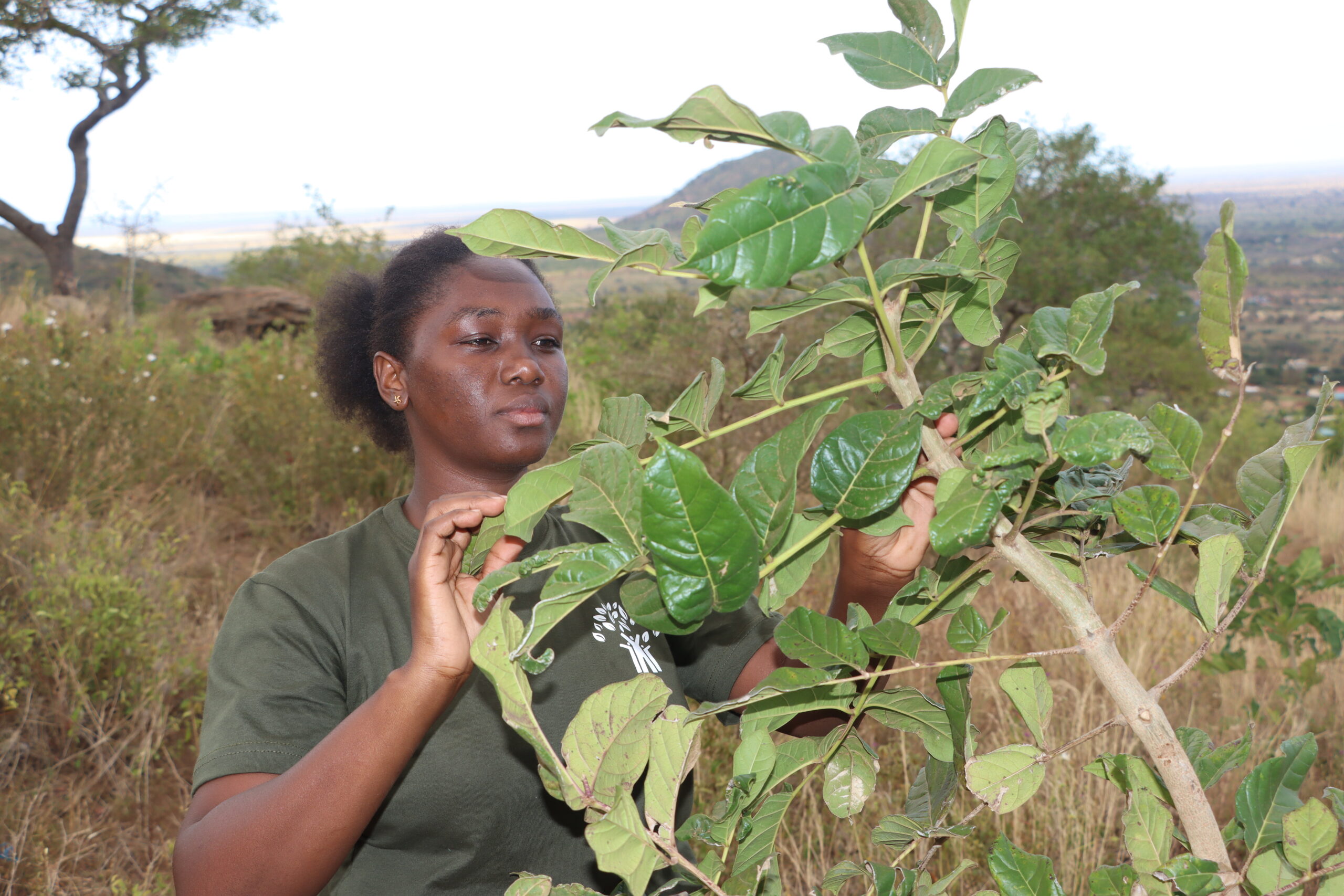
“I have further established a tree nursery and donated 1,500 trees to local primary schools to instil a sense of environmental stewardship to the young ones. I believe this knowledge will stay for generations to come,” he added.
Eunice Mkanjala, 30, is a young leader in the group who takes the message of climate action to women in salons.
“In the spirit of being a catalyst for change, I have mobilised 70 women and we engage together in weekly tree-growing exercise on the hill,” Eunice recalled.
The Future is Green
On June 17th, 2025, Taita Taveta County joined nations of the globe to mark the World Day to Combat Desertification and Drought with 15,000 seedlings planted.
Observance of this day saw Cabinet Secretary (CS) Environment, Climate Change, and Forestry, Deborah Barasa mention how Arid and Semi-Arid Lands (ASALs) cover 80% of the country, and this made desertification and drought a threat to Kenya.
The CS presented an example of the 2021–2022 drought, describing it as the worst in 40 years. She, however, stated that Kenya had surpassed its 10% constitutional tree cover target, now reaching a new peak of 12.3%.
“I am calling on all Kenyans to take action by planting at least 20 trees by the end of 2025 and adopting sustainable land practices,” she urged.
Additionally, Taita Taveta County has a decade-long climate action campaign that requires every resident to grow at least 100 trees annually for the next decade. CECM Grantone revealed that this is set to support the ambitious growing of 360 million trees by 2032.
With over 200,000 trees planted, this initiative which again aligns with FOLAREP, is crucial in increasing the county’s forest cover from 3.41% to 10% and the tree cover from 6.87% to 30%
Since 2022 restoration efforts have commenced on forested areas, road sides, schools, urban spaces, farms, private homesteads, and areas around wetlands.
A Rebirth in Foresight
As the sun rises on the once lush Mwangea Hill, local climate champion actions like Herbert, Silvester, and Eunice create a signature reminder that landscape restoration can begin at a community level.
Indigenous species grown in this ecological zone are Kigelia africana (sausage tree/mwasina), Acacia lahai (red thorn/mzwaule),
Melia volkensii (mukau/kirumbutu), Trichilia emetica-(trichilia/muwamaji/mtimai) and exotic ones include Tectona grandis-(teak), Senna siamea (mlezeni), Delonix regia (flamboyant/msikuku), Azadirachta indica – (neem/mwarubaini), Terminalia mantally (terminalia/mwanga), and Gmelina arborea (melina/arborea).
Indigenous varieties like Kigelia africana (sausage tree/mwasina), and Acacia lahai (mzwaule), have exuded better survival than exotic species, a showcase of resilience in native flora in this ecological revival.
This remains a narrative of resilience and home-grown solutions in regreening, showcasing environmental stewardship for a sustainable and greener future.
 With FOLAREP’s inclusive blueprint that welcomes a participatory approach in a transformative journey that’s in pursuit of achieving and interlinking Sustainable Development Goals (SDG) 15 touching life on earth, intertwined with SDG 13 on climate action, not forgetting SDG 17 that calls for partnership for the goals, communities are being transformed to ecological champions.
Regreening Taita Taveta remains not only in paper but a living movement geared towards reversing carbon emissions and working towards a low carbon future; a tree at a time.










Mitigating climate change going forward should be clearly defined by all stakeholders and ensure effective participatory by the community. In my own opinion the community members neighboring the the Mwangea hills to be mobilized and sensitized to do SWOT analysis to be able come up with community identified issues prioritization and efficient interventions.
Comments are closed.