|
Getting your Trinity Audio player ready...
|
By Victoria Musimbi
Nairobi, Kenya: Millions of children in Kenya are being left behind as public education struggles to keep pace with the rapid rise of private schools. While private institutions promise innovation and choice, the reality is stark: inequality is widening, and children from low-income families and marginalised communities are losing out on their fundamental right to learn. From informal settlements to rural villages, pupils are speaking out, demanding a public education system that is strong, inclusive, and accessible to all.
Voices of the Children: Speaking Out on Education Inequality
A pupil from Kibiko Comprehensive School said, “Our parents are already doing their best, but they cannot do it alone. Education is our right, and it is the government’s duty to make sure we get it. When you invest in public education, you invest in our future in Kenya’s future. Please hear our voice. We want to learn, we want to build our future, and we want to make our country proud.”
A learner from Riruta Junior School appealed to the government, saying, “Please make public education a living reality, not just what is written on paper. We need more public schools that are well equipped and well staffed. End corruption, end ghost learners and ghost schools, and divert that money to strengthen public schools across Kenya. Support the children in informal settlements, in villages, in every corner of Kenya, because we are all equal citizens.”
A student from Kajiado West (Kibiko Comprehensive School) added, “When you invest in us, you invest in peace, dreams, justice, and the nation’s growth. Let public education work strong and free for every Kenyan child, including me.”
A Form Three student from Mang’u High School reminded the country, “Education is the greatest equaliser. It narrows the gap between the rich and the poor.” A learner from Treeside School for the Deaf in Kasarani called for inclusivity, saying, “Please remember deaf children and children with disabilities. We need inclusive public schools with specialised learning materials and equipment. We need equal support and to be included in decision-making. Give every child a fair chance to learn. Leave no child behind.”
Mitchell Baraka from the Catholic University of Eastern Africa stated, “This is a call to the government for accountability. And we, the students, must be the ones to keep them accountable. If we do not ask the hard questions, who will?”
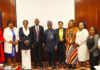
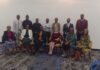
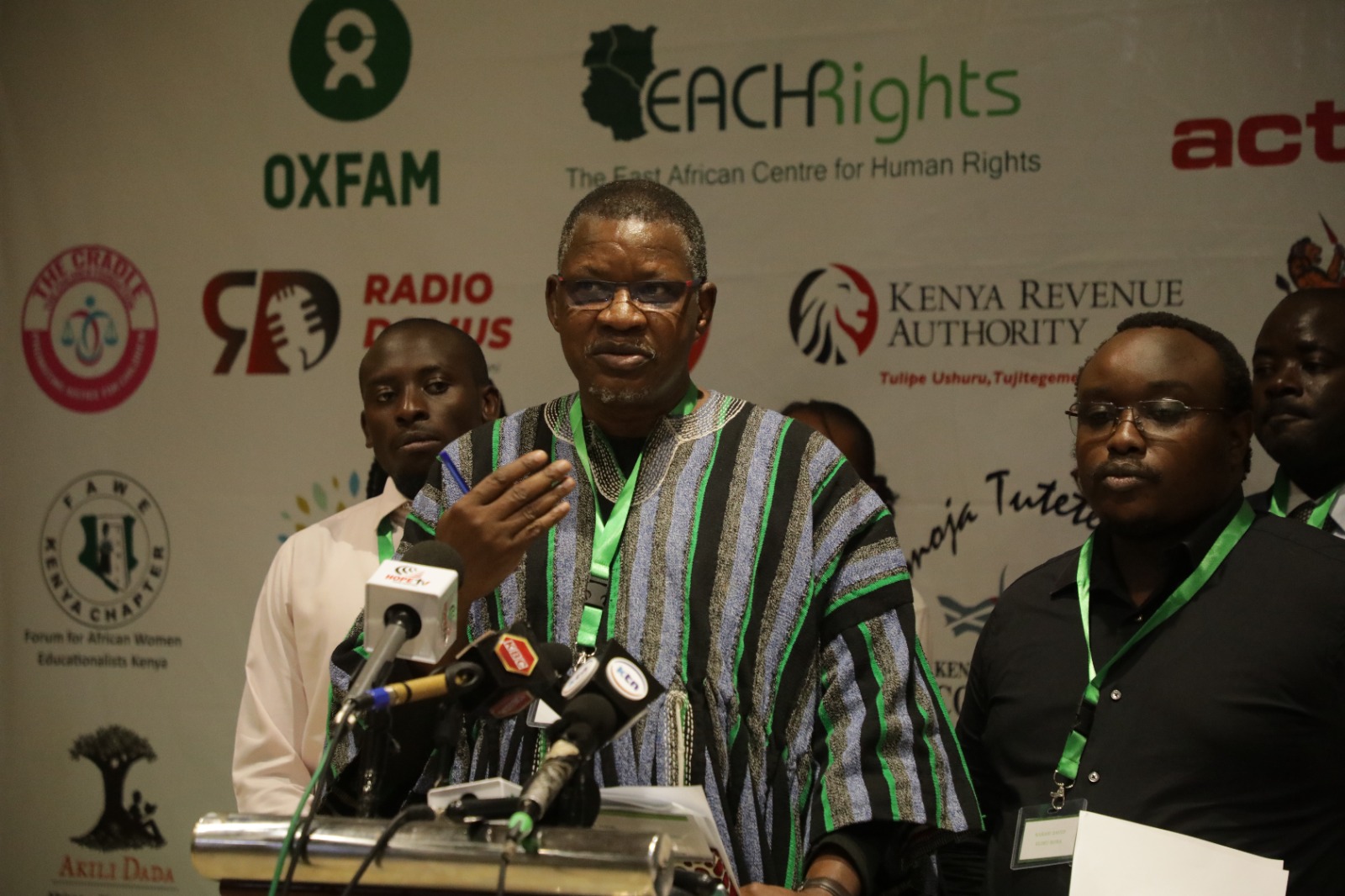
Carel Omwoyo, Secretary General of the University Leaders Association in Kenya, emphasised the impact of privatisation, saying, “Privatisation is destroying our society. Education has become too expensive, and many university students are dropping out because their parents cannot afford it. Education is a right, and we must ensure it is affordable for every student in this country.”The East African Centre for Human Rights (EachRights), in partnership with Oxfam and ActionAid, recently held the first National Conference on Privatisation of Education in Kenya. The event brought together education stakeholders, children, parents, teachers, civil society organisations, and government representatives under the theme:
“Privatisation of Education: A Threat or an Opportunity to Equity and Inclusive Quality Education for All.” While children shared their daily struggles, civil society leaders and experts underscored the systemic changes required to address their concerns.
Fridah Mwende, Senior Programs Officer at Pendekezo Letu, urged the government: “We want every child to have equal and affordable access to education, whether they live in informal settlements, high-end estates, or rural villages. Education must be equitable, inclusive, and accessible for all, without discrimination or barriers.”
Special Needs Education: Inclusion Matters
David Karani, a member of the Elimu Bora Working Group, noted that special needs education in the private sector is extremely expensive and out of reach for many families. He stressed that the government must establish special needs units in every public school and ensure teachers are properly trained for each category of disability.
He added, “Learning materials must be provided on time, because last year, blind learners received their textbooks a year late, preventing them from completing the curriculum.” Karani further noted that “learners with special needs in higher institutions must receive the necessary support and accommodations so they can compete fairly with their peers.”
Addressing Inequality and Government Accountability
Experts at the conference highlighted how weak policies and rapid privatisation are worsening inequality. Johnstone Shisanya, Program Manager at EachRights, said: “We are here at this conference to assess whether privatisation is an opportunity or a threat. Generally, the State has the responsibility to provide quality public education to every citizen, and we are calling on the Government of Kenya to realise this mandate. Unfortunately, this dream is fading due to several reasons.”
He added that inequality in education is deepening, noting that Kenya cannot end inequality without addressing the weak education systems in the country, including issues of regulation. He warned that without proper regulation, private actors will continue to mushroom, jeopardising the quality of education.
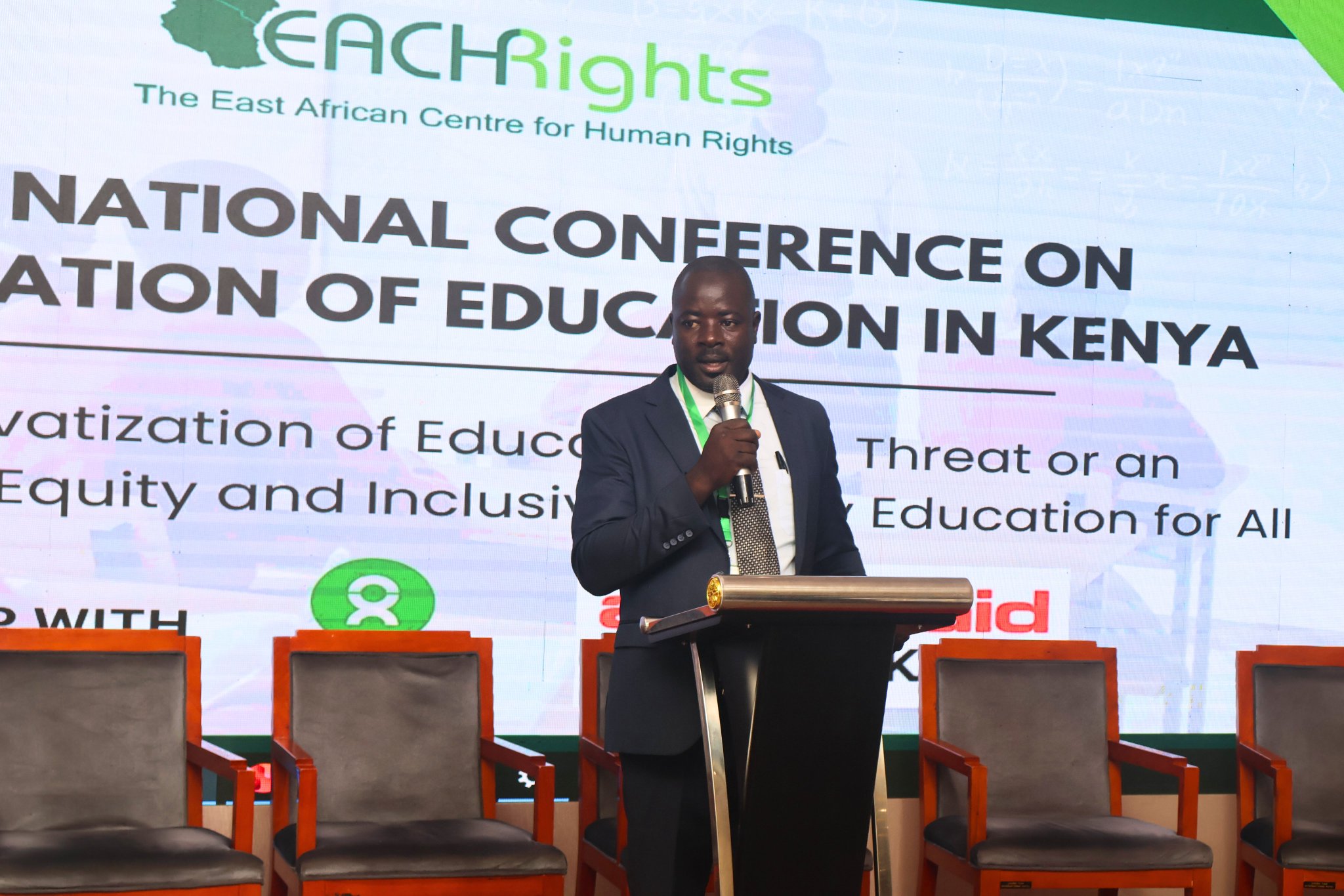
Shisanya outlined key concerns: Taxpayer money should translate into quality public services, including education. Public education must be fully funded and well-resourced to prevent collapse. Capitation grants should be disbursed at the start of each term. School infrastructure must be strengthened, and funds used efficiently. Private providers must be regulated to guarantee the safety and well-being of children.
The Role of Children in Advocacy
Boaz Waruku, Policy Advisor at the Elimu Bora Working Group, said: “Children were involved in this conference so they can raise their voices directly. When you hear from them, you understand that their demands reflect the reality on the ground. They shared stories from informal settlements and communities where public schools don’t exist.”
He emphasised that if public schools collapse, the visions and dreams of over 85% of children in the country will collapse with them. He stressed that the government has a duty to act now and ensure equitable, inclusive, and quality education, adding that listening to children is not optional but essential for building a nation that leaves no child behind.
As the discussions came to a close, one message rang Clear, Kenya’s future depends on inclusive education system where every child , regardless of ability or circumstances, has the chance to learn, grow, and thrive.