|
Getting your Trinity Audio player ready...
|
By Portus Chege
Kenyan President William Ruto’s latest directive for police to shoot protesters in the legs—walking back an earlier shoot-to-kill order by his Interior Cabinet Secretary—along with the reinstatement of the country’s second-in-command for internal security, underscores a glaring culture of impunity and pushes the East African nation to the brink.
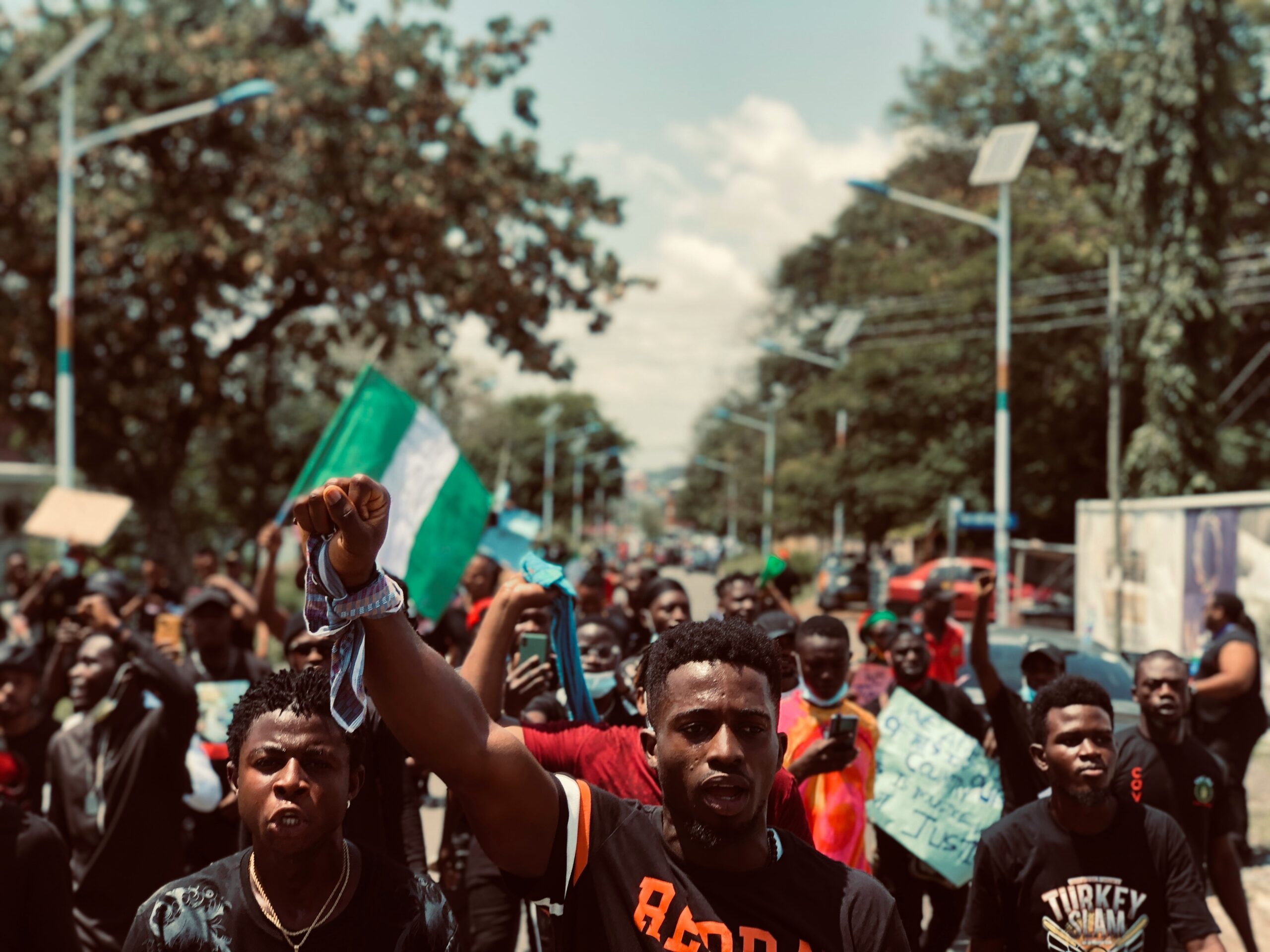
Amid escalating nationwide protests against his administration, a visibly furious President Ruto last week instructed police to shoot demonstrators who “dared” approach police stations or loot property during public unrest.
With chilling sarcasm, Ruto added that such police action would ensure victims visit the hospital “en route to court, en route to prison.” Declaring “enough is enough,” the tough-talking president asserted his readiness to confront public opposition to his governance.
Coming in the wake of a wave of extrajudicial killings by police targeting unarmed protesters, Ruto’s decree is as alarming as it is shocking. It amounts to an unmistakable presidential endorsement of state-sanctioned violence and a tacit rejection of the rule of law.
In effect, Ruto is telling the world that brute force—not constitutional principles—is his government’s answer to growing public dissent. His actions blatantly violate the very Constitution he swore to uphold, which guarantees freedom of expression and assembly.
Police have killed at least 42 people last month alone in brutal crackdowns on protests sparked by soaring living costs, fueled by misguided economic policies, excessive taxation, rampant corruption, and government waste. Unemployment, disregard for the rule of law, enforced disappearances, and abductions have further inflamed public anger.
The crisis deepened after protests marking the first anniversary of last year’s deadly Gen-Z demonstrations on June 25, 2024. Interior Cabinet Secretary Kipchumba Murkomen responded with an unconstitutional shoot-to-kill order, leading to 38 deaths as businesses were looted, buildings—including courts—were set ablaze, and police stations attacked.
Notably, reports suggest that the goons infiltrating protests and inciting violence are linked to government officials. Viral videos that have circulated on social media have shown suspected goons receiving payments outside his office before and after operations—exposing the hypocrisy of Ruto’s so-called “restrained” shoot-to-kill policy.
A Nation Pushed to the Brink
The current unrest traces back to June 25, 2024, when thousands of Kenyan youth flooded the streets to oppose a punitive finance bill imposing new taxes on an already overburdened populace. The protests turned historic—and deadly—when demonstrators stormed Parliament, an unprecedented act since Kenya’s independence in 1963.
The move forced Ruto to withdraw the bill and later dissolve his cabinet, only to reappoint most of the same officials in a hollow game of musical chairs. In a bid for political survival, he also struck a backroom deal with opposition leader Raila Odinga, rewarding his allies with cabinet positions.
But the damage was done: over 60 protesters were killed, hundreds injured, and others abducted—drawing condemnation from foreign embassies, rights groups, and citizens. The U.S. government demanded accountability for human rights violations, though the Kenya Kwanza administration denied wrongdoing and later fell silent.
Impunity on Full Display
Murkomen’s shoot-to-kill order—unconstitutional and illegal—was widely condemned as an abuse of power. Meanwhile, Deputy Inspector General of Police Eliud Lagat, suspected of involvement in the torture and murder of blogger Albert Ojwang, was in custody, and casually returned to office after a brief suspension.
Though junior officers were charged, Lagat was cleared by a state investigative body days after Ojwang’s burial. The blogger had been targeted over critical social media posts allegedly defaming the DIG.
Rights activists and former officials warn that Ruto’s administration is teetering.
“This government is not worth the name. They ought not to be in office in the first place,” said John Githongo, Kenya’s former anti-corruption czar, in an exclusive interview. “Some of them should be in The Hague.”
Githongo, who exposed the Anglo-Leasing scandal that cost taxpayers Ksh 100 billion, is not alone. Even Ruto’s former allies, like ex-Attorney General Justin Muturi, now accuse him of corruption and authoritarianism.
Ruto, meanwhile, has taken preemptive steps to shield himself from justice. He recently signed an African Union agreement barring his future prosecution at the ICC—where he once faced charges for crimes against humanity before his acquittal in 2016.
As public fury grows and Ruto’s approval ratings plummet, Kenya inches closer to anarchy. The question is no longer if, but when the breaking point will come.