|
Getting your Trinity Audio player ready...
|
Mary Mwendwa
Nairobi, Kenya: A revolutionary single-dose treatment for the most common form of sleeping sickness has taken a major step toward becoming available in Africa, after European health authorities issued a positive scientific opinion on the therapy.
The medicine, called Acoziborole Winthrop, is given as just three tablets taken once. If approved in affected countries, it will replace treatments that currently require either ten days of pills or a combination of injections and oral therapy for patients with advanced disease.
The positive opinion from the European Medicines Agency’s scientific committee means the treatment meets EU standards for quality, safety, and efficacy. The decision paves the way for regulatory approval in the Democratic Republic of Congo (DRC), where the majority of cases occur, and will inform updated World Health Organization (WHO) treatment guidelines for other endemic countries in Central and West Africa.
A 20-Year Journey from Arsenic to a Single Dose
The breakthrough is the result of more than two decades of collaboration between the Drugs for Neglected Diseases initiative (DNDi), Sanofi, and African health programmes.
“In just 20 years, we have gone from complicated treatments including arsenic derivatives with serious side effects, to today, when a single-dose, one-day therapy could safely cure patients,” said Dr Luis Pizarro, Executive Director at DNDi. “This progress is testament to the transformative power of collaborative science and will bring us closer to finally eliminating sleeping sickness, a disease that has killed millions on the African continent in the past century.”
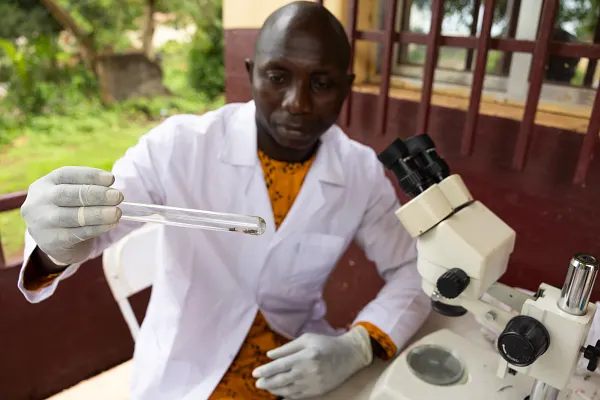
Human African trypanosomiasis, commonly known as sleeping sickness, is transmitted by the bite of an infected tsetse fly. Without treatment, it is almost always fatal. Early symptoms include headaches and fever, but once the parasite crosses into the central nervous system, it causes behavioural changes, confusion, seizures, sleep disturbances, and eventually death.
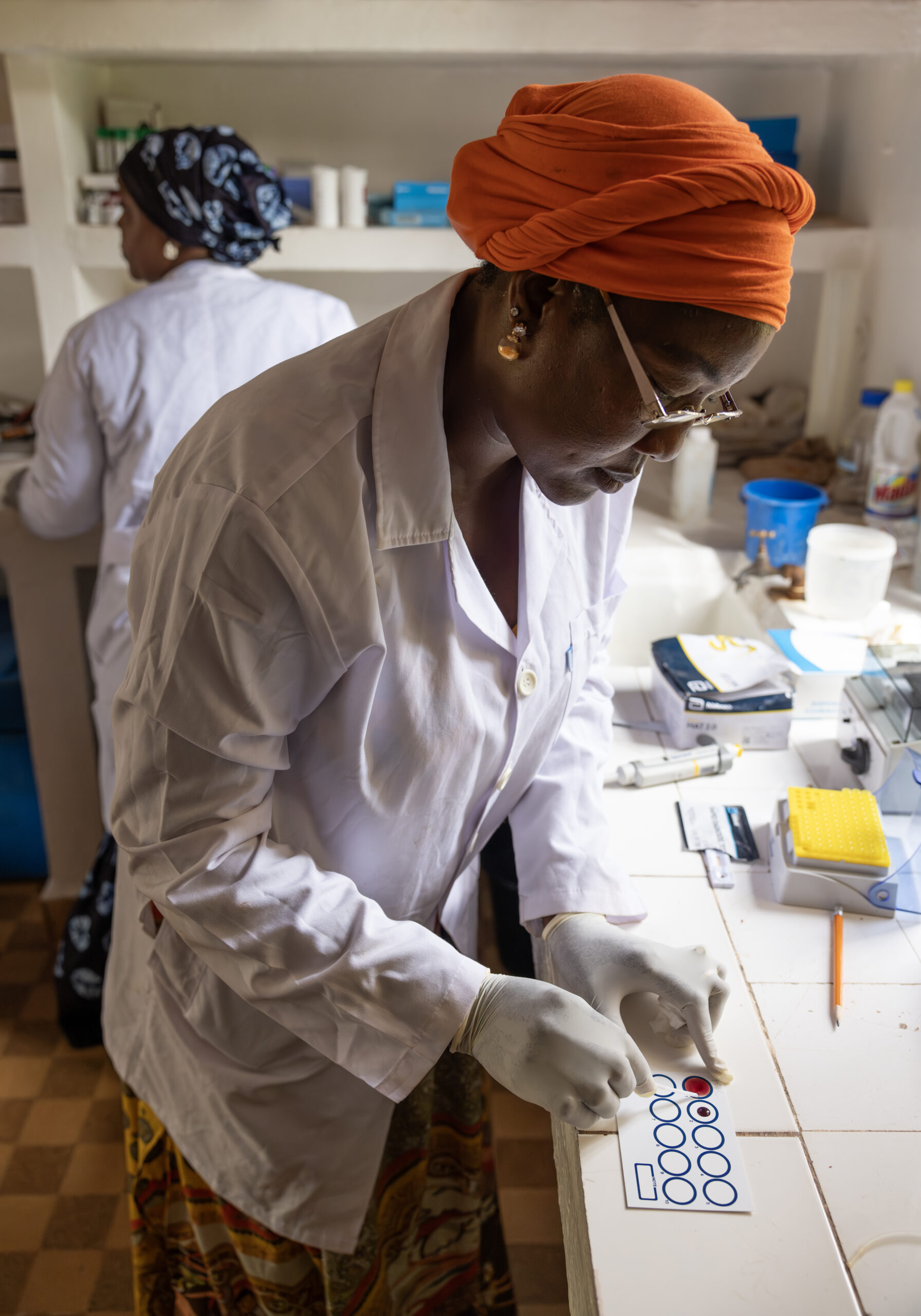
The positive opinion is based on a pivotal Phase II/III study conducted by DNDi in the DRC and Guinea, in partnership with national sleeping sickness control programmes. The study, published in The Lancet Infectious Diseases, demonstrated success rates of up to 96 per cent at 18 months across both early and advanced stages of the disease, with a good safety profile.
For Dr Erick Miaka, Director of the DRC’s national sleeping sickness control programme, the achievement is a point of pride for African science.
“The development of acoziborole and today’s positive scientific opinion is a victory for Africa-led science, made possible thanks to African doctors and researchers who conducted cutting-edge pharmaceutical research in some of the most remote and difficult-to-reach areas on the continent,” he said.
From 40,000 Cases to Fewer Than 600
The new treatment is the latest milestone in a dramatic success story. In 1998, nearly 40,000 cases of gambiense sleeping sickness were reported, with an estimated 300,000 going undiagnosed. At the time, the only available treatment for late-stage disease was an injectable arsenic derivative with terrible side effects.
Sustained investment in research and collaboration has steadily improved outcomes. In 2009, a combination therapy known as NECT provided a safer, more effective option. In 2018, fexinidazole became the first all-oral treatment, though it still required a ten-day course. By 2024, reported cases had fallen to fewer than 600.
Once approved in endemic countries, Acoziborole Winthrop will be donated free of charge to the WHO through Foundation S, Sanofi’s philanthropic arm. This will ensure the medicine reaches the patients who need it most, supporting the WHO’s goal of eliminating sleeping sickness entirely by 2030.
“For decades, Sanofi has maintained an unwavering commitment to the fight against sleeping sickness, standing alongside DNDi, the World Health Organization, and other partners in one of the most enduring and successful public-private health collaborations,” said Audrey Duval, Executive Vice President of Corporate Affairs at Sanofi. “Together, we have helped drive cases to historic lows—achieving a remarkable 98 per cent reduction since 2001.”
A separate study is already underway in the DRC and Guinea to investigate the use of Acoziborole Winthrop in children aged 1 to 14. Researchers are also exploring how the single-dose treatment could be integrated into “screen-and-treat” campaigns, where patients are diagnosed and cured in a single visit—a crucial capability for reaching remote communities where sleeping sickness persists.
The development has drawn praise from global health leaders. The Africa CDC’s Director General, Dr Jean Kaseya, called it a breakthrough that brings Africa closer to elimination, while the African Union’s Health Commissioner, Ambassador Amma Adoma Twum-Amoah, described it as “a historic victory for health equity in Africa.”
“We are turning what once required hospital beds into a simple cure,” she said, “removing the last mile barriers to ending sleeping sickness for good.”