By Munanye Munaa and Omboki Monayo
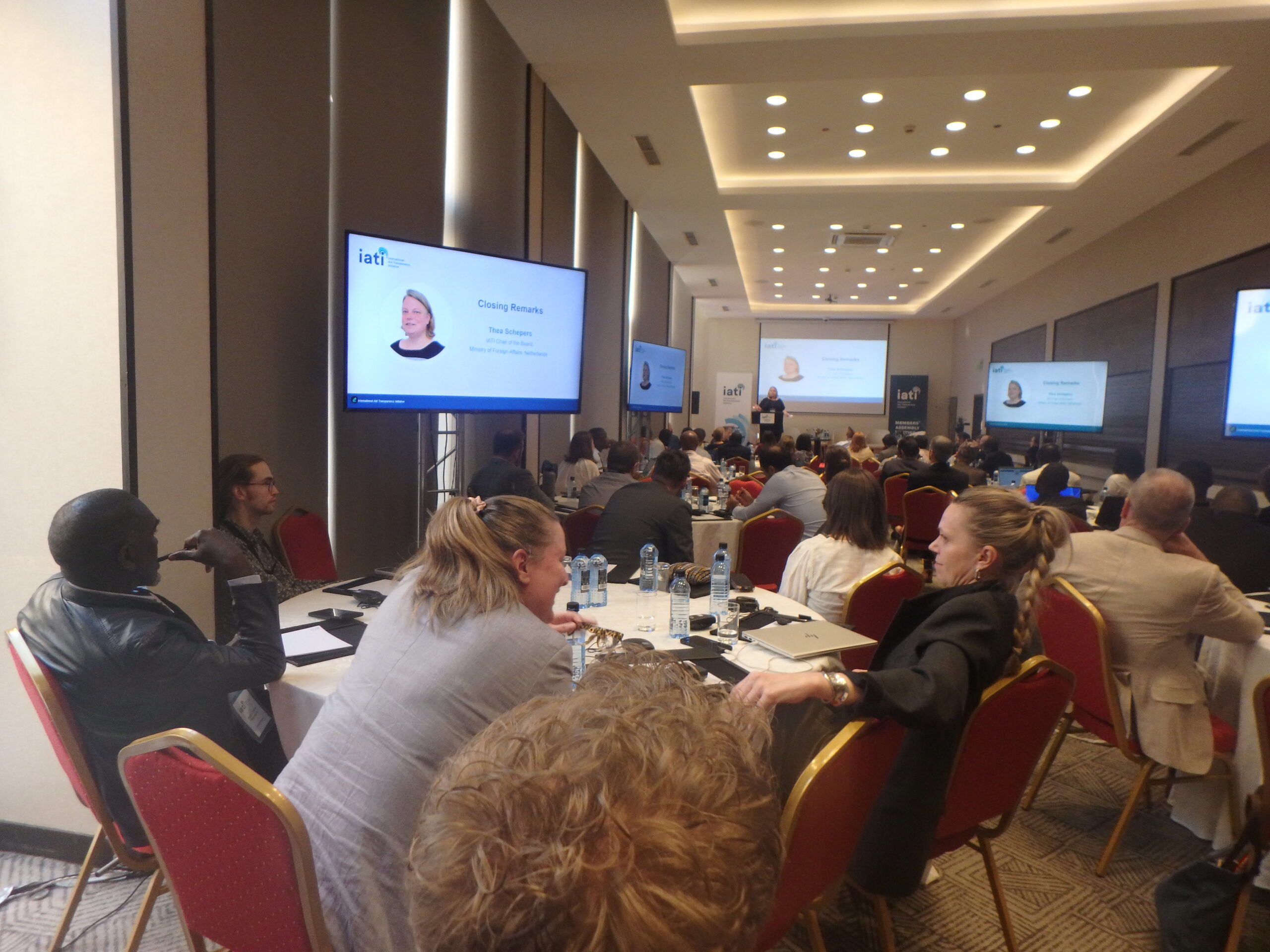
Nairobi, Kenya: A landmark summit on transparency was held in Nairobi, bringing together high-powered representatives from over 23 countries. Attendees included governments, non-governmental organizations, civil society groups, and experts in data and governance.The vibrant East African capital became the epicentre of a global conversation on aid transparency.
The International Aid Transparency Initiative (IATI) Members’ Assembly and Community Exchange convened in East Africa for the very first time, drawing governments, donors, civil society organizations, and data experts into one space. Its only other prior gathering in Africa was held in Ghana.
This was more than a technical meeting. For Kenya’s informal settlements, rural clinics, and schools, the question of whether aid is transparent directly shapes whether medicines arrive, classrooms are built, and communities thrive. Transparency in aid is not abstract, it is about lives saved, opportunities created, and trust built between citizens and institutions.
A Platform for Accountability
Launched in 2008, IATI is a global initiative designed to make aid and development finance more transparent, accessible, and accountable. According to Chief Executive Officer Yesmerach Assafa Workie, its mission is simple but transformative.
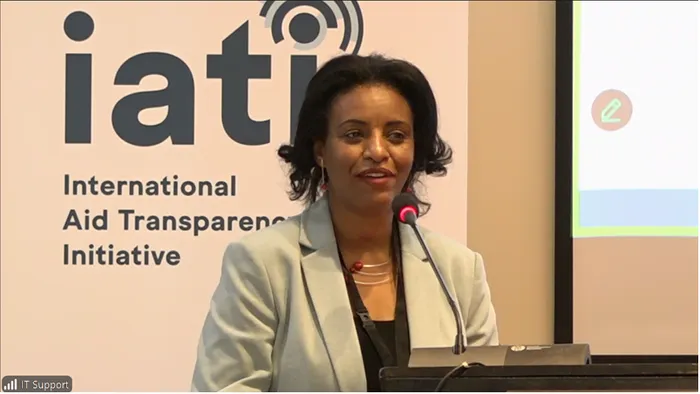
“Over the last 17 years, we have worked to establish the IATI platform, a digital public good which ensures that citizens, governments, and organizations can see where aid money goes and how it is used. Over 17,000 organizations have received aid, with 1,841 having published their data on the platform,” she said.
The Nairobi event featured sessions on public finance in health, education, nutrition, and gender equity. Prominent participants such as the UK Foreign Office, the Dutch Foreign Ministry, the governments of Nigeria, Kenya, Senegal and Liberia, and the Bill and Melinda Gates Foundation joined local actors including the Association of Freelance Journalists to debate how open data can strengthen accountability.
Symbolically, hosting the assembly in Nairobi underscored Africa’s central role in aid flows. It was a recognition that transparency is not a luxury, but a justified demand from communities who want to see aid translate into tangible change.
Billions at Stake
According to the IATI portal, Kenya reported over USD 3.2 billion in donor commitments in 2024–2025, yet only about 65% was disbursed. Key sectors that received funding included HIV/AIDS programs, maternal care, education, and climate resilience.
Across the African continent, aid flows totalled USD 42 billion (KES 5.4 trillion) in 2025, with significant allocations to humanitarian response and climate adaptation.
Despite progress, challenges remain. Some donors fail to report fully, while others provide only national-level data, leaving civil society and local governments unable to track how aid translates into services. This lack of granularity means communities cannot see whether funds pledged for clinics, schools, or water projects actually reach them.
Consequences of unclear information include duplication of efforts, inefficiency, misallocation of resources, and weakened trust between donors and recipients. In Kenya, donor funds remain critical for health programs, from HIV treatment to vaccination campaigns. In urban settlements like Kibra, Mukuru or Mathare where sexual and gender-based violence, HIV, and mental health challenges intersect, visible and trackable aid is essential.
“Governments Don’t Have the Bigger Picture”
Speaking to the media, IATI Board Chair Thea Schepers highlighted the challenge of many governments, including some in Africa, being unaware of donor-funded projects in their territories.
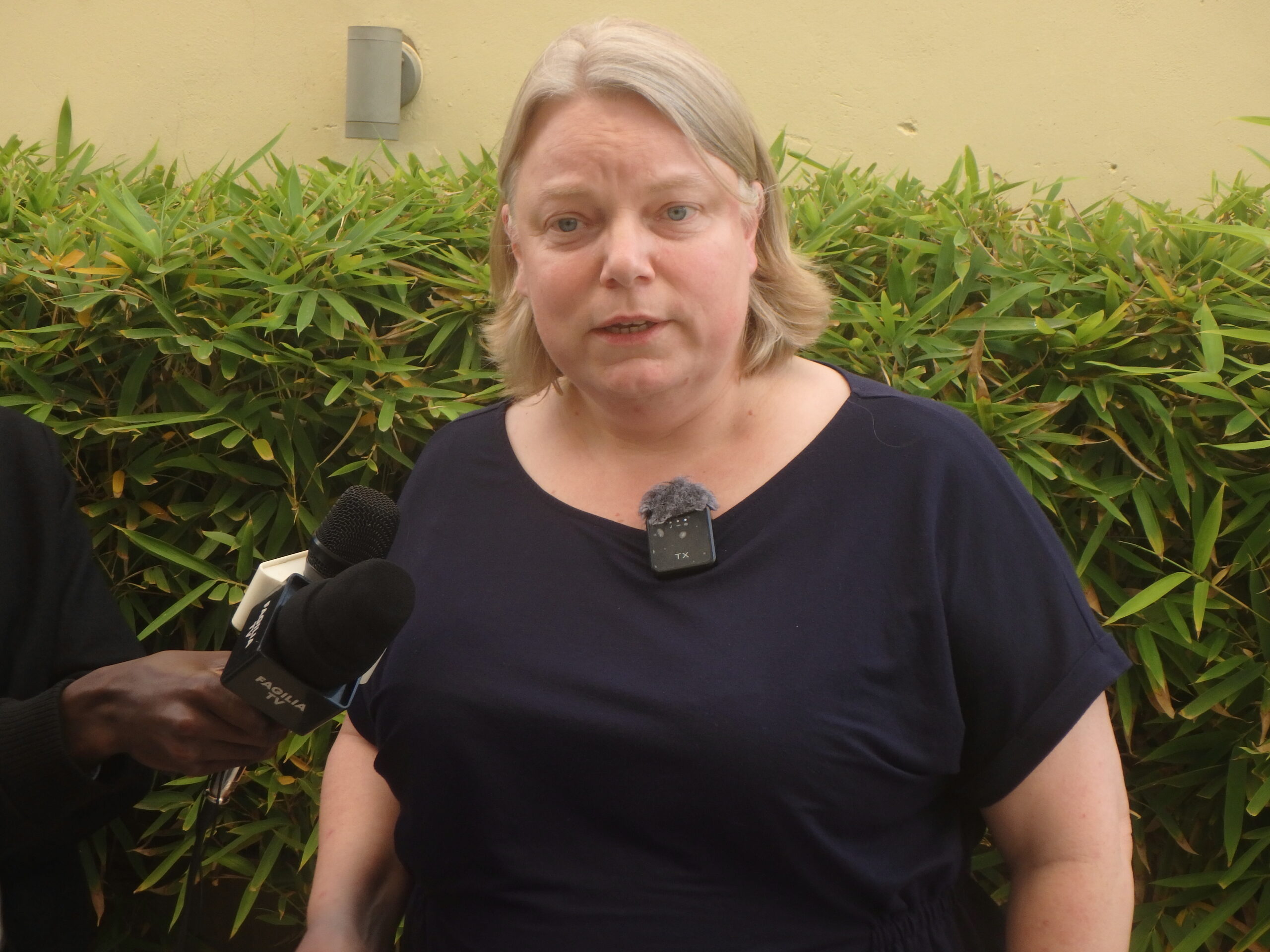
“We have noticed that many governments don’t have a bigger picture of what is going on with the various donor-funded projects on their own territories,” she said.
Schepers said the platform was steadily gaining wider acceptance across the continent, with 19 countries so far having signed up as members.
“We now have 19 governments working with us and they are more aware of the projects that are taking place in their countries, which has improved their efforts to coordinate with the development partners, NGOs and other stakeholders,” she said.
She acknowledged the challenge of governments and NGOs brushing up the data they publish to paint a positive but inaccurate picture of project success, but still vouched for the data being published, terming it “a valuable asset” for stakeholders.
“We trust the organizations that publish the data to verify it themselves. We are aware that they are mostly very conscious of the data they publish and they do all they can to ensure it’s correct,” said Thea.
“It’s possible that sometimes they would want to present things as being a little better than they are, but that’s always going to be the case, whether you write reports and put them online or put them in a drawer. We still believe that the quality of our data in some sectors needs to improve, but overall, we still think it’s very valuable to have it published online,” she added.
She warned that inaccurate data can be quickly exposed due to the availability of diverse voices and sources that can confirm whether donor funded projects are being implemented or they have stalled.
“In case the government or other organizations put out information that’s incorrect, it’s very easy to triangulate that with other sources and verify the data’s accuracy. I’ve seen cases where examples of projects were published that did not exist and people in those locations said, well, no, that’s not going on here. You must be very careful not to lie, especially when it’s going to be available on a very popular source such as our platform,” she pointed out.
Schepers also noted that accessibility has improved, with data available on mobile devices. She cited the example of a presenter at the event who used data accessed from his phone to illustrate a point.
Kenya’s Position
Kenya’s representative at the event, Debt Management Office Head Raphael Owino, acknowledged the importance of the platform but remained non-committal on whether the government would formally join.
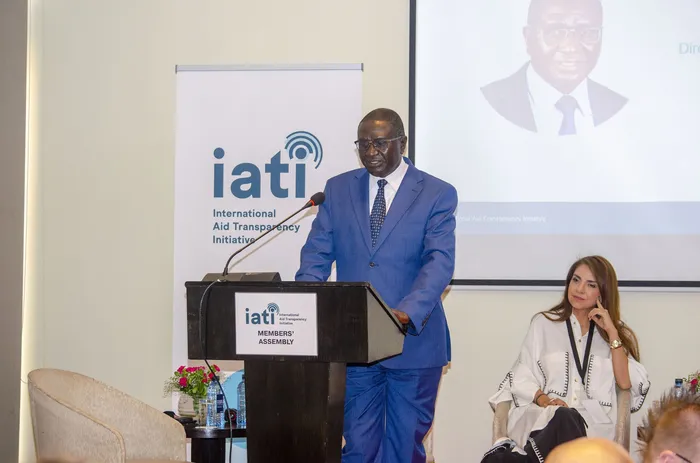
“As a government, we welcome IATI’s efforts to make the aid funding and project implementation activities more accessible to all the stakeholders. It will play a vital role in efficient development funding surveillance,” said Mr. Owino.
Schepers interpreted his remarks as a positive sign.
“We have taken note of the encouraging remarks made by the Kenyan debt management office, Raphael Owino, and it’s our hope that the government will soon become part of the IATI platform,” she said.
Lessons from Liberia
Eric Sneh, a data analyst at Liberia’s Ministry of Finance and Development Planning, shared how IATI transformed his country’s donor funding transparency.
“During President George M. Weah’s term in office, we engaged with the Swedish government for assistance in establishing a user-friendly data platform for monitoring and evaluating donor-funded projects. This initiative was facilitated through the then Deputy Minister for Economic Management, Hon. J. Augustus Flomo, of the Ministry of Finance and Development Planning. The Swedish government connected us with Mark Brough, who played a crucial role in developing our donor funding monitoring and publication system. His efforts resulted in the creation of a fully functional, real-time platform” Sneh explained.
“As a result, our donor funding data is instantly accessible for stakeholders that would wish to obtain information on our progress,” he added.
Sneh urged African nations, NGOs, community-based organizations, analysts, and other stakeholders to join the IATI platform.
“Participation in IATI presents a great chance for African governments and other stakeholders to take control of their issues, eliminate corruption and manage the available resources for the maximum benefit of the people. It’s high time we all joined it and pooled efforts to utilize the available funds in a more open and people-focused manner for the sake of our people,” Mr Sneh said.
The Data Backbone
Mark Brough, a data expert, economist and founder of Emergentally, the IT consultancy firm, explained how the IATI system uses data sourced from development partners, recipient governments, and NGOs to publish comprehensive information.
“Our data is sourced and documented directly from donors, out of their own financial and project management systems, which is then published in IATI format. It is machine-readable and can be read by other machines,” said Mr Brough, who is one of the IATI platform developers.
 He said Kenya and other African countries stand to gain significantly from joining the IATI platform, calling it vital for real-time monitoring of funding sources and project implementation.
“The real advantage of joining IATI and publishing in our standard, machine-readable XML format is that computers can process the data and stakeholders can access it across platforms,” he explained. “If automatically generated, the data can be very timely, giving an accurate and immediate picture of what recipients plan to spend at county or national level.”
Brough added that IATI has embraced artificial intelligence to improve data quality.
“We use AI to tag project locations and track implementation progress, allowing stakeholders to access authentic, valuable data and ask questions about how donor funds are being used,” he said.
The Call for Reforms
Participants at the Nairobi Exchange emphasized that open data is not just about numbers but a crucial governance pillar. The GEM Report presentation, titled “Time for Tough Decisions”, captured the urgency of reform.
Speakers called for donors to publish timely, detailed, and accessible data on the IATI portal. The message was clear: transparency is the cornerstone of trust and efficiency in aid delivery.
In her parting shot, Assefa Workie warned that declining aid flows demand greater vigilance.
“The aid landscape is undergoing a huge change and is becoming increasingly fragmented and declining for the first time since 2024. This means that every country that has been relying on aid will be significantly affected, and the development gains made in achieving the Sustainable Development Goals (SDGs) will be reversed due to lack of resources,” she said.
“Promoting accessibility, visibility and transparency of aid disbursement and usage will be very critical in ensuring that the best value for money is obtained through the prudent use of every dollar given,” the IATI chief executive said.