|
Getting your Trinity Audio player ready...
|
By Gideon Mutembei
Nairobi, Kenya: INNUKA Kenya NI SISI, an organization dedicated to promoting wellness and protection in East Africa, has urged the media fraternity to prioritize well-being.
They recommend that journalism institutions, newsrooms, and media associations integrate wellness sessions into their workplaces and organizations. This includes collaborating with wellness practitioners to establish continuous support systems, thereby safeguarding the well-being of media professionals.
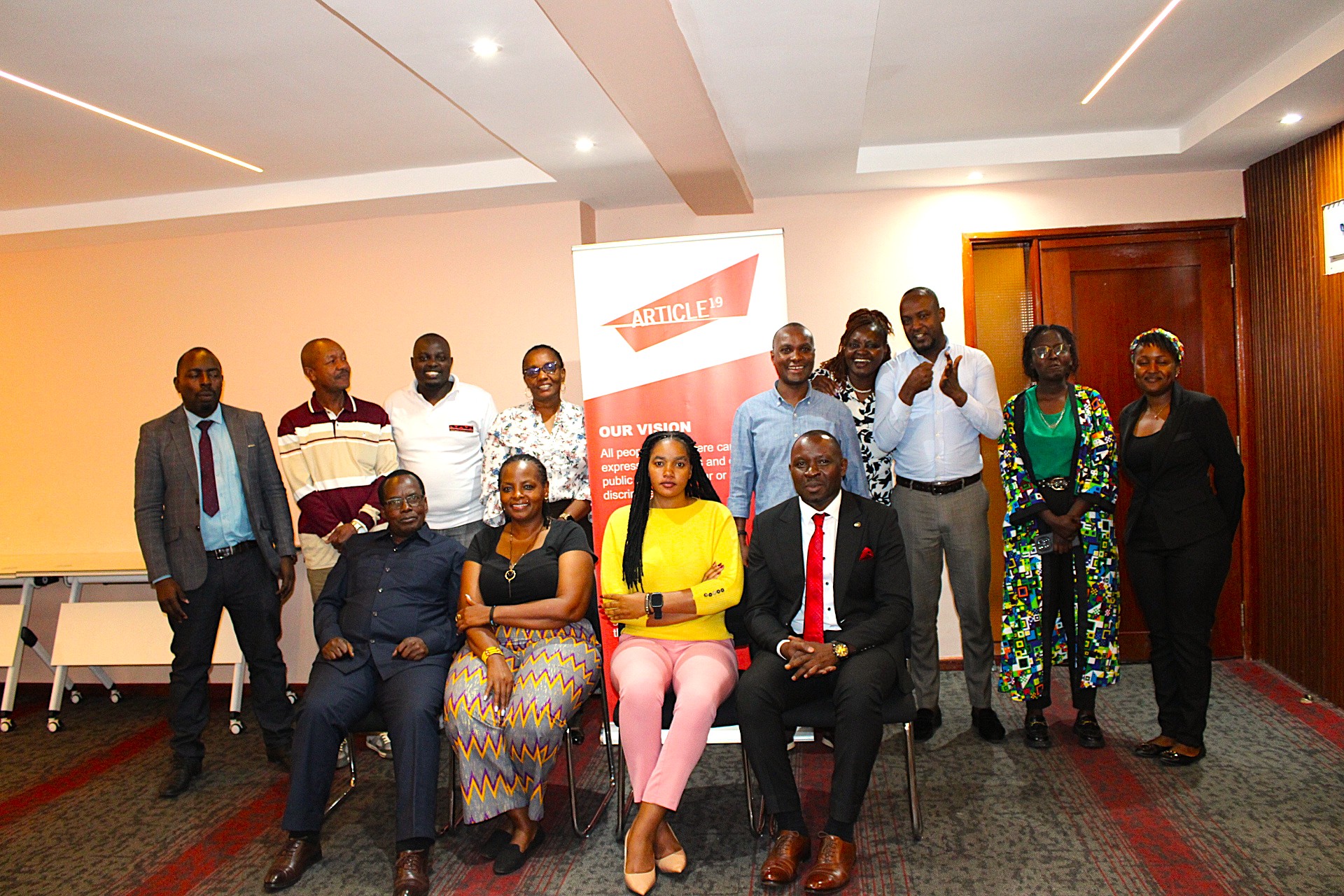
This was said during a regional media freedom conference organized by Article 19.
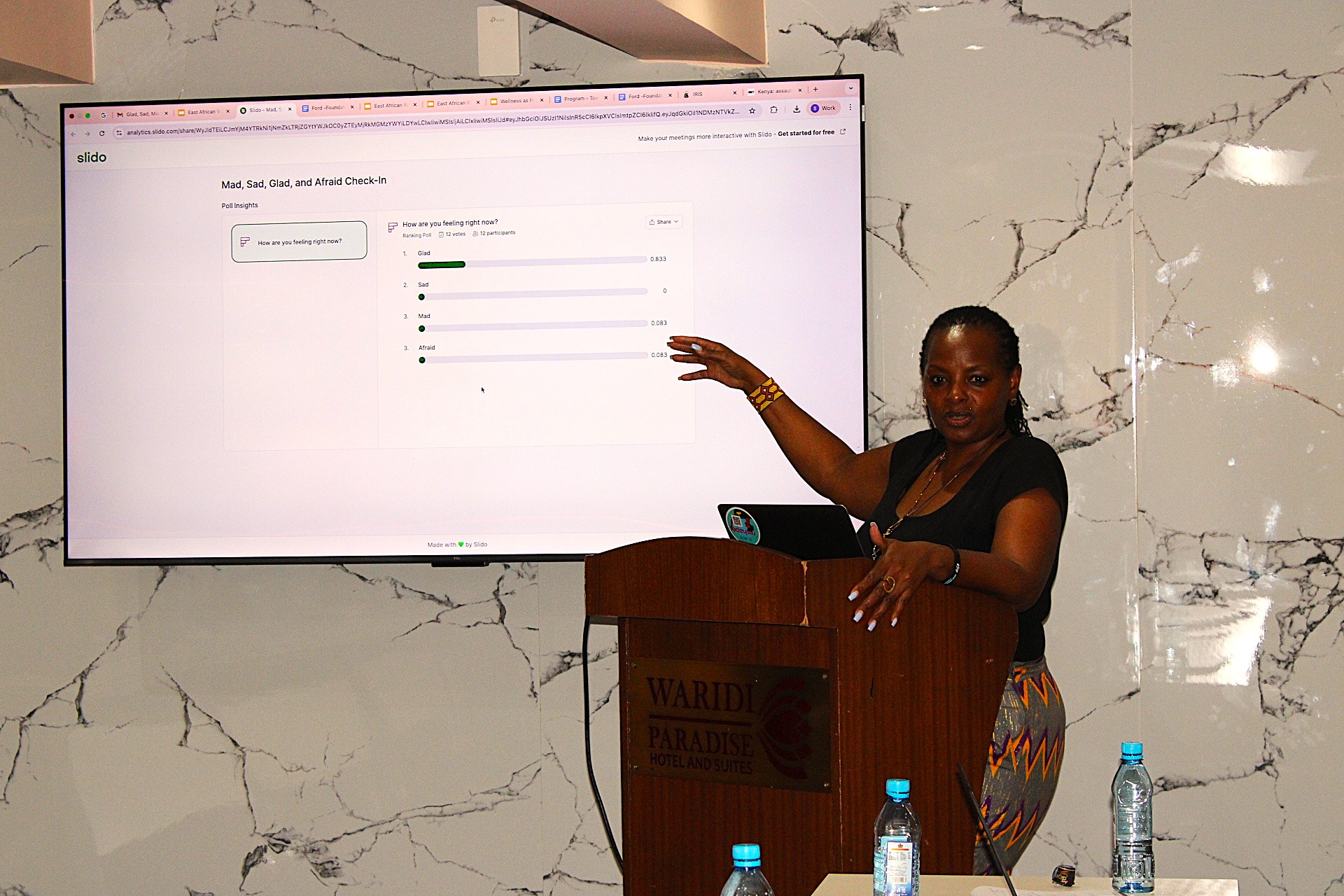
“Wellness therefore is not a luxury, it’s a form of protection and a professional responsibility and an ethical imperative”, says Salima Njoki Macharia a wellness expert at INNUKA.
Salima in her presentation noted that Wellness as a health goal is the active, ongoing pursuit of a healthy and fulfilling life through intentional choices across multiple dimensions, including physical, mental, and social well-being.
Adding that Wellness is an active, ongoing process of making conscious choices that lead to optimal holistic health and well-being, rather than a static state of happiness or good health. Journalists, as the conscience of society, frequently encounter injustice, crises, and human suffering.
However, the emotional and psychological impact of their work often goes unnoticed, leading to significant and increasing risks such as burnout, compassion fatigue, and vicarious trauma.
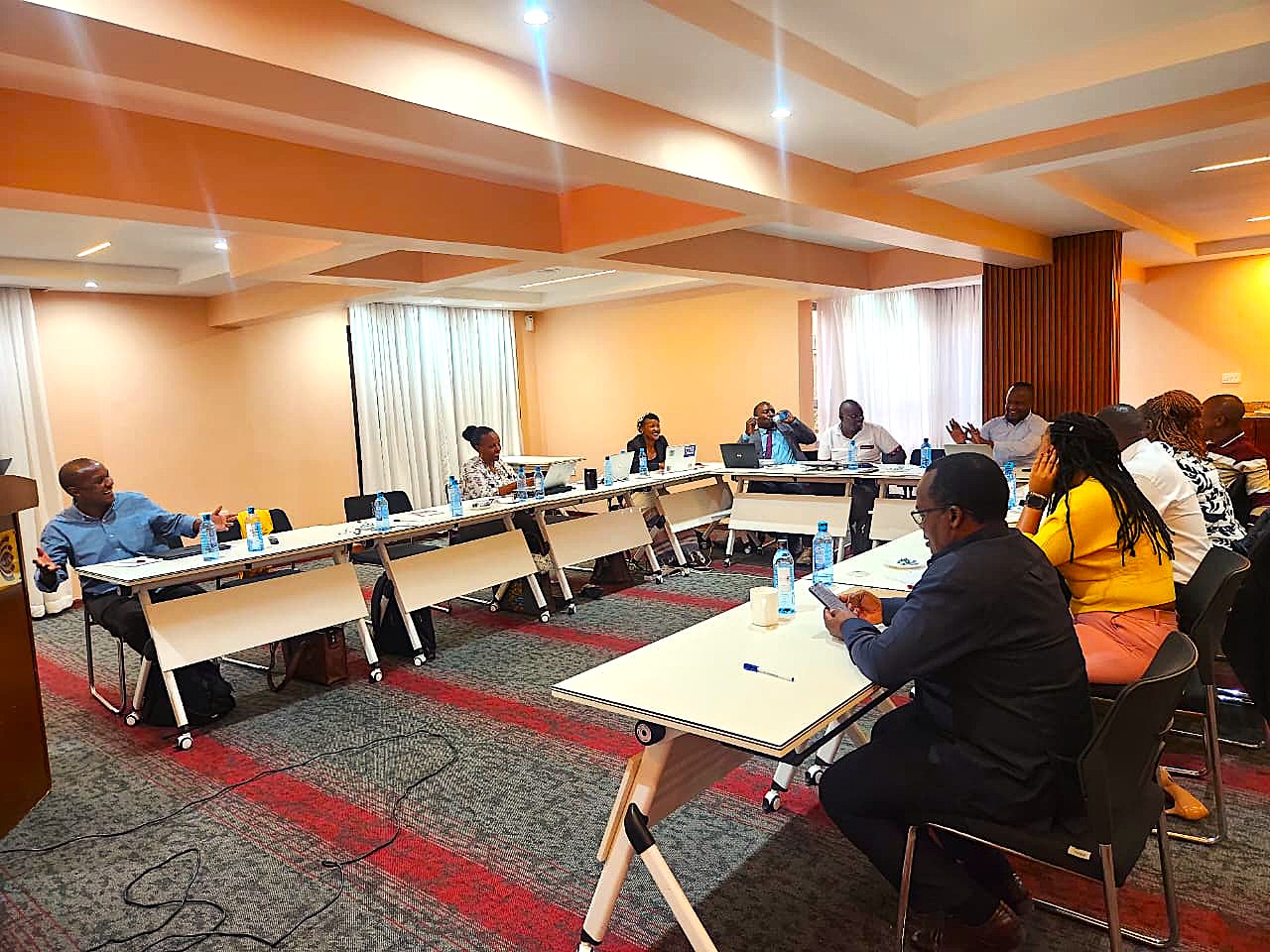
Why wellness matters in Journalism
Prioritizing wellness is crucial for journalists, as it safeguards credibility, enhances ethical decision-making, and builds resilience against fatigue and burnout. A supportive newsroom environment fosters collaboration and trust, ultimately ensuring journalists can sustain their careers and effectively serve the public long-term.
Media organizations were encouraged to prioritize integrating wellness, including mental health support, rest breaks, and trauma-informed reporting, as a collective responsibility. Managers and editors should incorporate wellness into editorial guidelines, promote debriefing after traumatic events, and train staff in psychosocial first aid or peer support.
Editors and Media managers were urged to model self-care and promote open dialogue about mental health, discouraging unhealthy work habits.
Salima also urged Journalists to engage in reflective practices like journaling over repeated viewing of distressing footage. Journalism institutions can foster wellness through sessions, charters, and partnerships with wellness practitioners.