|
Getting your Trinity Audio player ready...
|
By Shaban Makokha
Kakamega County, Kenya: For years, local poultry farmers in Kakamega County have struggled to keep their farms profitable, weighed down by low hatch rates and the high cost of importing chicks from distant suppliers. Their livelihoods, heavily dependent on reliable hatchlings, were often undermined by the unreliability of traditional methods.
The establishment of a modern, solar-powered hatchery by the Kakamega County government in Butere has come as a profound relief, transforming not only individual farms but also revitalizing the entire community. Implemented in partnership with the Kenya Livestock Commercialization Project (KeLCOP), the facility is turning the tide for local farmers.
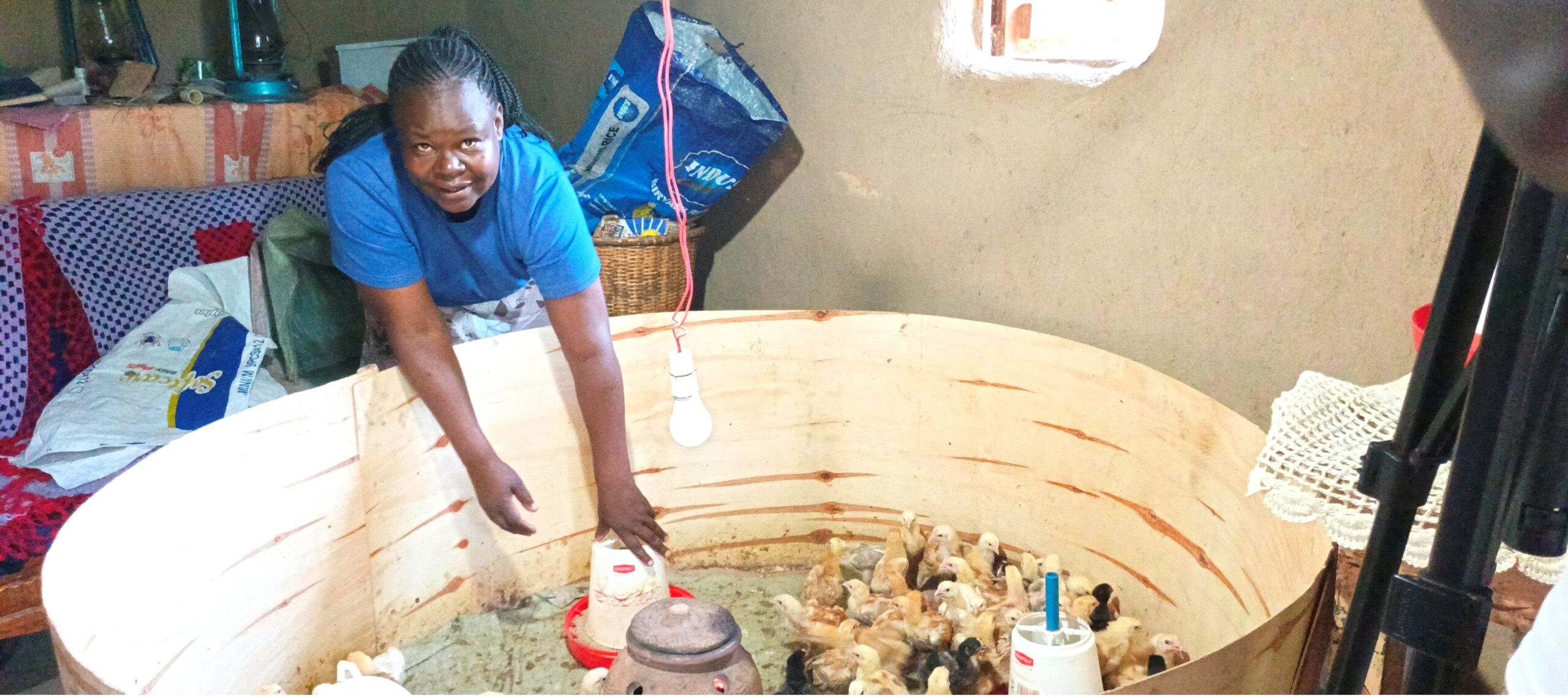
Caroline Naliaka from Shiatsala, a member of the Abalibao Women Group, attests to the change. “Since the county introduced innovative incubation technology that has higher hatch rates, we are getting healthier and stronger chicks,” she said. Her group, with 20 members, received over 200 chicks from the county, a foundation for their economic empowerment. “We are now able to pay school fees, feed our families, and support our husbands in footing some family budgets,” Naliaka added.
Located in Eshirembe village, the hatchery currently produces 12,000 chicks per cycle, moving toward a county target of 100,000. According to Kakamega County Agriculture Executive Committee Member Moffat Mandela, the facility uses advanced incubation technology, maintains strict hygiene standards, and is under efficient, expert management. “The farmers were skeptical at first, but as the hatchery proved its reliability, their fortunes began to turn around,” he noted. “It has become a symbol of hope and growth.”
The Sh17 million project, fully funded by the county government, marks a key milestone in Governor Fernandes Barasa’s agenda to support agribusiness, particularly for youth and women. “This project is in line with the county government’s initiative to shift from a traditional to a modern agricultural economy,” Mandela stated.
He highlighted a significant supply gap: Kakamega’s monthly chicken demand stands at 50,000, while local production capacity is only about 30,000. “We have been importing 40,000 chickens from Eldoret, Nakuru, and even Uganda. The hatchery is now reducing that import dependency by empowering local farmers to contribute to the chicken value chain,” he explained.
The facility is equipped with three incubators holding 3,168 eggs each and two hatchers with a capacity of 528 eggs each. “This project is not just about poultry,” emphasized Mandela. “It’s about unlocking the potential of our people and building a self-reliant economy across Kakamega.”
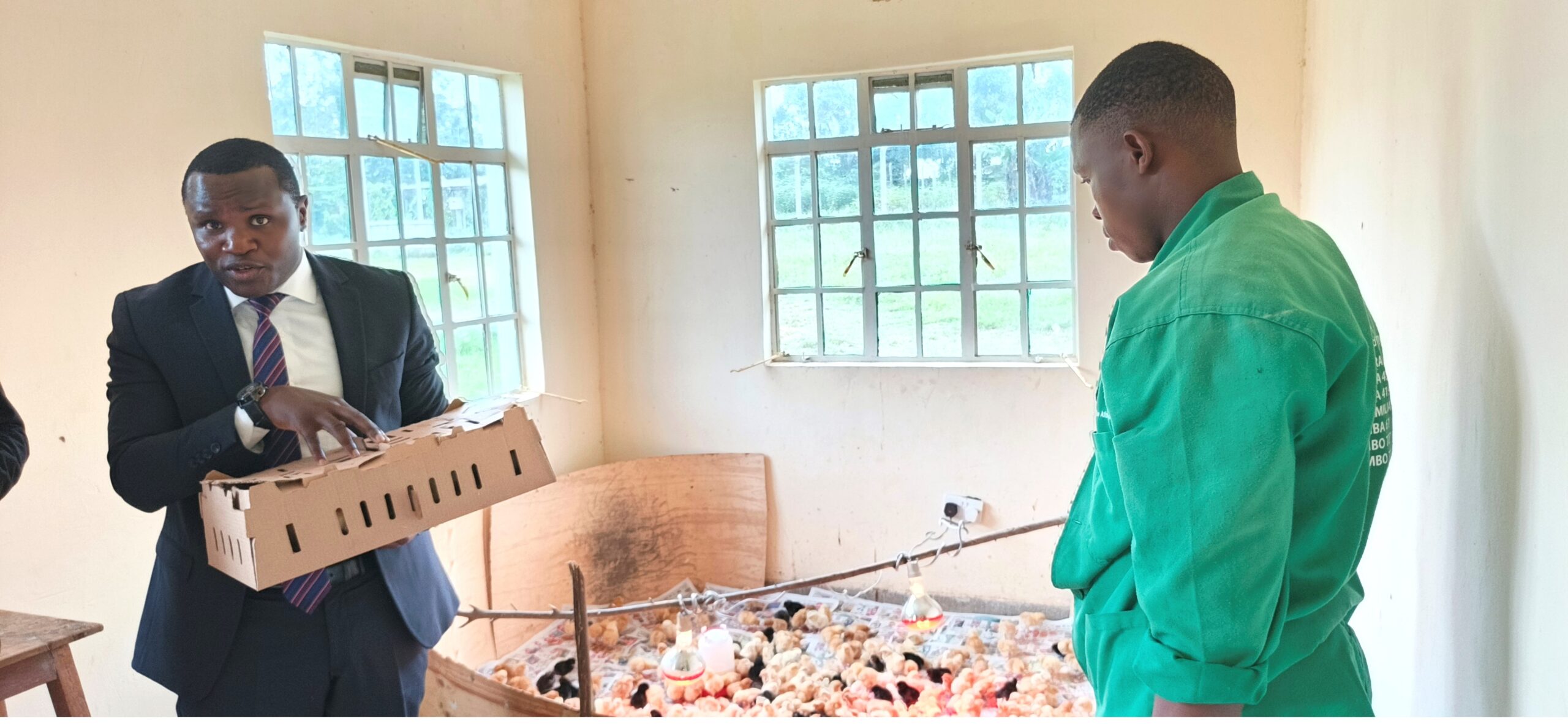
Josephat Amukoya, the hatchery operator, detailed their meticulous process. To ensure chick survival, they vaccinate immediately after hatching and use a temporary brooder for preterm or late-hatching chicks. “We don’t entertain wastage of any kind here,” Amukoya said. This brooder produces an additional 3,000 chicks per week.
To secure a ready market, the county government is partnering with the Lufad Poultry Cooperative Society in Lugari sub-county, which specializes in value-added poultry farming and is equipped with processing machinery. “We have ensured that the cooperative meets all required standards to serve our farmers properly, guaranteeing a ready supply and market,” Mandela pointed out.
Looking ahead, Marama Central Ward livestock officer Chrispinus Disi expressed optimism. “With access to higher-quality, healthy chicks, farmers can now raise more poultry with less risk and higher success rates,” he said. “In fact, there shall be plenty of chicken in Kakamega to surpass county demand in the next two years. We are looking forward to seeing Kakamega County turn into a poultry exporter.”
He added that the hatchery has become a true turning point, increasing the number of chickens per household since its inauguration. The county’s agriculture department is complementing this by training farmers on best poultry production practices to minimize losses.
Ultimately, the initiative is boosting food security, increasing household incomes, improving community health, and creating local jobs—transforming subsistence farming into a profitable agribusiness and paving the way for a brighter future for everyone involved.