|
Getting your Trinity Audio player ready...
|
By Henry Owino
Reproductive Health and Rights Alliance (RHRA) in Kenya is up in arms demanding more financial allocation to the Health Sector, especially to reproductive health. The call comes barely four days after three organizations presented a new report on extensive abortions taking place in Kenya.
The RHRA team, under the umbrella of the Kenya Human Rights Commission (KHRC), acknowledges abortion as a complex issue with legal and ethical considerations, but it also recognizes the need for safe and accessible abortion services, particularly for those at risk due to sexual violence or health complications.
According to Annet Nerima, Program Manager at KHRC, most abortions that happen could be easily avoided if the national government allocates enough financial resources to the health docket, especially to reproductive health, to cater for modern contraceptives, commodities, and services.
Nerima said KHRC is concerned about the government’s inadequate funding of reproductive health services, which contributes to unsafe abortions and maternal mortality. She emphasized that the organization advocates for improved access to safe abortion care, including for survivors of sexual violence, and for the protection of women’s reproductive health rights.
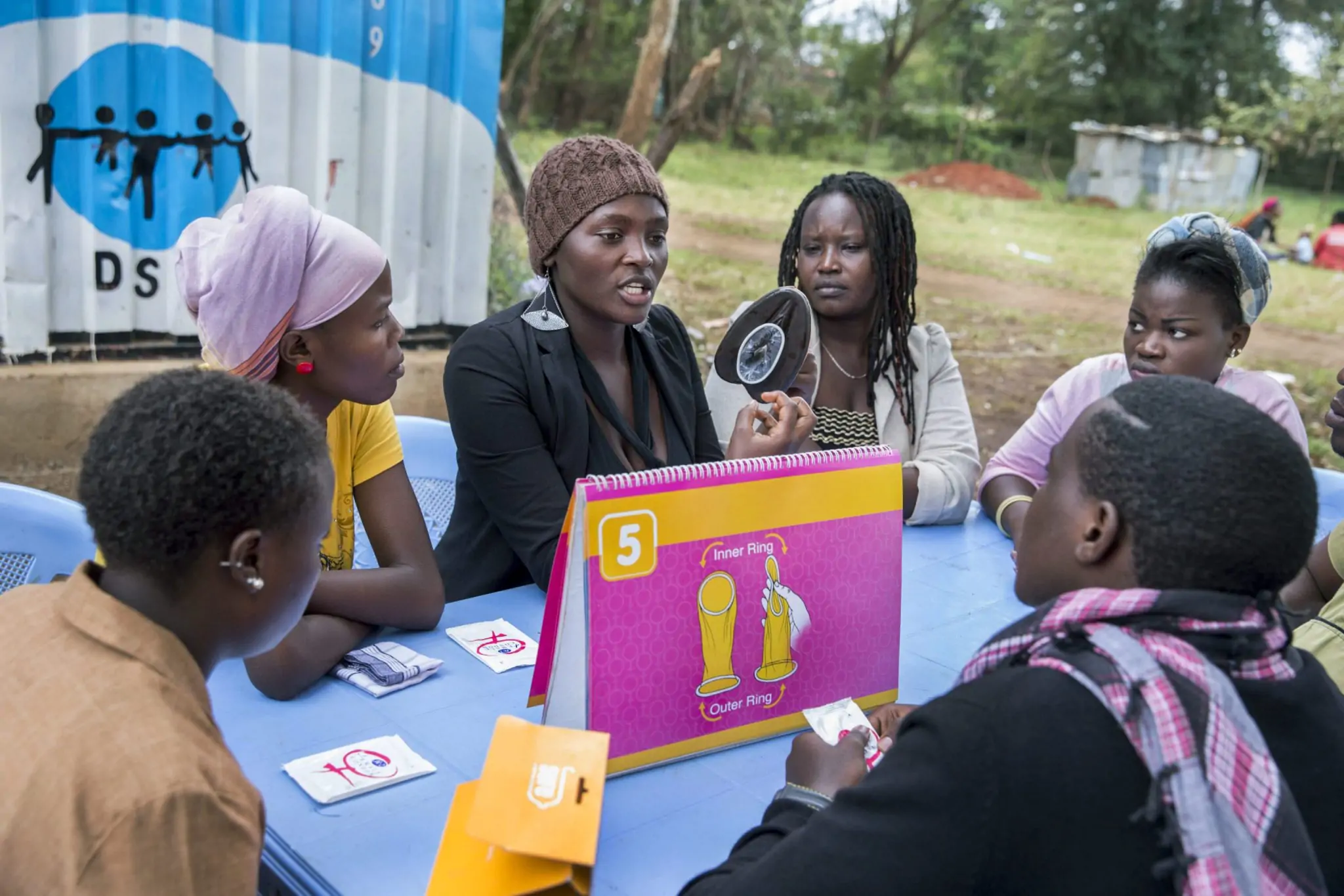
The “Free maternal care program has experienced a reduced budget allocation of nearly half. Again, some unsafe abortions are consequences of rape and defilement owing to community stigma,” Nerima explained.
She further revealed inadequate supply of family planning materials in the country notwithstanding accessibility to the services, affordability, and inexistence of qualified health personnel to handle the services demand.
As a result, Nerima alluded that most women would conceive without proper planning, hence resorting to abortion. It could be done by a trained and qualified medical practitioner in a health facility or behind the backstreets by quack health workers.
Previous Budgetary Allocation To Health Docket
According to the Abuja Declaration, the governments are obligated to allocate at least 15 percent of their annual national budget to the health sector. Kenya, however, has fallen short of this target.
In the 2022-2023 Financial Year, the national government allocated Sh116.42 billion to the health docket against an annual budget of Sh2.25 trillion, representing 5.17 percent of the total budget.
In the Financial Year 2023-2024, the health docket received Sh134.437 billion against an annual budget of Sh3.7 trillion, which is 3.63 percent.
In the Financial year 2024-2025, the national government allocated Sh127 billion to the health sector against an annual budget of Sh3.992 trillion, representing 3.18 percent.
Notably, the free maternal care program has experienced a reduced budget allocation of nearly half. For instance, in the Financial Year 2023-2024, it received Sh4 billion, but during the current Financial Year 2024-2025, this amount was cut to Sh2 billion.
The failure to align funding with the Abuja Declaration has resulted in a lack of adequate sexual and reproductive health services. Several key studies and reports have documented the link between inadequate government financing for sexual and reproductive health services and the prevalence of unsafe abortions.
Consequences of Inadequate Health Finances
A recent study by the Ministry of Health, the African Population and Health Research Centre, and the Guttmacher Institute has shown that an estimated 792,694 induced abortions occurred in Kenya in 2023.
The study also revealed that more than half of all women with post-abortion complications received treatment in public health facilities.
However, the capacity of health facilities to provide basic and comprehensive post-abortion care was low, with only 18.3 percent of primary health facilities offering all the elements of basic post-termination care and 24.1 percent of referral-level facilities providing the full package of comprehensive post-abortion care.
These statistics align with research findings indicating that 355 women die each year for every 100,000 live births due to pregnancy-related complications. Additionally, five women were reported to have died from abortion-related complications, while eight others remained in a coma.
The report further disclosed that 16.6 percent of the cases were deemed potentially life-threatening outcomes that could have been prevented with timely and adequate medical intervention.
Furthermore, some unsafe abortions are consequences of rape and defilement. A 2023 report by the Center for Reproductive Rights highlights that despite constitutional protections under Article 26(4), permits abortion when a trained health professional deems it necessary for the health or life of the woman, many survivors of rape and defilement are forced into unsafe abortions due to stigma, fear of prosecution, and lack of clear legal guidance.
The report documents cases where women and girls who became pregnant from sexual violence were criminalized or denied safe abortion care, pushing them towards clandestine, unsafe procedures that risk their lives.
Worries and Concerns
Robert Waweru, Program Adviser, KHRC expresses deep concern over the government’s continued failure to adequately address sexual and reproductive health gaps, particularly in the prevention and response to rape and defilement.
“These systemic gaps have contributed to rising cases of teenage pregnancies, increased school dropouts among girls, and life-threatening maternal complications resulting from unsafe abortions”, Waweru laments.
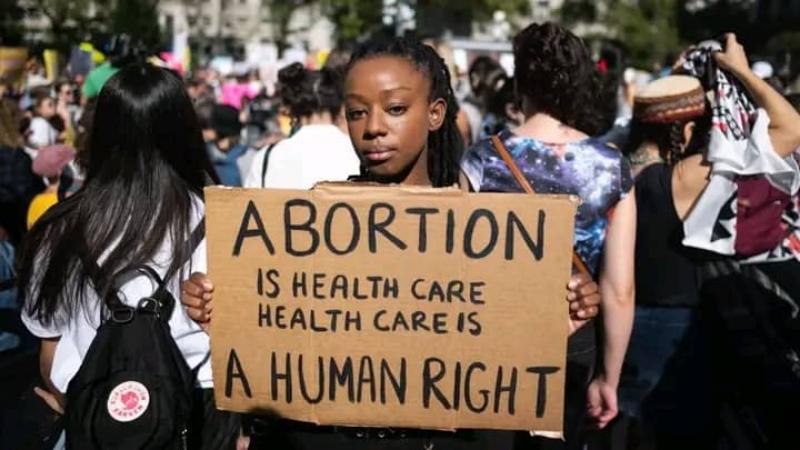
Waweru pointed out that despite repeated commitments to the constitutional right, Article 43, to the highest attainable standard of health, Kenya’s sexual and reproductive health landscape remains marred by neglect, weak accountability, and inadequate investment.
“The failure of law enforcement, health institutions, and policy actors to respond effectively to rape and defilement has left many young girls pregnant, stigmatized, and forced to abandon their education,” Waweru observed.
He condemned some families and relatives who, instead of pushing to receive justice and care, often silence survivors by cultural taboos, weak legal enforcement, and a health system that is ill-prepared to offer timely, comprehensive post-rape care services.
These failures have dire consequences. Teenage girls who become pregnant because of rape or defilement are more likely to seek unsafe abortions, face lifelong trauma, or become trapped in cycles of poverty and abuse. Many are unable to complete their education, effectively derailing their futures and deepening gender inequality.
The government’s inability to address the intersection of sexual violence, teenage pregnancy, and inadequate sexual and reproductive health services undermines Kenya’s development goals.
Demands
The RHRA team under KHRC, therefore, unanimously demands that:
- The national government must allocate adequate resources to county government,s especially for reproductive health services and maternal healthcare, during its next Financial Year of 2025-2026.
- Institutional accountability in handling rape and defilement cases, including effective investigation, prosecution, and survivor support.
- Scale-up of youth-friendly and adolescent-specific sexual reproductive health services, including emergency contraception, safe abortion where legally permitted, and psychosocial support.
- Mandatory re-entry policies for pregnant girls and robust school retention strategies.