
|
Getting your Trinity Audio player ready...
|
By Jane Meza
Mombasa, Kenya: A quiet but concerning escalation of mpox infections is gripping Mombasa County, signaling an urgent public health crisis that demands immediate intervention. The recent surge is not an isolated event but part of a larger Clade Ib mpox epidemic affecting Kenya and the wider East African region, driven by complex transmission dynamics and systemic challenges.
Rising Cases and Fatalities
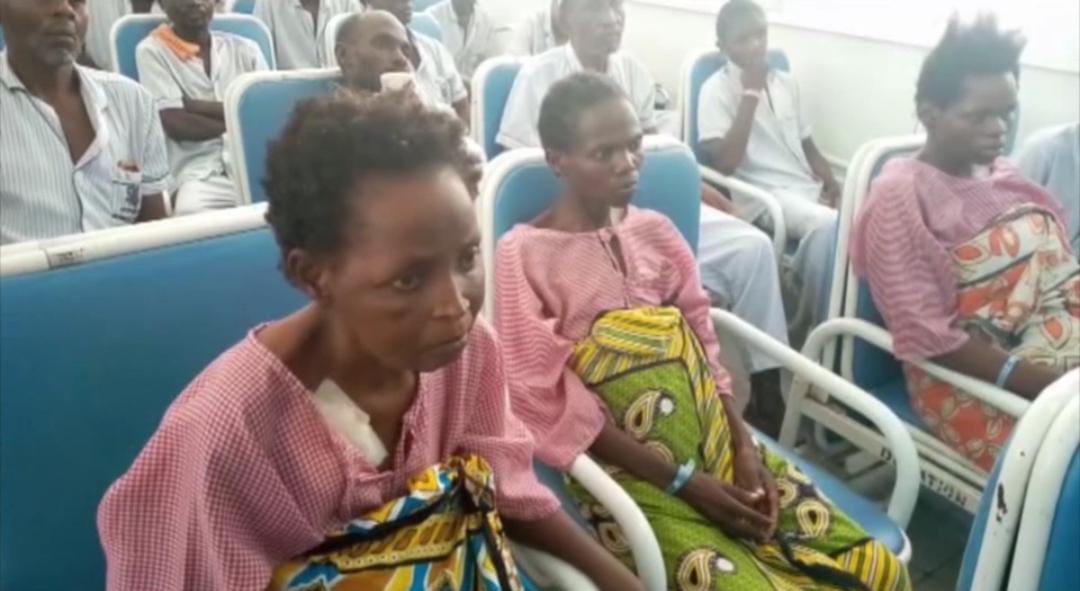
According to Mohamed Hanif, Director of Clinical Services in Mombasa County, between June and July 2025, the county recorded a significant spike in mpox infections. As of the latest reports, 98 cases have been confirmed, with 24 patients currently receiving specialized treatment at the Utange Isolation Centre in Kisauni Sub-county. An additional 86 individuals have been placed under quarantine, with health authorities closely monitoring their status.
*”As of July 10, out of 159 tests conducted, 98 returned positive—a positivity rate of 75% to 78%. Among these, we’ve recorded two deaths and admitted 24 patients to Utange Hospital. Transmission is occurring across all sub-counties, but Nyali leads with 23% of cases, followed by Changamwe at 19%. The rising numbers in June and July indicate active local transmission within our communities,”* Hanif explained.
The two fatalities—one in June and another in July—highlight the disease’s severity, even though the Clade Ib variant currently has a case-fatality ratio below 3.3% (1, 2).
Origins and Demographics
Mombasa’s first mpox case was detected on September 3, 2024, suggesting the current surge stems from prolonged low-level transmission rather than a recent introduction. Most confirmed cases are among adults aged 26 to 45—a key economically active demographic. However, the infection of a 12-year-old child signals household transmission, raising concerns about broader community spread.
Cases are concentrated in urban areas, with Nyali (23%) and Changamwe (19%) as the hardest-hit constituencies. These clustering points point to factors like high population density, mobility, and social or commercial networks that facilitate transmission.
The official figures likely underestimate the true scale of the outbreak. Nationally, Kenya has conducted only about 500 mpox tests in the first seven months of the Clade Ib outbreak. Low awareness among healthcare workers and the public has led to frequent misdiagnoses (often as chickenpox), delaying detection.
“Some patients visited multiple healthcare facilities before mpox was suspected. The median delay between symptom onset and lab confirmation is 7.5 days, allowing silent transmission—especially since some cases are asymptomatic,” Hanif noted.
Transmission Dynamics
The outbreak appears driven by two key pathways:
-
Sexual and occupational networks: The 26–45 age group includes mobile workers (e.g., truck drivers, sex workers), a high-risk demographic in Kenya’s national outbreak.
-
Household spread: Cases like the infected 12-year-old suggest secondary transmission after the virus enters homes through adults.
Urban hotspots like Nyali and Changamwe reflect areas where density, mobility, and social interactions accelerate both sexual and household transmission.
Mombasa’s mpox crisis underscores the need for expanded testing, public awareness campaigns, and targeted interventions in high-risk areas. Without swift action, the silent spread of the virus could escalate further, straining healthcare systems and endangering vulnerable populations.