|
Getting your Trinity Audio player ready...
|
By Jane Mugambi
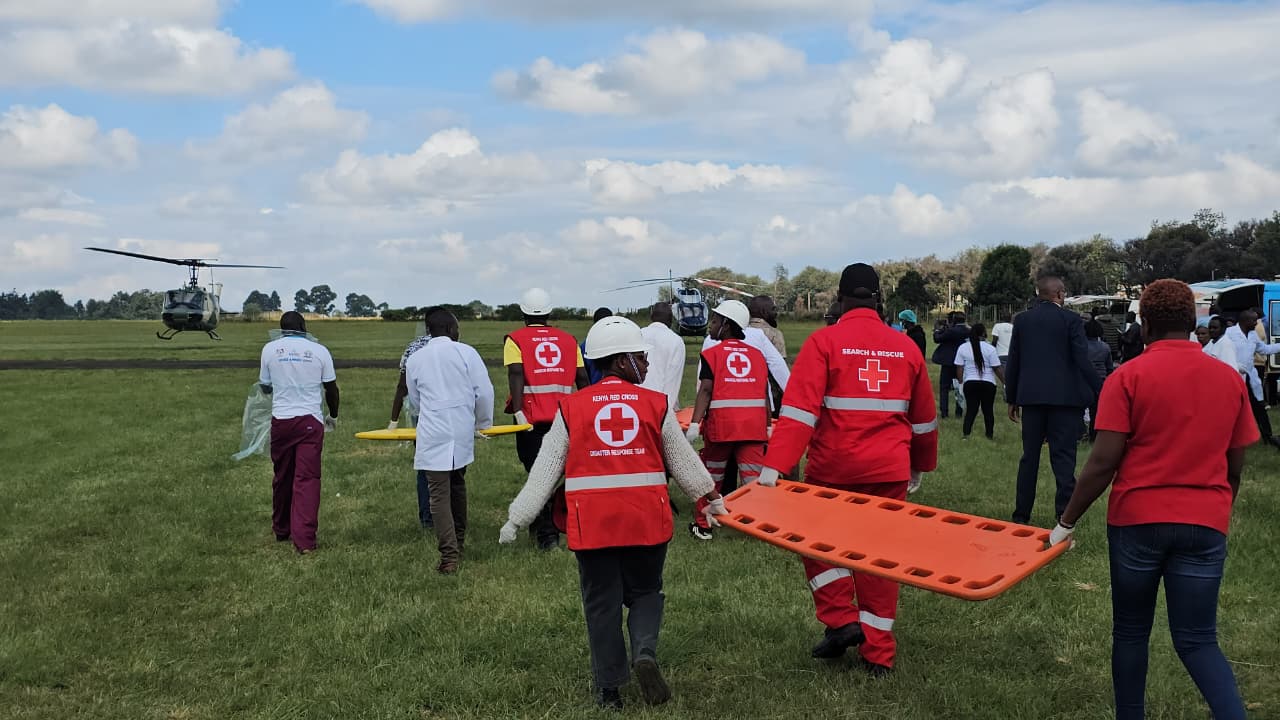
The Ministry of Health has announced plans to offer psychosocial support to families affected by the recent deadly landslide in Elgeyo Marakwet County that claimed the lives of 26 people.
Public Health Principal Secretary Mary Muthoni stated that the Ministry, through the Department of Public Health, will deploy mental health experts and community health promoters to support the grieving families. Speaking at St. Martin Kiambu in Gichugu Constituency on Sunday, Muthoni emphasized that beyond immediate medical assistance and relief aid, there is a critical need to address the psychological impact of the disaster on survivors and affected families.
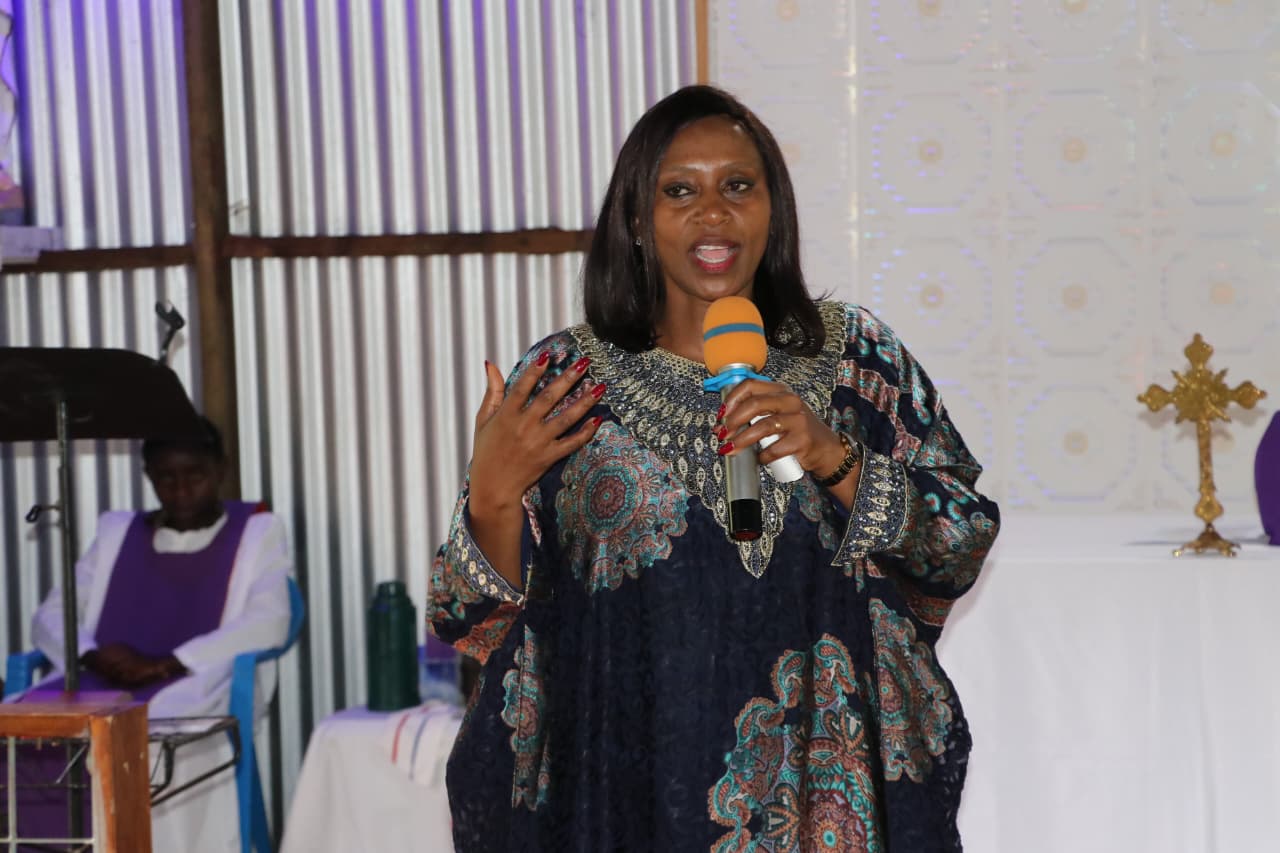
“Losing loved ones in such a tragic manner is deeply painful. We want to walk with these families through counseling and emotional support to help them rebuild their lives,” she said.
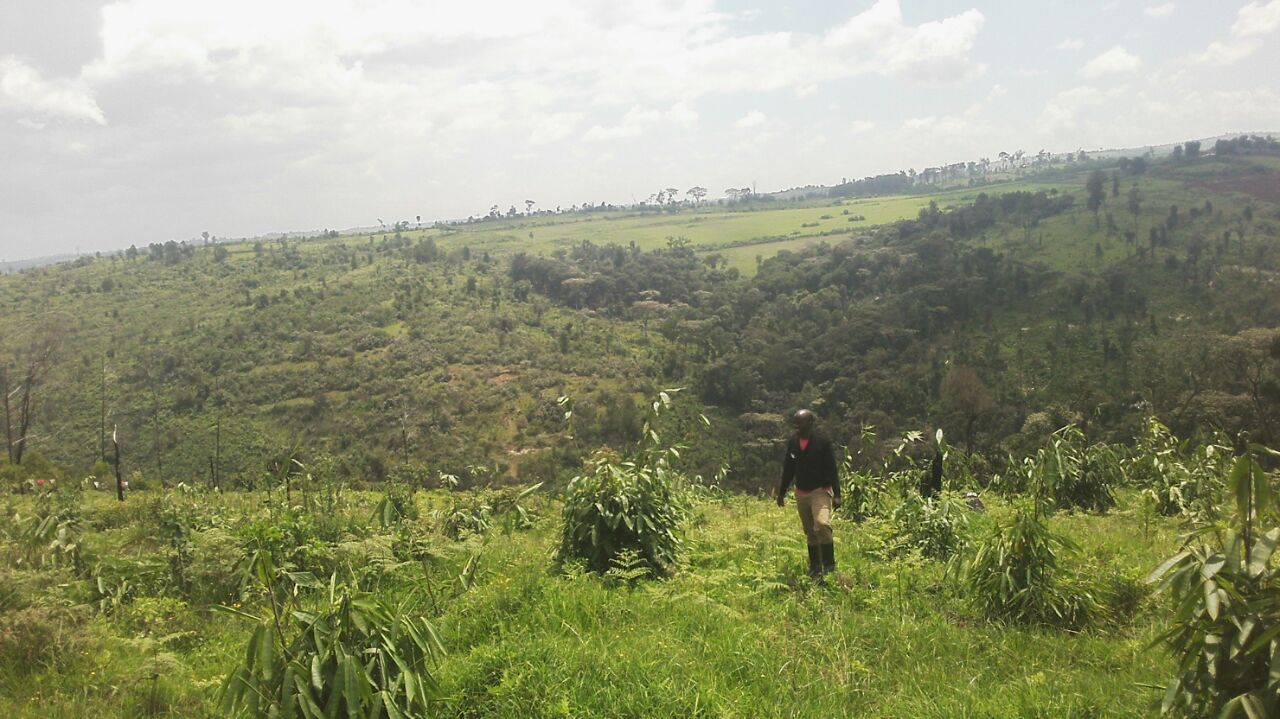
The landslide, triggered by heavy rains in parts of the Rift Valley, left scores displaced and others injured. It also destroyed roads, bridges, and farms, leaving a trail of destruction across several villages.
According to the Ministry, a multidisciplinary team comprising psychologists, social workers, and medical officers will be stationed in the affected areas to provide both individual and group therapy sessions. This initiative aims to mitigate the long-term effects of trauma and grief that often follow such natural disasters.
“We understand that mental health is just as important as physical health. Many families are struggling to come to terms with their loss, and our ministry is determined to ensure that no one is left to suffer in silence,” Muthoni added.
The PS also used the opportunity to highlight the growing risk of waterborne diseases, especially cholera, amid the ongoing heavy rains. She urged Community Health Promoters (CHPs) to step up home visits across counties to assess sanitation levels and identify households without toilets.
The government will begin distributing water treatment tablets to households in areas prone to flooding and contamination as part of ongoing efforts to prevent the spread of diseases during the rainy season.
“We are directing our community health promoters to start visiting homes, assessing sanitation conditions, and documenting households that have or do not have toilets. Our goal is to promote hygiene and ensure that every family understands the importance of proper sanitation,” she said.
Muthoni explained that diseases like cholera, typhoid, and dysentery are often caused by contamination from open defecation and poor hygiene practices. In many rural areas, a lack of toilets leads to open defecation, and when it rains, waste is washed into rivers and streams that residents use for domestic water.
“When people defecate in the open, the running water carries the waste downstream. Unfortunately, others fetch this contaminated water without treating it, which becomes a serious health hazard,” she cautioned.
To address this, the Ministry plans to intensify public health education campaigns to raise awareness about hygiene and sanitation. Community Health Promoters will play a key role in disseminating information on proper waste disposal, handwashing, and safe water treatment methods.
Muthoni emphasized that the Ministry’s broader goal is to strengthen preventive health measures across the country, especially in vulnerable communities, noting that diseases like cholera are preventable with basic hygiene standards.
The PS also urged county governments to partner with the national government in improving access to clean water and sanitation facilities, highlighting the importance of collaboration with local leaders, non-governmental organizations, and development partners.
“Health promotion and disease prevention start at the community level. Our focus is to empower households with knowledge and tools to safeguard their health,” she said.
Muthoni further encouraged residents to embrace regular health check-ups and report any suspected cases of disease outbreaks to health facilities for a prompt response.
“The Ministry of Health is not only focused on curative services but also on prevention. By addressing sanitation challenges and supporting mental well-being, we are working towards a healthier, more resilient population,” Muthoni stated.
As the rainy season continues, the PS called on residents in flood-prone regions to remain vigilant and follow safety guidelines, warning that continued heavy rainfall may trigger more landslides and flooding.
The Ministry has dispatched a rapid response team to monitor the situation and coordinate with county health departments to respond swiftly to any emerging health emergencies.
Muthoni also urged the public to support the community health promoters in their door-to-door assessments, noting their work is critical in identifying sanitation gaps and ensuring every household is equipped for safe water use.
“We must all take responsibility for our health. The fight against waterborne diseases and disaster-related trauma begins in our homes,” she concluded.
As the Ministry of Health rolls out these initiatives, hopes are high that affected families in Elgeyo Marakwet will not only find comfort and healing but also gain knowledge that will help them build safer, healthier communities in the future.