
|
Getting your Trinity Audio player ready...
|
By Henry Owino
Nairobi, Kenya: Everyday choices, what you eat, how much you move, and how you handle stress could be the difference between life and death when it comes to heart health. Medical experts warn that while genetics play a role, most heart attacks and cardiac arrests are preventable through simple lifestyle adjustments.
Regular exercise, a balanced diet, quitting smoking, and managing blood pressure are among the habits that significantly reduce risk. Yet in Kenya, cases of cardiovascular disease are rising, fueled by urban stress, poor diets, and limited awareness about preventive care.
Health specialists are urging citizens to take charge of their wellbeing, saying that a healthy lifestyle is the most powerful prescription against any heart diseases.
Dr. Paul Otieno, Cardiologist and member of the Kenya Cardiac Society (KCS) says cardiac arrest happens when the heart suddenly stops beating effectively, cutting off blood flow to the brain and other vital organs and tissues.
“A cardiac arrest is an electrical problem where the heart suddenly and unexpectedly stops beating effectively. Heart attack is a circulation problem where blood flow to a part of the heart is blocked, causing part of the heart muscle to die,” Dr. Otieno distinguishes.
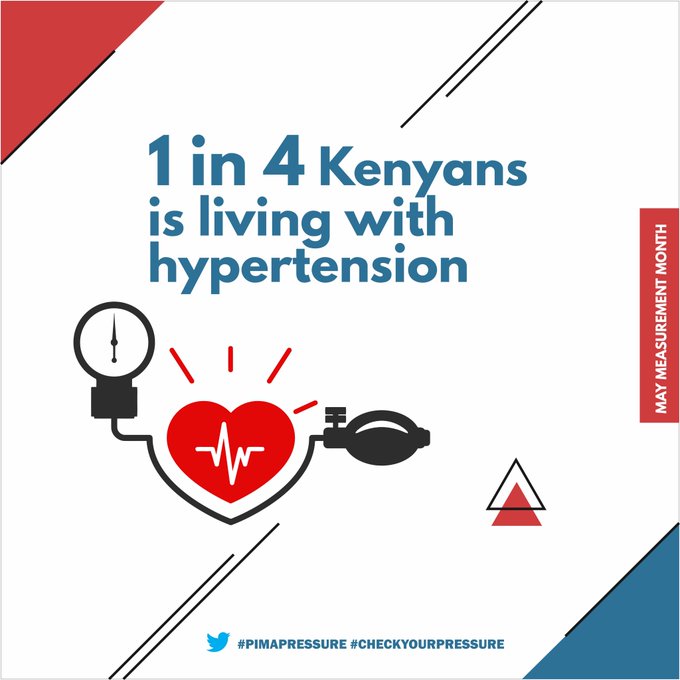
On the other hand, hypertension, or high blood pressure, is a condition where the force of blood against artery walls is consistently too high. It is often defined as a blood pressure reading of 130/80 mm Hg or higher and can lead to serious health problems like heart attack, stroke, and kidney failure if left untreated.
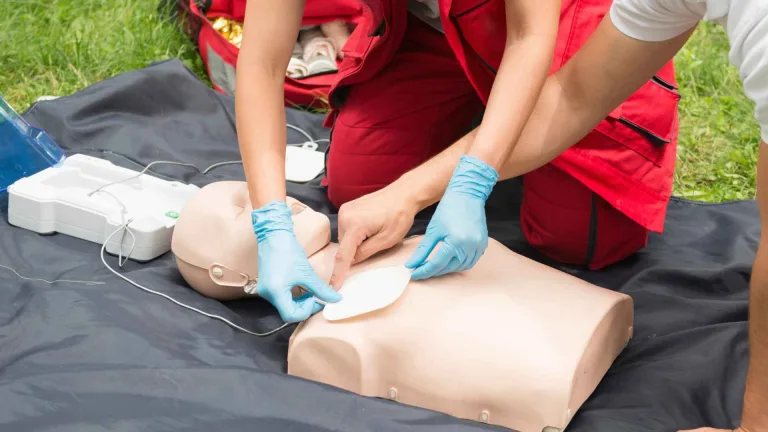
The Cardiologist cautions that for cardiac arrest, without immediate help such as CPR (Cardiopulmonary Resuscitation) or an AED (Automated External Defibrillator), death can occur within minutes. CPR is pressing the chest to provide artificial ventilation to keep the brain functioning.
“The difference between life and death can be just a few minutes,” cautions Dr. Otieno, Cardiologist and member of the KCS. Adding, that the heart should never stop pumping blood and oxygen to the brain and other organs and tissues.”
Dr. Otieno emphasizes brain damage is most likely if cardiac arrest lasts for more than 5 minutes without the first aid intervention of CPR, which pumps oxygen-containing blood from the heart and lungs to the brain and other organs. Death is likely if cardiac arrest lasts for more than 8 minutes without CPR.
Thus, CPR for cardiac arrest must be started as quickly as possible without delay while the AED is retrieved. An AED may be used as soon as it is available to rapidly determine whether the person has an abnormal heart rhythm that can be treated by an electric shock called defibrillation.
“CPR should be started immediately by one rescuer, while a second rescuer contacts emergency services and retrieves an AED if available. An AED can detect an abnormal rhythm that could be corrected, it delivers a shock, which may start the heart beating again,” Dr. Otieno clarifies.
When Every Second Counts to Save Life
Cardiac arrest is a medical emergency. For immediate medical or other emergencies in Kenya, dial +254(0) 723 043 404. If someone collapses and stops breathing, call emergency services immediately (999 / 112 / 911), then start CPR within 3 minutes and continue until medics arrive. AEDs can restart the heart through a controlled electric shock.
Do not hesitate to call for an ambulance for emergency services even if you are unsure if it’s a heart attack. Always be prepared to give your exact location and a brief description of the emergency to the dispatcher. Stay on the line and follow the dispatcher’s instructions until help arrives.
“Communities should not wait for ambulances but learn basic first aid skills like how to administer CPR, installing AEDs available in public spaces, and acting fast with less panic,” encourages Dr. Otieno.
Prompt action is crucial to improve recovery, and save a life. While waiting for help, do not ignore observable symptoms, and stay calm, remain still and be as comfortable as possible. Remembering this: “There is no perfection, only life.”
Time is very critical because the longer treatment is delayed, the more heart muscle tissue dies from lack of oxygen and nutrients. Occasionally, a doctor may advise you to chew an aspirin to help improve blood flow.
To help advance recovery, getting to the hospital faster means causality can receive critical interventions sooner, which can significantly improve their chances of survival and long-term recovery. “Living might mean taking chances, but they’re worth taking.”
Who is at Risk and Causes
Dr. Leonard Mzee Ngunga, Consultant Interventional Cardiologist – AKUH says worldwide everybody is at risk of suffering cardiac arrest. It can occur in any person regardless of age or gender whether it is a teenager or a person in their late sixties.
The most common type of cardiac arrest is heart disease with more than 50% of people who suffer cardiac arrest are mostly related to heart attack.
“Heart disease is a broad term for various conditions affecting the heart, while a heart attack (myocardial infarction) is a specific event where blood flow to a part of the heart muscle is blocked, often due to coronary artery disease,” Dr. Ngunga explains.
Coronary artery disease (ischemic heart disease) is the most common type of heart disease, involving the buildup of plaque (fat, cholesterol, and other substances) in the arteries that can rupture, form clot, and cause heart attack.
“Buildup of plaque narrows the arteries, making it harder for blood to flow through (ischemia). Examples; this condition can lead to other problems like heart attack, heart failure, or abnormal heart rhythms,” Dr. Ngunga clarifies.
The second common cause of cardiac arrest is heart muscle disease or cardiomyopathy, which is a group of conditions where the heart muscle becomes enlarged, thickened, or stiff, making it harder for the heart to pump blood. It simply means the heart is weak, not working very well hence straining. It is the second largest group of people prone to cardiac arrest.
Common symptoms include shortness of breath, fatigue, and swelling in the legs, but can also involve irregular heartbeats or fainting. Causes can be genetic, acquired through other diseases or lifestyle factors, or congenital (present at birth or inherited).
The third cause of cardiac arrest is with people who have difficulties or with breathing problems especially if left untreated. When a person stops breathing, they don’t get enough oxygen, and the heart can’t function without oxygen.
Conditions like pneumonia, drowning, choking, severe asthma attacks, or drug overdose and pulmonary edema (fluid builds up in the lungs) prevent the lungs from oxygenating the blood, a failure that can lead to cardiac arrest.
Other causes of cardiac arrest include large arteries for example, tearing of the aorta or aortic aneurysm, blood clot, and anything that stops the heart from beating/pumping.
“An aortic aneurysm is a bulge or weakened area in the wall of the aorta, the largest artery in the body. Aneurysms are dangerous because they can rupture, causing life-threatening internal bleeding until the heart no longer pumps,” Dr. Ngunga explains.
Signs and Symptoms of Cardiac Arrest
Symptoms like chest pain (angina), shortness of breath, and even a heart attack (myocardial infarction) if the blockage is severe or sudden. Others include; sudden collapse, loss of consciousness, unresponsiveness, no pulse, not breathing normally or only gasping irregularly (agonal breathing).
What to do: If you suspect someone is in cardiac arrest do not panic but call for emergency help immediately. Check for a pulse and breathing rates, If the person is not breathing, start CPR immediately and use an AED if one is available.
Everyone Has a Role to Play to Save Life
Health experts say public health is everyone’s role and therefore urge government institutions, schools, and workplaces to integrate heart health education and ensure AEDs are installed and accessible in public places.
Public health acknowledges that health is determined by a wide range of factors, not just individual biology or medical care. These “social determinants of health” include education, housing, transportation, income, and the physical environment. When people and organizations address these determinants, they create conditions that help the entire community be healthy.
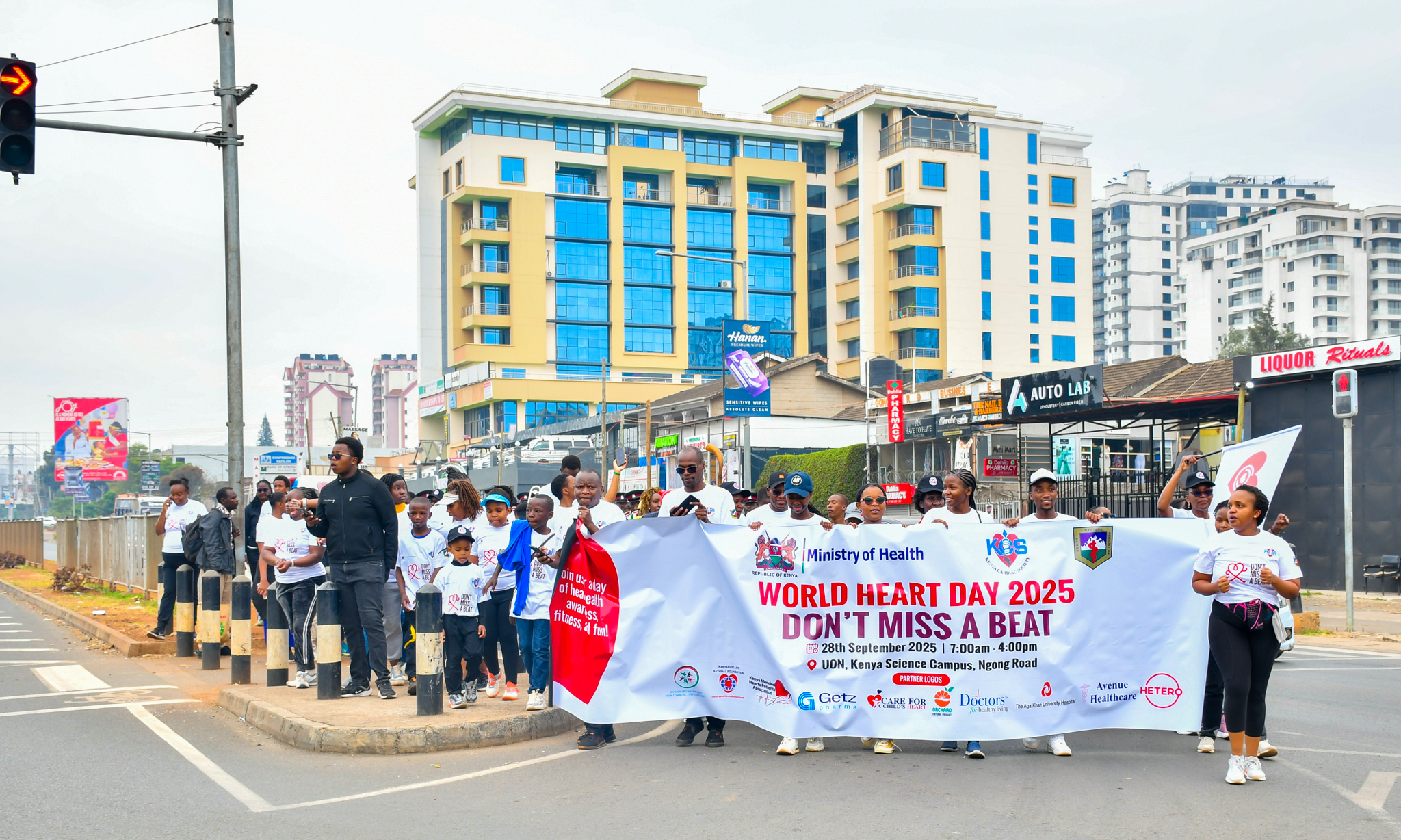
Dr. Jane Mbatha, Cardiologist, Kenyatta National hospital emphasizes that the fight against cardiac arrest begins with daily lifestyle choices. Eat healthy and stay active, go for regular health screenings, avoid smoking and excessive alcohol, manage stress and maintain a healthy weight and learn basic first aid skills including performing CPR and how to use an AED.
She reiterates that a balanced diet, regular exercise, and avoiding tobacco or alcohol abuse are the most powerful forms of prevention.
“Your heart is like an engine, it needs good fuel to function,” Dr. Mbatha, Cardiologist, analogizes.
She recommends eating fruits, vegetables, whole grains, and lean proteins while reducing salt, sugar, and saturated fats. Managing stress through prayer, meditation, or relaxation can also reduce heart strain.
“Preventing cardiac arrest is a shared responsibility. Each of us can take care of our health and be ready to respond when it matters most to others,” Dr. Mbatha reminds citizens.
Dr. Mbatha states that the health and well-being of a population depend on the collective actions and decisions of all individuals and sectors of society. It moves beyond the idea that health is solely the responsibility of healthcare providers and government agencies.
“The simple things are also the most extraordinary things, and only the wise can see them” says Mbatha.
Check-Ups That Save Lives
Cardiac arrest can happen to anyone but it doesn’t have to be a death sentence. With routine check-ups, healthy habits, and community awareness, Kenyans can protect their hearts and save lives.
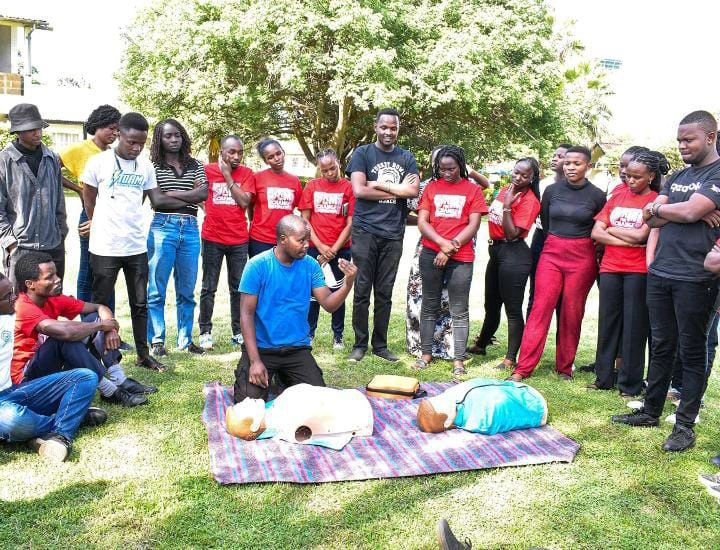
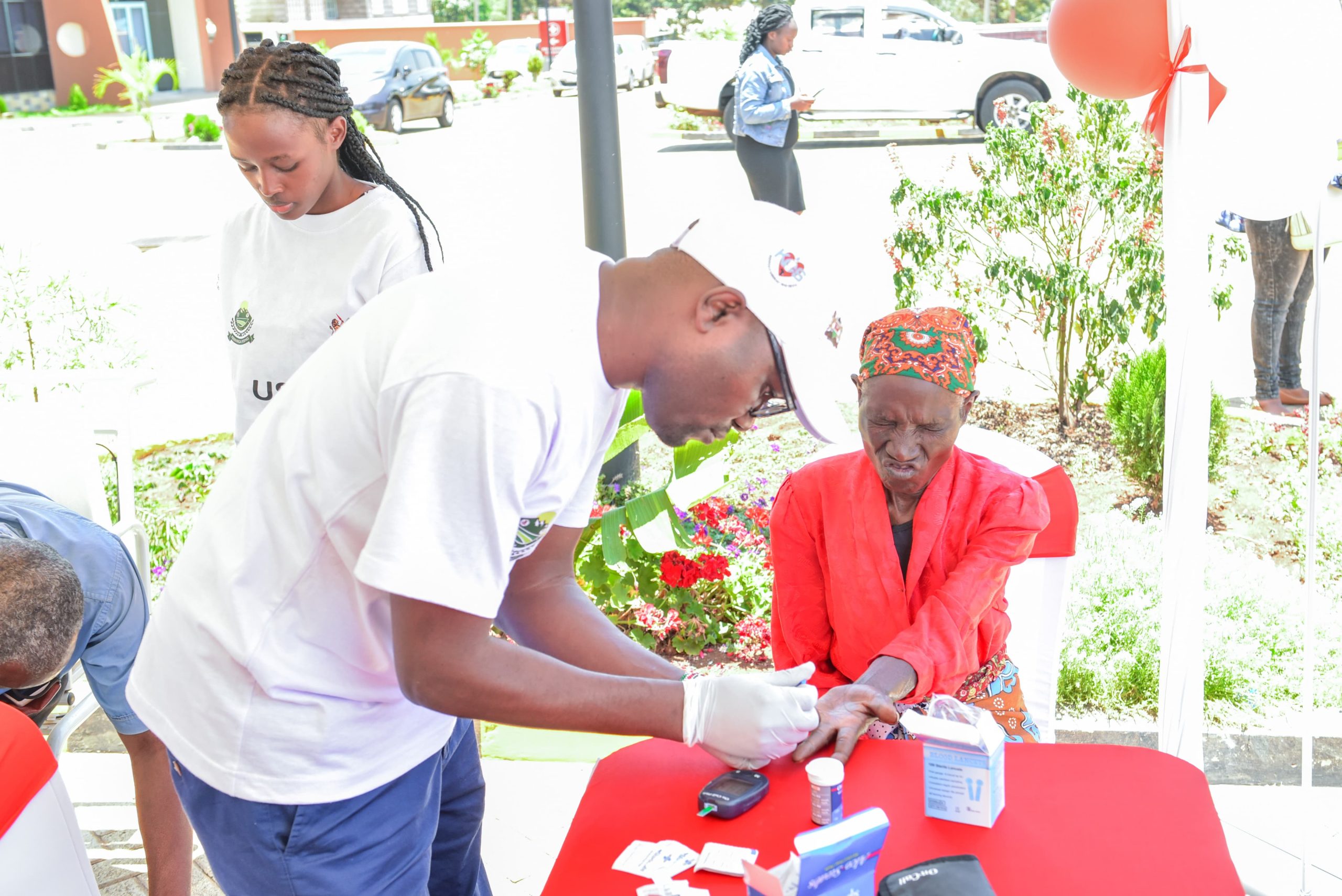
Dr. Otieno advises citizens to go for regular medical check-ups which can help detect silent threats like high blood pressure, cholesterol, and diabetes before they harm the heart.
“High blood pressure and cholesterol are major killers because they rarely show signs until it’s too late,” cautions Dr. Otieno, Kenya Cardiac Society.
He recommends scheduled routine screenings every six to twelve months and if prescribed medication, take it faithfully.
High blood pressure(hypertension) is caused by a combination of unchangeable risk factors and lifestyle choices. Unchangeable factors include genetics, older age, and race, while modifiable factors include being overweight, lack of physical activity, diets high in salt, excessive alcohol consumption, and chronic stress.
Certain medications and chronic conditions like kidney disease and sleep apnea increase the risk of heart attack by putting significant strain on the cardiovascular system. This is through interconnected biological mechanisms, creating a vicious cycle.
Kidney disease leads to a buildup of waste products, high blood pressure, and imbalances in minerals, causing the heart to work harder to circulate blood. Sleep apnea causes repeated drops in blood oxygen, increased stress hormones, and fragmented sleep, all of which elevate blood pressure and heart rate, increasing the risk of heart attack and other heart problems.
Rising Risk Factors
The Kenya Ministry of Health is experiencing a steady increase in heart-related complications. This is attributed to changing lifestyles among citizens especially living in urban areas.
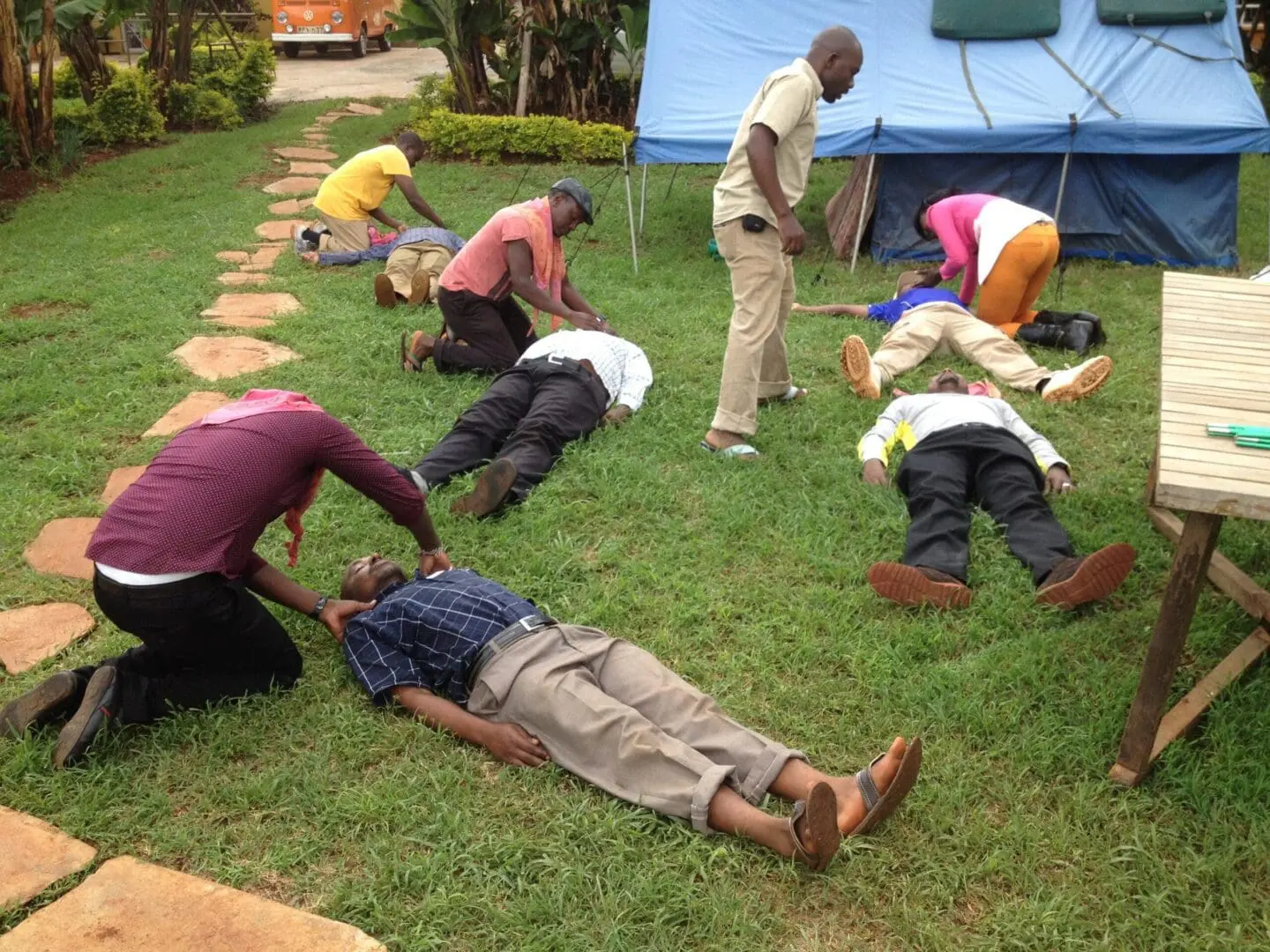
According to Mary Muthoni, the Principal Secretary, State Department for Public Health and Professional Standards, non-communicable diseases (NCDs) such as hypertension and diabetes now account for more than a half of hospital admissions.
Muthoni complains of sedentary life combined with frequent consumption of ultra-processed foods are contributing to a range of chronic conditions. Excessive consumption of alcohol, tobacco use are among the leading triggers of cardiovascular diseases.
“Long periods of sitting and a diet high in sugar, salt, and fat contribute to high blood pressure, inflammation, and high cholesterol. Processed foods can cause spikes in blood sugar, leading to type 2 diabetes due to insulin resistance over time,” Muthoni PS for Public Health cautions.
Dr. Charles Kariuki, Nairobi-based Cardiologist affirms that all these are risk factors amplified by sedentary lifestyle, which impairs glucose metabolism. A diet of processed foods has been linked to poorer physical health, particularly among those with inactive lifestyles.
Dr. Kariuki warns that high cholesterol, high blood sugar levels and untreated high blood pressure silently damage arteries for years before symptoms appear. For this reason regular check-ups are important.
Prevention Through Daily Choices
The saying “prevention is better than cure” is true and key when it comes to health concerns. It advises taking proactive steps to avoid trouble or illness, as this is less difficult and costly than trying to fix it once it has happened.
In Kenya, it costs approximately KES 5000 consultation fee for cardiology services. This could be very expensive for a patient without medical insurance cover to pay directly from their pocket.

According to Dr. Dan Gikonyo who is one of the most coveted Cardiologists in Kenya and member of Kenya Cardiac Society, the country has about 40 cardiologists, 350 internal medicine physicians, 7,500 medical officers, and 25,000 clinical officers.
These personnel serve about 30 million adults. The doctor-patient ratio in Kenya is 1.6 per 10,000 of the population, comparable to Africa’s average of 2.0 per 10,000.
“We are only about 40 physician cardiologists serving a population of 48 million Kenyans, most of whom practice in level five and six facilities within Nairobi and a few in Mombasa and Kisumu,” Dr. Gikonyo regrets.
“This translates to one physician cardiologist serving 1.2 million Kenyans, of which 72.5% reside in rural areas,” he laments.
To avoid all these unnecessary expenses, health experts recommend simple steps of adhering to; maintaining a balanced diet rich in fruits, vegetables, whole grains, and lean proteins, while cutting down on salt, sugar, and red meat.
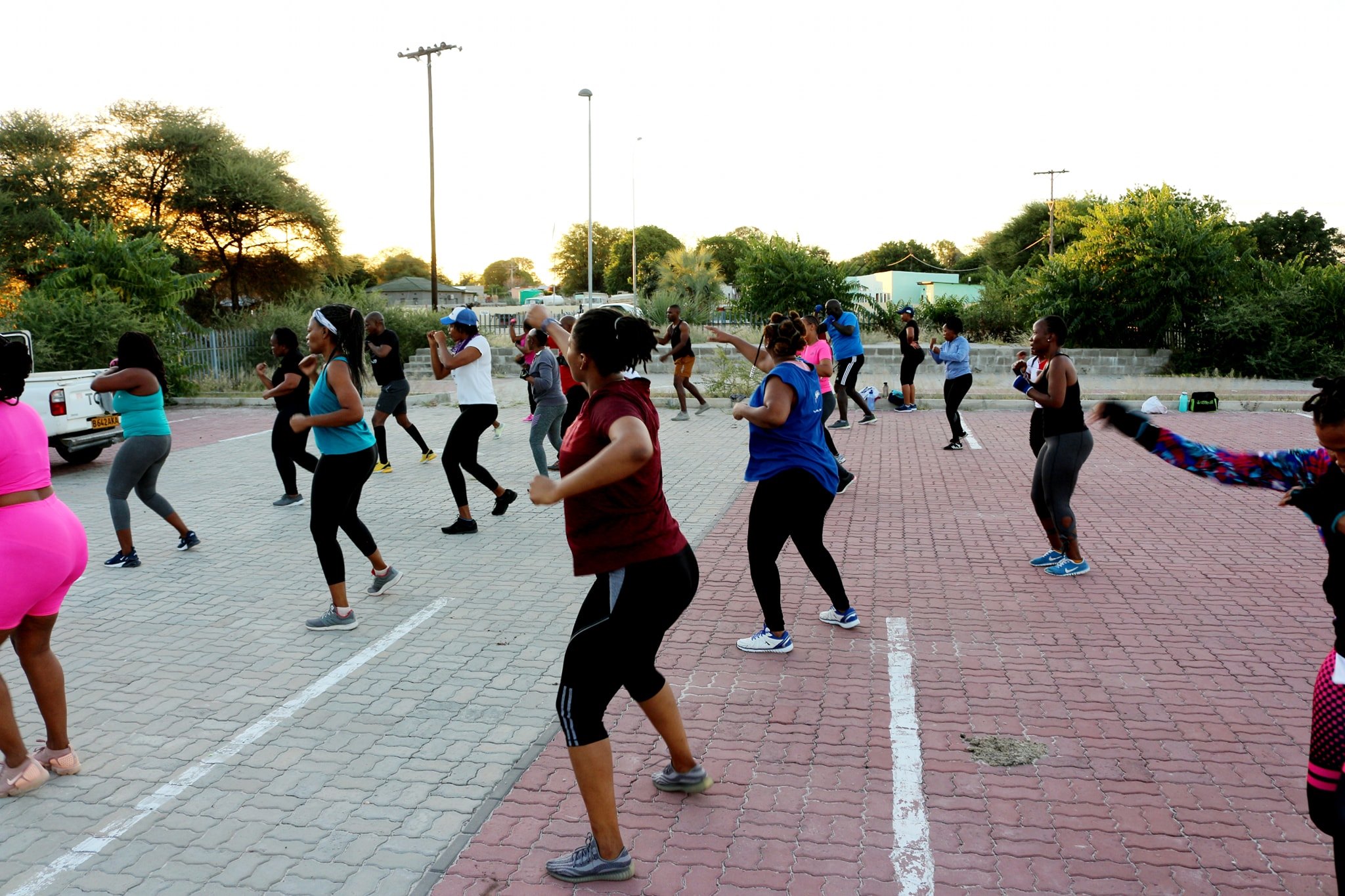
Regular physical activity at least 30 minutes of brisk walking five days a week keeps the heart strong.
Managing stress, getting enough sleep, and attending regular medical checkups are equally vital. “Small daily habits make the biggest difference,” says Dr Gikonyo. “It’s not about drastic diets, but long-term healthy living.”
Creating Awareness and Support
Health organizations or societies are currently running awareness campaigns to educate the public on heart health and lifestyle management. The Kenya Cardiac Society (KCS) for instance, is collaborating with lifesaving organizations, employers and employees to promote wellness programs at workplaces.
It is a moment to raise awareness, strengthen community preparedness, and encourage people everywhere to learn essential life-saving skills. For example, the KCS has engaged learning institutions through the Ministry of Education to include physical education in the teaching curricula. While Kenya Red Cross (KRC) is co-opted to offer an opportunity for a first aid training course.
The KCS is also in partnership with the Ministry of Health, to help emphasize awareness, prevention, and lifestyle change in the fight against cardiovascular diseases (CVDs) — one of the leading causes of death in Kenya and globally.
The health experts insist that prevention is far cheaper than treatment. “Your heart doesn’t fail overnight — it reacts to years of neglect,” says Dr. Gikonyo. “The earlier you start caring for it, the longer and healthier your life will be.” Dr. Gikonyo, Cardiologist advises.
Dr. Gikonyo discloses the campaign aims to sensitize Kenyans who are not aware of their blood pressure status, or blood sugar level especially men leading at 70% and 30% women. Everybody is encouraged to plan their blood pressure screening at least once a year for adults 40 years and older.
“However, for individuals who are at high risk for developing hypertension, including people who have a family with history of hypertension, people whose blood pressure is slightly elevated and people who are overweight or obese may have to have their blood pressure checked more regularly,” Dr. Gikonyo states.
Again, for adults between ages 18 to 39 years, the recommendation for them is to have their blood pressure checked every 3 to 5 years.
Above all remember food is medicine and exercise is medicine too and both are just as powerful as medication.
Heroes aren’t born; they are everyday people who choose to save a life. Every breath of a hero is breathed to save another. The world thrives on the quiet deeds of everyday heroes. Hands that help can save lives beyond measure.
About the Writer: Henry Owino is a Kenyan science and health journalist reporting on public health, environment, and social development across Africa. His work focuses on evidence-based storytelling that amplifies community voices and drives policy conversations.