|
Getting your Trinity Audio player ready...
|
By Lenah Bosibori
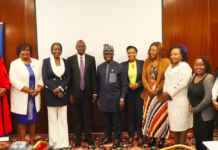
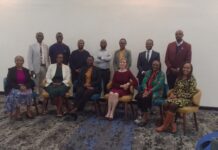
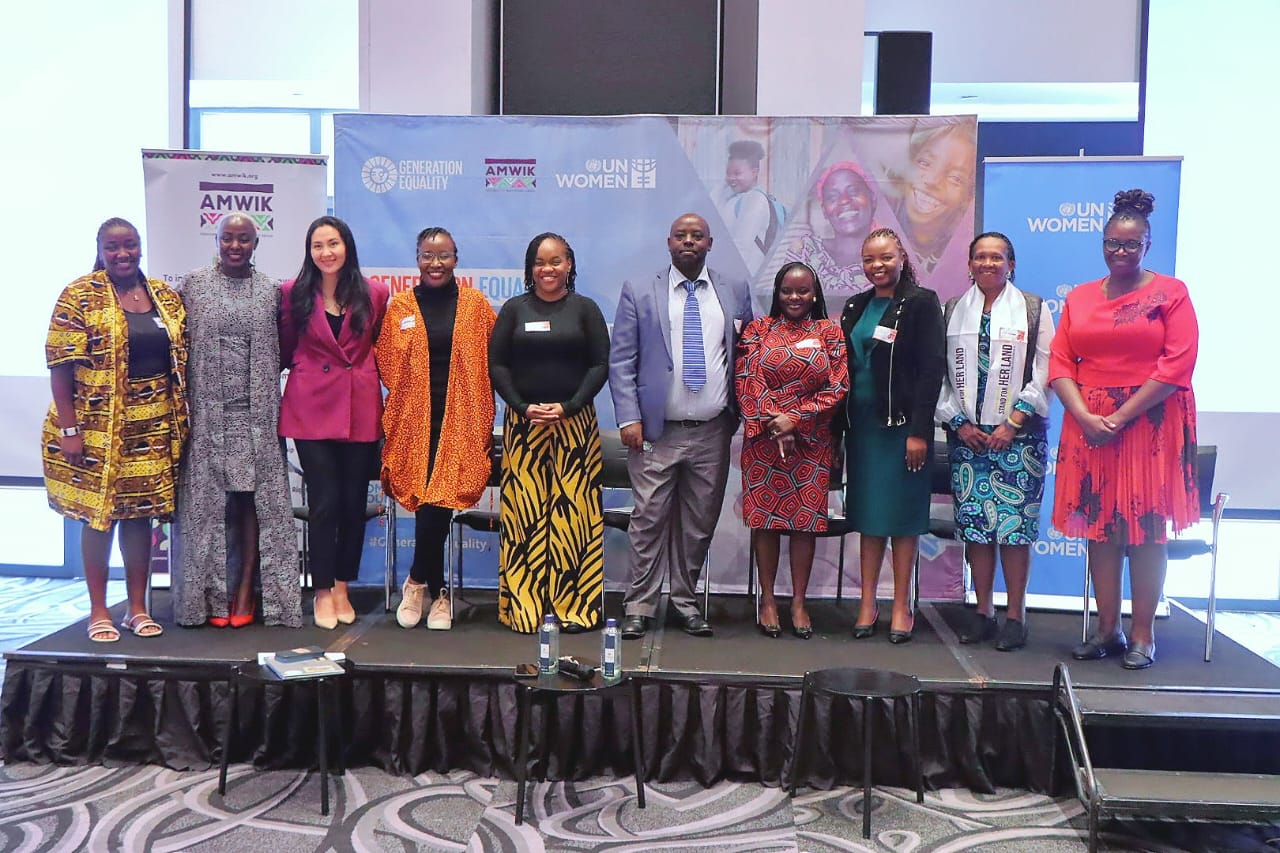
Nairobi, Kenya: In a landmark move for gender justice, media leaders from East and Southern Africa pledged to advance gender equality through transformative journalism by signing a joint declaration at the Generation Equality Media and Commitment Makers Forum in Nairobi.
The high-level forum, co-hosted by UN Women Africa, the Association of Media Women in Kenya (AMWIK), the Kenya Editors Guild (KEG), and Nalafem, brought together a cross-section of journalists, editors, government officials, civil society organizations, youth leaders, and private sector stakeholders from over 14 countries with one aim of harnessing the media’s power to promote positive social norms, dismantle harmful stereotypes, and amplify women’s voices.
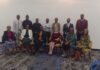
At the heart of the forum was the signing of a declaration by participating media houses and leaders, pledging concrete action to embed gender equality across their editorial operations.
“We, the undersigned media organizations gathered at the Generation Equality Media and Commitment Makers Forum, recognize the critical role of media in shaping narratives and holding institutions accountable for gender equality and women’s empowerment across East and Southern Africa and beyond,” read part of the declaration. “We pledge to ensure the efforts of gender equality players are visible, impactful, and sustained to promote positive social norms, challenge harmful perceptions, and break stereotypes.”
In his opening remarks, Victor Bwire, Director of Media Training and Development at the Media Council of Kenya, emphasized that quality content rooted in real societal issues can naturally elevate gender perspectives:
“When reporting on climate change, for instance, the entry point may be environmental impact, but if you report it well, it will inherently reveal gendered dimensions,” Bwire said. “Let us produce quality, timely content that reflects the realities and contributions of women across all sectors.”
Anna Mutavati, UN Women Regional Director for East and Southern Africa, issued a rallying call to journalists and editors to move beyond token coverage.
“Across Africa, we are facing growing challenges, from the climate emergency and conflict, to shrinking civic space that disproportionately affects women and girls,” she said. “At the same time, women’s organizations are stretched thin due to unprecedented funding shrinkage, yet they’re still expected to deliver life-saving services and defend rights. We must stand together. We must unite our hands, our resources, and our expertise, and we count on media partners.”
She called for a shift from “one-off events to sustained partnerships, from isolated stories to systemic narrative change, and from reporting on women to reporting with women.”
Storytelling as a Tool for Equality
Queenter Mbori, Executive Director of AMWIK, emphasized the importance of intentional and consistent coverage of gender equality.
“We aim to move beyond intermittent coverage to sustained, impactful storytelling,” she said. “We laud all media representatives who have signed the declaration to ensure gender-sensitive reporting, because with every story of progress told, we move one step closer to achieving equality.”
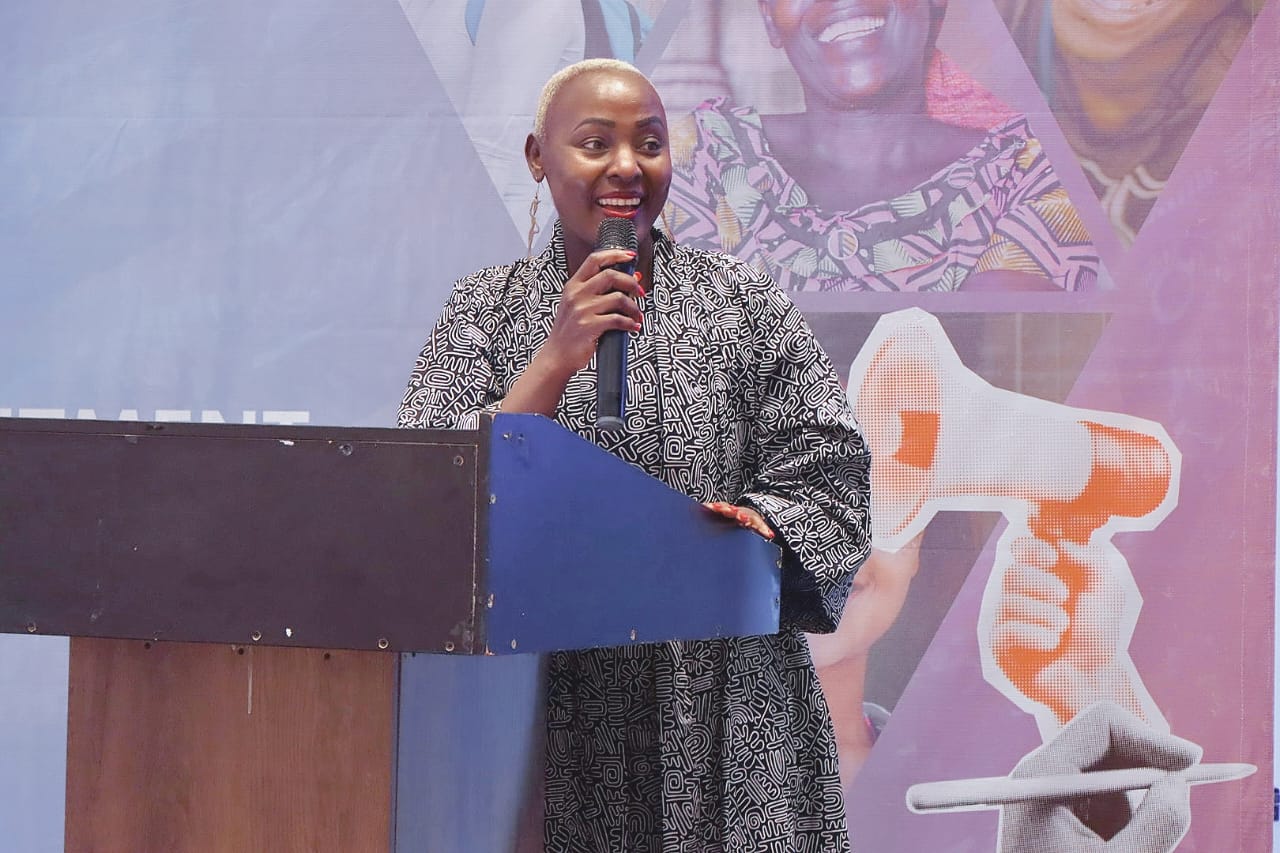
The forum also spotlighted the leadership of Nalafem, a multigenerational Pan-African feminist collective rooted in the Africa Young Women Beijing+25 Manifesto.
Participants acknowledged that the media has a duty not only to inform but to influence power structures by amplifying marginalized voices, challenging gender stereotypes, and holding institutions accountable.
“Media shapes public discourse, influences policy agendas, and has the power to shift mindsets,” noted part of the declaration. “With that power comes a responsibility to report on gender issues with accuracy, sensitivity, and depth.”
The timing of the forum is symbolic and strategic. 2025 marks a year of major milestones in the global gender equality agenda:
- 30 years since the Beijing Declaration and Platform for Action, the world’s most comprehensive roadmap for advancing women’s rights.
- 25 years since UN Security Council Resolution 1325, which recognized women’s critical role in peacebuilding and conflict resolution.
- 15 years since the founding of UN Women, the UN’s flagship agency for gender equality.
These anniversaries provide an opportunity to reflect on progress, confront challenges, and renew commitments. The media’s unified pledge serves as a critical lever for accountability and transformation.
By endorsing the declaration, media leaders have committed to:
- Develop and implement gender-responsive editorial policies.
- Produce content that amplifies the voices of Generation Equality Commitment Makers.
- Monitor and evaluate progress in gender representation in their newsrooms and coverage.
- Collaborate with civil society, women’s rights groups, and young feminist leaders.