|
Getting your Trinity Audio player ready...
|
By Tony Wafula
Bungoma County, Kenya: Health experts are warning that low awareness of post-abortion care is increasingly endangering women’s health. Due to misinformation, stigma, and limited access to accurate reproductive health information, many women fail to seek timely medical attention after an abortion.
According to the World Health Organization (WHO), six out of ten unintended pregnancies end in induced abortion. Meanwhile, unsafe abortion remains a critical public health issue. MSI Reproductive Choices reports that an estimated 152,057 unsafe abortions have been averted in Kenya through access to its services. Nevertheless, 2,600 women die annually from unsafe abortions in the country, an average of seven deaths per day from related complications.
MSI Kenya, which aims to deliver self-care solutions within a continuum of sexual and reproductive healthcare, emphasizes enhancing access to high-quality post-abortion care and contraception as part of its mission.
A Personal Ordeal
Linet Wabwile, a resident of Kanduyi Constituency in Bungoma County, experienced a miscarriage during her second pregnancy, which led to severe complications.
“My first pregnancy was successful. I miscarried the second one, and it came with complications,” she said.
Having never experienced pregnancy loss before, Wabwile initially lacked information about post-abortion care.
“I underwent severe pain, and I did not have someone to explain the situation to me,” she recalled. She eventually remembered having the contact of a healthcare provider at her nearest health centre, who advised her to visit immediately.
The miscarriage had occurred in the fifth month. After examination, nurses found that only the placenta remained. She was given medication, but it did not provide immediate relief.
“I was at the hospital where the nurses attended to me and cleaned my uterus until I got better,” Wabwile said.
After the procedure, she was advised to use family planning to prevent conception for six months. She opted for a five-year method but later had it removed when she desired another pregnancy. She is now five months pregnant and plans to have three children.
Wabwile has since become a community advocate, encouraging pregnant women to seek medical care if they face any challenges. She also highlighted a critical gap in local health services.
“Our nurses are willing to attend to clients, but the challenge is they lack equipment,” she said. “I appeal to the government and NGOs like MSI Reproductive Choices to help us get kits at Mechimeru Health Centre so women can receive timely maternal services.”
A Healthcare Provider’s Perspective
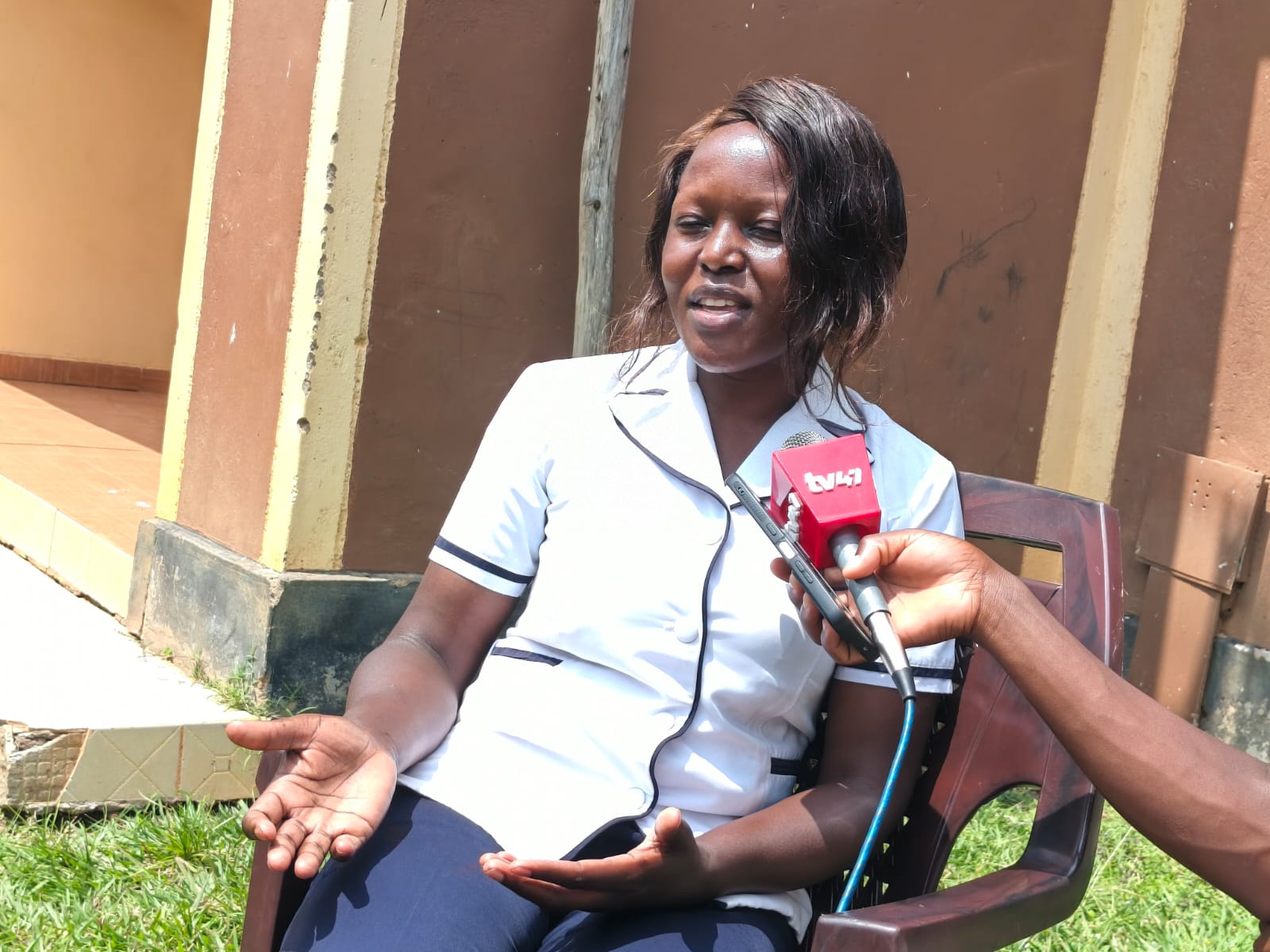
Lydia Kituyi, a nurse and family planning expert at Mechimeru Health Centre, explained that post-abortion care includes emergency treatment, contraceptive counselling, mental health support, and screening for STIs, cervical cancer, and breast cancer.
She noted that abortion can result from various factors, including trauma, hypertension, diabetes, or illnesses like malaria.
“We screen our clients for other conditions that might have caused the abortion,” Kituyi added.
Common complications she encounters include haemorrhage, sepsis, and uterine perforation. Haemorrhage, often due to retained products of conception, requires prompt intervention.
“When there are retained products, the woman will continue bleeding unless they are expelled,” she explained. “Post-abortion care saves lives.”
Patients with severe blood loss may require a transfusion, while infections are treated with antibiotics. Left untreated, severe infections can lead to fatal septic shock.
Kituyi stressed the importance of antenatal profiling—checking blood levels, hemoglobin, blood group, rhesus factor, blood sugar, and screening for hypertension and syphilis—to help prevent adverse outcomes.
Stigma and Systemic Gaps
She identified stigma as a major barrier to care.
“Not every terminated pregnancy is induced. Some end spontaneously, and the process must be completed for the woman’s well-being,” Kituyi emphasized.
Awareness remains critically low. “Many in the community don’t know these services exist at health facilities,” she said.
Another challenge is the shortage of trained providers. “Lack of knowledge can make someone unable to offer the service,” she noted.
MSI Reproductive Choices supports Mechimeru Health Centre by providing Manual Vacuum Aspiration (MVA) kits for managing incomplete abortions below 11 weeks.
Despite available services, uptake remains low, with only about ten women seeking post-abortion care monthly at the facility.
Kituyi reiterated the standard medical advice: after an abortion, clients should use contraception for at least six months to allow the uterus to heal before attempting another pregnancy.