|
Getting your Trinity Audio player ready...
|
By Doris Kathia
In a landmark decision during the United Nations Human Rights Council’s 59th session in July 2025, Kenya cast a pivotal vote in favor of renewing the mandate of the UN Independent Expert on protection against violence and discrimination based on sexual orientation and gender identity and expression (SOGIE). This marked a significant moment at the Human Rights Council nation’s engagement with international human rights frameworks.
The council was established to investigate and document human rights violations based on sexual orientation and gender identity and expression; the SOGIE mandate plays a pivotal role in addressing discrimination and violence against LGBTQ+ individuals worldwide.
Kenya’s affirmative vote was part of a broader international effort to extend the SOGIE mandate for an additional three years. The resolution passed with 29 votes in favor, 15 against, and 3 abstentions, highlighting a significant majority supporting the continuation of this essential human rights mechanism.
Kenya aligned itself with countries like Chile, Germany, and South Africa, by supporting this resolution, demonstrating a shared commitment to protecting individuals from violence and discrimination based on sexual orientation and gender identity and expression.
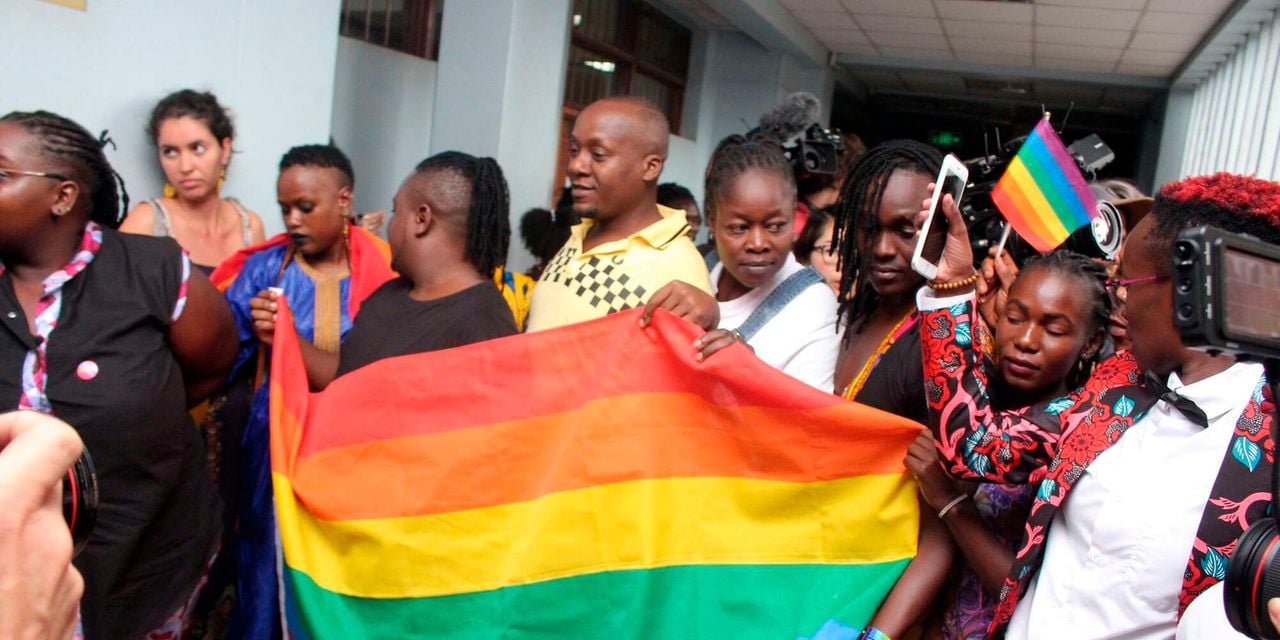
This decision reflects Kenya’s evolving approach to human rights, emphasizing the importance of inclusivity and non-discrimination in its foreign policy. However, conservative groups, including religious groups and political figures, have condemned the decision. For instance, Member of Parliament Peter Kaluma labeled the vote a “betrayal of national values,” arguing that it contradicts Kenya’s cultural and religious beliefs.

This division highlights the ongoing struggle within Kenya to reconcile international human rights obligations with deeply rooted societal norms. The discourse surrounding the vote has intensified debates on the extent to which international pressure should influence national policies, especially on contentious issues like LGBTQ+ rights.
While Kenya’s legal framework, including its 2010 Constitution, does not recognize same-sex unions and criminalizes homosexual acts, the government’s vote at the UN represents a nuanced stance. It indicates a recognition of the need to protect individuals from violence and discrimination, irrespective of their sexual orientation or gender identity, without necessarily endorsing changes to domestic laws.
This approach allows Kenya to honor its international human rights commitments while maintaining its cultural and legal perspectives. It reflects a pragmatic balance between upholding global human rights standards and respecting national values and norms.
Kenya’s support for the SOGIE mandate enhances its standing in the international community as a nation committed to human rights and multilateral cooperation. This decision contributes to Kenya’s reputation as a responsible member of the United Nations, willing to engage in complex global issues with a focus on dialogue and mutual respect.
Furthermore, by participating actively in such resolutions, Kenya demonstrates its dedication to the principles of the UN Charter, which include promoting and encouraging respect for human rights and fundamental freedoms for all without distinction as to race, sex, language, or religion.
Ms. Kathia is a Human Rights Defender and a communications specialist.