|
Getting your Trinity Audio player ready...
|
By Mercy Kachenge
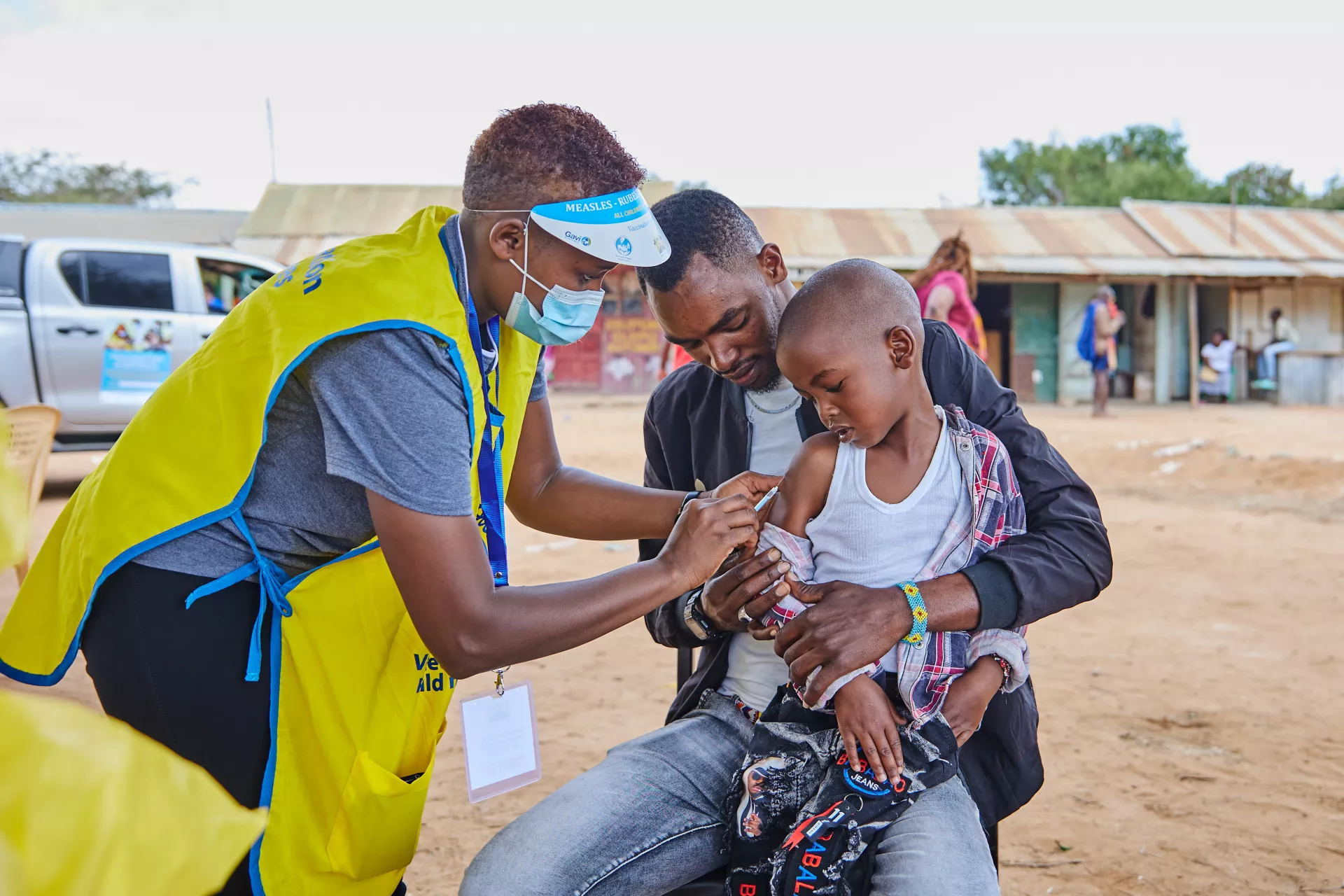
Nairobi, Kenya: Kenya recently concluded one of its largest ever integrated vaccination campaigns that targeted more than 10 million children under the age of 15 with the Typhoid conjugate Vaccine(TCV).
The nationwide exercise, which ended on July 14th, marked a major public health milestone aimed at protecting children from typhoid and other vaccine preventable diseases from resurfacing and claiming lives especially among vulnerable children.
According to Immunizations Specialist at UNICEF, Collins Tabu, an immunization programme, the importance of vaccines can’t be overstated.
“Historically, people unknowingly practiced basic forms of immunization, bringing a healthy child into slight contact with a sick one to ‘build resistance.’ Some smeared oil or gave children bad names to ward off ‘evil spirits,’” he explained.
“Today, science has proven what our ancestors couldn’t see: those spirits were diseases, and vaccines now protect us in much safer and effective ways.”
Over the past decades, Kenya has made remarkable progress in fighting vaccine preventable illnesses. Smallpox has been eradicated globally, polio is close to being eliminated, and maternal and neonatal tetanus no longer pose a threat in the country.
Schools once dedicated to polio survivors and the blind have been repurposed into rehabilitation centers as the need for them diminishes.
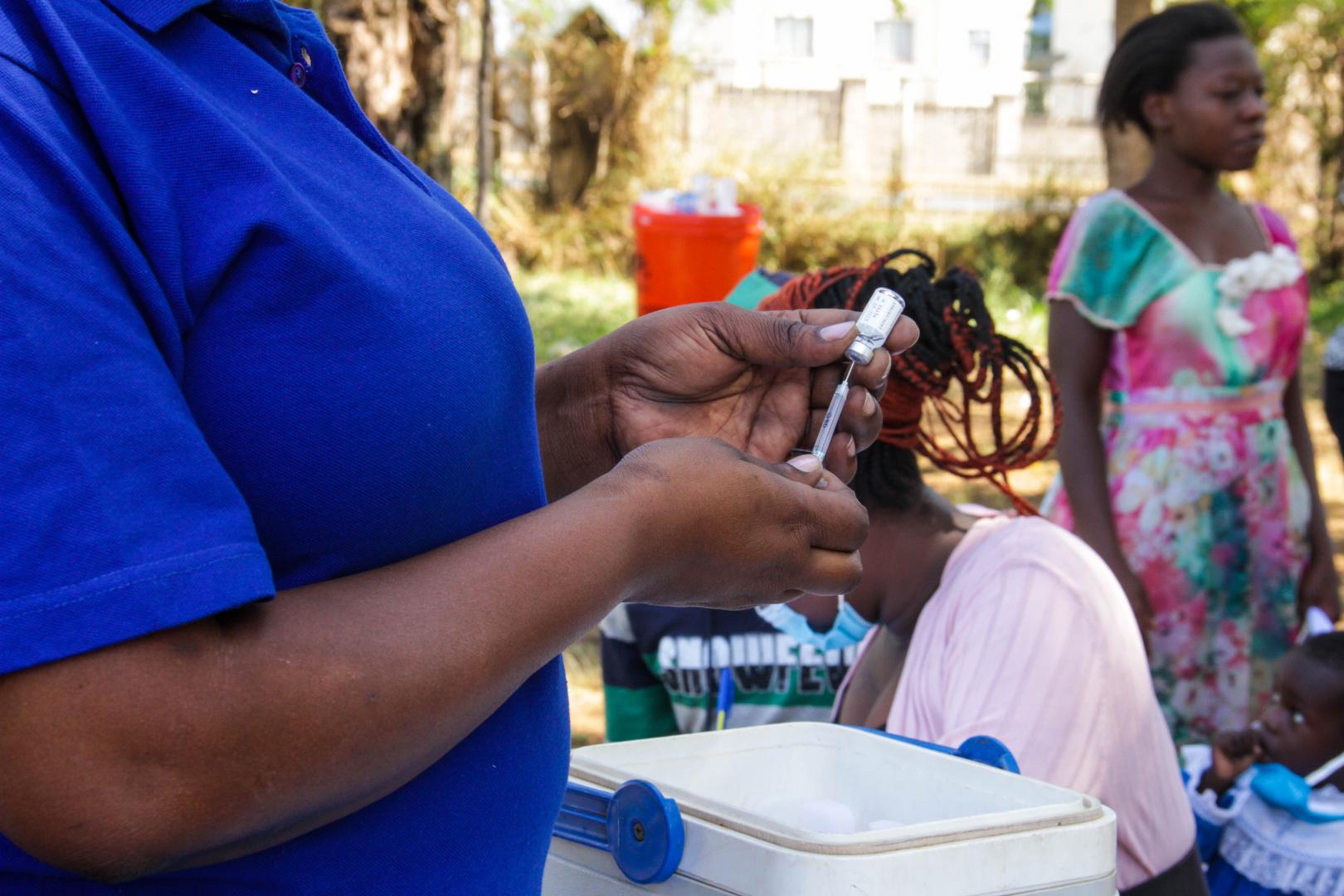
But despite this progress, diseases like measles and rubella continue to re-emerge in dangerous cycles. In 2023 alone, Kenya reported nearly 900 confirmed cases. These numbers only represent those who were diagnosed in health facilities,many more cases likely go unreported.
Dr. Tabu explained that the measles vaccine, while highly effective, does not create immunity in every vaccinated child. “For every 10 children vaccinated, about six to seven gain full protection. That leaves three or four children vulnerable,” he said. “Multiply this by a million children born each year, and you see how quickly the numbers build up.”
To stop the accumulation of susceptible children, the Ministry of Health conducts catch-up campaigns every 3 to 5 years, offering a second dose to all children under five regardless of their vaccination history.
“You can tell when a child missed a vaccine. But you can’t always tell when a vaccine failed to work,” Tabu noted.
The recent nationwide campaign marked the first time the typhoid conjugate vaccine is being offered freely to all children under 15 unlike before it was available only in private facilities.
The vaccine is now being introduced to counter rising typhoid infections and increasing antibiotic resistance. Typhoid is especially dangerous among children and has become harder to treat due to resistance to commonly used antibiotics.
“If we only offered the vaccine at nine months, it would take 15 years to protect the entire age group. By then, we would have lost many children,” said Dr. Tabu. “The campaign aims to quickly build immunity and interrupt transmission, while routine vaccination will continue at nine months moving forward.”
While health workers do their part, vaccine hesitancy driven by misinformation and fear remains a growing challenge. Dr. Gordon Okomo County Director of Health for Homa Bay, emphasized the role counties are playing to bridge this trust gap.
“We’ve invested in community dialogues and partnered with religious and local leaders to fight myths and restore faith in science,” he said.
The concern is not limited to rural areas. Parents in urban estates are also raising questions, sometimes triggered by misleading WhatsApp messages or community rumors.
Dr. Christine Chege , a pediatrician and immunization advocate, addressed these concerns. “Some parents fear side effects, but the truth is most vaccine reactions are minor, mild fever, a little swelling,” she explained.
“The most serious, such as allergic reactions, are extremely rare and treatable. Every clinic has emergency supplies, including adrenaline, to manage these.”
She a reminded parents that the risk of not vaccinating is far greater. Measles, often mistaken as a harmless rash, can lead to blindness, brain damage, or death. Rubella is more dangerous than it seems. A mild infection in a schoolchild can cause devastating birth defects if transmitted to a pregnant woman, affecting the baby’s heart, eyes, or brain.
“This isn’t just about children today. It’s about protecting future mothers and generations,” Dr. Christine said. “Vaccinating boys and girls breaks the chain of transmission.”
Kenya’s broader goal is not just to control these diseases—it’s to eliminate them. With five years left to achieve the Sustainable Development Goals (SDGs) and Kenya’s Vision 2030 , the Ministry of Health has accelerated efforts through improved infrastructure, community health outreach, and the introduction of new vaccines, including HPV and hepatitis B.
“Vaccines are not a burden,they are an investment in our future,” said Dr. Tabu. “We are healthy today because we were vaccinated yesterday.”