|
Getting your Trinity Audio player ready...
|
By Henry Owino
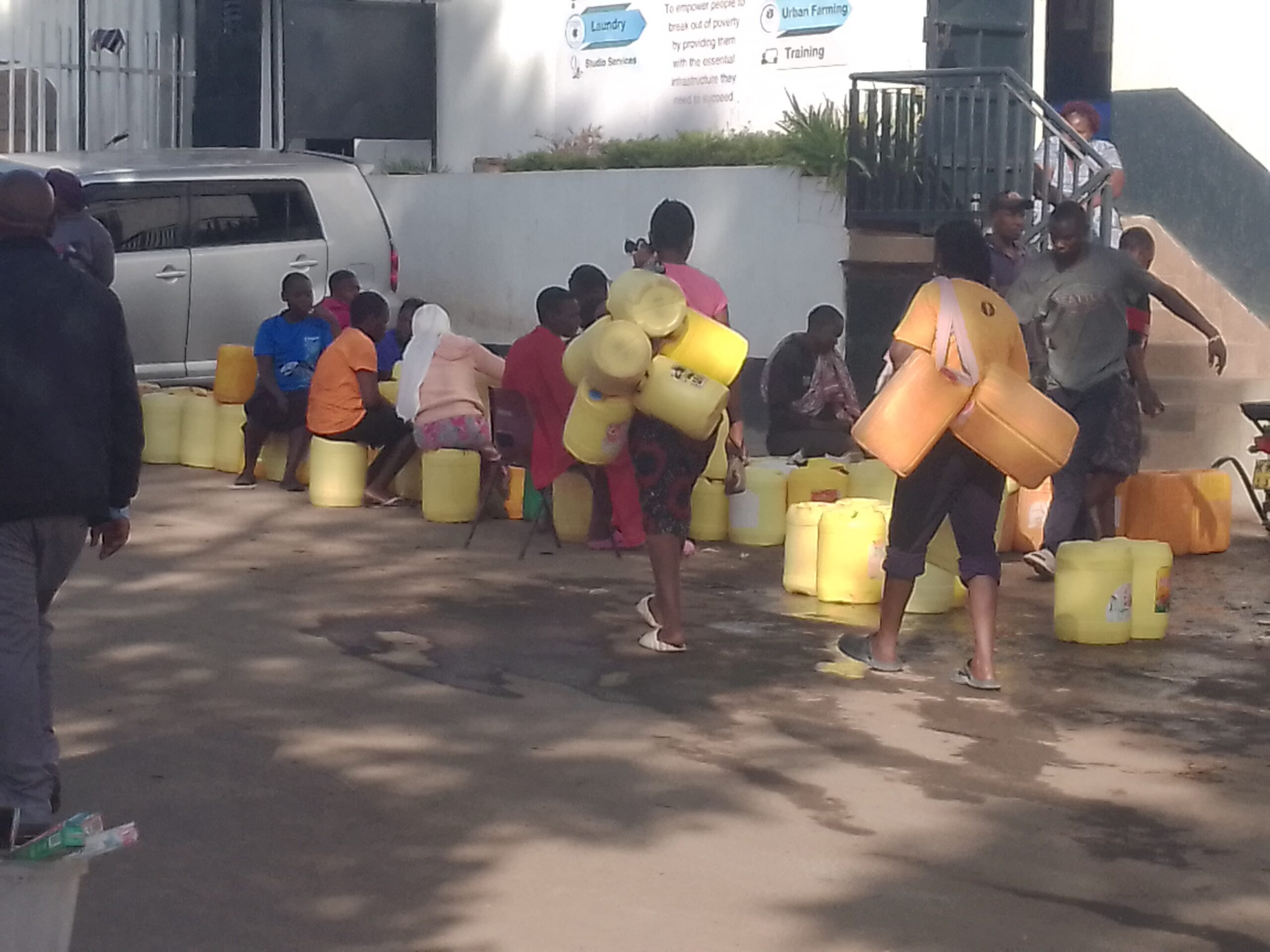
Kibera, Nairobi — Before dawn breaks over Kibera, the queues have already formed. Women clutch yellow jerrycans, children stand barefoot on the cold ground, and men scan the horizon for the first sign that water might flow.
Often, it doesn’t. And when it does, the scramble leaves many clutching empty jerrycans as the water disappears almost as quickly as it arrives.
When the taps run dry as they frequently do in Africa’s largest informal settlement, residents face a daily gamble: wait for hours in hope, or pay inflated prices to private vendors whose hose pipes snake through back alleys and muddy paths.
Water, a basic necessity, has become a commodity controlled by shadowy middlemen, failing infrastructure, and alleged backroom deals. A 20-litre jerrycan that should cost just a few shillings between KES 20 and KES 50, is now consuming a significant portion of families’ daily income, pushing already vulnerable households deeper into poverty.
A cross-sectional survey conducted by Talk Africa across the nine villages that make up greater Kibera found that a 20-litre jerrycan costs between KES 10 and KES 50, depending on the source, distance, and demand from vendors.
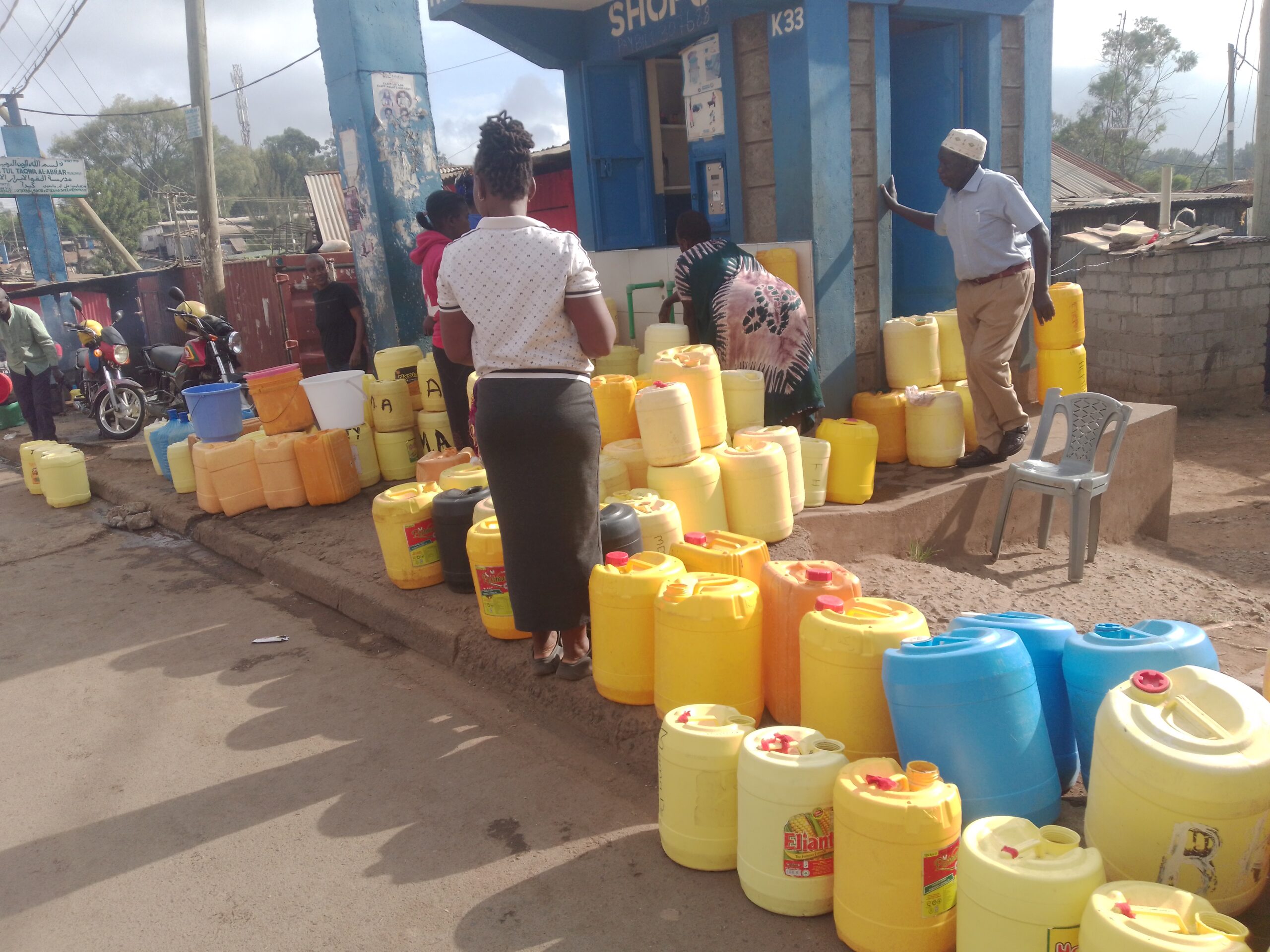
Family size further determines water consumption and total household costs. Those unable to afford clean water often turn to unsafe sources, risking disease in an area where healthcare remains largely out of reach.
Limited Access to Water Supply Points
For residents like Hellen Atieno, the water crisis dictates the rhythm of daily life.
“We wake up before dawn and walk long distances just to look for water,” she says. “If we don’t find it during the day, we line up again at night and wait for hours—sometimes just to get a few litres.”
Women and children, Atieno explains, bear the brunt of the crisis; sacrificing sleep, risking their safety, and surrendering hours each day just to secure the most basic household need. A mother of five, she describes the shortage as a perennial crisis defined by dry taps, dirty deals, and endless queues, where survival is measured not by the day but by the next drop.
“What should be a basic human right has become an exhausting and costly pursuit,” she says. “Yet there are elected leaders who watch in silence as this happens. That is utterly unacceptable.”
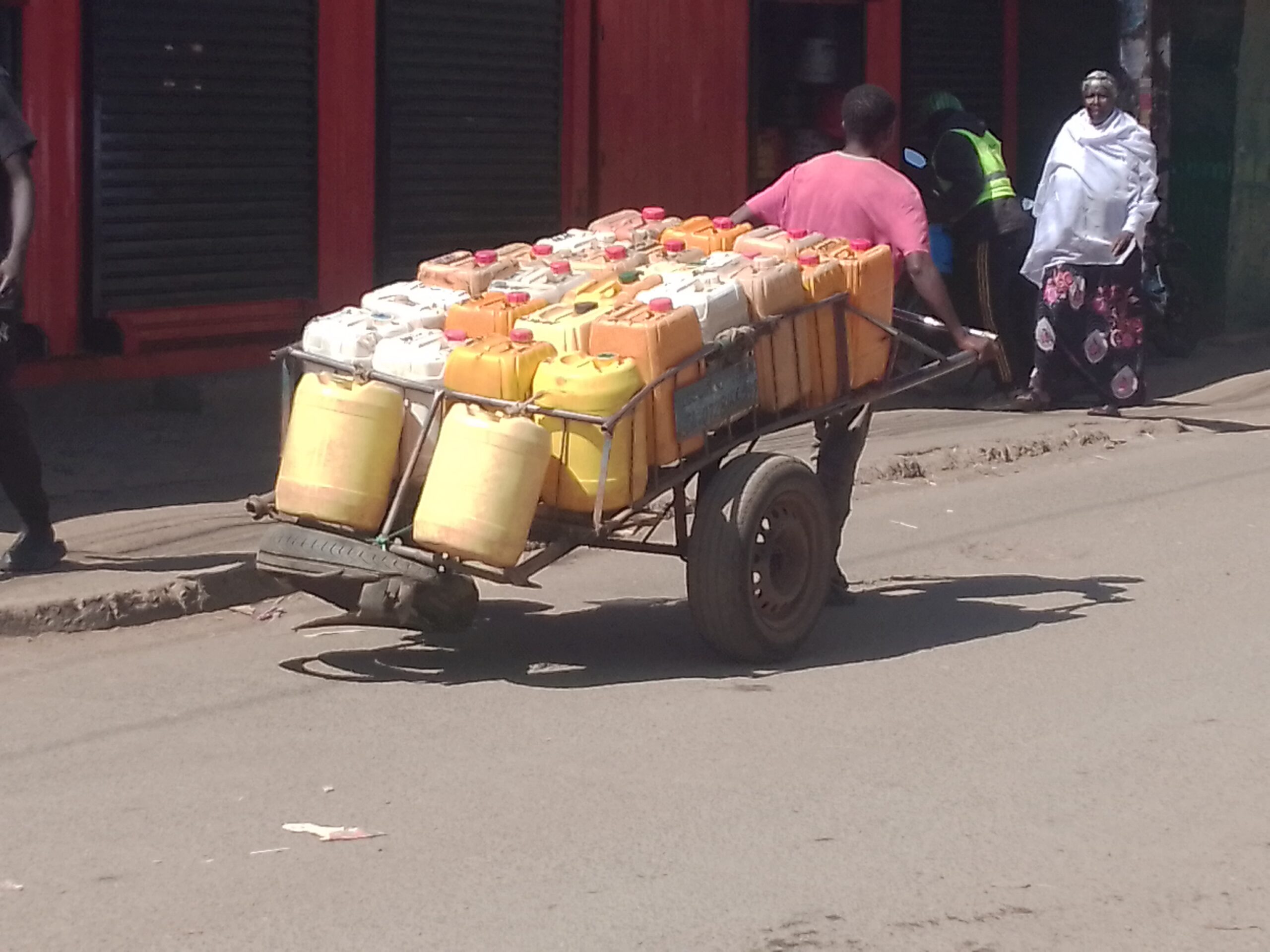
Talk Africa’s investigations show that the majority of Kibera residents do not have piped water inside their homes. Only a small percentage rely on shared public taps, many of which are nonfunctional due to vandalism or illegal diversions. As a result, residents depend on expensive vendors and communal points with unreliable supply.
Rukia Ahmed confirms that the few functioning water points force residents, especially women and girls, to spend hours waiting in queues, reducing time for school, work, and rest. She notes that her faith requires regular bathing, and with the scorching heat, water needs are even greater.
“The toilets must be flushed, cooking and cleaning take water, and with this heat, we need more for drinking and bathing,” she explains. “Every day feels like a battle to meet basic needs, and the few water points available are never enough for everyone,” Rukia laments.
Too Few Taps, Too Many Risks
Women and children often compromise their safety by fetching water before dawn or after dark, exposing them to harassment and violence. Limited access to clean water, combined with poor sanitation and open sewer lines, heightens the risk of cholera, typhoid, and diarrhoeal diseases. Inadequate toilets and unreliable water for handwashing further compound public health risks.
As the shortage drags on, the crisis has become about more than access, it is about survival. In Kibera, mothers trek long distances under the blazing sun with heavy jerrycans, children wait with parched throats, and every drop comes at a painful cost.
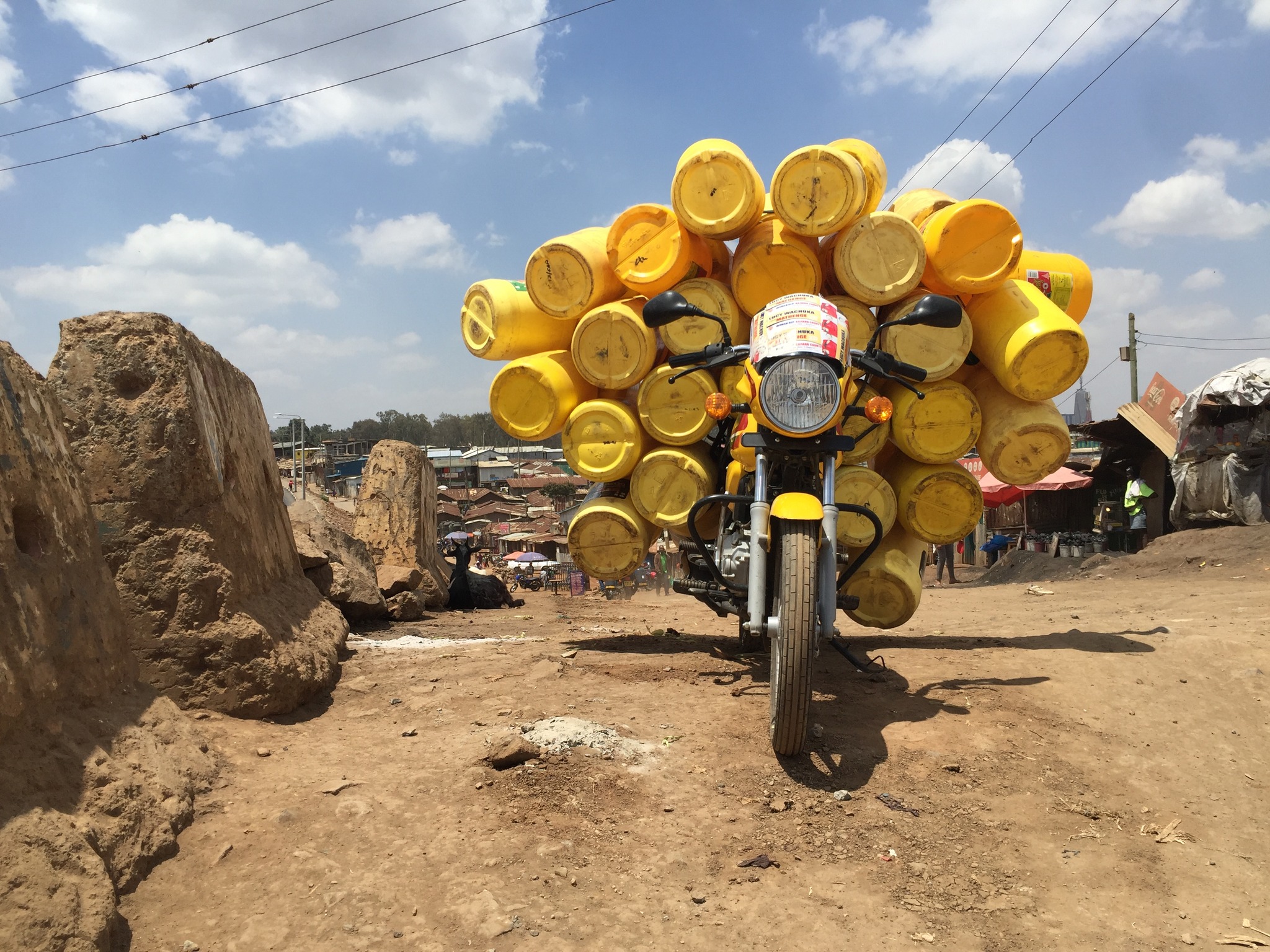
Water vendors have surged in number, including motorcycle riders turned makeshift suppliers. While many cash in on the crisis, residents pay the steepest price. Families scrape together coins for a single jerrycan, with prices rising to two or three times the normal rate.
The most affected areas include; Sarangombe, Makina, and Lindi wards with reported prices as high as KES 50 per jerrycan, money that could otherwise go toward food, school fees, or medical care.
Motorcycle vendor Thomas Wanjala, who sells water at KES 40 per jerrycan, says the high prices reflect fuel costs, distance, and exhaustion. But residents argue that inflated prices are driven by broken infrastructure, corruption, and cartel control.
What’s Driving the Shortages?
Residents and community leaders point to illegal connections and informal vendors diverting water meant for public taps and reselling it at inflated prices. These cartels are accused of sabotaging water pipes, controlling access points, and exploiting shortages, often in full view of authorities.
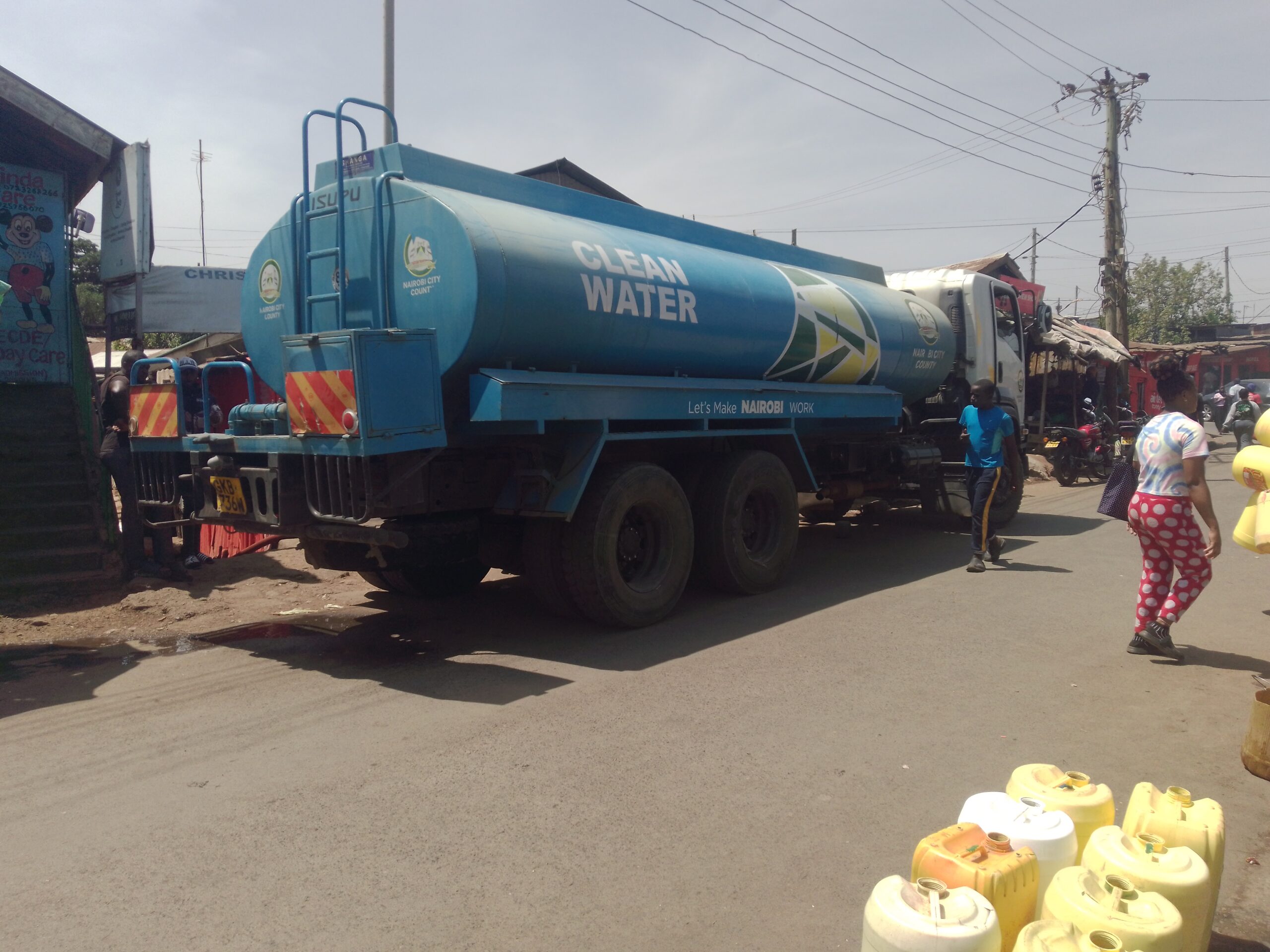
As of mid-January 2026, taps in many areas had remained dry for weeks. Talk Africa investigations indicate that cartels control large portions of Kibera’s water supply, allegedly with the involvement of some officials from Nairobi County Water and Sewerage.
Residents say the water pipes are deliberately disconnected, so water can be redirected into private tanks for resale. Simon Mudavadi alleged the authorities have illegal tanks operated by hired cartels to sell water on their behalf for agreed fee and commission.
“We see water flowing in the streets from broken pipes while our homes stay dry,” says Mudavadi, opinion resident leader. “It feels like the system has failed us but the truth is that it benefits a few individuals.”
While city authorities attribute the shortages to population growth, aging infrastructure, and prolonged dry weather that require rationing, residents argue that mismanagement and illegal diversions have deepened the crisis.
Management officials defended their role, stating that the current rationing measures are unavoidable and aimed at stabilizing supply, despite mounting public frustration. The authority also attributes the shortages to what it describes as illegal connections by residents seeking to profit from water sales, though residents and community leaders argue that such claims deflect attention from deeper governance failures.
What’s Being Done?
The Shining Hope for Communities (SHOFCO) has implemented a major water initiative in Kibera, including boreholes, treatment plants, and aerial piping that feeds water kiosks across the settlement. The system provides cheaper, more reliable water, often at just a few shillings per 20 litres and has reduced dependence on costly vendors.
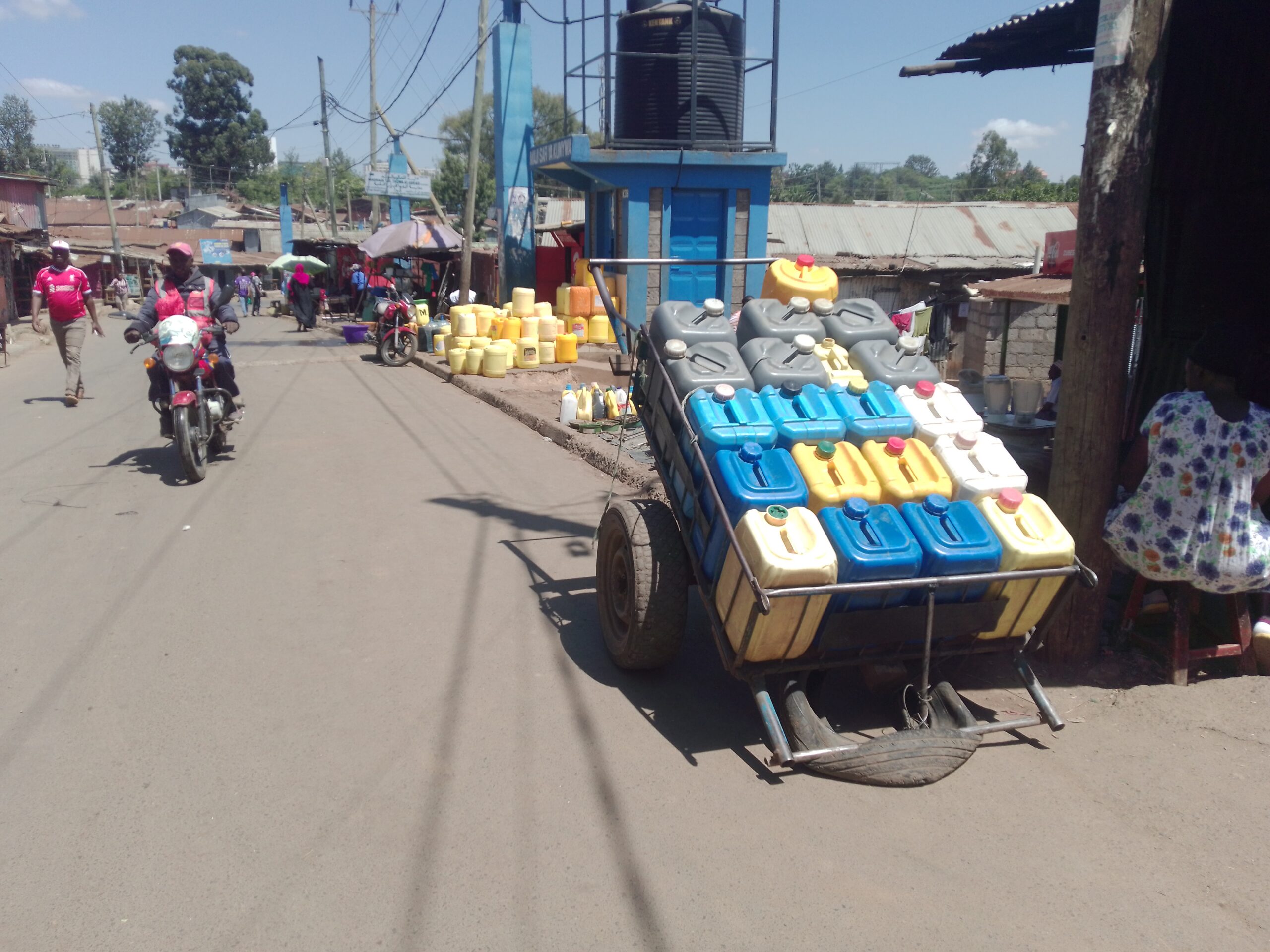
The aerial piping has also limited cartel interference while fostering community stewardship of infrastructure. However, coverage remains limited, and demand far outstrips supply. Expanded infrastructure, improved governance, and stronger protection measures are urgently needed.
Generally, dry taps, long queues, and security concerns are symptoms of systemic water shortages, high demand, and weak infrastructure exacerbated by socioeconomic vulnerability. While progress is underway, lasting solutions require coordinated investment, accountability, and the scaling of proven models like the aerial water network.
From an overall point of view, in Kibera, water does not vanish by accident. It is diverted, controlled, and sold back to those least able to afford it. As residents queue beneath dry taps, the real scarcity is not water but accountability. Until those who profit from this engineered shortage are confronted and stopped, water may return, but injustice will remain.
Henry Owino is a Nairobi-based investigative journalist focused on health and science, with interests in current affairs, creative writing, and narrative storytelling inspired by everyday life.