|
Getting your Trinity Audio player ready...
|
By Omboki Monayo
Nairobi, Kenya: In a landmark ruling, Kenya’s High Court has lifted a seven-year ban on public access to reproductive health information and services, declaring the state’s restrictions “unlawful, illegal and unconstitutional.”
The judgment, delivered on December 18, 2025, in *NAYA-Kenya & Jackline Karanja v. Attorney General & 4 Others*, reinstates the right to information for women, girls, adolescents, and health advocates nationwide. The case challenged a series of directives issued in 2018 that barred Marie Stopes Kenya (MSK) from providing abortion and post-abortion care and censored a nationwide public health campaign on safe abortion.
Justice Chacha Mwita ruled that the Director of Medical Services (DMS), the Kenya Medical Practitioners and Dentists Board (KMPDB), and the Kenya Film Classification Board (KFCB) had all acted beyond their legal authority.
How the Ban Began
The legal battle started after MSK, in collaboration with the Ministry of Health and Radio Africa Group, launched an awareness campaign to educate young people on the dangers of unsafe abortion and the availability of safe, legal care. In response, the KFCB banned campaign materials, the KMPDB moved to sanction MSK as an institution, and the DMS prohibited the organization from offering post-abortion care—an emergency service recognized under Kenyan law.
Why the Ruling is Critical
Unsafe abortion remains a leading cause of maternal death in Kenya. According to a recent study by the Ministry of Health, the African Population and Health Research Center, and the Guttmacher Institute, there were over 792,000 induced abortions in Kenya between April 2023 and May 2024—approximately 57 abortions per 1,000 women aged 15–49.
“This judgment is a major victory,” said a joint statement from the Center for Reproductive Rights and NAYA-Kenya. “It sends a clear message that state institutions cannot stand in the way of lifesaving information and services.”
Martin Onyango of the Center for Reproductive Rights added, “The Court has sent a strong message that state agencies cannot misrepresent the law or block lawful abortion services.”
A Call for Action
Advocates are now urging the government to implement the court’s directives promptly, including issuing clear public guidance on accessing legal abortion and post-abortion care.
“For years, government officers have acted with impunity, denying young people access to sexual and reproductive health information,” said Victor Rasugu, Executive Director of NAYA-Kenya. “This ruling affirms that young people and health providers have the right to accurate information.”

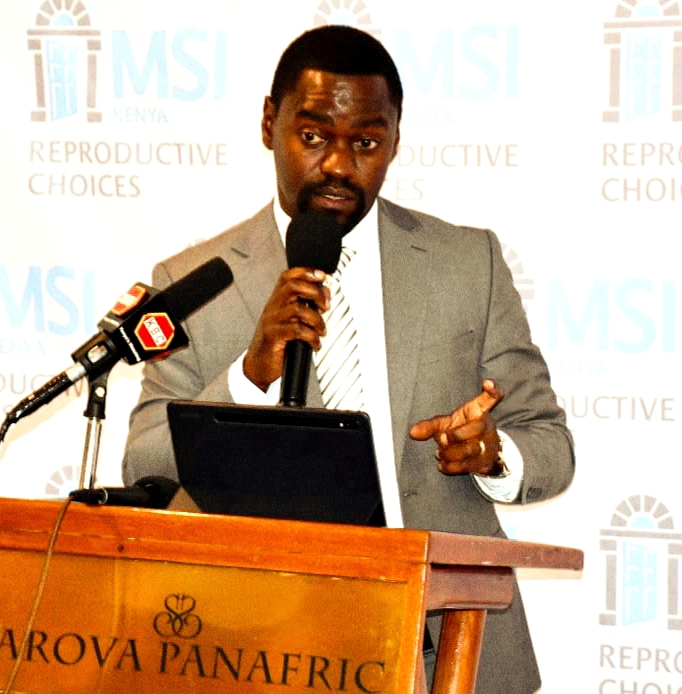
MSK welcomed the decision, with Country Director Dr. Walter Obita stating it “restores the rights of Kenyan women and girls to access essential reproductive health services without fear or stigma.”
The ruling not only addresses past injustices but also sets a precedent for constitutional accountability, protecting both healthcare providers and those seeking care. As the Center for Reproductive Rights emphasized, “This constitutional victory must now lead to real change… no one should be denied information or health care services that could save their lives.”