|
Getting your Trinity Audio player ready...
|
By Gitonga Njeru
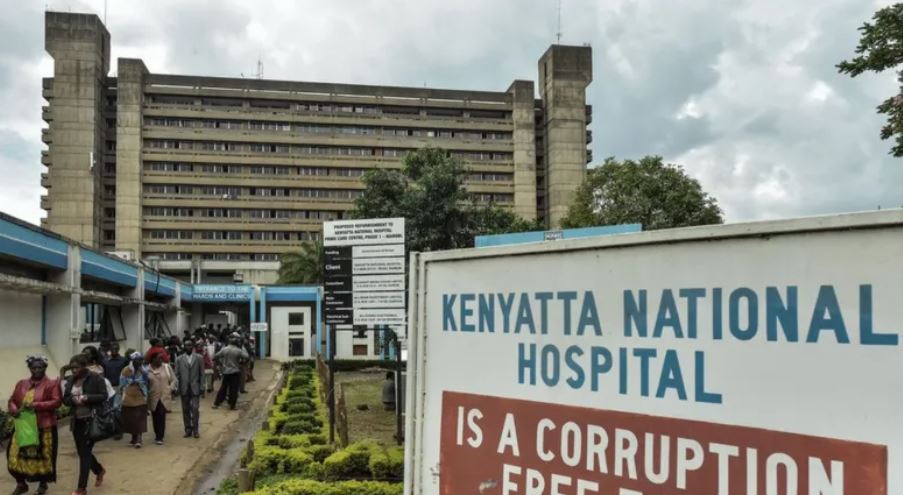
Nairobi, Kenya: The stark white walls of Kenyatta National Hospital’s maternity ward offered little comfort to 24-year-old Jessica Kimani. Just hours before, those walls had echoed with her labor pains, followed by the chilling silence of a life that never fully began.
Her baby boy she had already named Karanja, was stillborn. The doctors, weary and seemingly stretched thin, had offered condolences, muttering about unforeseen complications.
But for Jessica, a gnawing question persisted: could more have been done? Had she received timely, unburdened care, would Karanja be in her arms now and not a memory?
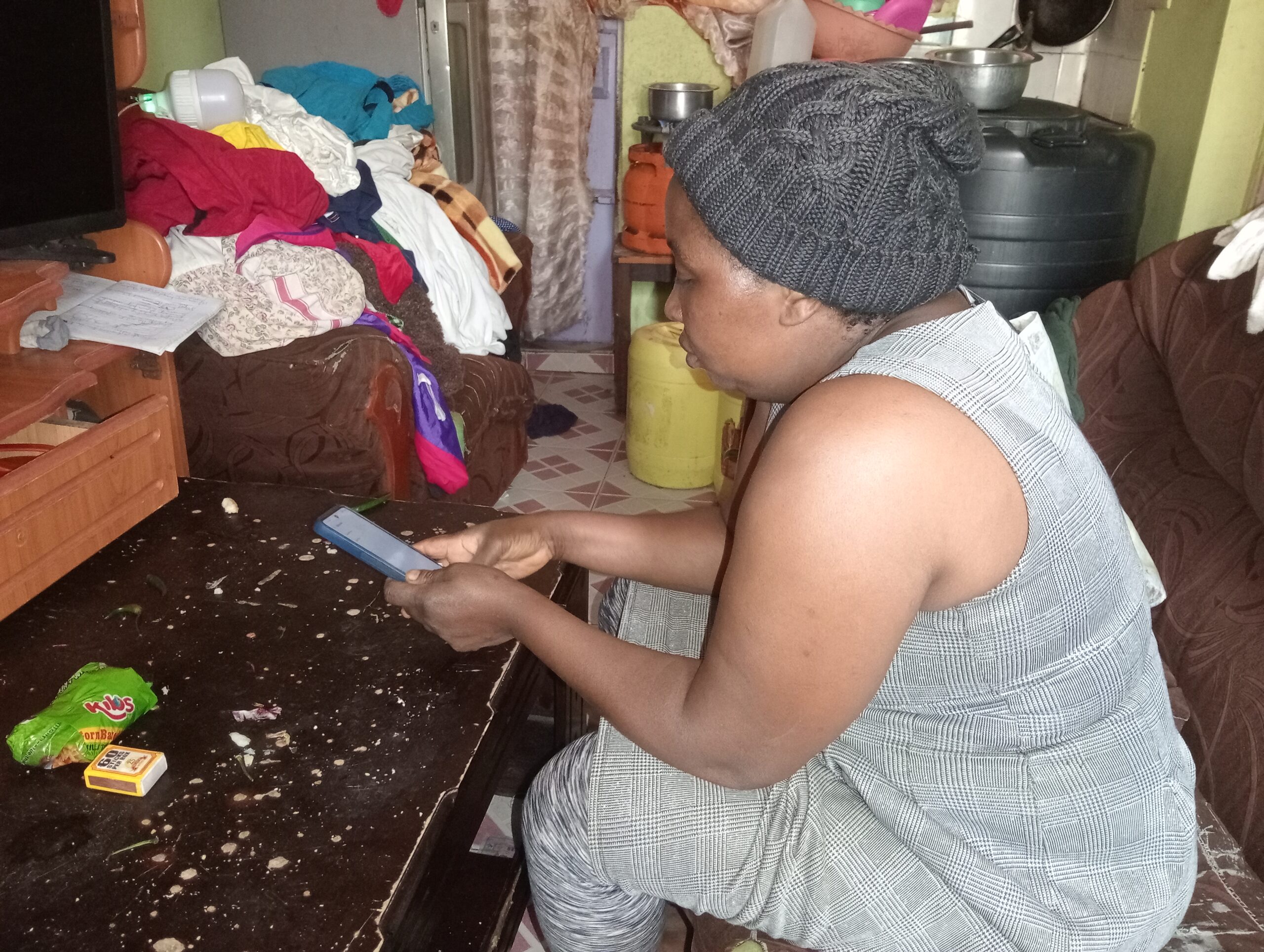
“SHIF is more of a burden, you have to dig out everything from your own pocket. In many cases. It is discouraging. The old healthcare system was convenient”, says Jessica.
Her younger sister, distraught, whispered about the unspoken costs, the “facilitation fees” that some mothers had to pay to ensure attention, a grim reality that seemed to have deepened since the new Social Health Insurance Fund (SHIF) came into full effect on October 1st 2023.
It was a cruel irony, given SHIF’s promise to ease the financial burden of healthcare. Jessica couldn’t help but remember the days of the National Health Insurance Fund (NHIF).
Linda Mama no longer exists under SHIF
Under NHIF, particularly with initiatives like Linda Mama, expectant mothers, even those in the most remote areas, had a sense of security. Linda Mama, a free maternity program, covered antenatal care, delivery (both normal and caesarean sections), and some postnatal care, significantly reducing out-of-pocket expenses for pregnant women.
This comprehensive approach by NHIF had been lauded for improving maternal health outcomes and encouraging facility-based deliveries. Jessica knew many women who had benefited from it, ensuring they received care without the crippling fear of bills.
NHIF also offered broader inpatient and outpatient services that, while not always perfect, were generally more straightforward in their coverage for reproductive health services compared to what she was now experiencing with SHIF’s complex co-payments and denials.
Miles away, in a more upscale private clinic in Nairobi, Sarah’s experience was different, but equally fraught with anxiety.
Her daughter, Kilomena, had arrived after a difficult birth, diagnosed with severe respiratory distress.
While the care was immediate and seemingly high-quality, the bills mounted with terrifying speed. Sarah, an urban professional, had diligently registered with SHIF, believing it would cover her and her child. Yet, she found herself facing a bewildering array of co-payments and charges for services SHIF didn’t fully encompass.
“I felt like I was bait for fish as I once told my husband. Felt worn out”, she said.
Adding “The promised comprehensive care, but then hit with expenses that drain our savings. What about those who can’t even afford this much?”.
The private clinic, she noted, seemed less affected by the SHIF policy’s restructuring, but the out-of-pocket expenses were still a significant barrier to care.
The rising tide of such stories had not gone unnoticed, though interpretations varied wildly.
The Shadow of Corruption
Before the transition to SHIF, the old NHIF was plagued by corruption scandals. One of the most significant cases involved a loss of Ksh 21 billion ($162,000,000) through fraudulent claims, with health providers allegedly colluding with NHIF officials to submit fake claims for services that were never rendered.
The government suspended 27 hospitals in early 2024 amid a wider investigation into a Ksh 20 billion($160,000,000) fraud scandal. This systemic rot was a key motivation for the government to replace NHIF with the new Social Health Authority (SHA).
However, the new system is not without its own challenges and allegations.
Recently, the Health Cabinet Secretary raised an alarm on SHA payments to “ghost clinics” and announced the rejection of KSh 10.6 billion ($83,000,000) in fraudulent claims.
This led to the suspension of 45 health facilities, bringing the total to 90. The Auditor General has also pointed to illegalities and a lack of transparency in the procurement of the KSh 104 billion digital system for SHA, raising concerns about potential misuse of funds.
A Grim Reality: Maternal and Infant Deaths
Dr. Bashir Isaak, a senior reproductive health expert and head of Family Health at the Health Ministry, was poring over the latest mortality statistics.
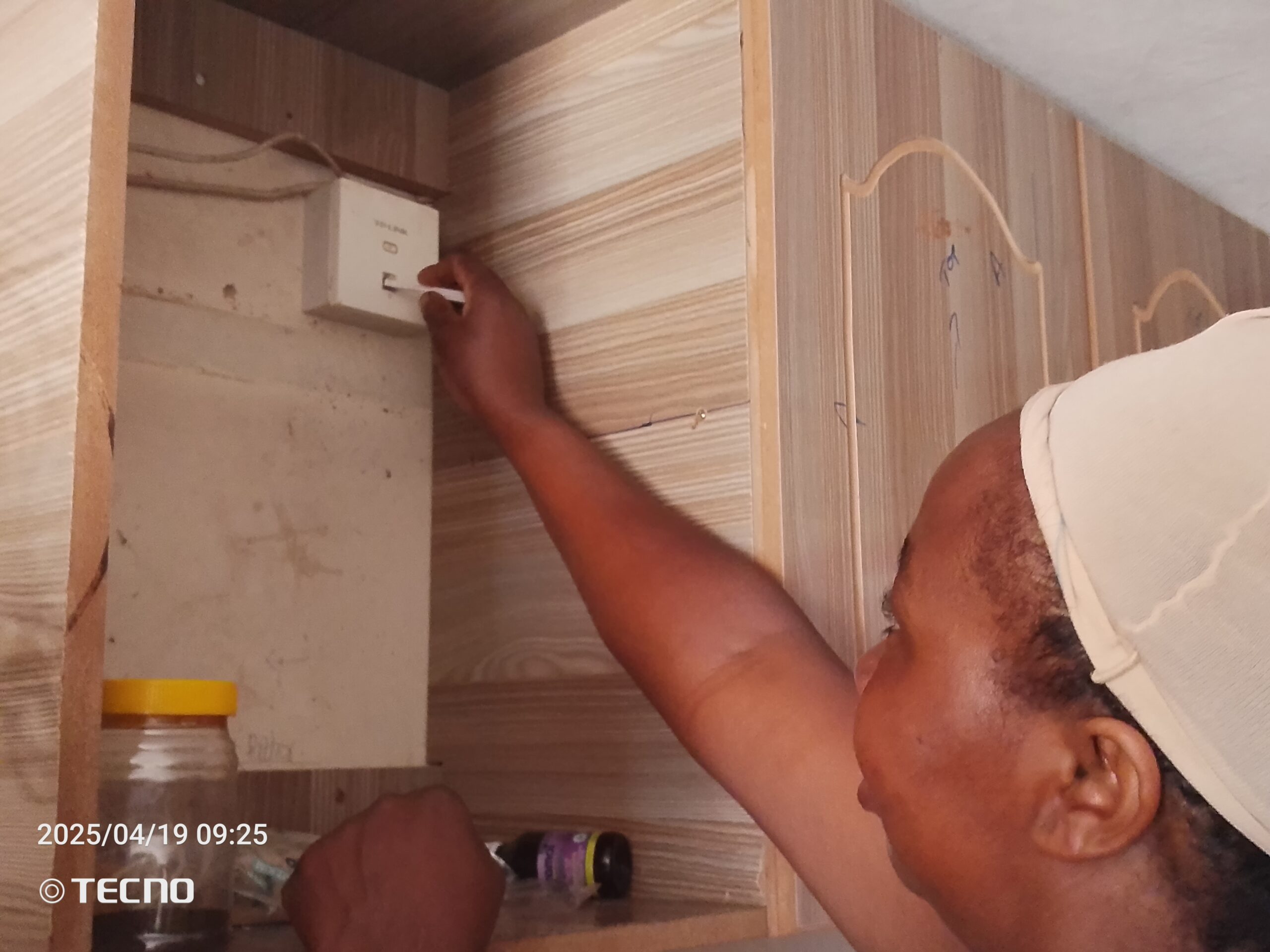
The most recent official data available indicates that on average, 16 pregnant women and 92 newborns lose their lives every day in Kenya. This is directly linked to SHIF and its policies, experts confirm.
”It’s deeply concerning,” he admitted, his voice tight with professional anguish.
“While SHIF was designed with the best intentions – universal health coverage, reduced financial barriers – the implementation has clearly presented unforeseen challenges.
“We are seeing strains on public facilities, changes in referral pathways, and certainly, anecdotal evidence of a decline in the quality of care in some areas, particularly affecting our marginalized communities”, he says.
He believed a thorough, impartial investigation was paramount to understand the true correlation between SHIF and the escalating mortality rates.
Across Kenya, in the polished halls of government, Adan Duale, Kenya’s Health Minister (Cabinet Secretary) and a staunch defender of the administration’s policies, dismissed such concerns as premature and politically motivated.
“SHIF is a revolutionary step for Kenya,” he declared in a televised press briefing, his voice unwavering.
“Any initial bumps are to be expected with such a massive undertaking. We are moving towards a system where every Kenyan has access to quality healthcare, something that was a dream just years ago.
“To link this vital reform to rising mortality rates is alarmist and ignores the myriad other factors that influence health outcomes”, he said.
He emphasized that the government remained committed to the policy and was constantly monitoring its progress.
His sentiments were echoed by Rachael Nyamai, the long-serving Member of Parliament for Kitui South and a key member of the National Assembly’s Health Committee.
“I fully stand with the government on SHIF,” Dr. Nyamai asserted during a parliamentary debate, her voice resonating with conviction.
“It is easy to criticize from the sidelines, but what is the alternative? Go back to a system where catastrophic illness meant financial ruin for families? SHIF is fundamentally about equity and ensuring that no Kenyan is left behind.
“ The reports of rising mortality need careful, scientific examination, not just sensational headlines. We must give this policy time to mature, to iron out the kinks, and to realize its full potential”, she said.
The country’s anticorruption watchdog, Ethics and Anti-Corruption Commission (EACC). says that payment to these hospitals is non-existent.
“The money was done. The transactions on different dates were transferred from different banks. Cooperative Bank of Kenya, Family Bank, Equity Bank and National Bank of Kenya. The money was sent in different amounts totalling to 10.8 billion shillings”, says Abdi Mohamud, the head of EACC
Her focus was on the long-term vision, advocating for patience and continued governmental support for the nascent health fund.
However, not everyone within the SHIF apparatus shared the official optimism. A mid-level administrator at the SHIF headquarters, who spoke on condition of anonymity, expressed palpable frustration.
“We are caught between a rock and a hard place,” he confided, lowering his voice.
“The directives from above are clear: expand coverage, reduce paperwork, process claims quickly. But the resources simply aren’t matching the demand. We see the claims coming in, the denied procedures, the appeals from desperate families.
“Sometimes, the policy itself, in its rigid adherence to certain protocols, inadvertently creates barriers. For example, the pre-authorization requirements for certain maternal services can cause delays, and in emergencies, delays can be fatal.
“We’re trying our best, but the system feels under immense pressure, and the very people it’s meant to serve are often the ones suffering the most”, said the official.
His words offered a glimpse into the internal struggles of an organization grappling with the vast and complex challenge of transforming an entire nation’s healthcare landscape, while potentially overlooking the immediate, dire consequences for its most vulnerable citizens.
Publication of this story was made possible with a grant from the Gates Foundation and administered by the Witwatersrand University in South Africa.