|
Getting your Trinity Audio player ready...
|
By Mercy Kachenge
Nairobi, Kenya: Cancer is an escalating public health crisis in Kenya, with an estimated 45,000 new cases reported annually and 29,000 deaths attributed to the disease each year.
These alarming figures place cancer among the top three causes of mortality in the country, following infectious and cardiovascular diseases. Despite growing awareness, the rising burden continues to strain both patients and the country’s already overwhelmed healthcare system.
Statistics show cancer accounts for 7% of all annual deaths in Kenya, with the majority of patients diagnosed at late stages. Approximately 70%–80% of cancer cases are only detected during advanced stages of illness, reducing chances of survival and increasing the cost of treatment.
This trend is worsened by systemic issues such as poor access to diagnostics, high poverty levels, and inadequate cancer treatment infrastructure across most counties.
Compounding the crisis is the chronic shortage of essential cancer medicines in public health facilities. For many Kenyans, this means either going without treatment or bearing the high costs of private care, which is unaffordable for the majority.
Furthermore, most cancer-related data is urban centered, primarily drawn from Nairobi, making it difficult to understand the full scale of the disease in rural and underserved areas.
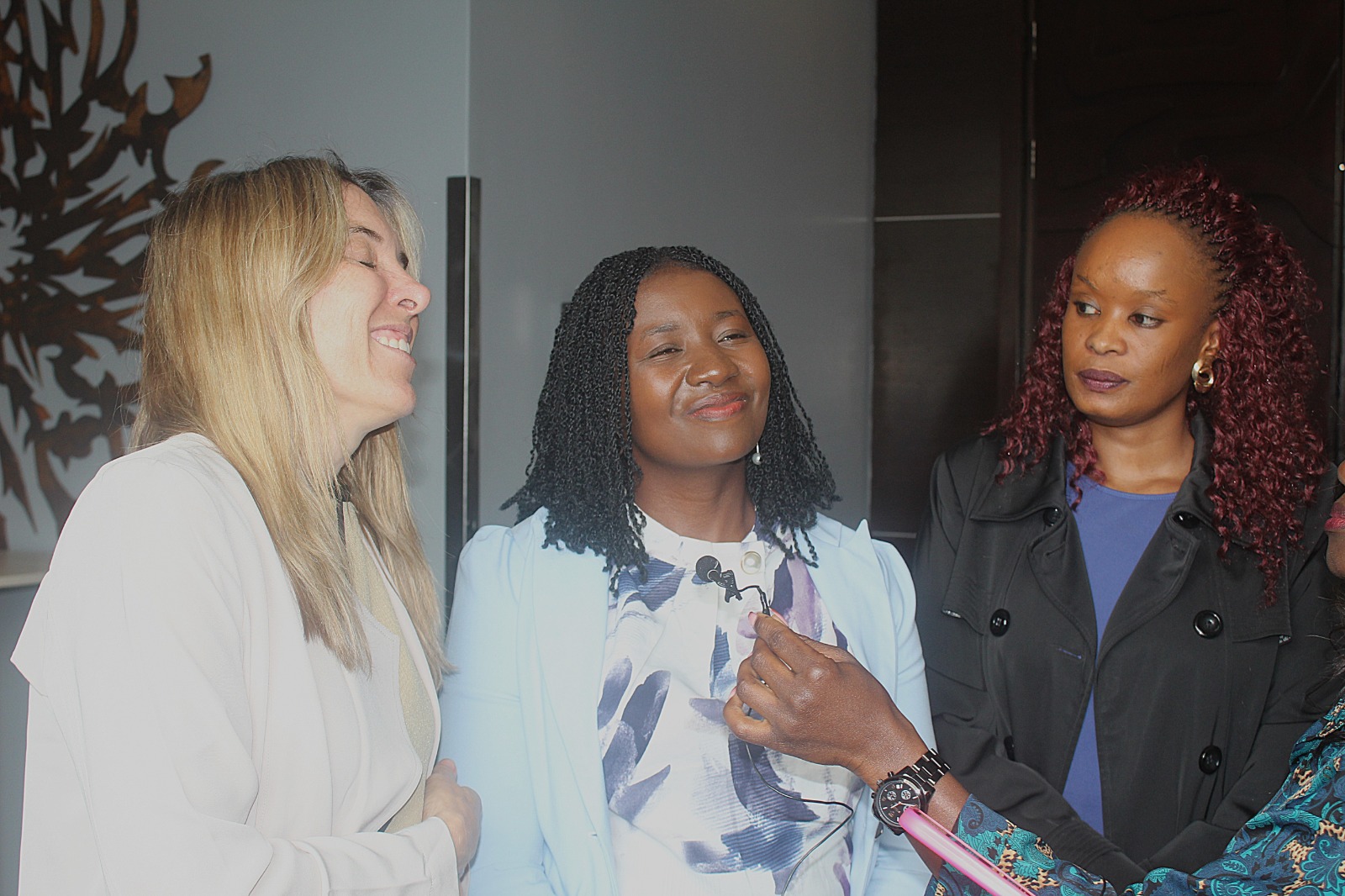
Dr. Michelle Nguu, Acting Head of the Cancer Prevention and Control Directorate at the National Cancer Institute of Kenya (NCI), emphasized the significance of the City Cancer Challenge (C/Can) initiative during the launch of Nairobi’s cancer care projects. She described NCI as the national body mandated to coordinate all cancer prevention and control efforts across the country, and welcomed the collaboration with C/Can.
“The inclusion of Nairobi in the City Cancer Challenge is a major step for the country. It offers us a model for improving cancer care systems, and as an institute, we intend to scale up the lessons learned here to benefit other counties,” said Dr. Nguu.
She noted that beyond service improvement, the initiative would boost capacity building in cancer care especially as the country works to decentralize basic cancer services to the counties.”Despite the advances and efforts in decontralizing and supporting cancer care control in the last 10 years, majority of patients still diagnosed late,she added.
“The initiatives which involve both public and private facilities will capture the different patient experiences in the city,”she said.
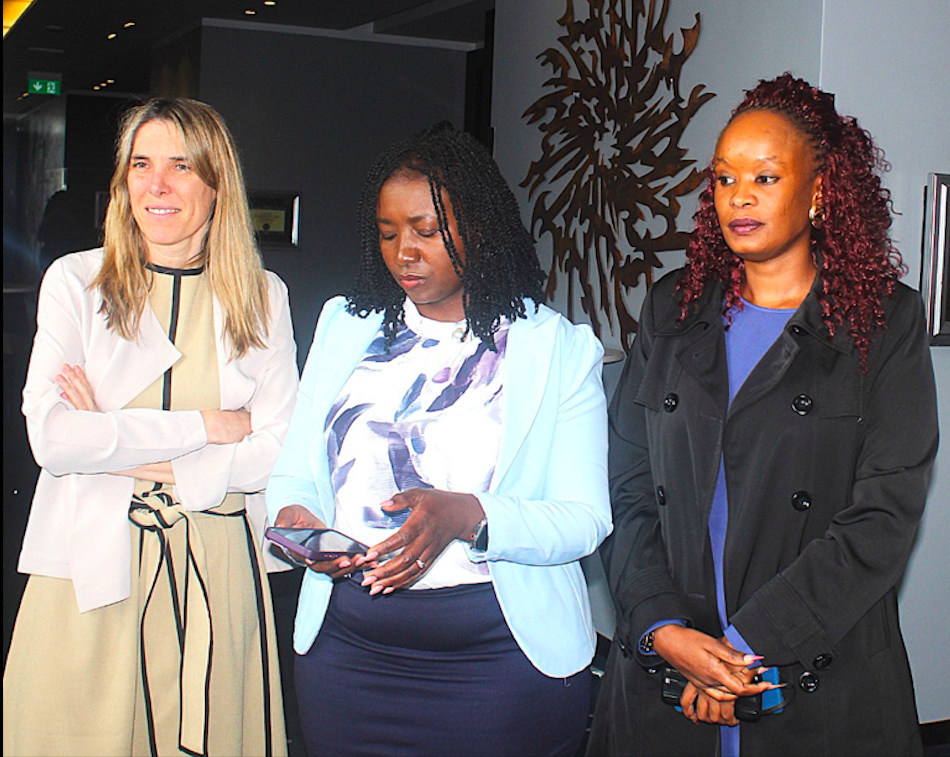
Dr. Nguu explained that major referral facilities like Kenyatta National Hospital (KNH) and Kenyatta University Teaching, Referral & Research Hospital (KUTRRH) are currently overwhelmed with cancer patients. This places a strain on the quality of care provided. Through lessons from Nairobi’s involvement in C/Can, the institute plans to strengthen county level cancer response to ease the pressure on national facilities.
She acknowledged by appreciating the C/Can team for choosing Nairobi, noting the partnership combines local leadership with global support,an essential formula for scaling progress nationwide.
Beatrice Okumu, the City Manager for Nairobi under the City Cancer Challenge (C/Can) stated the initiative is dedicated to improving access to quality cancer care in cities across the globe. Nairobi joined this growing global network in 2022, becoming one of 16 cities actively engaged in transforming cancer care systems.
“Today marks a significant milestone as we celebrate the progress made in Nairobi since joining C/Can. With support from the Ministry of Health and Nairobi County Government, we signed an MoU to align our efforts and ensure full collaboration across public and private sectors. Together with civil society, academia, and patient groups, we conducted a comprehensive needs assessment to identify gaps in cancer care delivery,”she stated.
“We engaged 21 health facilities, over 100 healthcare workers, 20 civil society organizations, and 250 patients to understand systemic challenges. As a result, we are now launching 11 priority projects that focus on strengthening diagnostics, treatment services, healthcare workforce training, community engagement, and patient support systems”,said Dr. Okumu.
In addition to these projects, we have produced key technical reports including a situational analysis of Nairobi’s cancer ecosystem, an assessment of digital health infrastructure, and a review of research capacity within the city. These resources are designed to guide evidence-based interventions and inform future scale-up in other cities.
Dr. Okumu noted that Nairobi hosts national referral hospitals like Kenyatta National Hospital and Kenyatta University Teaching & Referral Hospital, both offering comprehensive cancer care public facilities at the county level,but still face significant limitations in diagnostics and treatment capacity. A large portion of care is provided by private institutions, raising concerns around equity and access.
She noted that efforts have included installing radiotherapy machines and establishing cancer centres in various counties and beyond the cancer act, operationalizing of the cancer act and SHA that cover some of the costs of treatment
“Our vision is to foster stronger public-private partnerships and promote resource stratified care, ensuring every patient regardless of where they are receives quality, dignified treatment,” she said.
“We recognize that issues like transportation, financial burden, and psychosocial support deeply affect patient outcomes, and our approach is designed to be truly patient-centered.”
CEO for City Cancer, Isabel Mestres stated the implementation of these 11 projects will take approximately 18 to 28 months, depending on the complexity and level of coordination required.
Mestres stated that Nairobi was chosen for the project since it stands out among African cities for its advanced infrastructure and commitment to cancer care in terms of cancer registry and early detection.
“The quality of care is higher, but challenges remain in building a more integrated and comprehensive system and with continued collaboration, we believe Nairobi can become a regional hub and model for urban cancer care in Africa,”she said.