|
Getting your Trinity Audio player ready...
|
By Mercy Kachenge
Nairobi, Kenya: As World Breastfeeding Week 2025 continues, global health leaders are calling for urgent investment in systems that support breastfeeding.
The World Health Organization (WHO) and UNICEF jointly emphasize that breastfeeding is not only a health necessity but also an economic and moral imperative.
Dr. Tedros Adhanom Ghebreyesus, WHO Director-General, and UNICEF Executive Director Catherine Russell issued a powerful statement, describing breastfeeding as a child’s first vaccine.
“It protects against common but deadly childhood illnesses like diarrhoea and pneumonia. Despite overwhelming evidence supporting the benefits of exclusive breastfeeding, global rates remain low just 48% of babies are exclusively breastfed during the first six months of life. This falls far short of the World Health Assembly’s 2030 target of 60%.’’
In Kenya, despite having progressive policies, the pace of implementation has slowed. The exclusive breastfeeding rate dropped slightly from 61% to 60% and has stagnated since 2014.
This marginal shift has a heavy cost on both lives and economic losses. Experts say if Kenya improved its breastfeeding practices, the country could save over 500,000 children under the age of five each year.
Grace Irimu from the University of Nairobi stresses the power of early initiation. Optimal breastfeeding contributes to reducing about 12% of under-five deaths. Just starting breastfeeding within the first hour after delivery can save 33% of newborns.
She further pointed out that Kenya, once a regional leader in child survival during the 1990s, is now falling behind neighbors like Rwanda, Tanzania, and Uganda. Kenya’s annual reduction in neonatal deaths stands at 0.7% far below Rwanda’s 2.8%, Tanzania’s 2.2%, and Uganda’s 2.4%.
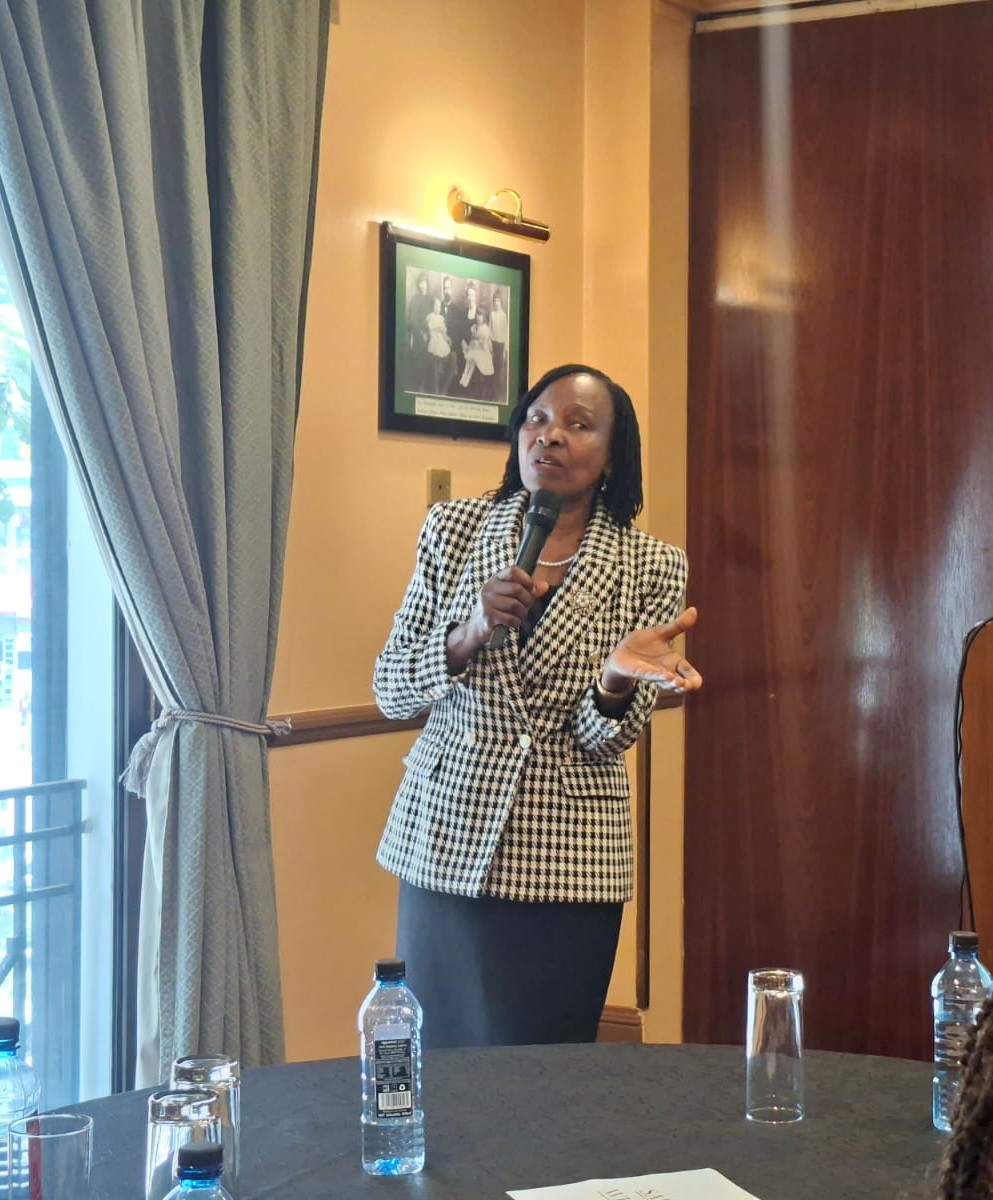
According to the 2022 Kenya Demographic and Health Survey, of every 41 children who die before age five, 26 die within the first month. “We lose about 4.8 million children under five globally every year, and 2.3 million of those are newborns,” Irimu shared.
Dr. Sultani Matendechero, Senior Deputy Director at the Ministry of Health, revealed that Kenya requires Ksh550 billion annually to meet its healthcare needs but only allocates around Ksh250–260 billion. This leaves a gap of about Ksh300 billion.
He argues that preventive health, including proper breastfeeding practices, could save the country Ksh240 billion each year. “One shilling in prevention saves upwards of Ksh9 in treatment and rehabilitation,” he added.
WHO and UNICEF data show that every dollar invested in breastfeeding yields a return of $35. Yet only a fifth of countries globally train healthcare workers on infant and young child feeding. This leaves many mothers ill equipped to begin and sustain breastfeeding.
“Breastfeeding is not as natural as people think, it’s a learned process. Many mothers suffer from preventable conditions like breast abscesses simply due to a lack of knowledge,” Irimu said.
Kenya’s legislative framework is strong. The Breast Milk Substitutes Regulation and Control Act of 2012 mandates that all workplaces must provide breastfeeding rooms. “It is not optional,” Dr. Matendechero reminded. “Every workplace must comply. That’s the law.”
Despite this, enforcement remains weak. Fewer than 1,500 community health units are currently implementing the Baby-Friendly Community Initiative. In hospitals, unnecessary interventions continue to disrupt breastfeeding. “It’s easier to insert a drip than teach a mother how to express milk,” Irimu observed.
‘’Commercial marketing of formula milk is another barrier. “Where are the formulas placed in supermarkets? Right at eye level. That’s not accidental it’s marketing. But we must protect breastfeeding from these influences.”
Dr. Emily Njuguna of PATH spotlighted the innovative establishment of human milk banks. “We piloted the first human milk bank at Pumwani in partnership with Nairobi County and the Ministry of Health.
These milk banks support premature and sick newborns when mothers cannot immediately breastfeed.” However, she emphasized that donor milk is a temporary measure mother’s milk remains the gold standard.
Purity Kibe, a nutrition expert from the Ministry of Health, pointed out breastfeeding’s environmental advantages. “It produces zero waste, requires no packaging or fuel, and contributes to climate resilience. Supporting breastfeeding is not just a health issue, it’s a climate action strategy.”
WHO and UNICEF are urging governments to invest in equitable and quality maternal and newborn care services, including breastfeeding. Increase national budget allocations for breastfeeding support programs, integrate breastfeeding counselling into all phases of maternal care antenatal, delivery, and postnatal.
Additionally, they urge the need to train health workers on breastfeeding support, strengthen community health systems to support breastfeeding for up to two years and beyond and fully enforce the International Code of Marketing of Breast-Milk Substitutes.