
|
Getting your Trinity Audio player ready...
|
By Arasha Soila
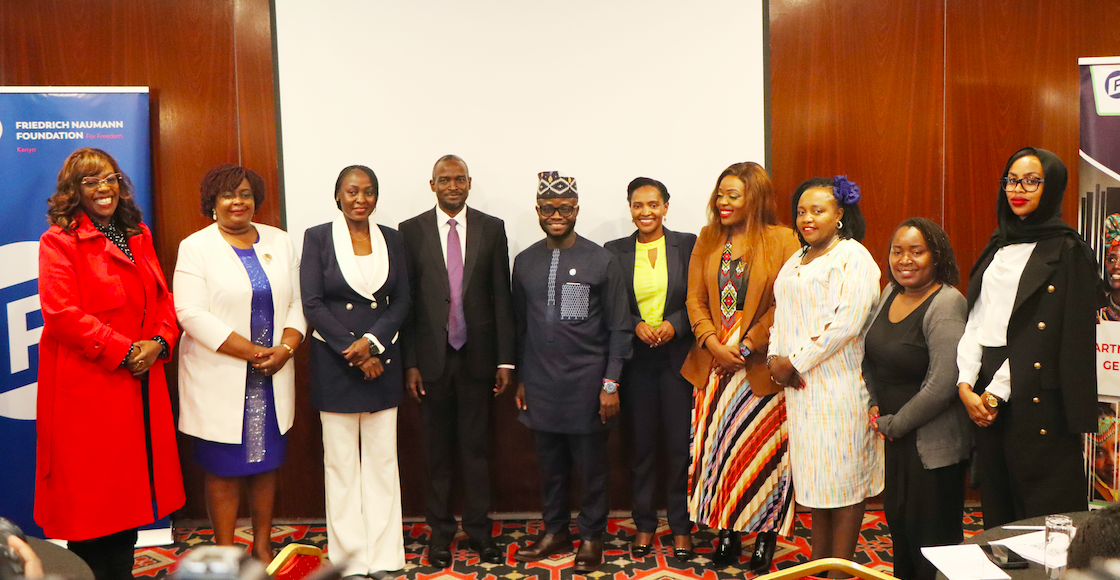
Nairobi, Kenya: Calls for stronger accountability in women’s political leadership dominated discussions at the National Two-thirds Gender Principle Scorecard Conference where stakeholders warned that Kenya is still far from achieving the constitutional Gender threshold.
Speaking at the National Two-Thirds Gender Principle Scorecard Conference, Robi Koki, AMWIK Board chairperson, highlighted that women currently occupy 23.9 % of parliamentary seats, a slight improvement from previous years but still below the 33.3 % threshold required by the Constitution.
“I look at the data and it tells a story of stagnation, realization of the two third gender rule remains elusive. Failure to fully implement gender inclusion is driven by institutional and legislative barriers, weaponization of digital spaces, political party gatekeeping and culture of resistance” she noted.
The gap means Kenya has yet to fully implement the gender rule more than a decade after the adoption of the Constitution of Kenya 2010, which mandates that no more than two-thirds of elective or appointive bodies be of the same gender.
John Cox Lorionokou, Registrar of the Office of the Registrar of Political Parties, said that as the country approaches the 2027 Kenyan General Election, the office will continue monitoring party constitutions and nomination rules to ensure they are not only gender-neutral on paper but also gender-responsive in practice.
“We are at a defining moment in our democratic journey. As we look towards the 2027 general elections, the two-thirds gender principle is no longer just a constitutional aspiration, it is a legal and moral imperative that we must fulfil to ensure the integrity of our governance,” he noted.
Lorionokou criticized political parties for failing to practice internal democracy, arguing that meaningful representation begins within party structures.
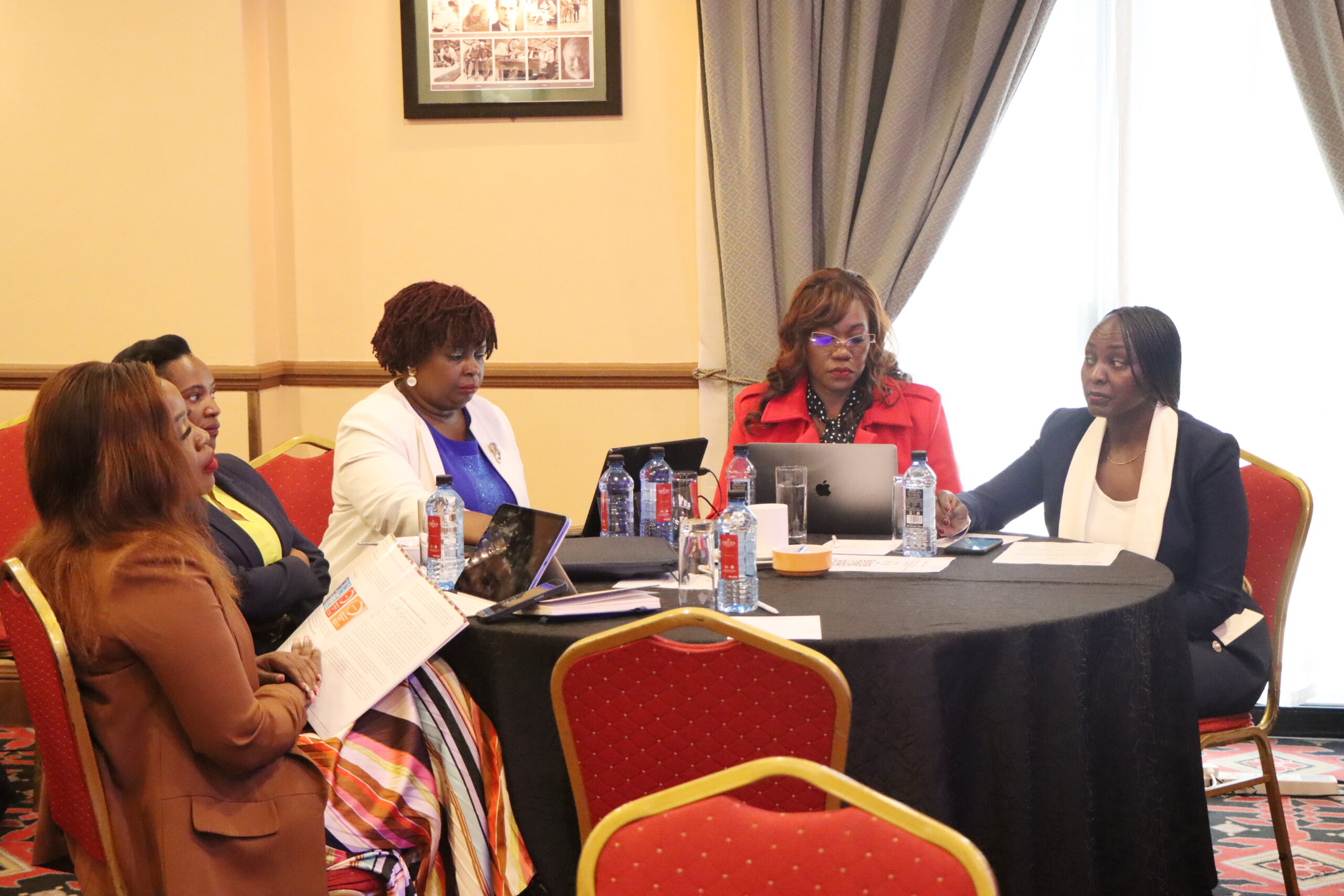 Judie Kaberia, Friedrich Naumann Foundation, project manager pointed out that accountability in advancing gender equality must also come from women leaders themselves adding that women in politics must use their positions to champion meaningful change and remain accountable to the public.
“We need accountability on all fronts from women leaders themselves, institutions, and the media. When a woman politician rises to speak, does she use that opportunity to address critical issues, or does she step back and remain silent,” she said.
The president of the Kenya Editors Guild, Zubeidah Kananu, emphasized the importance of women leaders using every opportunity wisely by profiling themselves, clearly defining their vision, and leading the narrative whenever they are given visibility in the media.
She further highlighted that female aspirants should come to terms that it is not just about getting airtime but about what they do with it.
“It is important for women in politics to maximize every chance they are given. While the media provides the amplification platform, the responsibility lies with the individual to make it count,” Zubeidah said.
Additionally, Asha Bashir, the Secretary General of the People’s Liberation Party (PLP), criticized the lack of internal democracy within political parties, saying it undermines the development of accountable leadership.
“Parties cannot produce democratic leaders if they run monopolies internally,those given space whether in party committees, county assemblies, or Parliament must make it count by the content of their character, not just noise. Shouting may bring short-term attention, but we need institutionalized equity for the long haul, ” she asserted.
She called on women leaders and supporters to build stronger political networks capable of influencing policy and holding elected officials accountable.