|
Getting your Trinity Audio player ready...
|
By Lenah Bosibori
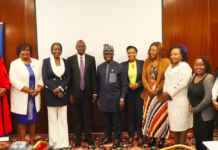
Nairobi, Kenya: The Ministry of ICT and Digital Economy has pledged to make all digital government services accessible to Persons with Disabilities (PWDs).
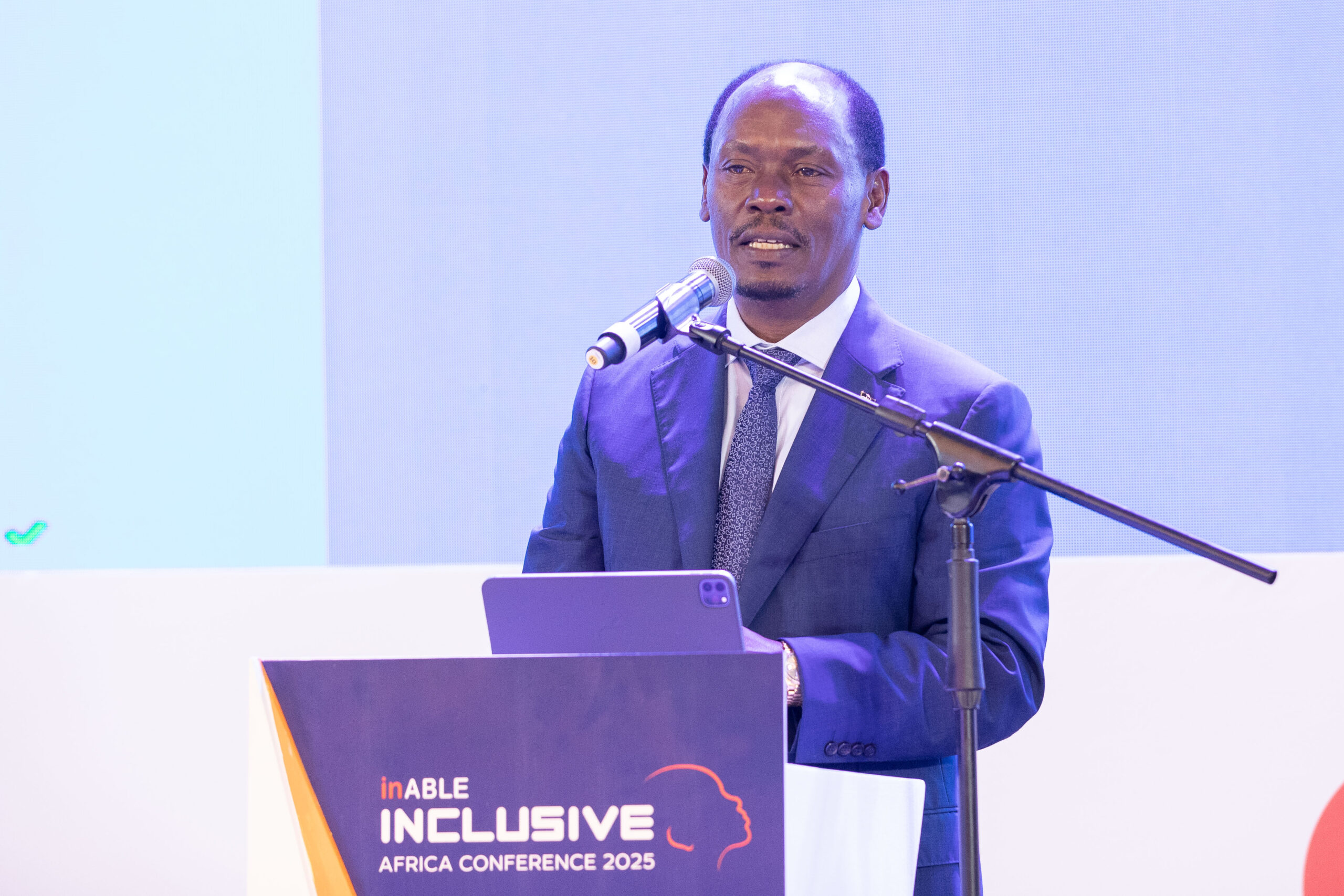
Speaking at the opening of the 6th Inclusive Africa Conference in Nairobi, Cabinet Secretary for ICT and Digital Economy, Hon. William Kabogo, reaffirmed the government’s commitment to ensuring that the more than 33,000 services already digitized on the eCitizen platform are fully accessible to PWDs.
“We are determined to equip at least 20 million Kenyans with digital literacy skills by 2027, including individuals who are blind, deaf, or living with mobility, cognitive, or learning disabilities,” said Kabogo. “Digital accessibility is not a luxury; it is a right and an essential pillar of our national development.”
To achieve this, the Ministry will work with innovators, global tech companies, and organisations representing PWDs to push forward Kenya’s digital accessibility agenda. At the heart of these efforts is the implementation of the Accessibility Standard for Digital Products, which is already changing how services are designed and delivered online.
The Inclusive Africa Conference, launched in 2020 by inABLE, brings together a wide range of stakeholders—including persons with disabilities, tech leaders, policymakers, entrepreneurs, researchers, and civil society—to explore and promote equal access to the digital world. The conference also features high-level discussions, live demonstrations, pitch sessions, and networking opportunities.
Joseph Motari, Principal Secretary in the State Department for Social Services and Senior Citizen Affairs, reiterated the government’s dedication to bridging both physical and digital gaps. “Our priority is not only to close infrastructure gaps,” he said, “but also to use emerging technologies and assistive innovations to empower PWDs to lead independent, productive, and dignified lives.”
Government Spokesperson Hon. Isaac Mwaura applauded the country’s progress on disability rights, pointing to the 2010 Constitution, which guarantees access to employment and public procurement for PWDs. He also announced that his office would soon launch an Inclusive Communications Program to ensure government messaging meets the needs of persons with disabilities.
Irene Mbari-Kirika, Founder and Executive Director of inABLE—the conference organiser—stressed that digital accessibility must be built into the product development process from the beginning. “Accessibility isn’t a one-time fix,” she said. “It has to be part of innovation from the start, so no one is left behind in the digital age.”
Dina Randrianasolo, Director of Strategic Partnerships & Innovation at the Mastercard Foundation, underlined the importance of digital access in education and employment across Africa. “More than 135 million people on the continent need assistive technologies—like screen readers, mobility aids, hearing devices, and accessible software—but only 3% currently have access,” she noted, urging faster action on inclusion.
The three-day conference focuses on making digital tools and platforms more accessible in areas such as financial services, education, skills development, employment, communication, and transportation. It also looks at the role of artificial intelligence in driving inclusive innovation.
A key goal of the event is to unite government, industry, and civil society in developing a joint roadmap for the accelerated rollout of the Persons with Disabilities Act 2025, with digital inclusion as a core pillar.