|
Getting your Trinity Audio player ready...
|
By Shaban Makokha
Kakamega County,Kenya: Devolved units are intensifying efforts to cut down maternal and newborn mortalities through upgraded facilities, specialized training for staff, and targeted community awareness campaigns.
These partnerships have led to the construction and equipping of specialized Newborn Units with incubators and phototherapy machines, as well as Intensive Care Units stocked with life-saving tools like Non-Pneumatic Anti-Shock Garments (NASGs) for hemorrhage management.
In Kakamega County, a multi-pronged strategy is underway to reduce maternal and antenatal deaths. This includes constructing new maternity wings, expanding and equipping Newborn Units, building the capacity of health workers, and strengthening community health systems.
Modernizing Maternal Care
Two new maternity wings have been established at Likuyani Level Four Hospital and Matungu Sub-County Hospital to enhance maternal and child health services.
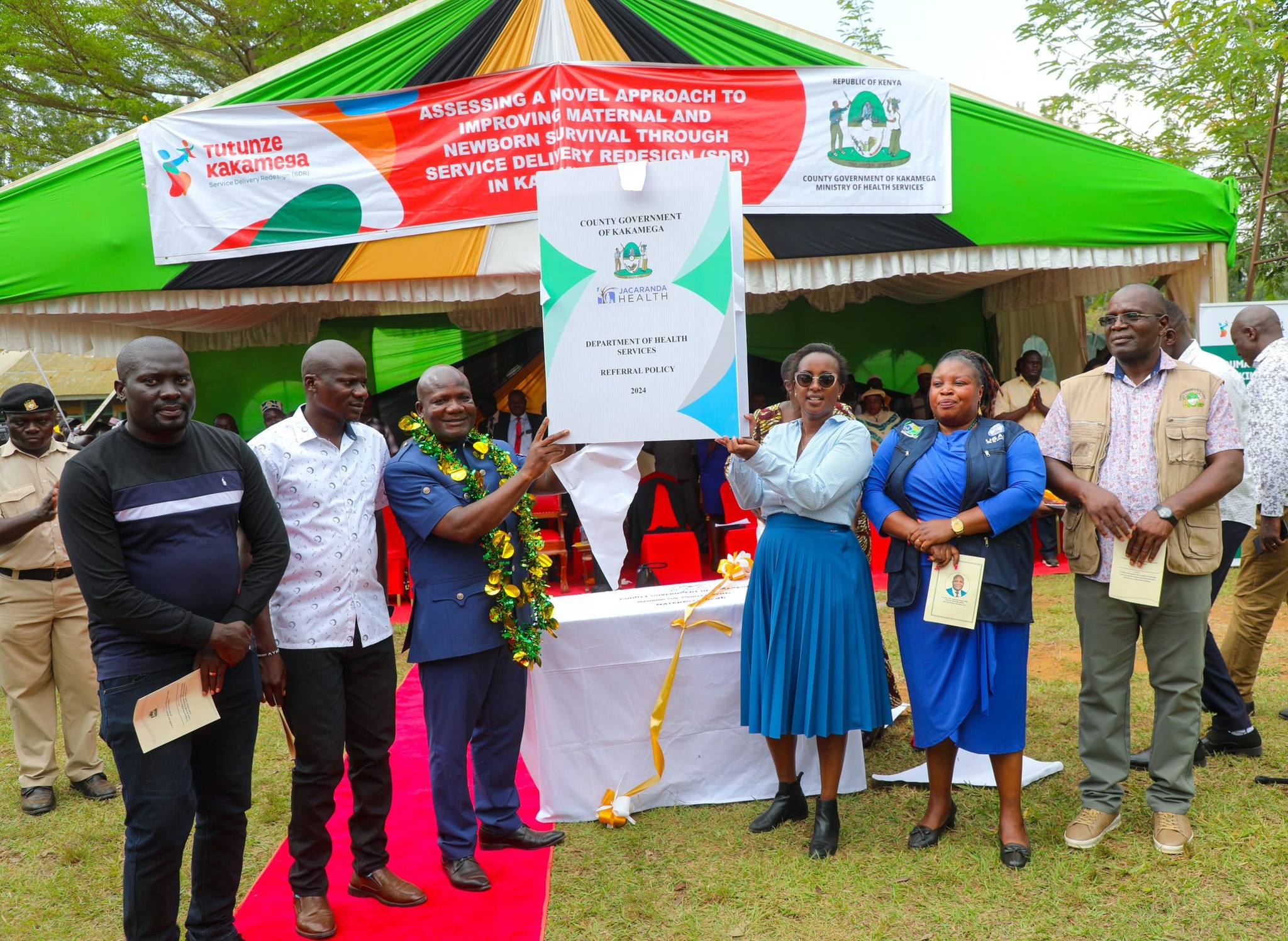
The KSh90 million ultra-modern unit at Likuyani, developed through a partnership between the county government and Jacaranda Health Solutions, houses key sections including Antenatal Care (ANC), Postnatal Care (PNC), Labour and Delivery rooms, a Kangaroo Mother Care (KMC) unit, a fully equipped theatre, and a Newborn Unit (NBU).
These units support preterm babies and those born with conditions like jaundice or infections until they are fit to survive on their own. Babies recovering from complex surgery or those born weighing less than 1,800 grams are nurtured in the unit until they attain at least 2,500 grams.
In Matungu, Jacaranda Health Solutions has handed over a KSh100 million maternity wing to the county government. The 45-bed facility consists of a theatre, labour ward, antenatal and postnatal wards, a Newborn Unit, and a Kangaroo unit for preterm babies.
County officials say the facility will significantly reduce maternal and neonatal mortality rates and improve service delivery for mothers and infants in Matungu and surrounding areas.
Building Capacity and Tracking Progress
Kakamega CECM for Health Services, Livingston Imbayi, said the county aims to reduce all preventable neonatal deaths by ensuring expectant women receive antenatal care and deliver safely in hospitals.
“Currently, 80 per cent of expectant women in the county are attending at least four antenatal clinics, and with the help of Community Health Promoters (CHPs), that number is expected to increase,” said Mr. Imbayi.
He added that the county will move swiftly to equip and staff the new facility before the end of the 2025/26 Financial Year.
Before the partnership with Jacaranda Health Solutions, babies in need of specialized neonatal care were referred to Kakamega County General Hospital—a process that was not only expensive but also risked the infant’s life due to critical time lost during transfer.
Recent data indicates the county’s efforts are yielding results. Health Chief Officer Rose Muhanda noted that preterm infant deaths have reduced from 26 to 20 per 1,000 live births due to improved newborn services.
“Maternal mortality has also declined in 2025 compared to previous years. Efforts are focused on reducing deaths linked to postpartum hemorrhage (PPH),” said Ms. Muhanda.
Medical Services Chief Officer David Alilah said strategies like engaging CHPs to trace pregnant mothers and encourage facility deliveries have increased institutional births from 47 per cent to 89.5 per cent.
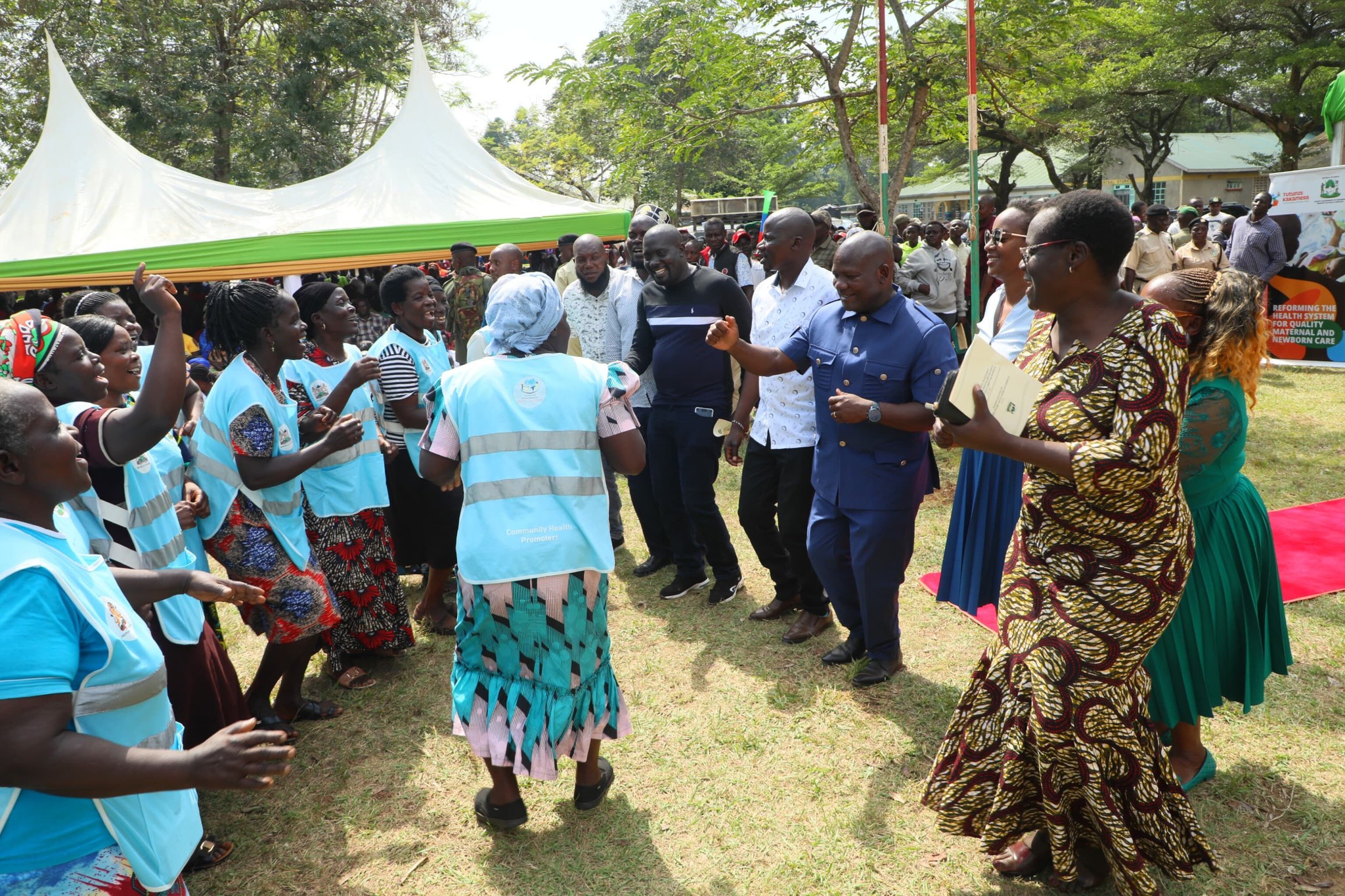
The county has employed 4,200 CHPs to improve healthcare access at the grassroots level. They are tasked with registering expectant women in their areas, monitoring their well-being, and ensuring they attend antenatal clinics.
The National Challenge
Kenya aims to reduce maternal deaths to less than 70 per 100,000 live births and neonatal mortalities to less than 12 per 1,000 live births by 2031. However, like many sub-Saharan African nations, the country faces significant challenges.
According to the Kenya Demographic and Health Survey (KDHS), the maternal mortality rate stands at 355 per 100,000 live births, while the neonatal mortality rate is 21 per 1,000 live births.
The survey identifies complex contributing factors, including a shortage of healthcare workers, insufficient funding—especially in rural areas—limited access to essential medicines and supplies, and unreliable data critical for decision-making.
Despite these hurdles, Kakamega County’s targeted investments in infrastructure, human resources, and community systems demonstrate a replicable model for turning the tide against maternal and newborn deaths.