|
Getting your Trinity Audio player ready...
|
By Tonny Kyule
Migori, Kenya: Rongo University in Migori County has fostered a thriving nighttime economy, driven primarily by its expanding student body. As evening descends upon Rongo, the surrounding areas, including Downtown, Friends Corner, MK, and Kitere have become bustling hubs of activities, bringing economic hope to numerous local businesses and traders.
The vibrant nighttime business activity around the university is fundamentally supported by heavy student and pedestrian traffic, particularly after 7 p.m.
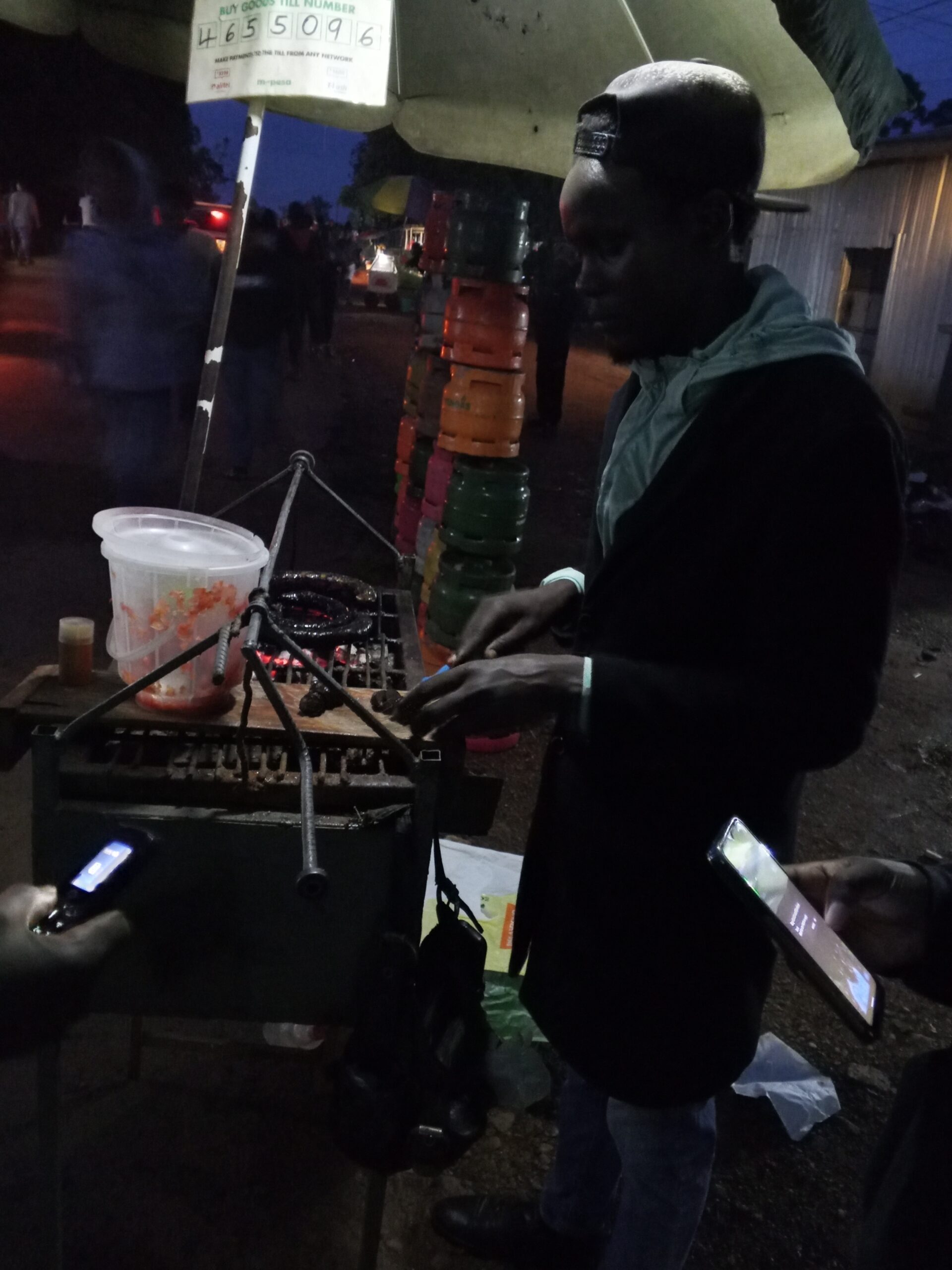
This is when businesses, like Kelvin Mugathia’s mutura stand near the hostels, are in full operation, often with motorbikes constantly ferrying people and parked along the roadside. Mugathia strategically times his business to capitalize on this consistent flow of customers.
“After 7 pm, comrades flood the streets to break from the hard, monotonous endeavours of the day. The sales process would stop completely if I decided to shut down at 6 pm. The next two hours mean everything”, according to third-year student Kelvin Mugathia, an early closure is illogical.
The substantial enrollment of over 4,500 new students at Rongo University this year has significantly expanded the market for local small businesses. This growth has led to a major shift in trade, with most local traders now reporting that the evening hours account for the majority of their daily revenue.

This is because students, who are occupied with classes during the day, tend to eat, shop, socialize, and move around at night. Consequently, a vital after-hours market has developed, which has become crucial for the operation of numerous local enterprises.
The entire streetfood system experiences a major increase in shopping activities that happen after dark. “This is the hour for all. Some buy supper and friends have banter. The night period represents my business’s most active time,”says Kevin.
The community’s trading centers are bustling after dark. This is when food vendors thrive, particularly as students often stay up late following long days. For these students, street food is a popular option because it is both easily accessible and budget-friendly, which, as some suggest, helps them conserve energy.
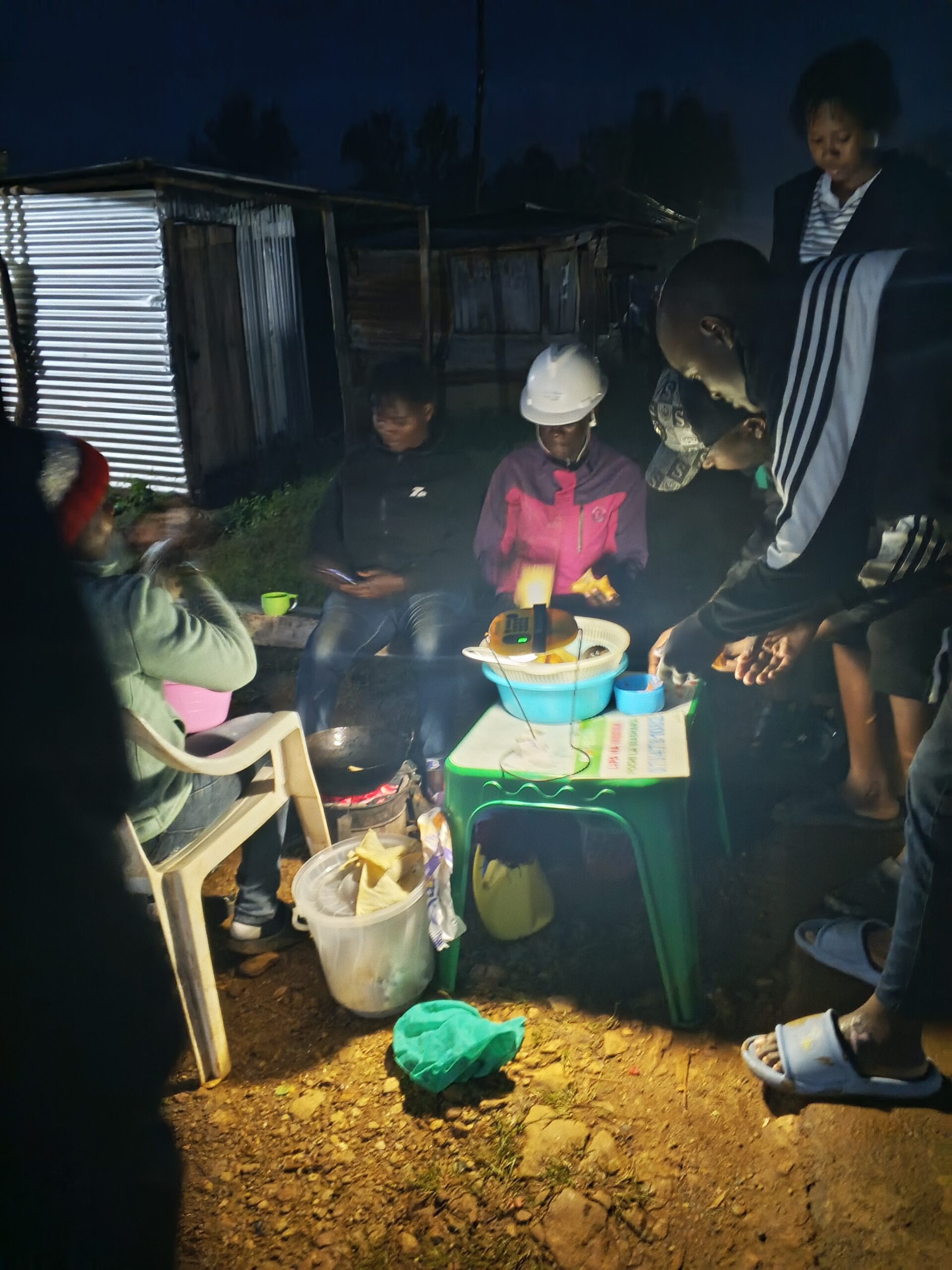
Florence Onyango, known locally as “Mama Siste,” runs a hotel business at Kitere market in Rongo. Her operation primarily caters to a late-night crowd, with the dinner service attracting customers as the sun sets. The menu includes items like tea, ugali and omena, and mandazis.
She explains that the business experiences low activity during the day because most students, her key demographic, are attending classes. Students arrive in groups at night, and the hotel offers both on-site dining and food packaging options. These late hours are when the restaurant generates its highest revenue. Due to high demand on busy nights, Florence sometimes requires an additional worker.
A crucial point for the business is the student patronage, as the cost of maintaining late-night operations would otherwise outweigh the value, highlighting the students’ importance to her revenue model.
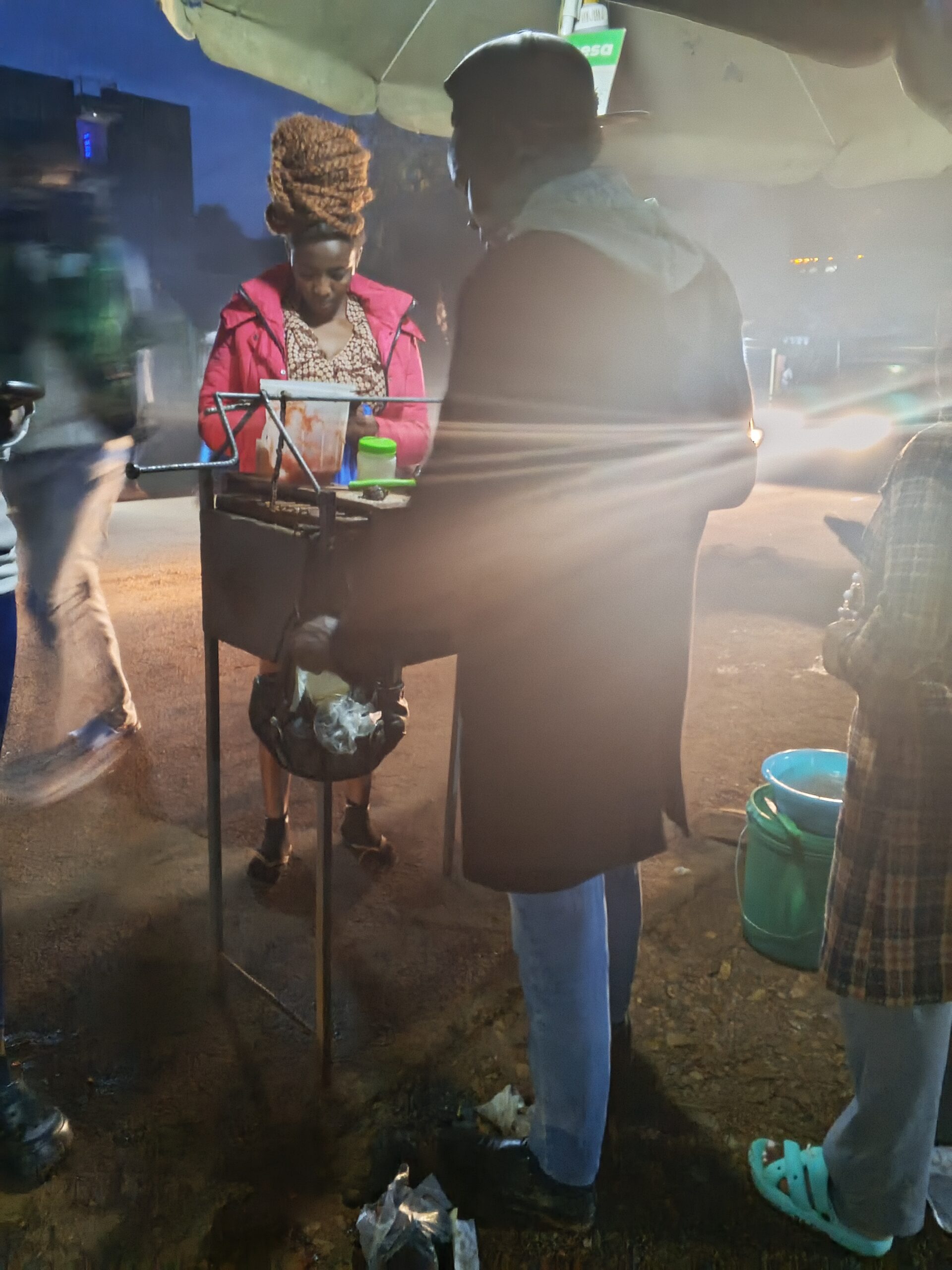
The night economy significantly supports the Rongo University student population and local businesses. Akoth Auma, a second-year student, operates a samosa stall and kiosk, primarily serving customers in the evening. She notes that students often seek quick meals late at night, and her “sambusa” (samosas) are popular, benefiting both the students and her business.
This nighttime activity extends to other sectors as well. Bodaboda (motorcycle taxi) riders earn income by transporting students between their residences and shopping areas. Furthermore, mini-marts stay open late to provide essential goods such as bread, milk, and toiletries for students returning from studies or evening outings.
County planning reports confirm that the demand for services and housing from Rongo University students has driven a steady expansion of local businesses over the years.
Evans Onyango, who has observed Rongo’s transformation over the years, notes that business activity peaks at night because many students prefer to shop during those hours. This preference is driven by several factors. Evans stresses that the diverse social classes among students lead some to prefer late evening hours, allowing them to conduct their errands discreetly, away from attention.
“Others enjoy nighttime walks and socialization after a long day of classes” notes Evans.
The growth of nighttime business activities, while creating employment and consistent income for many local families and students, has brought new management challenges. Specifically, waste disposal remains an issue, with food stalls generating plastic waste that requires better management.
Additionally, the area experiences occasional minor problems such as noise complaints from bars and petty theft. For individuals like Kelvin, however, a nighttime job is viewed primarily as a means of survival and a path toward achieving broader professional objectives.
“Everyone starts somewhere,” he says. “Even great people like Abraham Lincoln began from humble beginnings”says Kelvin.