|
Getting your Trinity Audio player ready...
|
By Mercy Kachenge
Nairobi, Kenya: The Chief Executive Officer of the Anti-Female Genital Mutilation (FGM) Board, Bernadette Loloju, has raised the alarm over the continued high prevalence of FGM in some parts of Kenya, calling for increased investment in gender and anti-FGM programs.
Speaking during a national awareness and sensitization meeting for county gender directors ahead of the launch of the National Care Policy, Loloju revealed that although Kenya’s national FGM prevalence has dropped to 14.8% some counties still record rates as high as 90%.
“Counties in the northeastern region continue to record high numbers, largely driven by religious misconceptions,” said Loloju.
Adding “Some believe that FGM is a religious obligation, particularly the practice referred to as ‘sunna’. This has become our biggest challenge.”
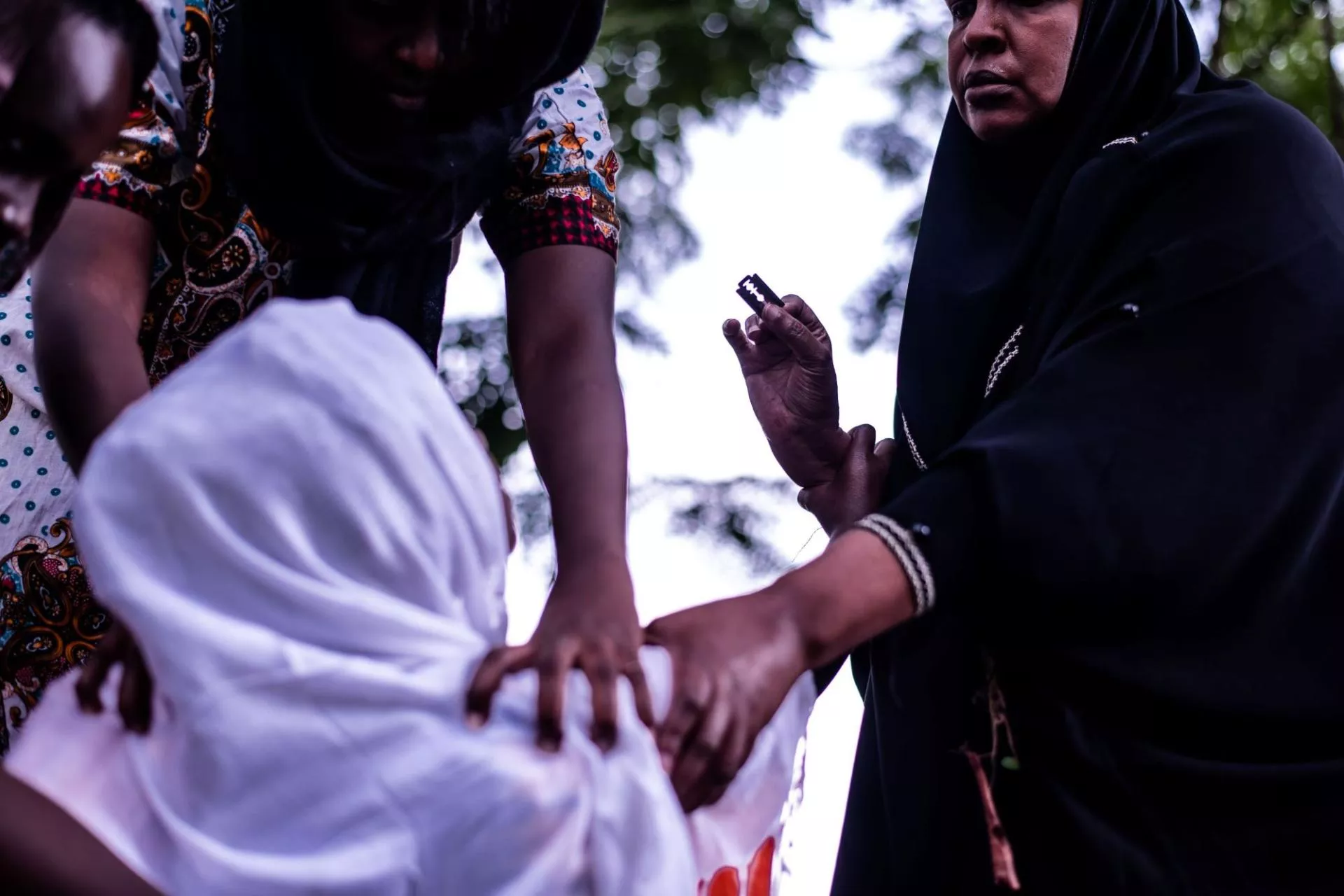
She noted that marginalization, limited access to education, and expansive geography also contribute to persistent FGM in areas such as Mandera, Marsabit, and Samburu. Meanwhile, in counties like Kisii, Nyamira, Narok, and Kajiado, medicalization of FGM,where health workers perform the procedure has emerged as a disturbing trend.
The CEO underscored that Female Genital Mutilation is the worst form of gender based violence affecting over 200 million women globally, and urged that Kenya must act urgently with only five years left to achieve Vision 2030 and SDG 5 on gender equality.
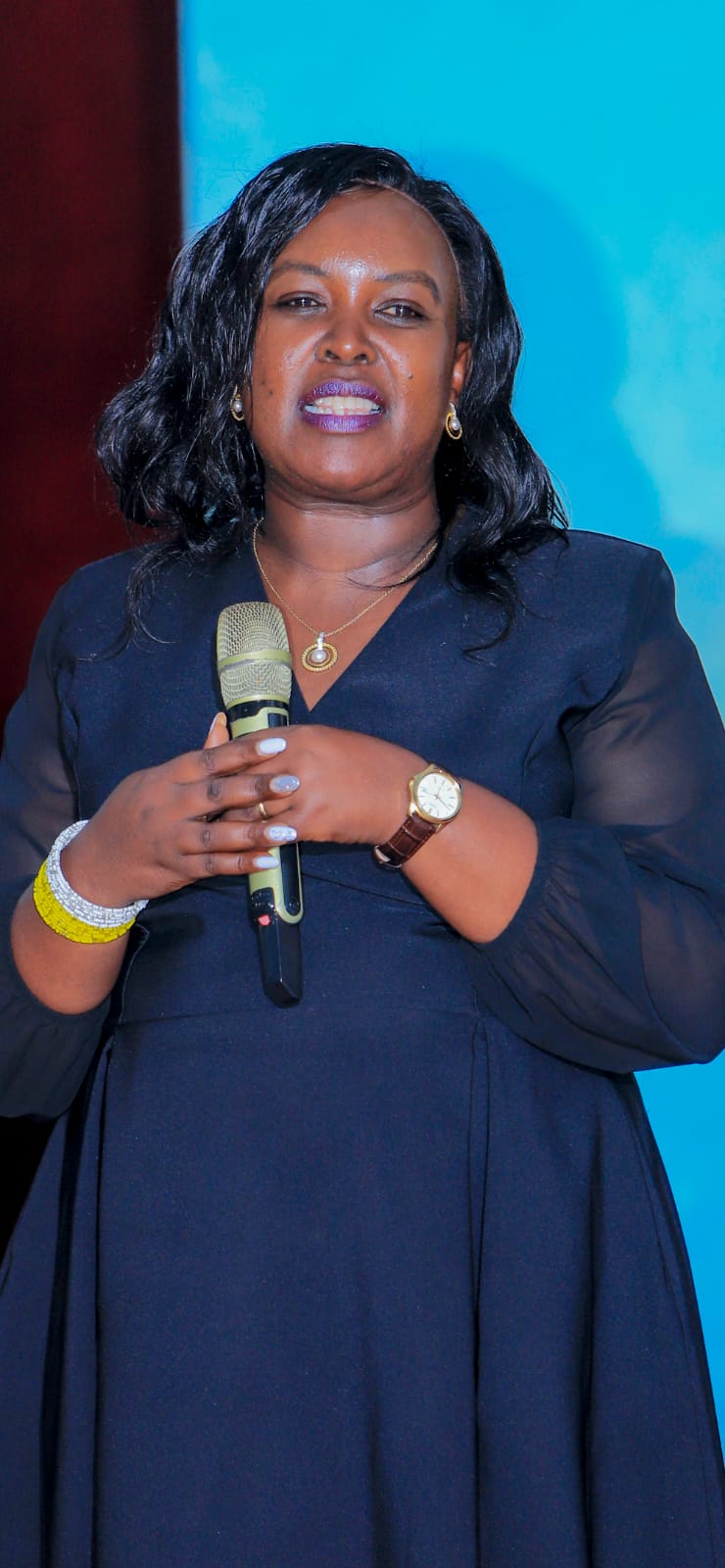
Loloju added survivors often suffer physical, psychological, and mental trauma, with many girls dropping out of school and being pushed into early marriage, which deepens poverty and economic disempowerment.
Highlighting that high prevalence counties such as Mandera, Wajir, Marsabit, and Kisii still face major challenges, she called for stronger financing, saying, “We are seeing less and less programming for gender and anti-FGM work.”
Cross border FGM, where girls are taken to neighboring countries for the procedure, further complicates enforcement efforts.
The CEO stressed the critical role of education in preventing FGM, child marriage, and teenage pregnancies. “We are seeing more efforts to keep girls in school, such as through bursaries. But we must do more,” she added.
With only five years left to meet the global target , the Anti-FGM Board is adopting grassroots focused strategies. This includes engaging mothers who are often the key decision makers to lead change in their households.
“We are saying the wearer of the shoe knows where it pinches most. Women who have undergone FGM must be the loudest voices in ending it,” she said.
She noted that the board is also working with county governments through Anti-FGM Steering Committees that coordinate local interventions. However, Loloju warned that inadequate funding remains the greatest barrier to progress.
“Many counties have good policies and action plans, but without financing, implementation is slow or stalled. We are seeing less and less investment in gender and anti-FGM programming,” she said.
She appealed to the national government, donors, partners and the private sector to increase support and come together through one government approach to end harmful practices at household and community level.
Adding “Ending FGM is not just a women’s issue, it’s a national development priority.”