|
Getting your Trinity Audio player ready...
|
By Kasandra Musyimi
A Cervical Cancer Survivor’s Journey from Silent Suffering to National Advocacy
Abu Dhabi felt like the pinnacle of my life. As a Sales Manager for luxury brands, with my son in college and plans to reunite my family, I was unstoppable. Then, a silent killer began to knock.
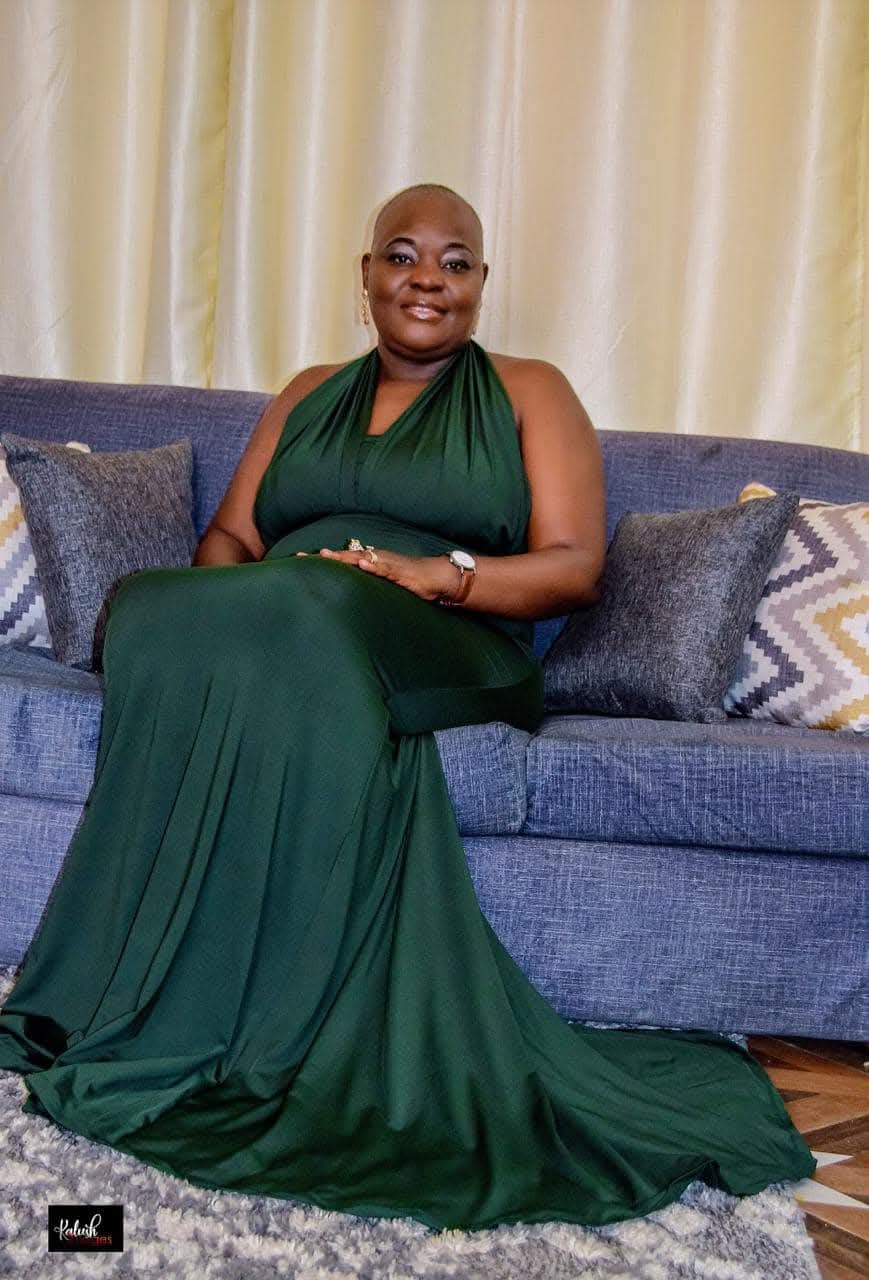
My name is Emily Mukonambi Wekesa. In one devastating week in 2020, I was diagnosed with Stage 2D Cervical Cancer, lost my career to COVID-19 lockdowns, and boarded a flight to Kenya—believing I was going home to die.
I was wrong.
My symptoms started with “unusual” bleeding. One doctor blamed the weather; another, hormones. I was dismissed, just as this disease dismisses thousands of Kenyan women. Cervical cancer is the country’s second-most common cancer, claiming nearly 10 lives every single day. Yet, it is almost entirely preventable.
While 75% of women know screening is vital, only about 16% get screened. Stigma, myth, and inaccessibility create a deadly gap. Like me, many become a statistic: one of the 5,845 new cases diagnosed annually.
Cancer was a thief. It took my health, my uterus, my savings, my teeth, and my home in Mombasa. During brutal treatments, I was admitted to the ICU three times and even lost my sight temporarily. With insurance exhausted, I faced a stark choice: give up or fight back.
I chose to fight.
A Roadmap to Elimination
My survival aligns with a national mission. This January, as we mark Cervical Cancer Awareness Month, the Ministry of Health has launched the National Cervical Cancer Elimination Action Plan (2026-2030). Its ambitious “90-70-90” targets are a lifeline:
-
90% of girls are vaccinated against HPV by age 15.
-
70% of women should be screened by age 35 and again at 45.
-
90% of those diagnosed are receiving treatment.
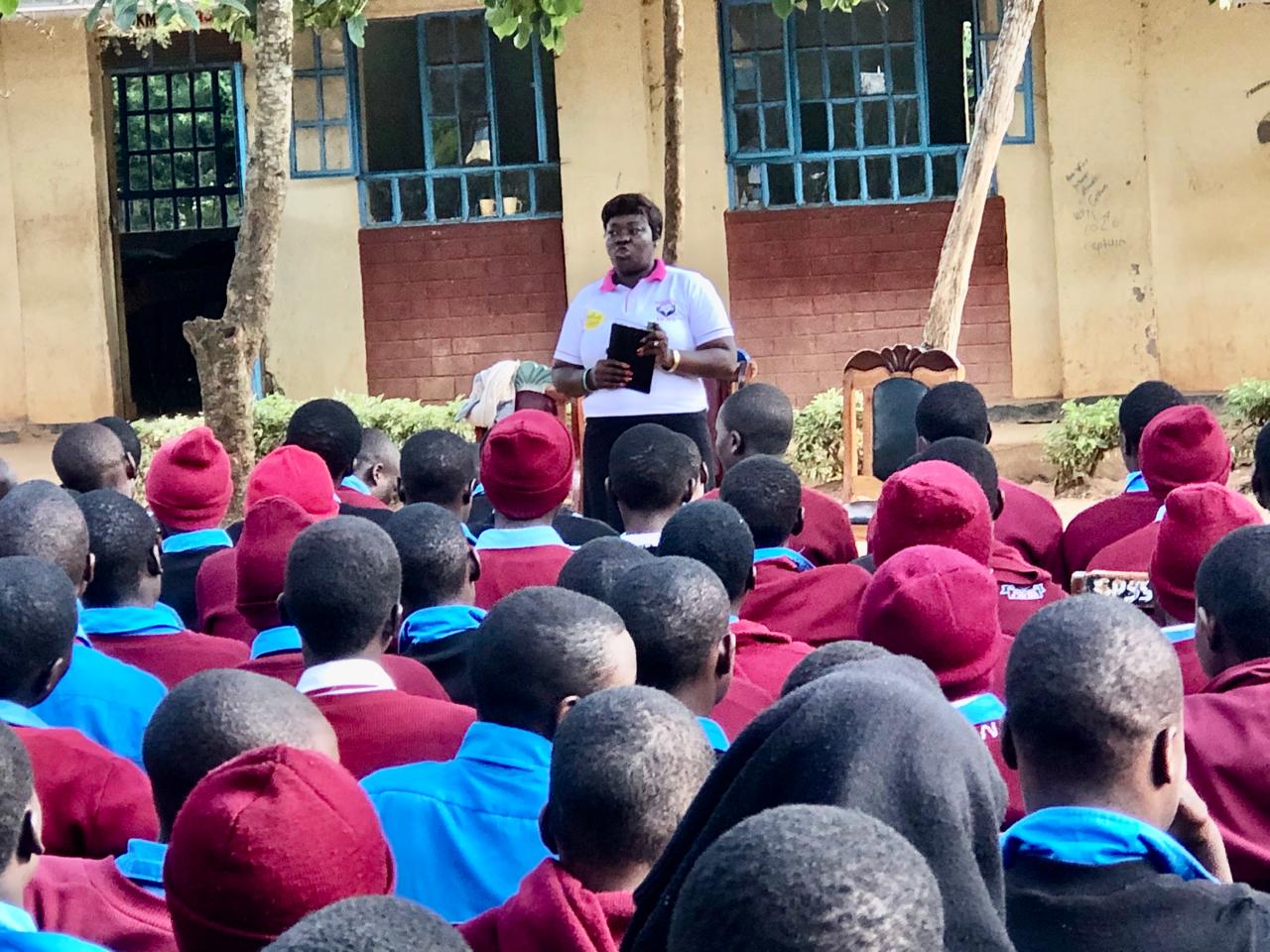
Today, I am a Cervical Cancer Champion. I stand before communities, in schools and churches, with a clear message: This is not a curse. It is a preventable disease.
The HPV vaccine (now a single dose in Kenya) and regular screening break the cycle of fear and death. We must stop normalizing suffering. Symptoms like irregular bleeding or pelvic pain are not normal—they are a call to action.
Cancer took my old life but gave me an unwavering purpose: to ensure no woman has to plan her funeral when she should be planning her future.
My journey from a corporate manager in Abu Dhabi to an advocate in Kenya is proof that survival is more than endurance—it’s a demand for change. Screening saves lives. Vaccination breaks the chain. My story is the evidence.