|
Getting your Trinity Audio player ready...
|
By Portus Chege
Recent events have drawn attention to human rights conditions in Kenya, with comparisons emerging to its neighbor Tanzania. Tanzania’s political environment, including post-election disputes, has faced international criticism. Former U.S. President Barack Obama described its last election as undemocratic after President Samia Suluhu Hassan reportedly won with 98% of the vote amid allegations that leading opponents were barred from participating.
In Kenya, a series of incidents have raised domestic and international concern. In late April, teacher and blogger Albert Ojwang’ was killed by police under circumstances that sparked public outrage and protests. While some junior officers have been charged in connection with his death, Deputy Inspector General Eliud Lagat—who had filed a complaint against Ojwang’ over social media posts—was cleared of wrongdoing and has since returned to office.
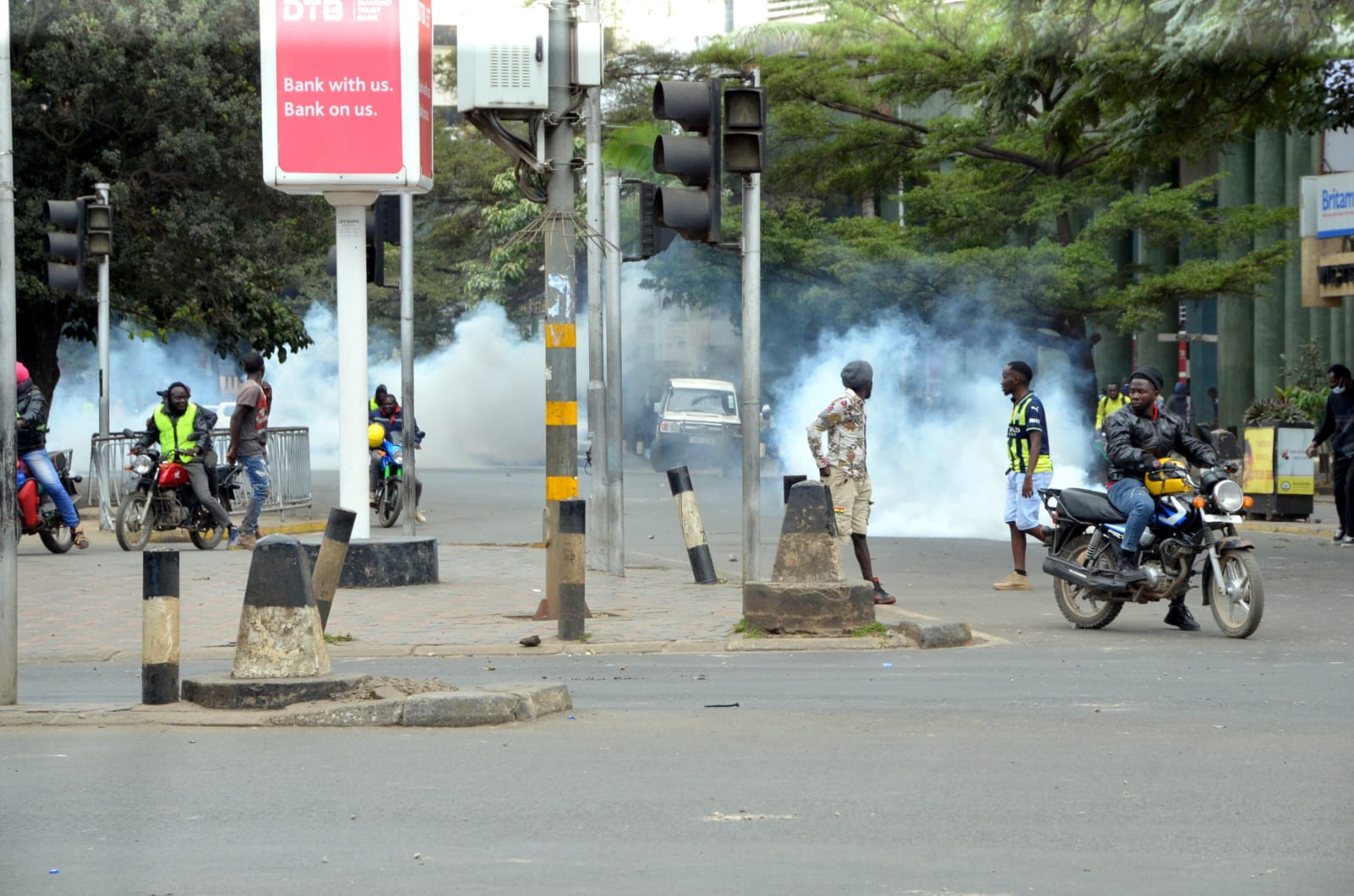
Between June and July 2025, nationwide protests over the cost of living, taxation, and governance led to significant clashes. Reports indicate that more than 40 people were killed by police during these demonstrations. Following property damage and the burning of several police stations, Interior Cabinet Secretary Kipchumba Murkomen issued a directive for police to “shoot-to-kill” those engaged in violence—an order legal experts described as unlawful.
President William Ruto later instructed police to aim at the legs of protesters approaching stations or looting property, stating that those injured would go “to hospital en route to court, en route to prison.” These statements have been criticized by rights groups as endorsing excessive force.
Further scrutiny has been directed at the composition and preparedness of the Independent Electoral and Boundaries Commission (IEBC) ahead of the 2027 elections. IEBC Chairperson Erastus Edung Ethekon has noted low voter registration turnout and cited inadequate funding for civic education. With 75% of Kenya’s population under age 35, engaging young voters remains a significant challenge. The commission’s credibility has been questioned by some civil society groups, given its appointment process and perceived political linkages.
Former government officials have also voiced criticism. Justin Muturi, previously Attorney General under President Ruto and later Minister for Public Service, described the president as “very corrupt” and “unfit for office” in a recent interview. Muturi’s son was reportedly abducted during the 2024 protests.
Meanwhile, Kenya continues to grapple with allegations of corruption, economic pressures, and accountability gaps. The United States and other international partners have called for investigations into human rights violations and police conduct during recent unrest.
As Kenya moves toward the next electoral cycle, observers emphasize the importance of transparent institutions, civic engagement, and adherence to constitutional and human rights standards.
The writer is a journalist with an interest in political transitions and peace and security in Africa.