|
Getting your Trinity Audio player ready...
|
By Shaban Makokha
Kakamega County, Kenya: The discovery of approximately KSh600 billion worth of gold in Ikolomani, Kakamega county in Kenya, has triggered violent confrontations between the government and local residents resulting in deaths, injuries, arrests and destruction of property.
Shanta Gold Limited, a British-based mining firm, recently announced the discovery of gold deposits estimated at KSh683 billion, emerging as one of Kenya’s largest gold deposits.
But what should have been a moment of collective excitement turned into misery, opening a deep rift among residents and exposing long-standing tensions over land, culture and economic survival.
At least 4 people have lost their lives, 27 sustained injuries, 65 got arrested and property of unknown value destroyed after residents of Isulu, Musoli and Bushiangala locations protested the proposed acquisition of more than 300 acres of land by the government for a gold mining project.
The proposal targets to relocate more than 800 households. However, residents of the three locations have expressed fierce opposition, fearing the loss of ancestral graves and their heritage. For them, leaving would mean losing not just land, but a way of life that cannot be bought or compensated.
The community says they are concerned about the possible environmental, cultural and social impacts, should the proposal get implemented. They are calling for complete transparency regarding all companies seeking mining rights, involvement and consent from the community before any exploration takes place, strong environmental protection to keep their land and water safe, and a clear framework for revenue sharing that ensures real benefits for the people – including jobs, infrastructure and community development.
A Clash of Reports and Rights
According to an Environmental Impact Assessment Report by the National Environmental Management Authority (NEMA), 1.27 million ounces of gold was discovered in Isulu and Bushiangala mining sites.
A geological study proposed a large-scale underground mine in Musoli and Isulu locations.
But the residents claim to have conducted their own survey across 18 villages which showed that many villagers are not aware of the contents in the EIA Report. They are demanding for documents to be made available in languages that are well understood by the local communities and in accessible formats.
Violent confrontations erupted on December 4, 2025, after locals stormed a meeting convened by NEMA, Shanta Gold, and a few community members allegedly to gather views on the proposed mining company.
Four people died after police officers opened fire on residents who stormed the meeting and pelted officers with stones. Two police officers and four journalists sustained injuries after being attacked by rioters armed with metal bars and other crude weapons.
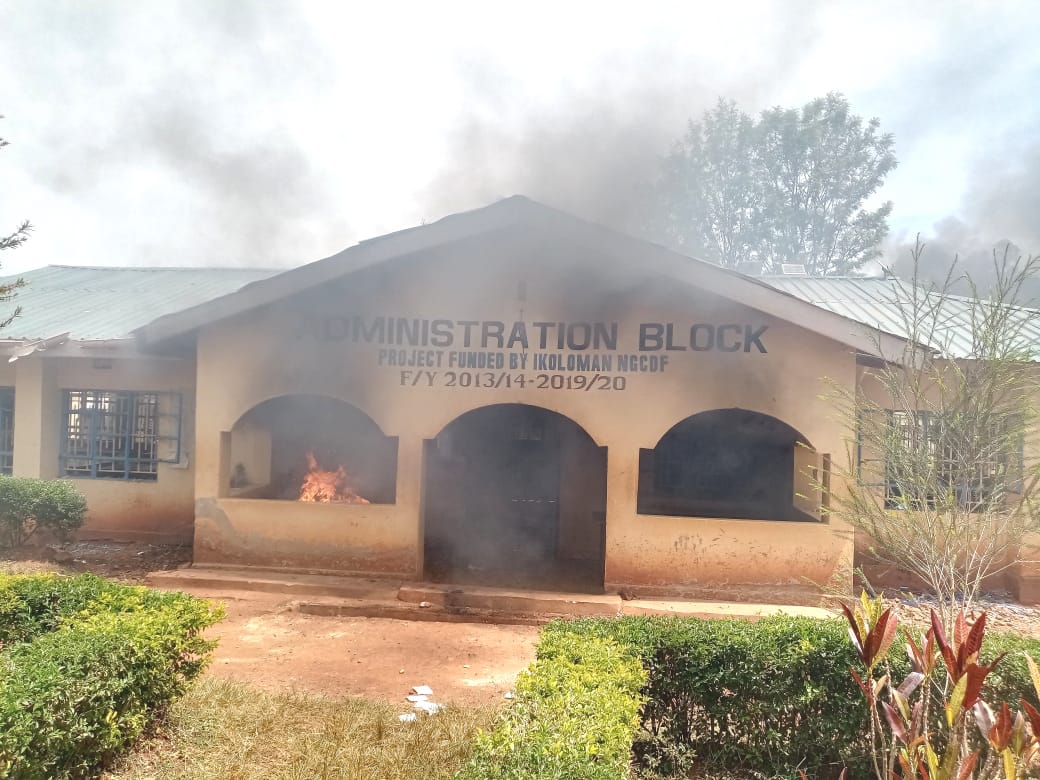
The rioters blocked the Sigalagala-Butere road with stones and bonfires, then marched to Imusala Primary School, the meeting venue, where they destroyed tents, the public address system, hundreds of chairs, vandalised property and set part of the school on fire.
At least 16 people, including two Members of the Kakamega County Assembly (MCAs) and two minors, were arrested. Western region police commander Isaac Mohammed claimed the MCAs were reportedly facilitating the attackers. “Police are investigating the source of funds… heads will have to roll,” said Mr Mohammed.
A Historical Wound Reopened
Gold mining at Isulu on the banks of River Yala started as early as 1932. The discovery along the Lihanda corridor attracted more than 3,000 Europeans who occupied the land while Africans were moved to reserves. This sparked the first protests from communities who wanted their land back.
The arrival of the Kenya Land Commission in 1932 addressed the grievances, inviting community representatives to express their plight and agree on a centralized vision to gain leverage over white miners.
Now, history seems to be repeating itself. Shanta Gold, having discovered gold worth billions, faces a local community that has vowed not to move from their ancestral land.
Photo/Shaban Makokha
Residents cite gaps in the process, saying issues raised in an earlier petition to NEMA in July 2025 were yet to be addressed. They question the consultation process and have deep concerns about environmental impacts, including waste management, protection of water sources like River Yala, and management of dust and fumes.
Mr Alfred Shitiavai, a resident of Isulu, said they oppose relocation from their privately-owned land. “No amount of money can replace our ancestral land. It is a repository of history, identity and generational memory,” he lamented. He stressed that many homesteads hold graves of their people, and leaving would mean abandoning sacred resting places and breaking a cultural bond.
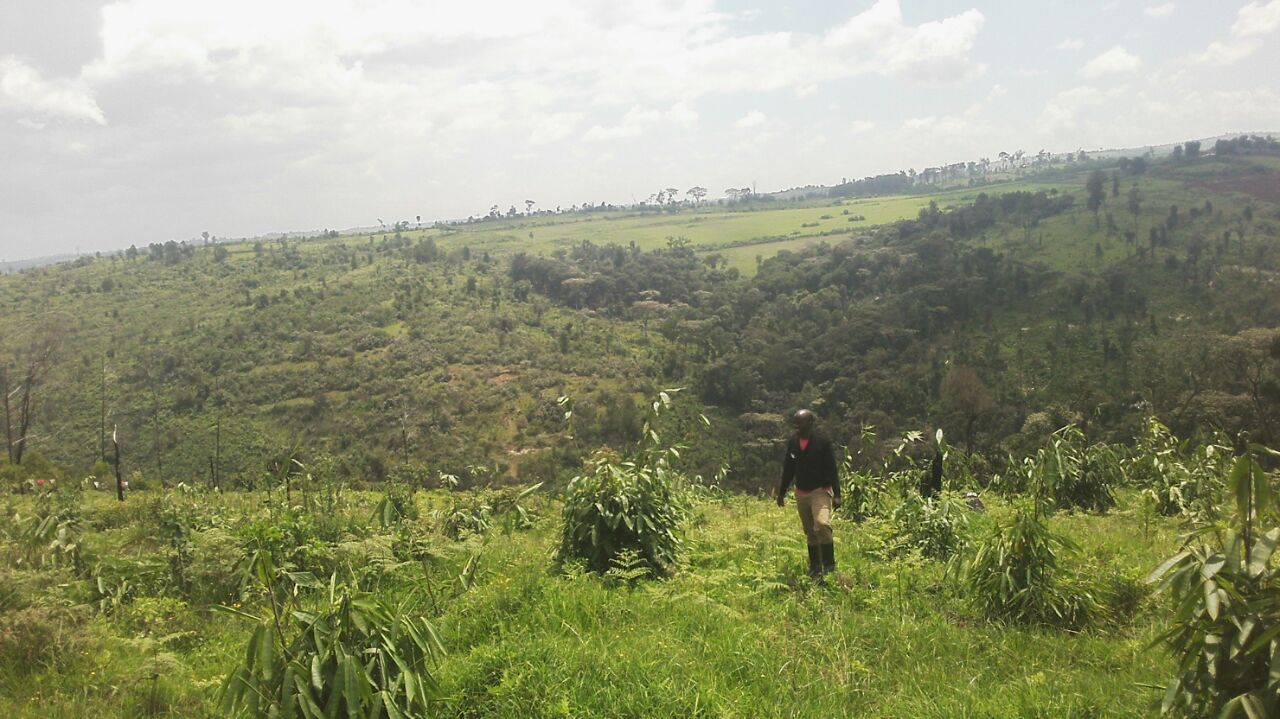
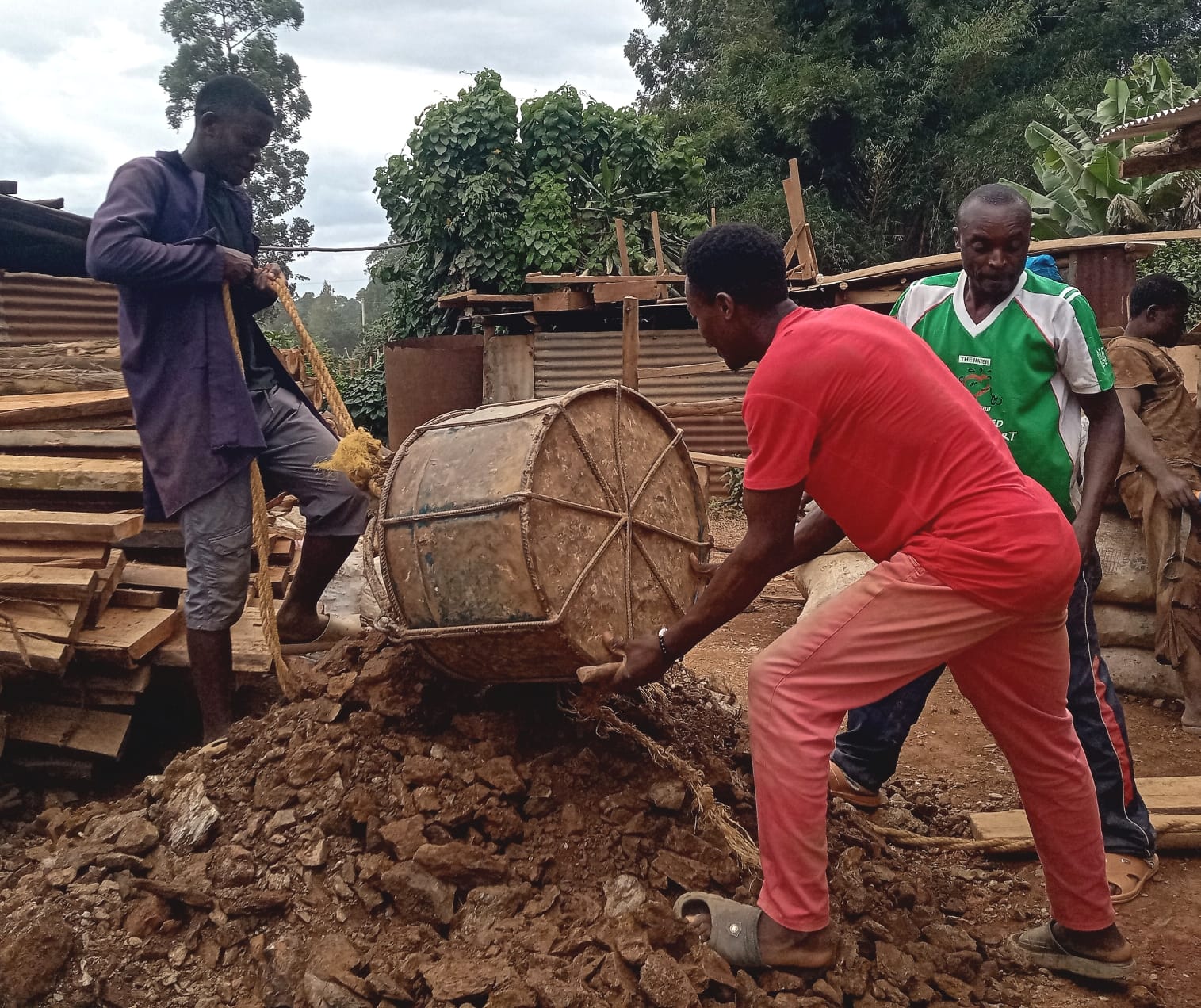
Beyond the graves, the land carries stories, traditions and ways of life. Many families in Ikolomani have practised small-scale, artisanal mining for decades—a risky but dependable source of daily income that has educated their children and sustained local markets.
Leaders Demand Transparency and Justice
A section of leaders from Western region have sided with the communities. “This project is a private commercial venture by people who are hiding behind Shanta Gold to grab the 3000 acres of land plus its gold deposits. We cannot allow them to forcefully acquire this sacred land,” said former Senator Cleophas Malala.
Kakamega County Assembly Speaker James Namatsi called for proper channels and amicable public participation without armed police. “Residents and the government should agree on terms of compensation… The eviction should be on friendly terms,” he said.
Senator Boni Khalwale was unequivocal: “The natural resources of Kakamega rightfully belong to the people of Kakamega… I will not permit any organization to exploit our minerals without ensuring transparency, accountability, and direct benefits for our communities.”
Governor Fernandes Barasa called for a ‘Win-Win’ approach, urging leaders to avoid politicizing the project. “Any development must be community-centered… This project should not displace residents or interfere with their property and public amenities,” said Mr Barasa, challenging the investor to embrace socially responsible practices.
The ongoing confrontations have raised broader concerns about how such a sensitive issue is being handled. At the centre lies a difficult dilemma: should development override tradition? Is it fair to uproot families in the name of economic opportunity, or should people be allowed to remain and continue mining as their forefathers did, even if it means foregoing the revenue a commercial operation could bring?
As Ikolomani mourns, what is clear is that any decision made in the coming weeks will shape the region’s future for generations. Whether through relocation, coexistence, or full community ownership of the process, Ikolomani now stands at a defining crossroads.