
|
Getting your Trinity Audio player ready...
|
By Liz Anyango
Nairobi, Kenya: From Kenya’s protesting youth to Sudan’s shattered cities, Africa is standing at a breaking point, and it is the young who are rising to meet the storm. In Kenya, the Gen Z movement has been holding protests over what they term as high taxes, unemployment, and growing inequality. In Ethiopia, the wounds of war are still fresh, and the threat of renewed conflict hangs in the air. South Sudan walks a fragile line between peace and relapse, and across the Sahel from Burkina Faso to Mali and Niger, coups and extremist violence keep the region in constant turmoil.
Across the continent, pressure is building. The call for justice, inclusion, and lasting peace is growing louder. And young people are no longer waiting for permission to lead the way. The question remains: Who is truly responsible for peace?
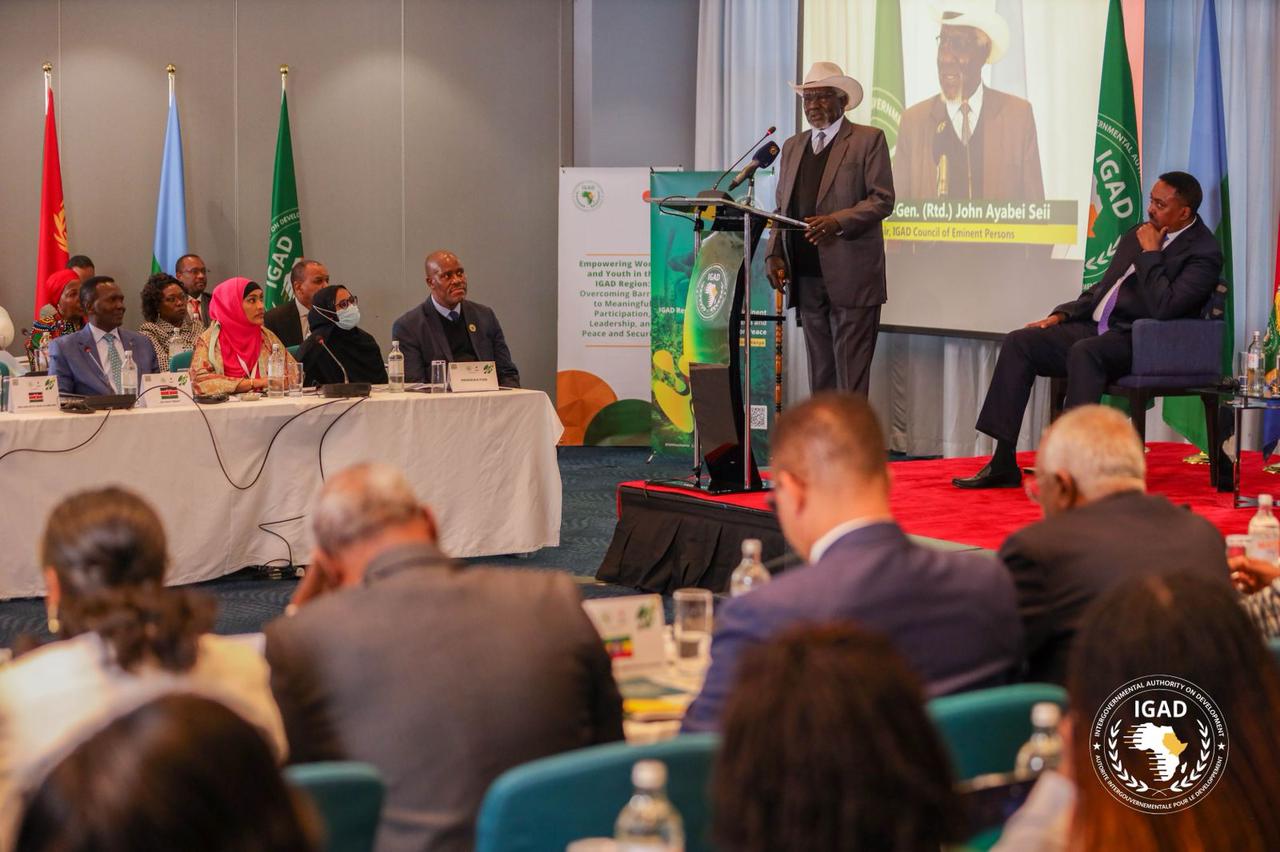
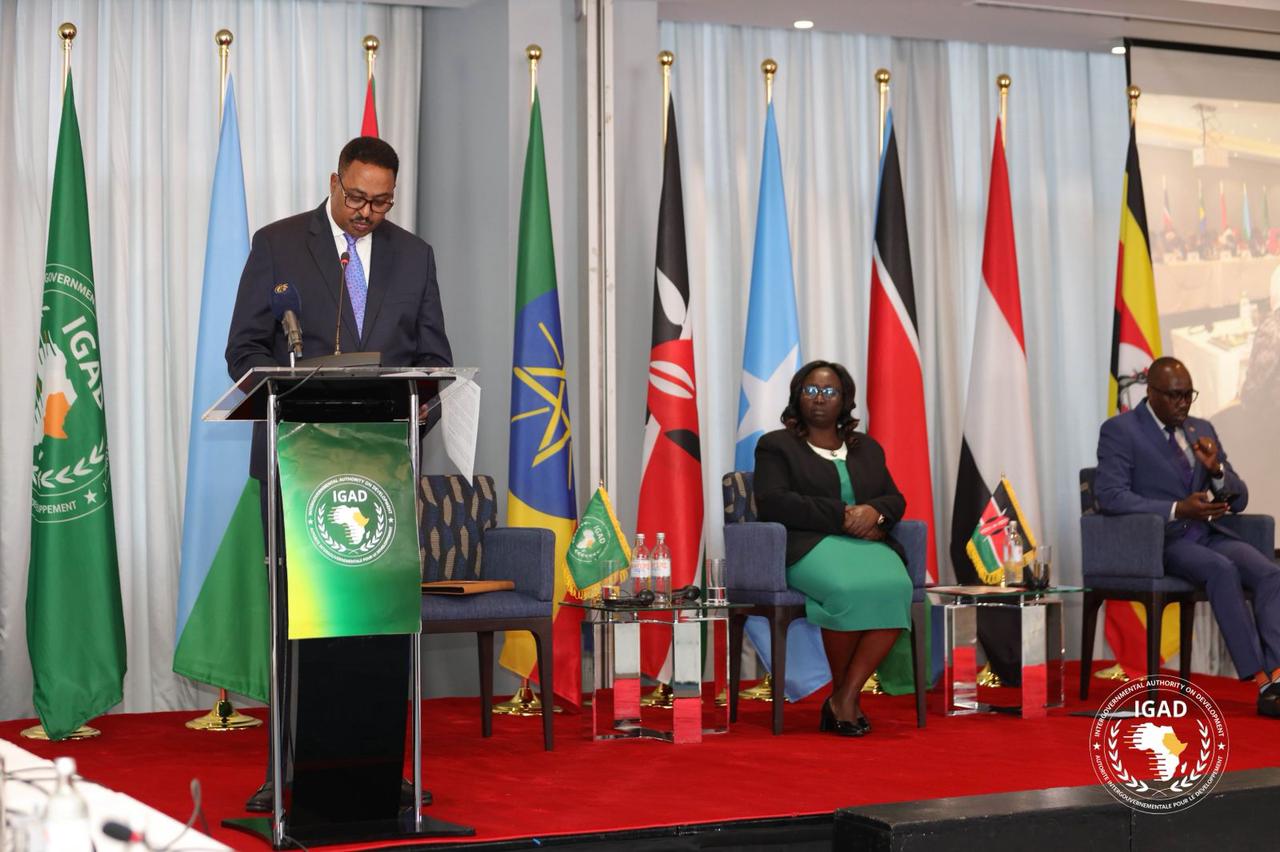
This week, the Intergovernmental Authority on Development (IGAD) gathered regional leaders, elders, youth, and civil society actors in Nairobi to answer that very question.
At the Regional Forum for Eminent Personalities and Leaders for Peace, held at Radisson Blu Hotel Nairobi, participants agreed on one thing: peace cannot be sustained from boardrooms and government offices alone.
“Peace is a community matter,” said Dr. Abraham Korir Sing’Oei, Kenya’s Principal Secretary for Foreign Affairs. “Our elders have always been our first mediators, resolving family disputes, guiding communities, and restoring trust. Their role is as essential today as it was centuries ago.”
IGAD emphasized a revival of Track II diplomacy, which is the informal, community-driven conflict resolution led by respected elders, retired leaders, women, and youth. These local peacebuilders, though often overlooked, play a crucial role in restoring calm in conflict-prone areas.
Dr. Workneh Gebeyehu, IGAD’s Executive Secretary, reminded the audience that “our legitimacy does not come from power, but from trust.” He posed a bold question to the assembly: “Have we remained as neutral as those giants who came before us, or have the winds of change eroded the foundations of our moral authority?”
The forum did not just talk theory. It tackled the real cost of failing to act.
Cabinet Secretary for Gender, Culture, the Arts and Heritage, Hon. Cheptumo, shared staggering statistics: 5,578 women and girls have been killed in femicide cases across the region in 2024 alone.
The room fell silent as she reminded everyone, “Each number represents a life lost, a family shattered, and a failure of preventive diplomacy at the domestic level.”
She called for a regional framework anchored in mentorship, cultural heritage, and intergenerational dialogue, insisting: “Senior women and men, youth and elders must work together.”
The forum outlined concrete steps: support for upcoming youth peace forums in Entebbe and Nairobi, increased investment in women-led peace initiatives, and the reactivation of the IGAD Women, Peace and Security Forum.
Development partners, including Ambassador Hiroshi Matsuura of Japan, reaffirmed their support. But the spotlight remained on African-led solutions.
IGAD’s message was clear: the continent can no longer rely on external intervention or elite-driven diplomacy alone. Peace must be inclusive, localized, and rooted in Africa’s own traditions.
As one speaker put it, “Real peace in Africa won’t be signed in silence; it must be shaped by the very voices that have been ignored for too long.