|
Getting your Trinity Audio player ready...
|
By Lenah Bosibori
Nairobi, Kenya: When Jude Wanyoike was chosen to lead a grassroots group of women who have survived different types of cancer in Nairobi’s Dandora informal settlement, politics was the last thing on her mind. She never imagined that one day she would want to run for a public office.
A cervical cancer survivor, a mother of three, and a long-time resident of Dandora, Wanyoike represents a growing movement in Kenya’s informal settlements with grassroot women who are no longer satisfied with campaigning for others, but are ready to lead themselves.
Wanyoike is the chairperson of One Voice, a women-led grassroots organization that brings together cancer survivors and caregivers. What started as a support group has slowly grown into a space of political awareness and empowerment.
“We came together so that we could rise together,” she says. “Today, we have learned that as survivors, we can fight for our rights and we can also be leaders.” she adds. “When we hear that someone in the community is a cancer survivor, we bring her on board,” Wanyoike explains.
“We teach each other how to exercise, how to eat well, and how to live,” she says.
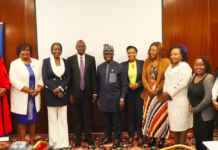
Speaking at a leadership training convened by Badili Africa a Pan African women’s rights organization in Kenya dedicated to empowering women to harness their leadership capabilities held in Nairobi, Wanyoike shared that she has already announced her ambition to vie for Member of County Assembly (MCA) in Dandora, Embakasi North Constituency

She believes that after leading a group of 38 survivors and caregivers, it is her time to lead a larger group of people and help them in addressing their grassroot challenges as a person who has lived in the area for more than 20 years
But translating community leadership into political power comes at a cost. “The moment you announce your candidature, you are called to countless community meetings,” she says. “Yet your pockets remain empty.” Campaign financing, social expectations and entrenched political networks continue to lock many grassroots women out.
For Wanyoike, politics is deeply personal. Before her cancer screening, she says, she lacked the money and information to seek care.
“Many people see cancer as a death sentence. I only see life,” she says. If elected, she wants to champion accessible healthcare and dismantle the stigma surrounding cancer. “I understand the struggles here because I have lived in Dandora for over 20 years.”
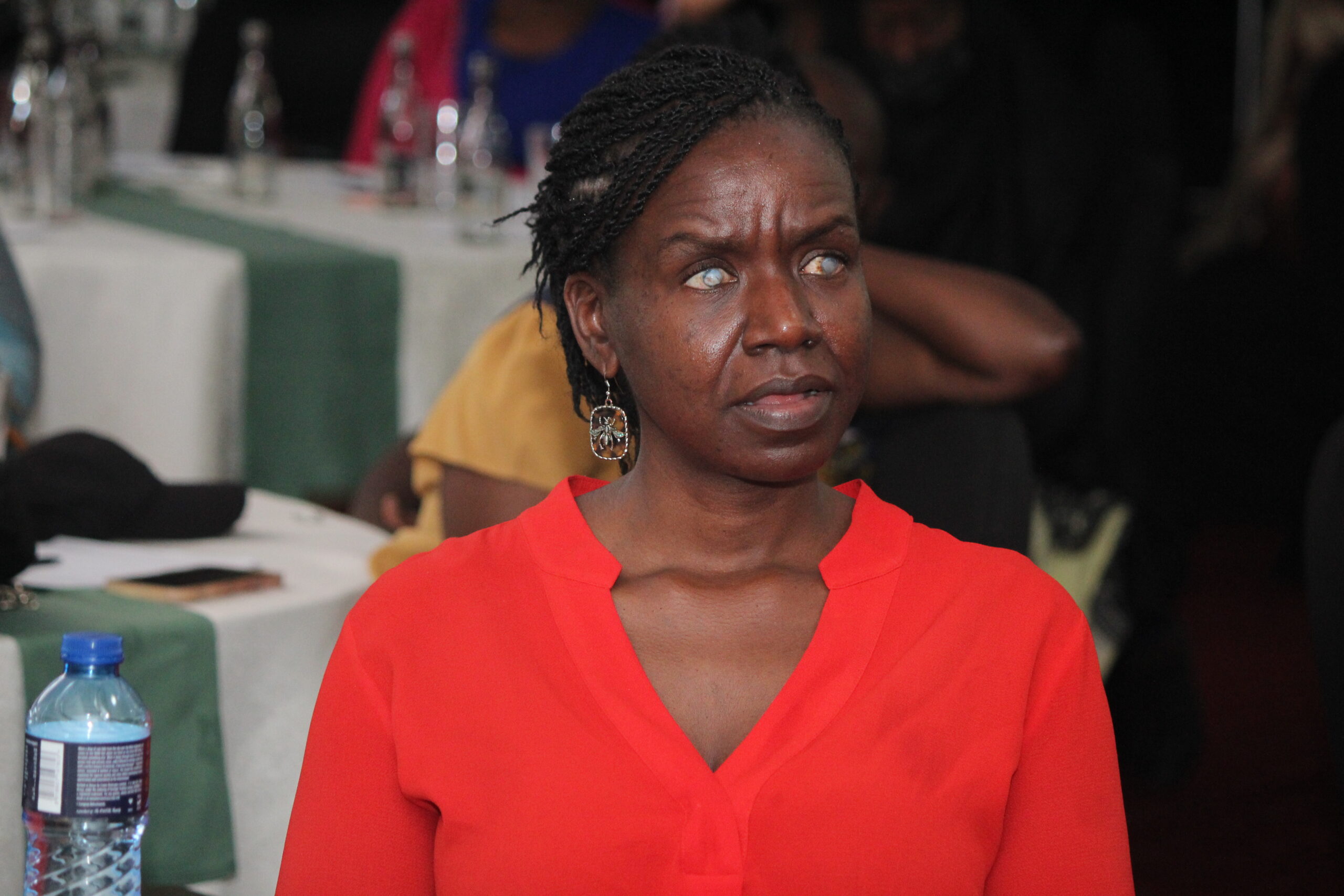
The gathering also draws national voices echoing the same call. Senator Crystal Asige, Kenya’s only parliamentarian who is visually impaired both the senate and the national assembly, challenges women to confront fear head-on. “I believe that women are leaders in every single sphere they occupy, ” says Asige.
She also called for urgent inclusion of women with disabilities in political spaces. “It is lonely being the only one,” she says. “We need more women, especially those with disabilities, in Parliament to raise our voices and shape an inclusive Kenya.”
The urgency of the moment is grounded in sobering statistics. Bina Maseno, Executive Director of Badili Africa, points out that in the last general election, only 2,000 out of 16,100 candidates, about 11%, were women.
“Yet women are the mobilisers, the campaigners, the organizers,” she says. “Chamas are the backbone of our communities, but we have not seen this organizing power translate into political office.”
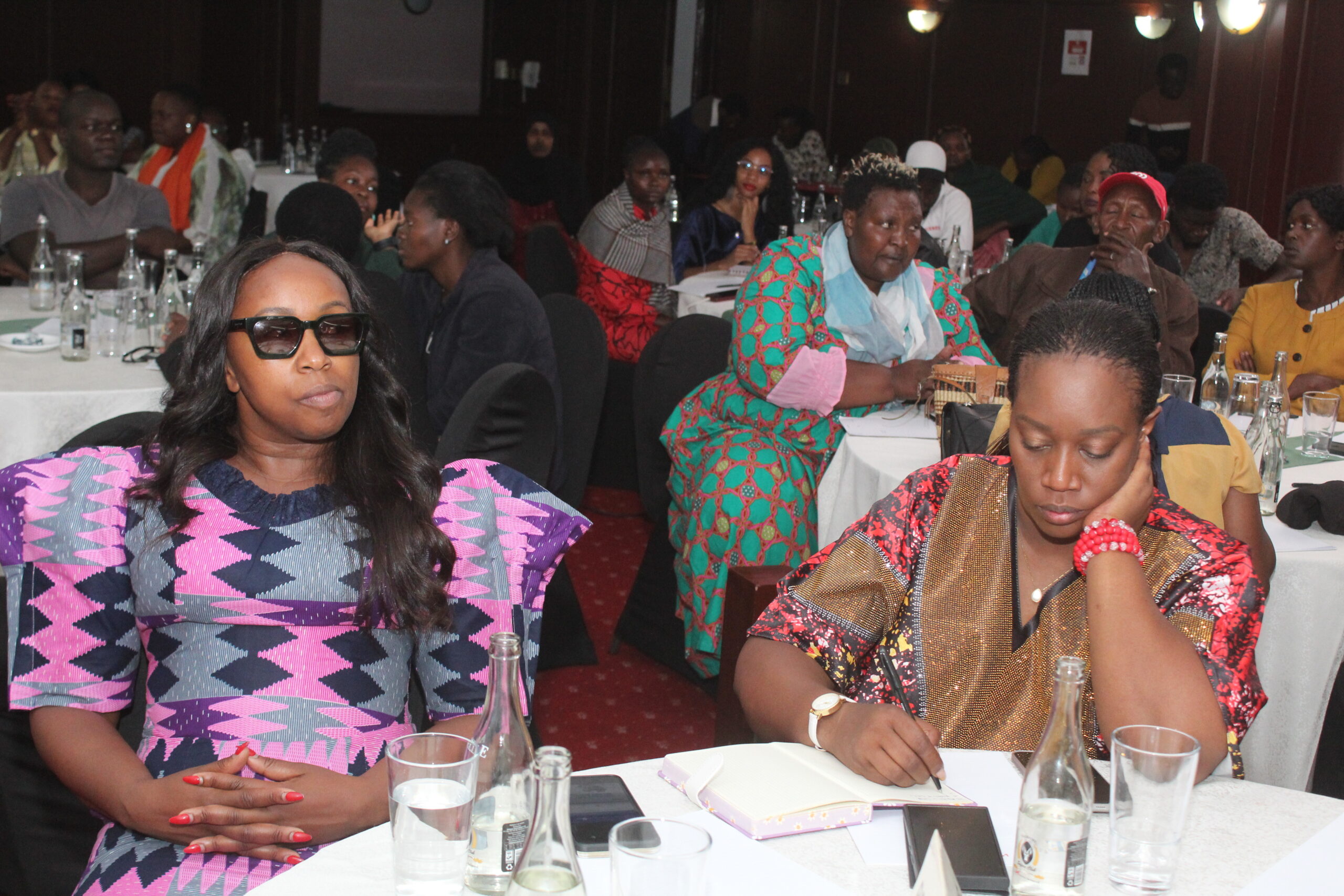
Badili Africa works with thousands of women’s savings groups across the country. The meeting brings together 100 Chama women leaders from six counties, each representing dozens more in their communities. The goal is to move women from behind-the-scenes influencers to decision-makers.
“We want women to move from kingmakers to queenmakers,” Maseno says.
The challenge is even steeper for younger women. Despite women making up 24% of elected leaders, young women account for just 1%.
To close this gap, Badili Africa is fostering intergenerational leadership linking university student leaders with veteran organizers such as Jael Mbogo, a founding member of Maendeleo ya Wanawake, who ran for office as early as the 1960s.
“We cannot drop the ball,” Maseno says. “We are standing on the shoulders of women who organized before us. Now we must consolidate our numbers, set the agenda, and convert our voices into power.”