|
Getting your Trinity Audio player ready...
|
By Diana Chiyangwa
When I saw the call for applications for the Norway Democracy Fact-Checking Fellowship from Code for Africa on Facebook, I wasted no time in applying. My interest was immediately piqued by the program’s focus on combating the rise of misinformation and disinformation in the era of AI.
As a journalist, I committed to all 15 training sessions. The curriculum was designed for working professionals, and the interactive format was crucial for moving theory into practice. The trainers, all clearly experts, didn’t just lecture; they equipped us. The image and video verification sessions were a game-changer, moving me from guessing to geolocating. I learned to wield new tools like InVid and WeVerify, moving my debunks from speculative to scientific.
However, the real newsroom simulation began in the mentorship sessions. My editor-mentor, Naomi Wanjiku, held weekly sessions that mirrored a real-world editorial calendar. Punctuality and clear communication were non-negotiable. When she was unavailable, Rodgers Omondi stepped in, offering not just approval but actionable feedback on pitches and drafts, sharpening my editorial judgment.
I’ll admit, after the initial training, I was skeptical. Could I actually deliver under deadline pressure? The volume of information was daunting. My mentor directly addressed this, refreshing my skills on the core tenet of our craft: identifying a viable, fact-checkable claim. This was the turning point. Suddenly, the noisy digital landscape became clearer, and I could zero in on what needed debunking.
The fellowship taught me the journalistic disciplines that aren’t always in textbooks. I learned the hard way to always archive a claim after an original post on X was deleted, forcing me to scrap hours of work and miss a deadline. I honed the craft of writing for fact-checks—no commas in headlines, clear hierarchies of information, and the strategic use of visuals. My evidence became irrefutable when Naomi introduced me to AI-detection tools like Hive Moderation and the DeepFake-O-Meter.
The editorial process itself, with its layers of scrutiny from copy editors, was a masterclass in precision. Having my drafts challenged with critical questions made my final articles more robust and my research methods more rigorous.
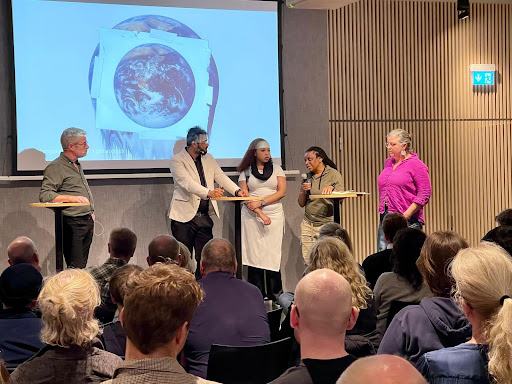
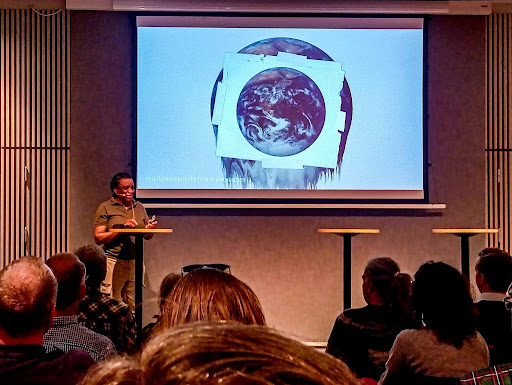
This journey didn’t end with the fellowship. The skills I honed opened a global door. Before the program concluded, I was accepted into the Danida Fellowship Centre’s climate reporting program. There, in Denmark, I stood before a sold-out crowd at a debate hosted by Politiken newspaper.
Alongside colleagues from Kenya, Brazil, and India, I presented a climate change fact-check I developed with Code for Africa, debating how misinformation cripples democracy in a climate crisis. The fellowship had transformed me from a skeptical journalist into a sentinel, armed to report from the frontlines of the information war.
This blog post was produced by TalkAfrica as part of the African Fact-Checking Alliance’s (AFCA) incubation programme. It was produced with peer-mentorship from Code for Africa’s fact-checking initiative, PesaCheck, with financial support from Norway. AFCA mentorship respects the journalistic independence of the researchers, offering access to advanced techniques and tools. Editorial decision-making remains with Name of Newsroom. Want to learn more? Visit: https://factcheck.africa/