|
Getting your Trinity Audio player ready...
|
By Maureen Bosire
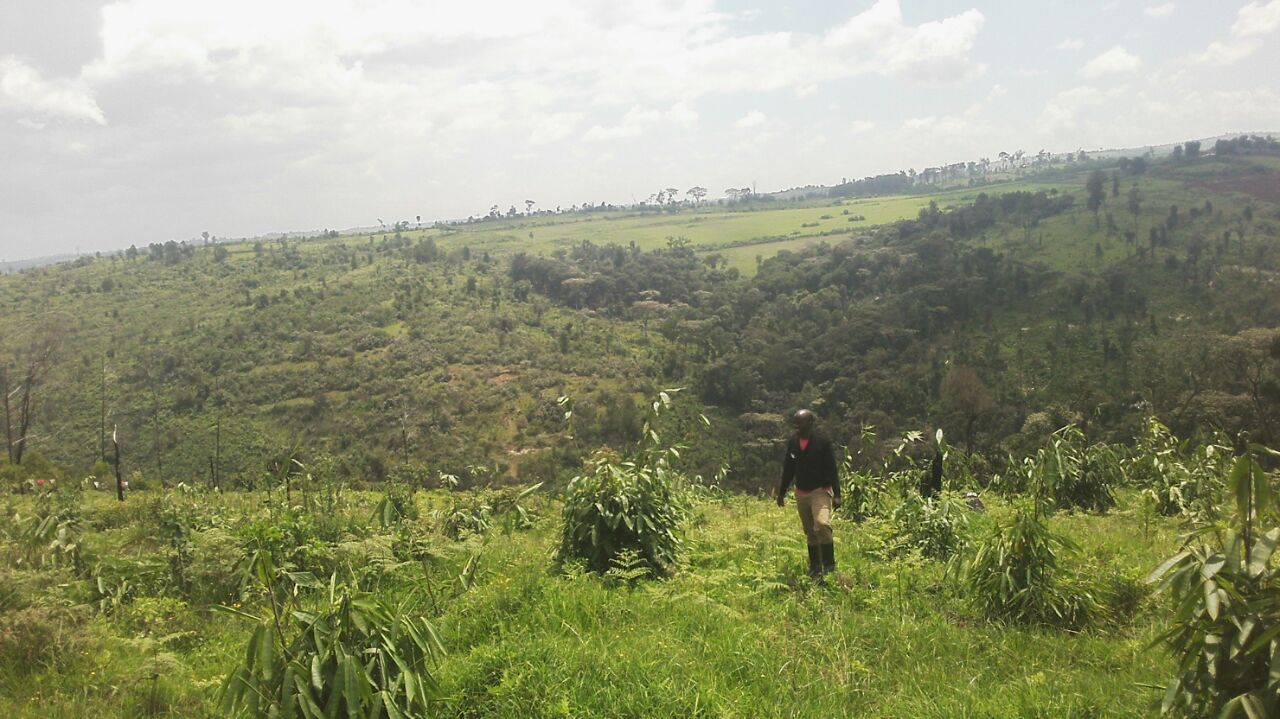
Nairobi, Kenya: When Francis Kiragu, a cattle feedlot farmer from Mavoko in Machakos County, first invested in livestock farming, he never anticipated that fear would soon become his constant companion. Together with his 26-year-old son, Kiragu channeled over KSh 15 million into a feedlot project, purchasing 55 bulls, constructing proper sheds, and establishing a system for fattening cattle for beef production. Yet, as his animals grew healthier and larger, his anxieties deepened.
“Theft was my biggest nightmare,” Kiragu admitted, recalling how sleepless nights became routine as he worried about the potential loss of his herd. “Each bull was worth hundreds of thousands of shillings. One single incident could wipe out everything we had worked so hard to build.”
Fortunately, Kiragu’s background in the insurance sector provided him with a critical advantage. He contacted a broker for guidance and discovered livestock insurance—an option he acknowledges most farmers in his community had never even considered. “I insured my animals against theft and diseases,” he shared with a smile. “Now, even if something happens, I know I have a safety net. That peace of mind allows me to focus on growing my business.”
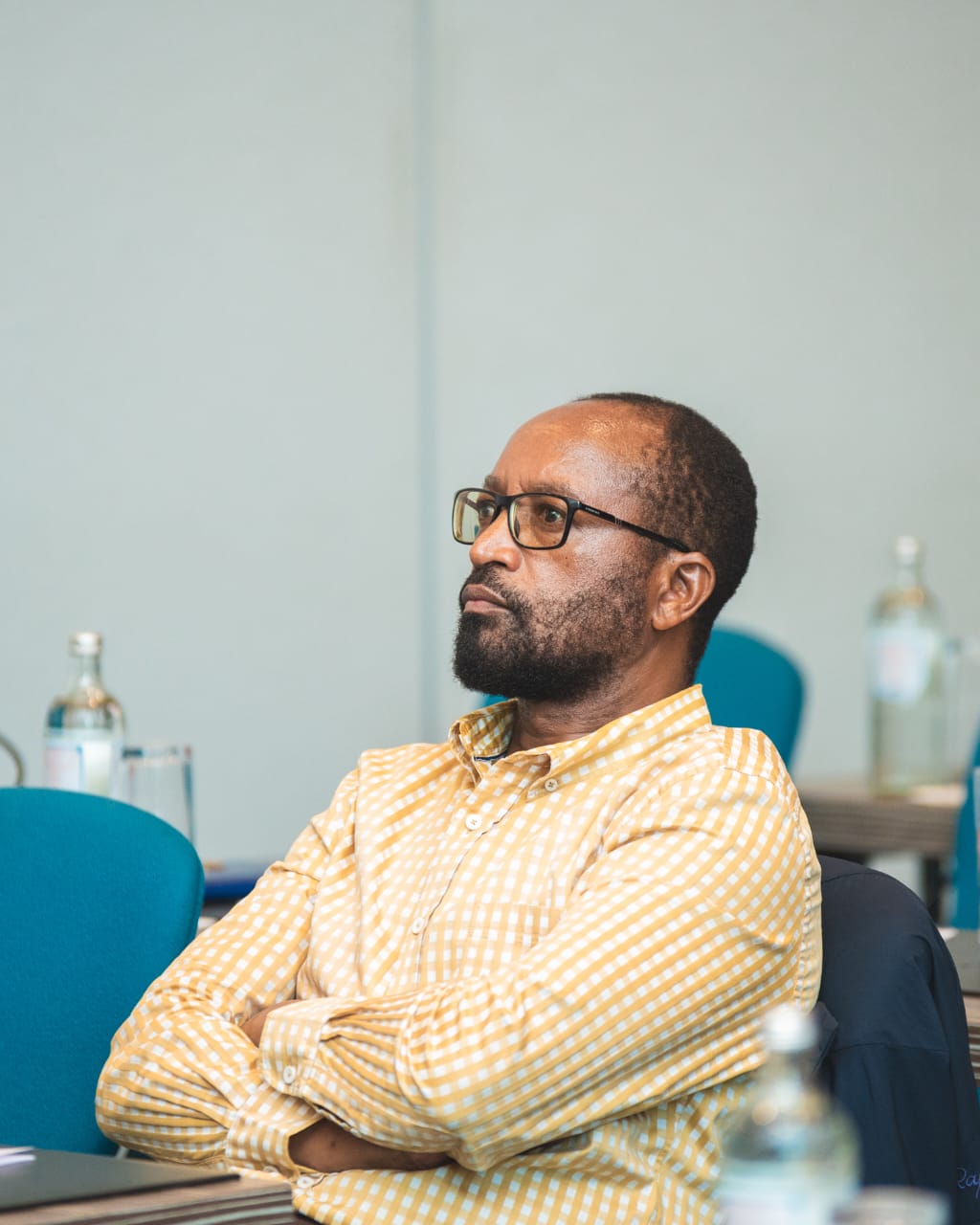
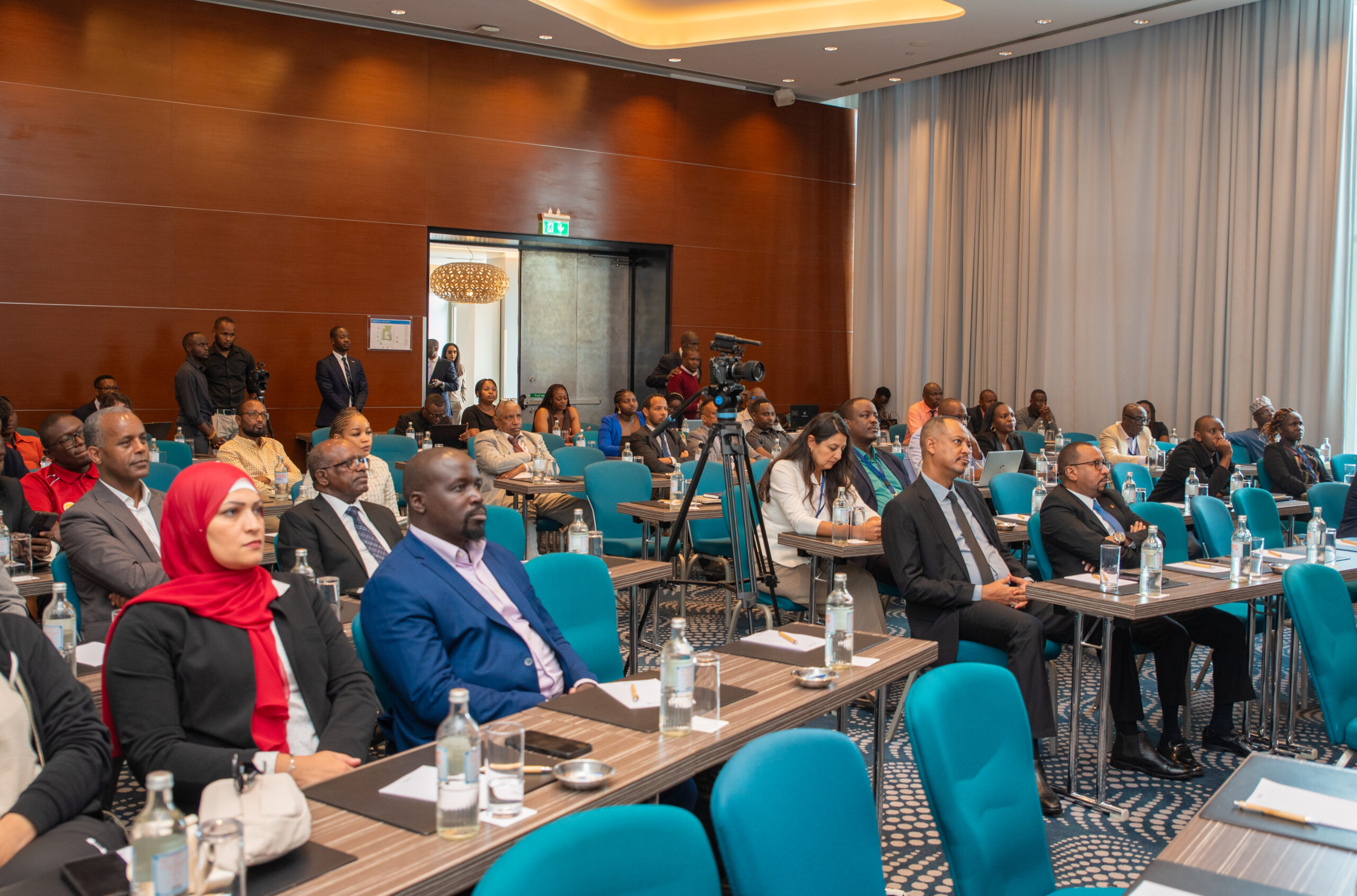
Kiragu’s experience was one of many powerful narratives shared at the Africa Re Agriculture and Climate Insurance Workshop 2025, held recently in Nairobi. Organized by the African Reinsurance Corporation in collaboration with the International Finance Corporation, the three-day event gathered experts and farmers from across the continent to explore how insurance can shield livelihoods from the growing threats of climate change.
Under the theme “Enhancing Agriculture and Climate Insurance Solutions to Build Resilience in African Economies,” the workshop featured contributions from institutions such as ACRE Africa, Dalili, IBISA, AGRIRISK International, ZEP-RE, and the National Agriculture Insurance Scheme. While policy discussions filled the conference rooms, it was Kiragu’s heartfelt testimony that truly captured the spirit of the gathering—putting a human face on the statistics and strategies.
Dr. Phocas Nyandwi, Africa Re’s Regional Director for the Nairobi Office, highlighted one of the primary obstacles to insurance adoption: a widespread lack of awareness. “Many small-scale farmers do not understand how insurance works or how it can protect their income,” he explained. “Affordability and distribution channels are also challenges we must address.”
Isaac Magina, Manager of Agriculture Underwriting and Marketing at Africa Re, stressed the importance of collaboration. “We must use data effectively, work closely with local governments, and build trust at the grassroots level,” he said. “Insurance should be seen as a tool for empowerment, not as a luxury.”
Established in 1976 by African states and the African Development Bank, Africa Re stands as the continent’s leading reinsurance corporation. It was founded with a mission to help African countries retain insurance premiums within the continent and strengthen local insurance capacity.
For Kiragu, however, insurance represents something even more profound: hope. His farm now provides employment for several young people, and he is preparing to expand after submitting a funding proposal to the Kenya Development Corporation.
“Many small-scale farmers think insurance is only for big companies,” he reflected. “But if we all insured our farms and livestock, we would not only protect our livelihoods—we would also create lasting jobs for our youth.”
As the workshop drew to a close, Kiragu’s story remained a resonant reminder that beyond the data and policy debates, real lives are being transformed—one insured farm at a time.